Table of Contents
Top 10 CBN Strains
Cannabinol (CBN) is a mildly psychoactive cannabinoid formed mainly through the oxidation and decomposition of THC (tetrahydrocannabinol). As cannabis ages, its THC content gradually converts into CBN, giving it potent sedative effects without strong intoxication. Scientifically, CBN interacts primarily with CB1 and CB2 receptors, albeit with lower affinity than THC, explaining its gentle psychoactivity and robust therapeutic properties like sleep induction, anti-inflammatory action, and neuroprotection. Here’s a detailed breakdown of the top 10 CBN-rich strains known for both recreational and medical uses:
Top 10 CBN Strains
1. Purple Urkle
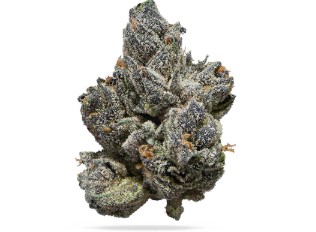
- Genetics: Indica-dominant (thought to be a phenotype of Mendocino Purps)
- CBN Potential: High with aged curing
- Scientific Insight: Purple Urkle’s rich terpene profile (especially myrcene and linalool) enhances its sedative effects synergistically with CBN. Myrcene is known to increase cell membrane permeability, potentially boosting CBN’s bioavailability.
- Uses: Insomnia, muscle relaxation, and chronic pain.
2. Northern Lights
- Genetics: Indica
- CBN Potential: Moderate to high when properly aged
- Scientific Insight: Northern Lights’ high THC content makes it an excellent precursor for CBN production through oxidation. The strain’s deep sedative qualities are intensified by elevated CBN levels, making it a standard choice for severe sleep disorders.
- Uses: Stress relief, sleep enhancement, and appetite stimulation.
3. Kosher Kush
- Genetics: Indica-dominant
- CBN Potential: High under aging processes
- Scientific Insight: This strain’s genetic composition results in dense trichome production, leading to higher THC degradation to CBN over time. Its terpene combination of limonene and beta-caryophyllene adds anxiolytic and anti-inflammatory effects.
- Uses: Sleep induction, anti-anxiety treatment, and pain management.
4. Granddaddy Purple (GDP)
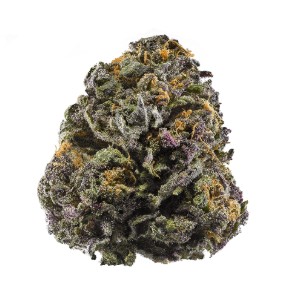
- Genetics: Indica (Mendo Purps × Skunk × Afghanistan)
- CBN Potential: High after oxidative curing
- Scientific Insight: Granddaddy Purple exhibits strong sedative effects through the entourage effect, where CBN, myrcene, and linalool interact. CBN binds weakly to CB1 receptors but robustly supports sedative pathways.
- Uses: Severe insomnia, PTSD-related sleep issues, and chronic fatigue syndrome.
5. Afghan Kush
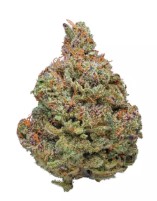
- Genetics: Landrace Indica
- CBN Potential: Naturally high after aging
- Scientific Insight: Being a pure Indica landrace, Afghan Kush produces significant resin, high in cannabinoids that easily oxidize into CBN. The traditional curing methods further enhance its CBN profile.
- Uses: Deep sedation, pain reduction, and appetite enhancement.
6. LA Confidential
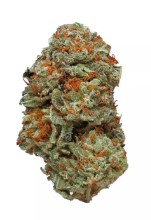
- Genetics: Indica-dominant (Afghani × California Indica)
- CBN Potential: Moderate to high
- Scientific Insight: LA Confidential features compact buds rich in THC and terpenes like pinene and linalool. With aging, the CBN content rises, making it effective in neuropathic pain and neuroinflammation control.
- Uses: Sleep disorders, pain syndromes, and neuroprotection.
7. White Rhino
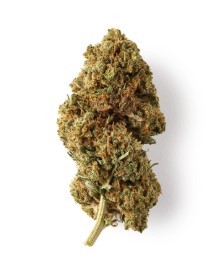
- Genetics: Indica-dominant (White Widow × North American Indica)
- CBN Potential: High with prolonged curing
- Scientific Insight: White Rhino’s dense bud structure preserves cannabinoid integrity over time, allowing a gradual, natural conversion of THC to CBN. It exhibits strong binding potential to CB2 receptors, helpful in immune modulation.
- Uses: Chronic pain, arthritis, and deep sleep support.
8. Strawberry Kush
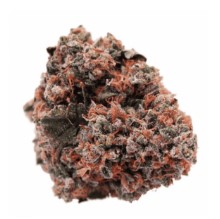
- Genetics: Hybrid (Strawberry Cough × OG Kush)
- CBN Potential: Moderate when aged
- Scientific Insight: Although lighter in sedation initially, when aged, Strawberry Kush sees a noticeable rise in CBN concentration. Its mix of uplifting limonene and sedative myrcene terpenes balances euphoria and sleepiness.
- Uses: Evening relaxation, mild anxiety, and post-trauma recovery.
9. Blueberry
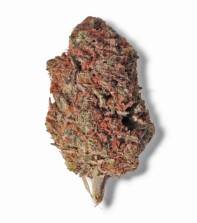
- Genetics: Indica-dominant (Afghani × Thai × Purple Thai)
- CBN Potential: High after oxidative storage
- Scientific Insight: Blueberry’s classic profile contains an abundance of secondary metabolites aiding CBN transformation. The terpene-terpenoid synergy with CBN contributes to its remarkable effects on REM sleep regulation.
- Uses: Anxiety-related sleep issues, depression, and pain.
10. Remedy (CBD-rich but also CBN-prone)
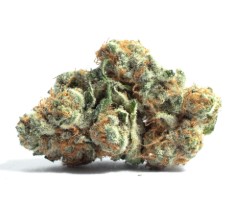
- Genetics: Cannatonic × Afghan Skunk
- CBN Potential: High in specialized extracts
- Scientific Insight: Remedy is bred for high CBD and minimal THC, but under extended curing, its small THC component degrades into therapeutic CBN without intoxicating effects. Studies suggest CBN-CBD co-activation reduces inflammatory cytokines significantly.
- Uses: Non-intoxicating sleep aid, anti-seizure therapy, and inflammation control.
Final Thoughts
The potency of CBN depends significantly on strain genetics, aging conditions (light, oxygen exposure, time), and curation methods. Strains with high initial THC content tend to yield higher CBN concentrations over time. The synergistic action between CBN and terpenes like myrcene, linalool, and beta-caryophyllene enhances its therapeutic efficacy by targeting multiple pathways such as the endocannabinoid system, GABAergic neurotransmission, and inflammatory cytokine reduction.
As cannabis research advances, specific breeding for CBN-rich strains may become commonplace, especially for medical treatments targeting sleep, neurodegeneration, and chronic inflammation.
