
Top 10 Best Cannabis Strains with Lemon Smell and Taste
- Lemon Haze
-
 Lemon Haze Cannabis SeedsFrom: $24.99
- Super Lemon Haze
-
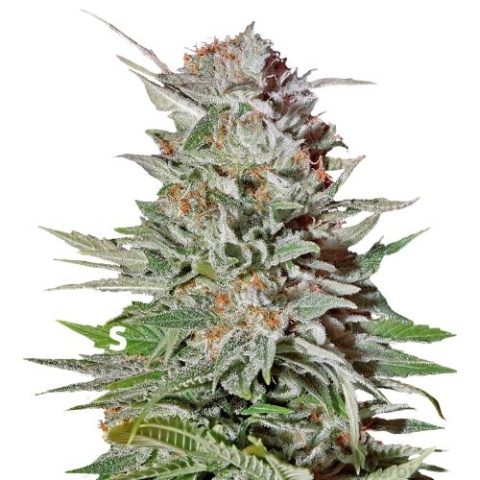 Super Lemon Haze Cannabis SeedsFrom: $24.99
- Lemon Skunk
- Type: Sativa-dominant hybrid
- Aroma and Flavor: Pronounced lemon with skunky undertones
- Effects: Uplifting, euphoric, promotes creativity
- Uses: Mood disorders, pain relief, nausea
- Lemon OG
- Type: Indica-dominant hybrid
- Aroma and Flavor: Rich lemon with earthy and skunky undertones
- Effects: Relaxing, sedative, calming body buzz
- Uses: Insomnia, pain relief, stress
-
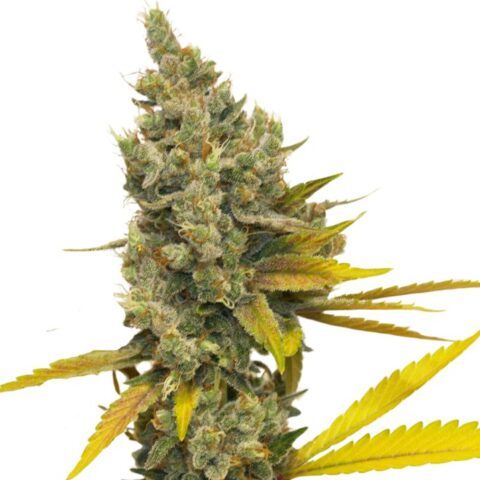
 Lemon OG Kush Cannabis SeedsFrom: $23
- Lemon Kush
- Type: Balanced hybrid
- Aroma and Flavor: Distinct lemon with earthy pine hints
- Effects: Balanced, cerebral stimulation, physical relaxation
- Uses: Depression, anxiety, chronic pain, appetite stimulation
-
 Lemon Kush Cannabis SeedsFrom: $24.99

- Lemon Thai
- Type: Sativa-dominant hybrid
- Aroma and Flavor: Refreshing lemon with tropical and herbal undertones
- Effects: Clear-headed, energetic, enhances focus and creativity
- Uses: Depression, stress, fatigue
-
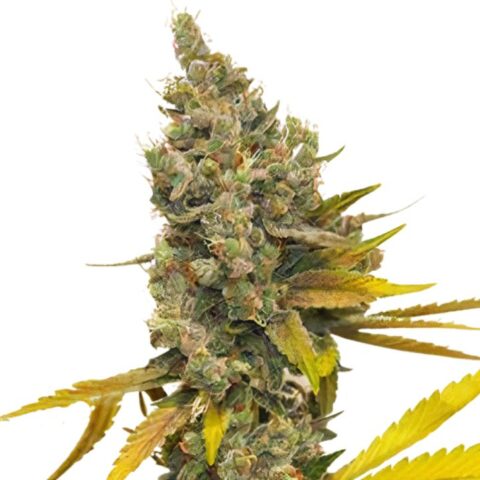
Lemon Thai Cannabis SeedsFrom: $24.99
- Lemon Tree
- Type: Balanced hybrid
- Aroma and Flavor: Strong lemon with diesel and skunky undertones
- Effects: Balanced high, cerebral stimulation, physical relaxation
- Uses: Depression, anxiety, pain relief, appetite stimulation
-
 Lemon Tree Cannabis SeedsFrom: $24.99

- Lemon Diesel
- Type: Indica-dominant hybrid
- Aroma and Flavor: Pronounced lemon with diesel and skunky undertones
- Effects: Relaxing, sedative, calming body buzz
- Uses: Insomnia, chronic pain, stress
-
 Lemon Diesel Cannabis SeedsFrom: $24.99

- Lemon Jack
- Type: Sativa-dominant hybrid
- Aroma and Flavor: Strong lemon with herbal and pine undertones
- Effects: Energetic, euphoric, enhances creativity and focus
- Uses: Depression, stress, fatigue
-
Lemon Jack Cannabis SeedsFrom: $24.99
- Lemon Drop
- Type: Sativa-dominant strain
- Aroma and Flavor: Refreshing lemon with sweet and earthy undertones
- Effects: Energetic, euphoric, enhances focus and creativity
- Uses: Depression, stress, fatigue
-
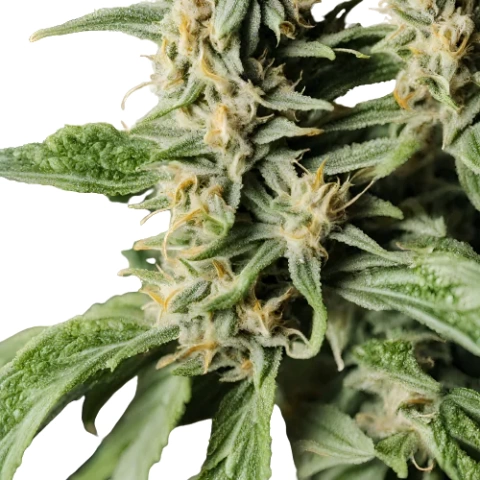
Lemon Drop Cannabis SeedsFrom: $24.99
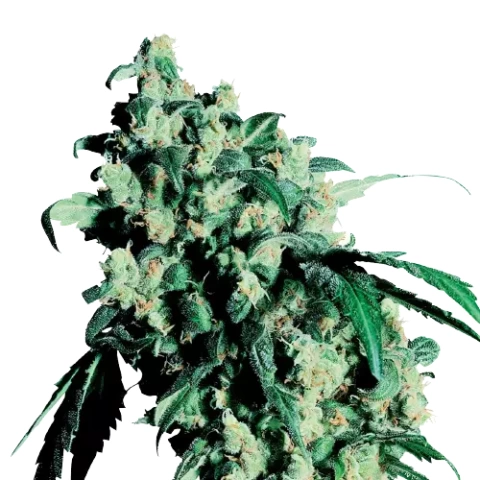
The Best Medical Cannabis Strains with Lemon Smell and Taste in Detail
Introduction
Cannabis strains with a lemon scent and flavor profile are highly sought after for their unique aromatic properties and potential therapeutic benefits. The lemony aroma in cannabis is primarily due to the presence of terpenes like limonene, which is known for its uplifting and mood-enhancing effects. These strains are not only popular among recreational users but also among medical patients seeking relief from various ailments. This comprehensive guide delves into some of the best medical cannabis strains with a lemon smell and taste, exploring their origins, effects, and medicinal uses.
1. Lemon Haze
Origin and Genetics:
Lemon Haze is a sativa-dominant hybrid resulting from the cross between two classic strains, Lemon Skunk and Silver Haze. This strain has gained immense popularity due to its strong lemon scent and potent effects.
Aroma and Flavor:
Lemon Haze is known for its pungent lemon aroma with hints of sweetness and earthiness. The flavor is equally impressive, offering a tangy citrus taste with subtle undertones of spice and sweetness.
Effects:
This strain provides an energetic and euphoric high, making it ideal for daytime use. It enhances creativity, focus, and sociability, which can be beneficial for those dealing with stress and depression.
Medicinal Uses:
Lemon Haze has several medicinal benefits that make it popular among medical cannabis patients. Some of the key medicinal uses include:
- Depression: Lemon Haze’s uplifting and euphoric effects can improve mood and give a sense of happiness and well-being, which can help reduce symptoms of depression.
- Stress and Anxiety: The strain’s ability to enhance mood and promote relaxation makes it effective in reducing stress and anxiety levels. It can help users feel more calm and relaxed without causing sedation.
- Fatigue: Lemon Haze’s energizing effects can combat fatigue and provide a much-needed boost of energy, making it ideal for those dealing with chronic fatigue or low energy levels.
- Pain Relief: While not as potent in pain relief as some indica strains, Lemon Haze does offer mild analgesic properties that can help manage minor aches and pains.
- Appetite Stimulation: Some users report an increase in appetite after consuming Lemon Haze, making it beneficial for those dealing with appetite loss or eating disorders.
Growing Lemon Haze:
Growing Lemon Haze is a somewhat simple strain that can be grown by both inexperienced and seasoned gardeners. It can be cultivated indoors or outdoors and does best in a warm, sunny climate. The following are some essential growth traits:
- Indoor Growing: When grown indoors, Lemon Haze typically takes about 8-9 weeks to flower. The plants can reach a medium height, so growers should ensure they have enough vertical space. The strain responds well to training techniques such as topping and low-stress training (LST), which can help manage its height and increase yield. Indoor growers can expect a yield of around 450-500 grams per square meter.
- Outdoor Growing: Outdoor growers should plant Lemon Haze in a location with plenty of sunlight and a warm climate. The plants can grow taller outdoors, reaching heights of up to 6-7 feet. Harvest time is usually in late October. Outdoor yields can be quite generous, with each plant producing up to 500 grams or more.
- Nutrient Requirements: Lemon Haze requires a balanced nutrient regimen to thrive. During the vegetative stage, it benefits from higher levels of nitrogen, while during the flowering stage, phosphorus and potassium become more important. In order to promote healthy growth and maximum yields, regular feeding with high-quality nutrients and maintenance of appropriate pH levels are essential.
- Pest and Mold Resistance: Lemon Haze is relatively resistant to common pests and molds, making it a robust and resilient strain. However, growers should still monitor their plants regularly and take preventive measures to avoid any potential issues.
2. Super Lemon Haze

Origin and Genetics:
Super Lemon Haze is a sativa-dominant hybrid bred by crossing Lemon Skunk and Super Silver Haze. This award-winning strain has a strong lemon profile that appeals to many users.
Aroma and Flavor:
As the name suggests, Super Lemon Haze exudes a robust lemon aroma with hints of citrus and earthiness. The flavor is a delightful mix of lemon, lime, and sweet candy.
Effects:
Super Lemon Haze delivers a powerful, uplifting high that enhances mood and creativity. It is known for its long-lasting effects and balanced experience.
Medicinal Uses:
Super Lemon Haze has several medicinal benefits that make it popular among medical cannabis patients. Some of the key medicinal uses include:
- Depression: The uplifting and euphoric effects of Super Lemon Haze can help alleviate symptoms of depression by boosting mood and providing a sense of happiness and well-being.
- Stress and Anxiety: The strain’s ability to enhance mood and promote relaxation makes it effective in reducing stress and anxiety levels. Without sedating them, it can make people feel more at ease and comfortable.
- Fatigue: Super Lemon Haze’s energizing effects can combat fatigue and provide a much-needed boost of energy, making it ideal for those dealing with chronic fatigue or low energy levels.
- Pain Relief: While not as potent in pain relief as some indica strains, Super Lemon Haze does offer mild analgesic properties that can help manage minor aches and pains.
- Appetite Stimulation: Some users report an increase in appetite after consuming Super Lemon Haze, making it beneficial for those dealing with appetite loss or eating disorders.
Growing Super Lemon Haze:
Super Lemon Haze is better suited for seasoned gardeners because it is a somewhat challenging strain to cultivate. It can be cultivated indoors or outdoors and does best in a warm, sunny climate. The following are some essential growth traits:
- Indoor Growing: When grown indoors, Super Lemon Haze typically takes about 9-10 weeks to flower. The plants can reach a medium to tall height, so growers should ensure they have enough vertical space. The strain responds well to training techniques such as topping and low-stress training (LST), which can help manage its height and increase yield. Indoor growers can expect a yield of around 600-700 grams per square meter.
- Outdoor Growing: Outdoor growers should plant Super Lemon Haze in a location with plenty of sunlight and a warm climate. The plants can grow quite tall outdoors, reaching heights of up to 6-7 feet. Harvest time is usually in mid to late October. Outdoor yields can be quite generous, with each plant producing up to 800 grams or more.
- Nutrient Requirements: Super Lemon Haze requires a balanced nutrient regimen to thrive. During the vegetative stage, it benefits from higher levels of nitrogen, while during the flowering stage, phosphorus and potassium become more important. Regular feeding with high-quality nutrients and maintaining proper pH levels will help ensure healthy growth and optimal yields.
- Pest and Mold Resistance: Super Lemon Haze is relatively resistant to common pests and molds, making it a robust and resilient strain. However, growers should still monitor their plants regularly and take preventive measures to avoid any potential issues.
3. Lemon Skunk
Origin and Genetics:
Lemon Skunk is a sativa-dominant hybrid created from two distinct Skunk phenotypes with a strong lemon flavor. This strain is celebrated for its potent lemon aroma and balanced effects.
Aroma and Flavor:
Lemon Skunk has a pronounced lemon scent with skunky undertones. The flavor is a mix of tangy lemon and sweet, earthy notes.
Effects:
The high from Lemon Skunk is uplifting and euphoric, promoting creativity and focus. It also offers a relaxing body buzz without causing sedation.
Medicinal Uses:
Lemon Skunk has several medicinal benefits that make it popular among medical cannabis patients. Some of the key medicinal uses include:
- Depression: The uplifting and euphoric effects of Lemon Skunk can help alleviate symptoms of depression by boosting mood and providing a sense of happiness and well-being.
- Stress and Anxiety: The strain’s ability to enhance mood and promote relaxation makes it effective in reducing stress and anxiety levels. It can help users feel more calm and relaxed without causing sedation.
- Fatigue: Lemon Skunk’s energizing effects can combat fatigue and provide a much-needed boost of energy, making it ideal for those dealing with chronic fatigue or low energy levels.
- Pain Relief: While not as potent in pain relief as some indica strains, Lemon Skunk does offer mild analgesic properties that can help manage minor aches and pains.
- Appetite Stimulation: Some users report an increase in appetite after consuming Lemon Skunk, making it beneficial for those dealing with appetite loss or eating disorders.
Growing Lemon Skunk:
Lemon Skunk is a relatively easy strain to grow, making it suitable for both novice and experienced growers. It thrives in a warm, sunny climate and can be grown both indoors and outdoors. Here are some key growing characteristics:
- Indoor Growing: It usually takes 8 to 9 weeks for Lemon Skunk to flower when cultivated inside. Growers need to make sure they have adequate vertical space because the plants can grow to a medium height. Low-stress training (LST) and topping are effective training methods for controlling the strain’s height and boosting production. An indoor grower’s production should be between 400 and 500 grams per square meter.
- Outdoor Growing: Outdoor growers should plant Lemon Skunk in a location with plenty of sunlight and a warm climate. The plants can grow taller outdoors, reaching heights of up to 6-7 feet. Typically, harvest season occurs in late September or early October. Outdoor yields can be quite generous, with each plant producing up to 600 grams or more.
- Nutrient Requirements: Lemon Skunk requires a balanced nutrient regimen to thrive. During the vegetative stage, it benefits from higher levels of nitrogen, while during the flowering stage, phosphorus and potassium become more important. Regular feeding with high-quality nutrients and maintaining proper pH levels will help ensure healthy growth and optimal yields.
- Pest and Mold Resistance: Lemon Skunk is relatively resistant to common pests and molds, making it a robust and resilient strain. However, growers should still monitor their plants regularly and take preventive measures to avoid any potential issues.
4. Lemon OG
Origin and Genetics:
The hybrid known as Lemon OG, or Lemon OG Kush, is an indica-dominant strain that was created by crossing The OG #18 with Las Vegas Lemon Skunk. This strain is well-known for both its powerful effects and rich lemon scent.
Aroma and Flavor:
Lemon OG has a rich lemon scent with earthy and skunky undertones. The flavor is a blend of zesty lemon and spicy, herbal notes.
Effects:
Lemon OG offers a relaxing and sedative high, making it ideal for evening use. It provides a calming body buzz along with a slight cerebral uplift.
Medicinal Uses:
Lemon OG has several medicinal benefits that make it popular among medical cannabis patients. Among the principal medical applications are:
- Insomnia: The sedative effects of Lemon OG can help with sleep disorders such as insomnia. It promotes relaxation and can make it easier to fall asleep and stay asleep.
- Pain Relief: Lemon OG’s strong analgesic properties make it effective for managing chronic pain, including conditions such as arthritis, migraines, and muscle spasms.
- Stress and Anxiety: The strain’s ability to enhance mood and promote relaxation makes it effective in reducing stress and anxiety levels. It can help users feel more calm and relaxed without causing excessive sedation.
- Depression: The uplifting effects of Lemon OG can help alleviate symptoms of depression by boosting mood and providing a sense of happiness and well-being.
- Appetite Stimulation: Some users report an increase in appetite after consuming Lemon OG, making it beneficial for those dealing with appetite loss or eating disorders.
Growing Lemon OG:
Growing Lemon OG is a fairly simple strain that can be grown by both inexperienced and seasoned growers. It can be cultivated indoors or outdoors and does best in a warm, sunny climate. The following are some essential growth traits:
- Indoor Growing: When grown indoors, Lemon OG typically takes about 8-10 weeks to flower. The plants can reach a medium height, so growers should ensure they have enough vertical space. The strain responds well to training techniques such as topping and low-stress training (LST), which can help manage its height and increase yield. Indoor growers can expect a yield of around 450-500 grams per square meter.
- Outdoor Growing: Outdoor growers should plant Lemon OG in a location with plenty of sunlight and a warm climate. The plants can grow taller outdoors, reaching heights of up to 6-7 feet. Harvest time is usually in late October. Outdoor yields can be quite generous, with each plant producing up to 500 grams or more.
- Nutrient Requirements: Lemon OG requires a balanced nutrient regimen to thrive. During the vegetative stage, it benefits from higher levels of nitrogen, while during the flowering stage, phosphorus and potassium become more important. In order to promote healthy growth and maximum yields, regular feeding with high-quality nutrients and maintenance of appropriate pH levels are essential.
- Pest and Mold Resistance: Lemon OG is relatively resistant to common pests and molds, making it a robust and resilient strain. However, growers should still monitor their plants regularly and take preventive measures to avoid any potential issues.
5. Lemon Kush

Origin and Genetics:
Lemon Kush is a balanced hybrid that is believed to be a cross between Master Kush and Lemon Joy. This strain is known for its citrusy aroma and balanced effects.
Aroma and Flavor:
Lemon Kush has a distinct lemon scent with hints of earthy pine. The flavor is a combination of sweet lemon and spicy, herbal notes.
Effects:
The high from Lemon Kush is balanced, providing both cerebral stimulation and physical relaxation. It is known for its mood-enhancing and stress-relieving properties.
Medicinal Uses:
Lemon Kush has several medicinal benefits that make it popular among medical cannabis patients. Some of the key medicinal uses include:
- Depression and Anxiety: The uplifting and mood-enhancing effects of Lemon Kush can help alleviate symptoms of depression and anxiety by boosting mood and promoting a sense of well-being.
- Stress Relief: The strain’s ability to relax both the mind and body makes it effective in reducing stress levels. It can help users feel more calm and relaxed without causing excessive sedation.
- Pain Relief: Lemon Kush offers mild analgesic properties that can help manage minor aches and pains, including headaches, muscle spasms, and chronic pain conditions.
- Appetite Stimulation: Some users report an increase in appetite after consuming Lemon Kush, making it beneficial for those dealing with appetite loss or eating disorders.
- Nausea Relief: The soothing effects of Lemon Kush can also help alleviate nausea, making it a good option for patients undergoing chemotherapy or other treatments that cause nausea.
Growing Lemon Kush:
Growing Lemon Kush is a rather simple strain that can be grown by both inexperienced and seasoned growers. It can be cultivated indoors or outdoors and does best in a warm, sunny climate. The following are some essential growth traits:
- Indoor Growing: When grown indoors, Lemon Kush typically takes about 8-10 weeks to flower. The plants can reach a medium height, so growers should ensure they have enough vertical space. The strain responds well to training techniques such as topping and low-stress training (LST), which can help manage its height and increase yield. Indoor growers can expect a yield of around 450-500 grams per square meter.
- Outdoor Growing: Outdoor growers should plant Lemon Kush in a location with plenty of sunlight and a warm climate. The plants can grow taller outdoors, reaching heights of up to 6-7 feet. Harvest time is usually in late September to early October. Outdoor yields can be quite generous, with each plant producing up to 500 grams or more.
- Nutrient Requirements: Lemon Kush requires a balanced nutrient regimen to thrive. During the vegetative stage, it benefits from higher levels of nitrogen, while during the flowering stage, phosphorus and potassium become more important. Regular feeding with high-quality nutrients and maintaining proper pH levels will help ensure healthy growth and optimal yields.
- Pest and Mold Resistance: Lemon Kush is relatively resistant to common pests and molds, making it a robust and resilient strain. However, growers should still monitor their plants regularly and take preventive measures to avoid any potential issues.
6. Lemon Thai
Origin and Genetics:
Lemon Thai is a sativa-dominant hybrid with a lineage tracing back to Thai and Hawaiian strains. This strain is renowned for its uplifting effects and lemony aroma.
Aroma and Flavor:
Lemon Thai has a refreshing lemon scent with tropical and herbal undertones. The flavor is a blend of citrus, sweet, and earthy notes.
Effects:
Lemon Thai delivers a clear-headed and energetic high, making it ideal for daytime use. It enhances focus, creativity, and sociability.
Medicinal Uses:
Lemon Thai has several medicinal benefits that make it popular among medical cannabis patients. Among the main therapeutic applications are:
- Depression: The uplifting and euphoric effects of Lemon Thai can help alleviate symptoms of depression by boosting mood and providing a sense of happiness and well-being.
- Stress and Anxiety: The strain’s ability to enhance mood and promote relaxation makes it effective in reducing stress and anxiety levels. It can promote more relaxation and calmness in consumers without making them drowsy.
- Fatigue: Lemon Thai’s energizing effects can combat fatigue and provide a much-needed boost of energy, making it ideal for those dealing with chronic fatigue or low energy levels.
- Pain Relief: While not as potent in pain relief as some indica strains, Lemon Thai does offer mild analgesic properties that can help manage minor aches and pains.
- Appetite Stimulation: Some users report an increase in appetite after consuming Lemon Thai, making it beneficial for those dealing with appetite loss or eating disorders.
Lemon Thai is a moderately difficult strain to grow, making it more suitable for experienced growers. It thrives in a warm, sunny climate and can be grown both indoors and outdoors. Here are some key growing characteristics:
- Indoor Growing: When grown indoors, Lemon Thai typically takes about 10-12 weeks to flower. The plants can reach a tall height, so growers should ensure they have enough vertical space. The strain responds well to training techniques such as topping and low-stress training (LST), which can help manage its height and increase yield. Indoor growers can expect a yield of around 450-550 grams per square meter.
- Outdoor Growing: Outdoor growers should plant Lemon Thai in a location with plenty of sunlight and a warm climate. The plants can grow quite tall outdoors, reaching heights of up to 8-10 feet. Harvest time is usually in late October to early November. Outdoor yields can be quite generous, with each plant producing up to 600 grams or more.
- Nutrient Requirements: Lemon Thai requires a balanced nutrient regimen to thrive. During the vegetative stage, it benefits from higher levels of nitrogen, while during the flowering stage, phosphorus and potassium become more important. Regular feeding with high-quality nutrients and maintaining proper pH levels will help ensure healthy growth and optimal yields.
- Pest and Mold Resistance: Lemon Thai is relatively resistant to common pests and molds, making it a robust and resilient strain. However, growers should still monitor their plants regularly and take preventive measures to avoid any potential issues.
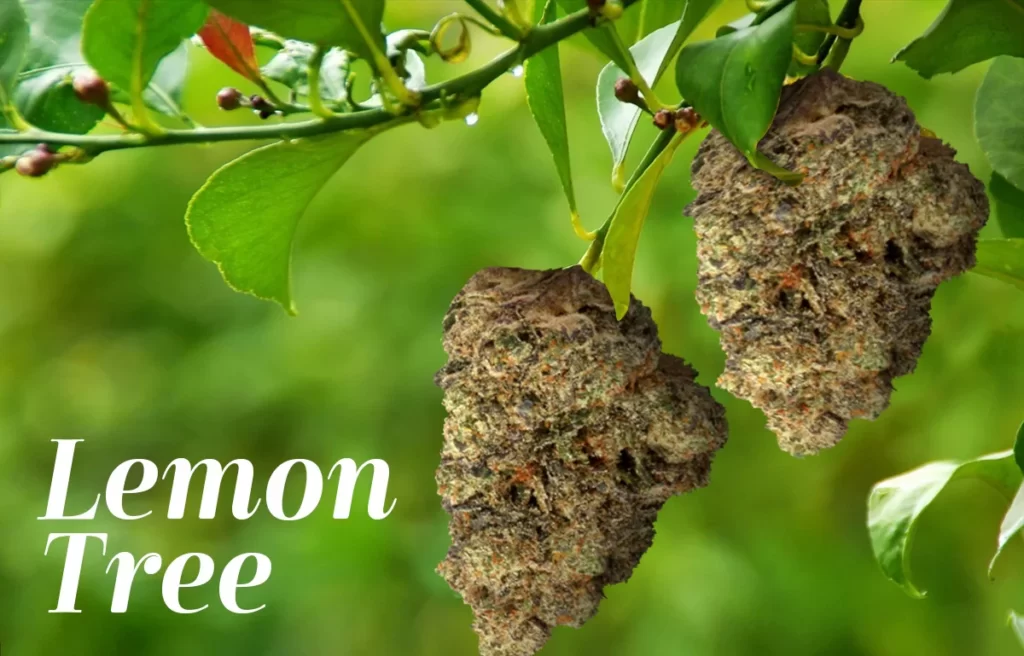
7. Lemon Tree
Origin and Genetics:
Lemon Tree is a balanced hybrid resulting from the cross between Lemon Skunk and Sour Diesel. This strain is known for its potent lemon aroma and well-rounded effects.
Aroma and Flavor:
Lemon Tree has a strong lemon scent with diesel and skunky undertones. The flavor is a mix of tangy lemon and earthy notes.
Effects:
Lemon Tree offers a balanced high, providing both cerebral stimulation and physical relaxation. It is known for its mood-enhancing and stress-relieving properties.
Medicinal Uses:
Lemon Tree has several medicinal benefits that make it popular among medical cannabis patients. Some of the key medicinal uses include:
- Depression and Anxiety: The uplifting and mood-enhancing effects of Lemon Tree can help alleviate symptoms of depression and anxiety by boosting mood and promoting a sense of well-being.
- Stress Relief: The strain’s ability to relax both the mind and body makes it effective in reducing stress levels. It can help users feel more calm and relaxed without causing excessive sedation.
- Pain Relief: Lemon Tree offers mild analgesic properties that can help manage minor aches and pains, including headaches, muscle spasms, and chronic pain conditions.
- Appetite Stimulation: Some users report an increase in appetite after consuming Lemon Tree, making it beneficial for those dealing with appetite loss or eating disorders.
- Nausea Relief: The soothing effects of Lemon Tree can also help alleviate nausea, making it a good option for patients undergoing chemotherapy or other treatments that cause nausea.
Growing Lemon Tree:
Growing lemon tree is a fairly simple strain that can be grown by both inexperienced and seasoned growers. It can be cultivated indoors or outdoors and does best in a warm, sunny climate. The following are some essential growth traits:
- Indoor Growing: When grown indoors, Lemon Tree typically takes about 8-9 weeks to flower. The plants can reach a medium height, so growers should ensure they have enough vertical space. Low-stress training (LST) and topping are effective training methods for controlling the strain’s height and boosting production. An indoor grower’s production should be between 400 and 500 grams per square meter.
- Outdoor Growing: Outdoor growers should plant Lemon Tree in a location with plenty of sunlight and a warm climate. The plants can grow taller outdoors, reaching heights of up to 6-7 feet. Harvest season often occurs in early to late October, or late September. Outdoor yields can be quite generous, with each plant producing up to 600 grams or more.
- Nutrient Requirements: Lemon Tree requires a balanced nutrient regimen to thrive. During the vegetative stage, it benefits from higher levels of nitrogen, while during the flowering stage, phosphorus and potassium become more important. Regular feeding with high-quality nutrients and maintaining proper pH levels will help ensure healthy growth and optimal yields.
- Pest and Mold Resistance: Lemon Tree is relatively resistant to common pests and molds, making it a robust and resilient strain. However, growers should still monitor their plants regularly and take preventive measures to avoid any potential issues.
8. Lemon Diesel
Origin and Genetics:
Lemon Diesel is an indica-dominant hybrid created by crossing California Sour and Lost Coast OG. This strain is celebrated for its lemony aroma and relaxing effects.
Aroma and Flavor:
Lemon Diesel has a pronounced lemon scent with diesel and skunky undertones. The flavor is a blend of tangy lemon and earthy, herbal notes.
Effects:
Lemon Diesel offers a relaxing and sedative high, making it ideal for evening use. It provides a calming body buzz along with a slight cerebral uplift.
Medicinal Uses:
Lemon Diesel has several medicinal benefits that make it popular among medical cannabis patients. Some of the key medicinal uses include:
- Insomnia: The sedative effects of Lemon Diesel can help with sleep disorders such as insomnia. It promotes relaxation and can make it easier to fall asleep and stay asleep.
- Pain Relief: Lemon Diesel’s strong analgesic properties make it effective for managing chronic pain, including conditions such as arthritis, migraines, and muscle spasms.
- Stress and Anxiety: The strain’s ability to enhance mood and promote relaxation makes it effective in reducing stress and anxiety levels. It can help users feel more calm and relaxed without causing excessive sedation.
- Depression: The uplifting effects of Lemon Diesel can help alleviate symptoms of depression by boosting mood and providing a sense of happiness and well-being.
- Appetite Stimulation: Some users report an increase in appetite after consuming Lemon Diesel, making it beneficial for those dealing with appetite loss or eating disorders.
Growing Lemon Diesel:
Growing lemon diesel is a fairly simple strain that can be grown by both inexperienced and seasoned growers. It can be cultivated indoors or outdoors and does best in a warm, sunny climate. The following are some essential growth traits:
- Indoor Growing: When grown indoors, Lemon Diesel typically takes about 8-10 weeks to flower. The plants can reach a medium height, so growers should ensure they have enough vertical space. The strain responds well to training techniques such as topping and low-stress training (LST), which can help manage its height and increase yield. Indoor growers can expect a yield of around 400-500 grams per square meter.
- Outdoor Growing: Outdoor growers should plant Lemon Diesel in a location with plenty of sunlight and a warm climate. The plants can grow taller outdoors, reaching heights of up to 6-7 feet. Harvest time is usually in late September to early October. Outdoor yields can be quite generous, with each plant producing up to 600 grams or more.
- Nutrient Requirements: Lemon Diesel requires a balanced nutrient regimen to thrive. During the vegetative stage, it benefits from higher levels of nitrogen, while during the flowering stage, phosphorus and potassium become more important. Regular feeding with high-quality nutrients and maintaining proper pH levels will help ensure healthy growth and optimal yields.
- Pest and Mold Resistance: Lemon Diesel is relatively resistant to common pests and molds, making it a robust and resilient strain. However, growers should still monitor their plants regularly and take preventive measures to avoid any potential issues.
9. Lemon Jack
Origin and Genetics:
Lemon Jack is a sativa-dominant hybrid resulting from the cross between Jack Herer and Lemon Kush. This strain is known for its lemon aroma and uplifting effects.
Aroma and Flavor:
Lemon Jack has a strong lemon scent with herbal and pine undertones. The flavor is a combination of tangy lemon and sweet, earthy notes.
Effects:
Lemon Jack delivers an energetic and euphoric high, making it ideal for daytime use. It enhances creativity, focus, and sociability.
Medicinal Uses:
Lemon Jack has several medicinal benefits that make it popular among medical cannabis patients. Some of the key medicinal uses include:
- Depression and Anxiety: The uplifting and mood-enhancing effects of Lemon Jack can help alleviate symptoms of depression and anxiety by boosting mood and promoting a sense of well-being.
- Stress Relief: The strain’s ability to relax both the mind and body makes it effective in reducing stress levels. It can help users feel more calm and relaxed without causing excessive sedation.
- Fatigue: Lemon Jack’s energizing effects can combat fatigue and provide a much-needed boost of energy, making it ideal for those dealing with chronic fatigue or low energy levels.
- Pain Relief: While not as potent in pain relief as some indica strains, Lemon Jack does offer mild analgesic properties that can help manage minor aches and pains, including headaches and muscle spasms.
- Appetite Stimulation: Some users report an increase in appetite after consuming Lemon Jack, making it beneficial for those dealing with appetite loss or eating disorders.
Growing Lemon Jack:
Lemon Jack is a relatively easy strain to grow, making it suitable for both novice and experienced growers. It thrives in a warm, sunny climate and can be grown both indoors and outdoors. Here are some key growing characteristics:
- Indoor Growing: When grown indoors, Lemon Jack typically takes about 9-10 weeks to flower. The plants can reach a medium height, so growers should ensure they have enough vertical space. The strain responds well to training techniques such as topping and low-stress training (LST), which can help manage its height and increase yield. Indoor growers can expect a yield of around 450-500 grams per square meter.
- Outdoor Growing: Outdoor growers should plant Lemon Jack in a location with plenty of sunlight and a warm climate. The plants can grow taller outdoors, reaching heights of up to 6-7 feet. Harvest time is usually in late September to early October. Outdoor yields can be quite generous, with each plant producing up to 600 grams or more.
- Nutrient Requirements: Lemon Jack requires a balanced nutrient regimen to thrive. During the vegetative stage, it benefits from higher levels of nitrogen, while during the flowering stage, phosphorus and potassium become more important. Regular feeding with high-quality nutrients and maintaining proper pH levels will help ensure healthy growth and optimal yields.
- Pest and Mold Resistance: Lemon Jack is relatively resistant to common pests and molds, making it a robust and resilient strain. However, growers should still monitor their plants regularly and take preventive measures to avoid any potential issues.
10. Lemon Drop
Origin and Genetics:
Lemon Drop is a sativa-dominant strain with unknown genetics but is celebrated for its citrusy aroma and uplifting effects.
Aroma and Flavor:
Lemon Drop has a refreshing lemon scent with sweet and earthy undertones. The flavor is a blend of tangy lemon and subtle herbal notes.
Effects:
Lemon Drop offers an energetic and euphoric high, making it ideal for daytime use. It enhances focus, creativity, and sociability.
Medicinal Uses:
Lemon Drop has several medicinal benefits that make it popular among medical cannabis patients. Some of the key medicinal uses include:
- Depression and Anxiety: The uplifting and mood-enhancing effects of Lemon Drop can help alleviate symptoms of depression and anxiety by boosting mood and promoting a sense of well-being.
- Stress Relief: The strain’s ability to relax both the mind and body makes it effective in reducing stress levels. It can help users feel more calm and relaxed without causing excessive sedation.
- Fatigue: Lemon Drop’s energizing effects can combat fatigue and provide a much-needed boost of energy, making it ideal for those dealing with chronic fatigue or low energy levels.
- Pain Relief: While not as potent in pain relief as some indica strains, Lemon Drop does offer mild analgesic properties that can help manage minor aches and pains, including headaches and muscle spasms.
- Appetite Stimulation: Some users report an increase in appetite after consuming Lemon Drop, making it beneficial for those dealing with appetite loss or eating disorders.
Growing Lemon Drop:
Growing Lemon Drop is a somewhat simple strain that can be grown by both inexperienced and seasoned growers. It can be cultivated indoors or outdoors and does best in a warm, sunny climate. The following are some essential growth traits:
- Indoor Growing: When grown indoors, Lemon Drop typically takes about 8-9 weeks to flower. The plants can reach a medium height, so growers should ensure they have enough vertical space. The strain responds well to training techniques such as topping and low-stress training (LST), which can help manage its height and increase yield. Indoor growers can expect a yield of around 400-500 grams per square meter.
- Outdoor Growing: Outdoor growers should plant Lemon Drop in a location with plenty of sunlight and a warm climate. The plants can grow taller outdoors, reaching heights of up to 6-7 feet. Harvest time is usually in late September to early October. Outdoor yields can be quite generous, with each plant producing up to 600 grams or more.
- Nutrient Requirements: Lemon Drop requires a balanced nutrient regimen to thrive. During the vegetative stage, it benefits from higher levels of nitrogen, while during the flowering stage, phosphorus and potassium become more important. Regular feeding with high-quality nutrients and maintaining proper pH levels will help ensure healthy growth and optimal yields.
- Pest and Mold Resistance: Lemon Drop is relatively resistant to common pests and molds, making it a robust and resilient strain. However, growers should still monitor their plants regularly and take preventive measures to avoid any potential issues.
Conclusion
Cannabis strains with a lemon smell and taste are favored not only for their delightful aroma but also for their therapeutic benefits. The terpenes responsible for the lemon scent, particularly limonene, contribute to these strains’ uplifting and mood-enhancing effects. Whether you’re seeking relief from depression, anxiety, chronic pain, or insomnia, lemon-scented cannabis strains offer a variety of medicinal benefits.
Strains like Lemon Haze and Super Lemon Haze provide energetic and euphoric highs, making them ideal for daytime use and combating mood disorders and fatigue. On the other hand, strains like Lemon OG and Lemon Diesel offer relaxing and sedative effects suitable for managing pain and insomnia.
Other notable strains such as Lemon Skunk, Lemon Kush, and Lemon Thai provide balanced effects that cater to both cerebral stimulation and physical relaxation, making them versatile options for various medical conditions. Additionally, strains like Lemon Tree, Lemon Jack, and Lemon Drop are excellent choices for those seeking both mental clarity and physical ease.
Incorporating these lemon-flavored strains into your medical cannabis regimen can enhance your quality of life by addressing specific health concerns while offering a pleasant and refreshing experience. As always, it’s essential to consult with a healthcare provider to determine the best strain and dosage for your individual needs.
By exploring and understanding the unique properties of these lemon-scented cannabis strains, medical users can find effective and enjoyable ways to manage their health conditions while enjoying the zesty, citrusy flavors that these strains offer.
