Table of Contents
Tigermelon is a unique and increasingly popular cannabis strain celebrated for its intriguing name, exotic aroma, and potent effects. Renowned for its balanced genetic profile and diverse applications, Tigermelon has carved out a niche in both the medical and recreational cannabis markets. This detailed document will explore its origins, genetics, chemical composition, cultivation, and specific medical and recreational uses.
Origins and Genetics
Tigermelon is a hybrid strain with a slight indica dominance, typically presenting a genetic ratio of 60% indica to 40% sativa. Its lineage stems from two distinguished parent strains:
- Tangerine Haze: A sativa-dominant strain known for its citrusy aroma, uplifting effects, and high THC content.
- Watermelon Zkittlez: An indica-dominant strain famed for its sweet, fruity flavors and deeply relaxing properties.
The combination of these parent strains results in Tigermelon’s balanced characteristics, offering both cerebral stimulation and physical relaxation.
Chemical Profile
Cannabinoids
Tigermelon’s cannabinoid profile is noteworthy for its high THC content, ranging from 18% to 25%, making it a potent strain suitable for experienced users. Its CBD levels are relatively low, usually below 1%, but it may contain trace amounts of other therapeutic cannabinoids such as CBG (cannabigerol) and CBC (cannabichromene).
Terpenes
Terpenes contribute significantly to Tigermelon’s flavor, aroma, and therapeutic effects. The dominant terpenes in this strain include:
- Myrcene: Offers sedative effects and contributes to the strain’s musky, earthy aroma.
- Limonene: Adds a citrusy tang and provides mood-enhancing and stress-relieving properties.
- Caryophyllene: Known for its peppery aroma and potential anti-inflammatory benefits.
- Linalool: Provides floral undertones and aids in relaxation.
This combination of terpenes gives Tigermelon its unique profile, characterized by a sweet, fruity, and slightly spicy aroma with hints of citrus and earth.
Appearance, Aroma, and Flavor
Appearance
Tigermelon buds are visually striking, featuring a dense structure typical of indica strains. The nugs are medium to large-sized, with a bright green hue accented by purple undertones and fiery orange pistils. A generous coating of trichomes gives the buds a frosty, sticky appearance, indicative of their potency.
Aroma
The aroma of Tigermelon is a delightful blend of tropical fruits and earthy musk. The initial scent is reminiscent of ripe watermelon and citrus, followed by subtle spicy and herbal notes.
Flavor
When consumed, Tigermelon delivers a smooth and flavorful experience. Users often describe its taste as a medley of sweet melon, tangy citrus, and a hint of peppery spice, with an earthy finish on the exhale.
Effects and Benefits
Recreational Effects
Tigermelon’s balanced effects make it a versatile choice for recreational users. The experience typically unfolds in three phases:
- Cerebral Stimulation: The high begins with an uplifting cerebral buzz, enhancing mood, creativity, and sociability. This phase is ideal for daytime activities that require focus and inspiration.
- Euphoria: As the high progresses, users often experience a sense of euphoria, characterized by laughter, lightheartedness, and a general feeling of well-being.
- Physical Relaxation: The indica properties eventually take over, inducing a soothing body high that promotes relaxation without causing excessive sedation.
Medical Applications
Tigermelon is prized for its therapeutic potential, addressing a range of physical and psychological conditions:
- Chronic Pain: The strain’s potent THC levels and anti-inflammatory terpenes make it effective for managing conditions such as arthritis, migraines, and muscle spasms.
- Stress and Anxiety: The uplifting and calming effects help reduce stress and anxiety, making it suitable for individuals with Generalized Anxiety Disorder (GAD) or situational stress.
- Depression: The mood-enhancing properties provide temporary relief from symptoms of depression, offering a sense of motivation and positivity.
- Insomnia: While not overly sedating, Tigermelon’s relaxing properties can help users unwind and achieve restful sleep.
- Appetite Stimulation: Like many high-THC strains, Tigermelon may induce the “munchies,” aiding individuals with appetite loss due to medical treatments or conditions.
Cultivation
Cultivating Tigermelon cannabis requires a detailed understanding of its growth requirements and the application of advanced agricultural techniques to maximize yield and potency. Below is a comprehensive guide to its cultivation, from genetics to post-harvest handling.

Genetic Considerations
- Phenotype Stability: Tigermelon hybrid nature means that it can exhibit varying phenotypes depending on the specific seed batch. Stabilized seeds or clones are preferred for consistent traits.
- Growth Characteristics: It is a medium-height plant with dense, indica-leaning foliage and sativa-influenced elongated buds. This mixed profile requires adaptable care strategies.
Growing Environment
- Climate Preferences:
- Optimal in a Mediterranean-like climate.
- Thrives in temperatures between 70\u00b0F and 85\u00b0F (21\u00b0C to 29\u00b0C).
- Relative Humidity (RH):
- Vegetative Stage: 50\u201370%.
- Flowering Stage: 40\u201350% to reduce mold risks.
- Indoor Cultivation:
- Grow Medium: Hydroponics or organic soil, with soil preferred for terpene-rich profiles.
- Lighting:
- Vegetative stage: 18\u20136 light/dark cycle with 400\u2013700 PAR (Photosynthetically Active Radiation).
- Flowering stage: 12\u201312 light/dark cycle with higher red spectrum lighting (660 nm wavelength).
- Ventilation: Requires good airflow to prevent mold and ensure even canopy development.
- Outdoor Cultivation:
- Site Selection: Choose locations with ample sunlight (10\12 hours/day).
- Soil: Sandy loam with pH levels of 6.0\u20136.8.
- Rainfall: Moderate rainfall is tolerable, but irrigation systems are preferred for control.
Nutrient and Watering Requirements
- Nutrient Profile:
- Vegetative Stage:
- Nitrogen (N): High levels to support leaf growth.
- Phosphorus (P): Moderate levels for root development.
- Potassium (K): Moderate levels for overall vigor.
- Flowering Stage:
- Nitrogen: Reduced to prevent excessive foliage.
- Phosphorus and Potassium: Increased to support bud growth and resin production.
- Micronutrients: Magnesium, calcium, and sulfur are critical for enzymatic and structural development.
- Vegetative Stage:
- Watering:
- Drip irrigation systems are ideal for consistent moisture without waterlogging.
- Allow soil to dry slightly between waterings to encourage root growth and oxygenation.
- pH Management:
- Soil or hydroponic solution pH should be checked regularly to ensure optimal nutrient absorption.
- Corrective measures include lime (for acidic soils) or sulfur (for alkaline soils).
Growth Stages
- Germination:
- Temperature: Maintain between 70\u00b0F and 80\u00b0F (21\u00b0C\u201327\u00b0C).
- Method: Soak seeds for 12 hours, then germinate in moist paper towels or directly in a growth medium.
- Vegetative Stage:
- Duration: 4/6 weeks.
- Focus: Development of strong stems and abundant leaves to support flowering.
- Techniques: Topping, LST (Low-Stress Training), and SCROG (Screen of Green) to maximize canopy spread.
- Flowering Stage:
- Duration: 8/10 weeks.
- Focus: Bud development, trichome production, and terpene enhancement.
- Techniques:
- Defoliation to improve light penetration.
- Supplemental CO2 to boost photosynthesis and yield.
- Harvesting:
- Timing: Harvest when trichomes shift from clear to milky with amber coloration.
- Tools: Sterile scissors or trimmers to minimize contamination.
Pest and Disease Management
- Common Pests:
- Spider Mites: Controlled with neem oil or predatory insects like ladybugs.
- Aphids: Managed through insecticidal soaps or biological control agents.
- Fungus Gnats: Reduced with proper watering practices and sticky traps.
- Diseases:
- Powdery Mildew: Prevented with proper airflow and treated with sulfur-based fungicides.
- Root Rot: Avoided through well-draining soil and careful watering.
- Botrytis (Bud Rot): Controlled by maintaining low humidity during flowering.
Advanced Cultivation Techniques
- Hydroponics:
- Delivers nutrients directly to roots for faster growth.
- Requires precise monitoring of nutrient solution EC (Electrical Conductivity) and pH.
- SOG (Sea of Green):
- Maximizes yield by growing many small plants with a short vegetative period.
- Ideal for indoor growers with limited space.
- Organic Cultivation:
- Enhances flavor and terpene profile by using compost, worm castings, and natural fertilizers.
- Promotes soil health through microbial diversity.
Post-Harvest Handling
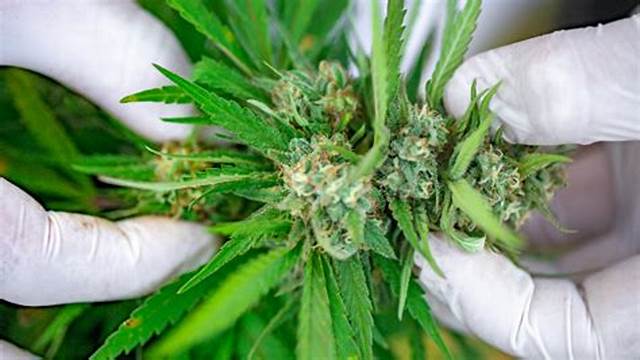
- Drying:
- Environment: Dark room with 50% RH and 60\u00b0F\u201370\u00b0F (15\u00b0C\u201321\u00b0C).
- Duration: 7 days or until stems snap rather than bend.
- Curing:
- Place dried buds in airtight containers, opening daily to release moisture (burping) for the first 2 weeks.
- Curing enhances flavor, potency, and terpene stability over 3\6 weeks.
- Storage:
- Conditions: Store in a cool, dark place with RH.
- Containers: Use glass jars with humidity packs for long-term preservation.
Scientific Insights
- Cannabinoid and Terpene Enhancement:
- Higher phosphorus and potassium during flowering increase trichome density.
- Stressing plants lightly (e.g., reducing water) in the final week may boost resin production.
- UV-B lighting can stimulate terpene biosynthesis.
- Yield Optimization:
- CO2 supplementation can increase photosynthesis efficiency, resulting in higher yields.
- Balanced nutrient feed prevents deficiencies that can stunt growth or reduce potency.
- Environmental Control:
- Precise temperature and humidity regulation ensures maximum terpene retention and cannabinoid stability.
- Sudden fluctuations can stress plants, reducing yield and quality.
Maintenance
Regular pruning and training techniques, such as topping and Low-Stress Training (LST), are recommended to promote airflow and light penetration. Tigermelon is relatively resistant to pests and mold but requires careful monitoring to prevent nutrient deficiencies or overfeeding.
Scientific Insights
Pharmacological Properties
The high THC content in Tigermelon interacts with the body’s endocannabinoid system (ECS), primarily binding to CB1 receptors in the brain. This interaction results in the strain’s psychoactive and therapeutic effects, such as pain relief, mood enhancement, and appetite stimulation. The presence of minor cannabinoids like CBG may contribute additional anti-inflammatory and neuroprotective benefits.
Terpene Synergy
The entourage effect suggests that the cannabinoids and terpenes in Tigermelon work synergistically to enhance its therapeutic potential. For example:
- Myrcene amplifies the sedative effects of THC.
- Caryophyllene’s ability to bind with CB2 receptors may provide additional anti-inflammatory benefits.
- Limonene enhances mood and reduces anxiety.
Potential Side Effects
While generally well-tolerated, Tigermelon may cause side effects, particularly in high doses:
- Dry Mouth and Eyes: Common among cannabis users, these symptoms can be mitigated with hydration and eye drops.
- Dizziness: May occur in novice users or those sensitive to THC.
- Paranoia and Anxiety: Rare, but possible with excessive consumption.
Specific Uses and Recommendations
Medical Uses
- Chronic Pain: Use a vaporizer or edibles for sustained relief.
- Stress Relief: Inhalation methods like smoking or vaping provide rapid onset of calming effects.
- Sleep Aid: Consuming Tigermelon in the evening, particularly as an edible or tincture, can promote restful sleep.
Recreational Uses
- Social Gatherings: Its uplifting effects make it ideal for socializing and group activities.
- Creative Pursuits: Artists and writers may find Tigermelon helpful for overcoming creative blocks.
- Outdoor Adventures: The energizing cerebral effects enhance outdoor experiences, such as hiking or picnics.
Methods of Ingestion, Duration, Onset, and Effects of Tigermelon Cannabis Strain
Methods of Ingestion
The method of consuming Tigermelon significantly influences its onset time, duration, and effects. Each method has distinct characteristics:
- Smoking:
- Description: Traditional method using a joint, pipe, or bong.
- Onset: Immediate to 5 minutes.
- Duration: 2–3 hours.
- Advantages: Rapid onset, easy to control dosage.
- Disadvantages: Potential respiratory irritation from smoke.
- Vaping:
- Description: Inhalation of vaporized cannabis flower or concentrate using a vaporizer.
- Onset: Immediate to 3 minutes.
- Duration: 2–4 hours.
- Advantages: Quicker onset than edibles, less harsh on the lungs compared to smoking.
- Disadvantages: Requires specific equipment.
- Edibles:
- Description: Cannabis-infused foods, beverages, or capsules.
- Onset: 30 minutes to 2 hours.
- Duration: 6–8 hours.
- Advantages: Long-lasting effects, discreet consumption.
- Disadvantages: Delayed onset can lead to overconsumption.
- Sublingual (Tinctures and Oils):
- Description: Droplets placed under the tongue for direct absorption.
- Onset: 15–45 minutes.
- Duration: 4–6 hours.
- Advantages: Precise dosing, avoids the digestive system for faster effects.
- Disadvantages: Taste can be unpleasant for some.
- Topicals:
- Description: Lotions, balms, or patches infused with cannabis applied to the skin.
- Onset: 15 minutes to 1 hour (localized effects only).
- Duration: 4–6 hours.
- Advantages: Non-psychoactive for most formulations, effective for localized pain and inflammation.
- Disadvantages: Limited to surface-level application.
- Dabbing:
- Description: Heating a cannabis concentrate (like wax or shatter) on a hot surface and inhaling the vapor.
- Onset: Almost immediate.
- Duration: 2–3 hours.
- Advantages: Potent effects, quick relief.
- Disadvantages: High THC levels may not be suitable for beginners.
Duration and Onset
The duration and onset of Tigermelon’s effects depend heavily on the chosen method of ingestion:
| Method | Onset Time | Peak Effects | Total Duration |
|---|---|---|---|
| Smoking | 0–5 minutes | 20–60 minutes | 2–3 hours |
| Vaping | 0–3 minutes | 15–45 minutes | 2–4 hours |
| Edibles | 30–120 minutes | 2–4 hours | 6–8 hours |
| Sublingual | 15–45 minutes | 1–3 hours | 4–6 hours |
| Topicals | 15 minutes–1 hour | Variable (localized only) | 4–6 hours (non-systemic) |
| Dabbing | Almost immediate | 15–45 minutes | 2–3 hours |
Effects
Tigermelon effects are influenced by its THC content, terpene profile, and dosage. These effects can be categorized into onset, peak, and aftereffects phases.
- Onset Effects (Within minutes to hours, depending on the method):
- Euphoric uplift and improved mood.
- Enhanced creativity and focus (mild cerebral stimulation).
- Initial lightheadedness or tingling, especially in new users.
- Peak Effects (15–120 minutes after onset):
- Deep relaxation without full sedation (ideal for stress relief).
- Heightened sensory perception, making activities like music or art more enjoyable.
- Mellow yet clear-headed effects (balanced indica-sativa nature).
- In some cases, “the munchies,” stimulating appetite.
- Aftereffects:
- Gradual return to baseline with lingering relaxation.
- Potential mild sedation, particularly if consumed in larger quantities or closer to bedtime.
Scientific Breakdown of Effects

- Cerebral Effects:
- Mechanism: THC binds to CB1 receptors in the brain, influencing neurotransmitter release (e.g., dopamine) and creating euphoria and mood enhancement.
- Terpenes Involved:
- Limonene: Enhances mood and reduces anxiety.
- Caryophyllene: Combats stress through CB2 receptor interaction.
- Physical Effects:
- Mechanism: THC and minor cannabinoids (like CBG) interact with peripheral CB1 and CB2 receptors, providing analgesic and anti-inflammatory effects.
- Terpenes Involved:
- Myrcene: Contributes to physical relaxation and mild sedation.
- Linalool: Promotes calmness and muscle relaxation.
- Psychological Effects:
- Balanced by THC psychoactive properties and the modulating influence of terpenes.
- Users report reduced intrusive thoughts and enhanced focus, making it suitable for managing mild to moderate anxiety or depression.
Considerations for Optimal Use
- Tolerance and Experience:
- Beginners should start with low doses due to Tigermelon high THC content (up to 25%).
- Experienced users may enjoy higher doses for more profound relaxation or recreational experiences.
- Combining Methods:
- Pairing methods (e.g., sublingual for quick onset + edible for long-lasting effects) can tailor the experience.
- Avoid combining high doses to mitigate side effects like paranoia or dizziness.
- Best Use Cases:
- Daytime Use: Moderate doses for creative or social activities (via smoking or vaping).
- Evening Use: Higher doses for unwinding or sleep aid (via edibles or tinctures).
Consumer Tips
- Dosage: Start with a low dose, especially for new users, to gauge individual tolerance.
- Consumption Methods: Tigermelon is versatile and can be enjoyed through smoking, vaping, edibles, or tinctures.
- Storage: Store in an airtight container away from light and heat to preserve potency and flavor.
Conclusion
Tigermelon stands out as a versatile and potent cannabis strain that caters to a wide range of users. Its balanced effects, delightful flavor profile, and therapeutic potential make it a valuable addition to both medical and recreational cannabis markets. Whether you’re seeking relief from chronic pain, a boost in creativity, or a moment of relaxation, Tigermelon offers a tailored experience to suit diverse needs.
For a complete directory of cultivars, visit our Cannabis Strain Reviews.
