Table of Contents
The Truth is a hybrid cannabis strain that has garnered attention for its balanced effects and robust cannabinoid profile. Known for its lineage stemming from a three-way cross between Triangle Kush, SFV OG (San Fernando Valley OG), and Chemdawg, The Truth embodies the best qualities of its parent strains. This strain boasts a harmonious blend of uplifting cerebral effects and soothing physical relaxation, making it appropriate for both recreational and medical applications.
This document explores the detailed scientific background, chemical composition, and specific applications of The Truth, highlighting its potential in medical therapy and recreational settings.
1. Genetic Lineage and Background
Parent Strains:
- Triangle Kush: An indica-dominant hybrid with origins in Florida, known for its potent THC levels and earthy, citrus flavor.
- SFV OG: A phenotype of OG Kush renowned for its pine and lemon aroma, offering pain relief and stress reduction.
- Chemdawg: A legendary strain famous for its sharp diesel aroma, high potency, and uplifting effects.
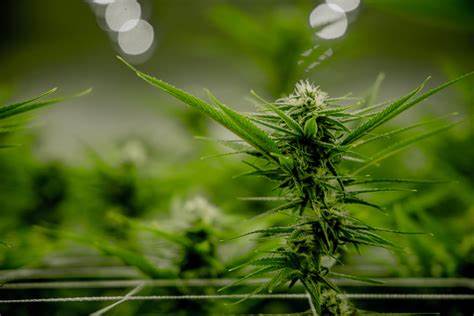
Phenotype and Cultivation: The Truth typically grows into medium-sized plants with dense, resinous buds. Its foliage often exhibits a mix of deep green and purple hues, especially when cultivated in cooler climates. The strain’s trichome-rich appearance is indicative of its high cannabinoid and terpene content, making it a favorite among growers seeking potent yields.
Ideal growing conditions include a controlled environment with consistent light cycles and humidity levels. The strain flowers within 8-10 weeks indoors, producing substantial yields of aromatic and flavorful buds.
2. Chemical Composition
Primary Cannabinoids:
- THC: Typically ranges between 18-24%, providing potent psychoactive effects and therapeutic benefits.
- CBD: Trace amounts (<1%), offering minimal psychoactivity but potentially enhancing the entourage effect.
- CBG (Cannabigerol): Detected in minor quantities, contributing to anti-inflammatory and neuroprotective properties.
Terpene Profile:
- Myrcene: Dominant terpene, responsible for the strain’s earthy and musky aroma, with sedative properties.
- Limonene: Adds zesty flavors and encourages stress reduction and mood enhancement.
- Caryophyllene: Renowned for both its possible anti-inflammatory properties and its spicy, peppery aroma.
- Pinene: Contributes to a pine-like aroma, enhancing focus and respiratory health.
3. Medical Applications
The Truth’s balanced effects make it a versatile option for treating a range of medical conditions. Its ability to combine cerebral stimulation with physical relaxation is particularly beneficial for individuals seeking cures for physical and mental illnesses.

A. Neurological and Psychological Benefits
- Anxiety and Stress:
- The calming effects of myrcene and limonene, coupled with moderate THC levels, help reduce stress and anxiety without overwhelming the user.
- Regular microdoses can help maintain a relaxed state throughout the day.
- Depression:
- The uplifting cerebral effects induced by limonene make it effective for alleviating depressive symptoms.
- Users often report improved mood and a more optimistic outlook.
- PTSD (Post-Traumatic Stress Disorder):
- The strain’s ability to relax the mind while maintaining mental clarity is beneficial for PTSD patients experiencing intrusive thoughts or hypervigilance.
- Insomnia:
- Higher doses promote deep relaxation, making it easier for users to fall and stay asleep. This is particularly beneficial for individuals with insomnia related to stress or chronic pain.
B. Chronic Pain and Inflammation
- Arthritis and Joint Pain:
- Caryophyllene’s anti-inflammatory properties, combined with THC’s analgesic effects, provide significant relief from arthritis and other inflammatory conditions.
- Neuropathic Pain:
- Effective in managing nerve-related pain, such as sciatica or diabetic neuropathy, due to its interaction with the body’s endocannabinoid system.
- Migraines:
- The Truth’s balanced profile helps alleviate migraine symptoms by reducing pain and stress simultaneously.
C. Appetite Stimulation and Gastrointestinal Relief
- Loss of Appetite:
- THC’s interaction with CB1 receptors can stimulate appetite, making it suitable for individuals undergoing chemotherapy or experiencing eating disorders.
- Nausea:
- The antiemetic properties of cannabinoids make The Truth a good choice for patients dealing with nausea due to medication or gastrointestinal conditions.
D. Neurological Disorders
- Epilepsy:
- While low in CBD, the strain may complement other high-CBD products in managing seizures.
- Parkinson’s Disease:
- THC and minor cannabinoids may help reduce tremors and improve motor function.
4. Recreational Uses
The Truth offers a well-rounded experience that appeals to both novice and seasoned users. Its effects typically unfold in three phases:
A. Cerebral Euphoria
- Users often experience an initial head rush characterized by heightened focus, creativity, and an uplifted mood.
- This phase is ideal for social activities, artistic pursuits, or brainstorming sessions.
B. Physical Relaxation
- The body high follows, bringing a sense of calm and relaxation without inducing couch lock.
- Suitable for light physical activities such as yoga, hiking, or even chores.
C. Balanced Conclusion
- As the effects taper off, users are left in a state of contentment, often described as peaceful and introspective.
- This makes The Truth an excellent choice for unwinding after a busy day.
Flavor and Aroma Profile:
- Aroma: Earthy and piney with hints of citrus and spice.
- Flavor: A blend of herbal, lemony, and diesel notes with a smooth, peppery aftertaste.
5. Scientific Insights and Mechanisms of Action
A. Endocannabinoid System Interaction
The Truth’s cannabinoids interact with CB1 and CB2 receptors in the endocannabinoid system (ECS):
- CB1 Receptors: Primarily found in the brain and central nervous system, these mediate THC’s psychoactive effects and its ability to reduce pain and improve mood.
- CB2 Receptors: Found in peripheral tissues, these play a role in modulating inflammation and immune responses.
B. Entourage Effect
The combined action of cannabinoids and terpenes in The Truth enhances its therapeutic potential through the entourage effect. For instance:
- Myrcene amplifies THC’s sedative effects.
- Limonene synergizes with THC to elevate mood and reduce anxiety.
- Caryophyllene directly activates CB2 receptors, providing anti-inflammatory benefits.
C. Pharmacokinetics
- Onset: Effects are typically felt within 5-10 minutes of inhalation or 30-60 minutes of oral consumption.
- Duration: Lasts 2-4 hours for inhalation and 4-8 hours for oral consumption.
6. Potential Side Effects
While The Truth is generally well-tolerated, some users may experience side effects, especially with higher doses:
- Dry Mouth and Eyes: Common but manageable with hydration and eye drops.
- Dizziness: Can occur in novice users or those sensitive to THC.
- Anxiety or Paranoia: Rare, but more likely with excessive consumption or in individuals predisposed to anxiety.
- Sedation: Beneficial for some but may interfere with daytime productivity in others.
7. Usage Recommendations
A. Dosage Guidelines
- Beginner Users: Start with 2.5-5 mg of THC (low dose) via vaping or edibles.
- Intermediate Users: 10-15 mg THC for a balanced effect.
- Experienced Users: Up to 25 mg THC for a stronger experience.
Methods of Ingestion, Duration, Onset, and Effects of The Truth Cannabis Strain
1. Methods of Ingestion
The method of consuming cannabis greatly influences its onset, duration, and intensity of effects. Here’s a detailed look at how The Truth can be ingested:
A. Smoking
- Process: Combustion of dried flower material using a joint, pipe, or bong.
- Advantages:
- Rapid onset of effects (typically within 2-10 minutes).
- Allows users to titrate their dose effectively, as the effects build quickly.
- Full flavor and aroma profile, showcasing the strain’s terpenes like myrcene, limonene, and caryophyllene.
- Drawbacks:
- Seeking cures for physical and mental illnesses.
- Shorter duration of effects compared to other methods (approximately 2-3 hours).
B. Vaping
- Process: Heating cannabis flower or concentrates to release cannabinoids and terpenes as vapor.
- Advantages:
- Rapid onset (similar to smoking).
- Decreased exposure to toxic combustion byproducts.
- Enhanced flavor profile due to the preservation of terpenes.
- Drawbacks:
- Requires specialized equipment (vaporizers).
- Effects may be slightly milder compared to smoking, depending on the device used.
C. Edibles
- Process: Cannabis-infused foods or beverages deliver cannabinoids through ingestion.
- Advantages:
- Long-lasting effects (up to 8 hours or more).
- Discreet consumption method with no odor or visible smoke.
- Drawbacks:
- Slower onset of effects (30-90 minutes), which may lead to overconsumption by inexperienced users.
- Effects are generally more intense due to the conversion of THC into 11-hydroxy-THC in the liver, a more potent psychoactive compound.
D. Sublinguals (Tinctures and Oils)
- Process: Cannabis extracts are absorbed under the tongue, bypassing the digestive system.
- Advantages:
- Faster onset than edibles (15-30 minutes).
- Precise dosing is easier to achieve.
- Discreet and odorless.
- Drawbacks:
- Effects may be milder compared to inhalation.
- The taste of tinctures is disagreeable to some users.
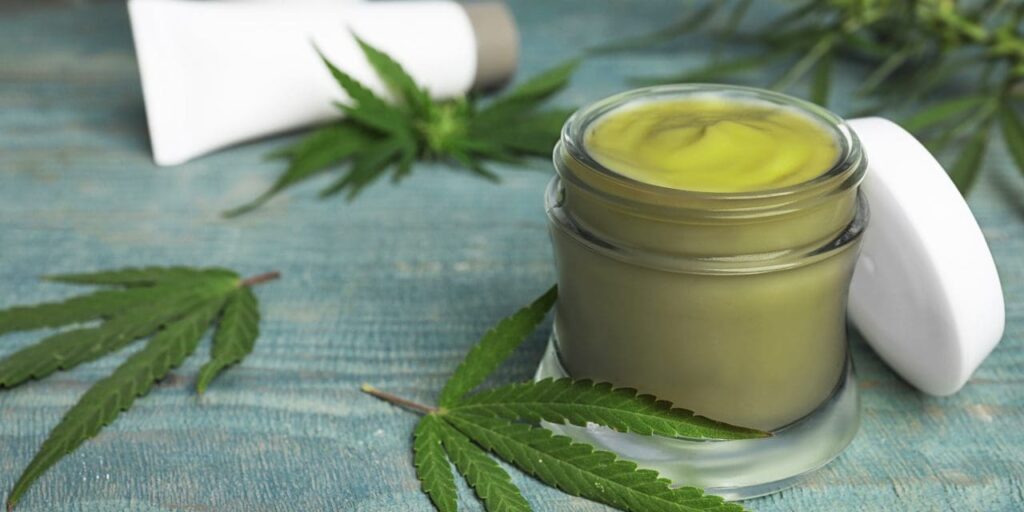
E. Topicals
- Process: Creams, balms, or patches infused with cannabis are applied to the skin.
- Advantages:
- Non-psychoactive; cannabinoids like THC and CBD act locally to reduce pain and inflammation.
- Ideal for arthritis or localized muscle pain.
- Drawbacks:
- No systemic psychoactive effects; limited to topical relief.
2. Duration and Onset
A. Smoking/Vaping
- Onset: 2-10 minutes.
- Peak Effects: 20-30 minutes after inhalation.
- Duration: 2-3 hours.
- Notes: Ideal for those needing immediate relief from pain, anxiety, or stress.
B. Edibles
- Onset: 30-90 minutes (depending on metabolism and stomach contents).
- Peak Effects: 2-4 hours post-ingestion.
- Duration: 6-8 hours, with residual effects possibly lasting longer.
- Notes: Best for long-lasting relief from chronic pain or insomnia. Requires caution with dosing due to delayed onset.
C. Sublinguals
- Onset: 15-30 minutes.
- Peak Effects: 1-2 hours.
- Duration: 4-6 hours.
- Notes: Offers a balance between rapid onset and prolonged effects. Suitable for users seeking consistent relief.
D. Topicals
- Onset: 5-30 minutes.
- Duration: 2-6 hours (localized relief).
- Notes: No psychoactive effects; ideal for physical ailments rather than mental health needs.
3. Effects of The Truth Cannabis Strain
The Truth cannabis strain offers a unique blend of effects due to its hybrid nature and balanced cannabinoid and terpene profile. The experience is divided into several phases:
A. Cerebral Effects (Initial Phase)
- Timeline: Within minutes of smoking/vaping or after the onset from edibles/tinctures.
- Effects:
- A euphoric head rush marked by enhanced focus and creativity.
- Users report feelings of clarity and mental upliftment.
- Enhanced sensory perception, making activities like music and art more engaging.
B. Physical Relaxation (Middle Phase)
- Timeline: 20-40 minutes after onset (smoking/vaping) or 2-3 hours post-ingestion (edibles).
- Effects:
- A calming body high that melts away tension and discomfort.
- Relief from physical ailments such as chronic pain, muscle soreness, or inflammation.
- Balanced relaxation without excessive sedation (depending on dose).
C. Long-Term Calm (End Phase)
- Timeline: 1-2 hours post-onset for inhalation methods; 4-6 hours for edibles and tinctures.
- Effects:
- A gradual tapering of effects, leaving users in a peaceful and introspective state.
- Promotes restfulness, making it ideal for evening use in higher doses.
- Enhanced mood persists even after the psychoactive effects subside.
Scientific Considerations
A. Cannabinoid Interactions with ECS
- THC (Tetrahydrocannabinol):
- Binds to CB1 receptors in the brain, inducing psychoactive effects such as euphoria, mood elevation, and pain relief.
- In higher doses, it can cause sedation or paranoia, highlighting the importance of dosing.
- CBD (Cannabidiol):
- Though present in trace amounts in The Truth, it may counteract some of THC’s adverse effects like anxiety.
- Works synergistically to enhance therapeutic benefits (entourage effect).
B. Terpene Contributions

- Myrcene:
- Enhances sedation and relaxation.
- Works as a muscle relaxant and may prolong THC’s effects.
- Limonene:
- Elevates mood and counters stress.
- Has potential antidepressant and anti-anxiety properties.
- Caryophyllene:
- Anti-inflammatory properties and unique ability to bind directly to CB2 receptors.
- May provide relief for inflammatory and neuropathic pain.
- Pinene:
- Counteracts THC-induced memory impairment and improves focus.
- Anti-inflammatory and bronchodilatory effects support respiratory health.
4. Combining Methods for Synergistic Effects
Some users experiment with multiple ingestion methods to tailor the onset and duration of effects. For example:
- Smoking or vaping for immediate relief while waiting for the delayed but longer-lasting effects of edibles.
- Using topicals for localized pain while relying on tinctures or edibles for systemic relief.
Cultivating the Tiger Woods Cannabis Strain
Cultivating the Tiger Woods strain requires attention to its genetic characteristics, environmental needs, and optimal growth conditions to maximize yield, potency, and terpene profile. Below is a comprehensive guide to its cultivation, enriched with scientific insights.
Optimal Growing Conditions
- Climate Requirements
- Temperature: Tiger Woods thrives in a warm, Mediterranean-like climate, with daytime temperatures between 70-85°F (21-29°C). Extreme heat or cold can stress the plant, reducing yield and potency.
- Humidity:
- Vegetative Stage: 50-70% relative humidity (RH) is ideal to encourage vigorous growth.
- Flowering Stage: Humidity should be reduced to 40-50% RH to prevent mold and mildew, especially since this strain produces dense, resin-coated buds.
- Airflow: Good airflow is essential to minimize the risk of pests and fungal infections. Oscillating fans and proper spacing between plants can help.
- Light Requirements
- Indoor Cultivation:
- In the vegetative phase, provide 18-24 hours of light per day using full-spectrum LEDs or high-pressure sodium (HPS) lights.
- During the flowering phase, shift to a 12/12 light cycle (12 hours light, 12 hours dark) to trigger bud development.
- Outdoor Cultivation: Ensure the plant receives at least 6-8 hours of direct sunlight daily for optimal growth.
- Indoor Cultivation:
- Soil and Mediums
- Soil: A well-aerated, nutrient-rich organic soil is preferred. Amendments such as bat guano, kelp meal, and worm castings can enhance terpene development.
- Hydroponics: This method allows precise control over nutrient delivery and water uptake, potentially accelerating growth.
- pH Range: Maintain a pH of 6.0-6.5 in soil and 5.5-6.0 in hydroponics to ensure nutrient availability.
Growth Phases and Care
- Seed Germination
- Temperature: Keep the medium at 70-75°F (21-24°C) with a humidity dome to retain moisture.
- Light: Use low-intensity light (e.g., fluorescent or LED) to prevent heat stress on delicate seedlings.
- Duration: Seeds typically germinate within 3-7 days.
- Vegetative Stage
- Nutrient Needs: During this phase, Tiger Woods requires higher levels of nitrogen (N) for vigorous leaf and stem growth. Use a nutrient mix with an NPK ratio like 3-1-2.
- Pruning: Regular pruning and topping help shape the plant, promote airflow, and maximize light penetration.
- Growth Rate: Expect rapid growth during this stage, with plants potentially reaching 2-4 feet indoors and 6+ feet outdoors if left untopped.
- Flowering Stage
- Triggering Flowering: Indoor growers initiate this phase by switching to a 12/12 light cycle. Outdoor growers must monitor the natural light cycle, as flowering begins as days shorten.
- Nutrient Needs: Shift to a phosphorus (P) and potassium (K)-rich fertilizer, such as 1-3-4, to support bud development and resin production.
- Duration: Tiger Woods typically flowers within 8-10 weeks, depending on environmental factors and phenotype.
- Harvesting
- Trichome Monitoring: To view trichomes, use a microscope or magnifying glass. Harvest when they shift from clear to a cloudy or amber appearance for peak potency and effect.
- Flushing: Stop feeding nutrients 1-2 weeks before harvest and flush with plain water to improve the buds’ flavor and scent.
Common Challenges and Solutions
- Pests and Diseases
- Spider Mites and Aphids: Use neem oil or insecticidal soap as a preventive measure.
- Powdery Mildew and Botrytis: Lower humidity during flowering and maintain airflow to prevent fungal growth.
- Nutrient Deficiencies
- Nitrogen Deficiency: Yellowing leaves during vegetative growth may indicate a lack of nitrogen. Adjust nutrient feed accordingly.
- Phosphorus Deficiency: Signs include purple stems or slow flowering. Use bloom-specific nutrients to address this.
- Environmental Stress
- Overwatering: Ensure the growing medium drains well to prevent root rot.
- Heat Stress: In hot climates, provide shade cloths for outdoor grows or adjust light intensity indoors.
Enhancing Yield and Quality
- Training Techniques
- Low-Stress Training (LST): Bending and tying down branches can increase light exposure to lower nodes, boosting yield.
- Screen of Green (ScrOG): Use a screen to train branches horizontally, maximizing light penetration and canopy coverage.
- Defoliation: Removing excess fan leaves can redirect energy toward bud production.
- Supplemental Additives
- Silica: Strengthens cell walls, improving the plant’s resistance to environmental stress.
- Terpene Enhancers: Products like molasses or humic acid can enhance the strain’s flavor and aroma by supplying the soil’s helpful microorganisms with food.
- CO2 Enrichment
- Increasing CO2 levels to 1,200-1,500 ppm in indoor grows can accelerate photosynthesis and improve yields, provided other growth factors (light, temperature, nutrients) are optimal.
Post-Harvest Processing
- Drying
- Temperature: Maintain 60-70°F (15-21°C).
- Humidity: Keep at 50-60% RH to prevent over-drying and loss of terpenes.
- Duration: Dry buds for 7-14 days until stems snap cleanly when bent.
- Curing
- For the first week of release, keep dried buds in airtight jars and open them every day to prevent excess moisture.
- Duration: Cure for at least 2-4 weeks to enhance flavor, aroma, and potency.
- Storage
- Use dark, cool conditions with humidity packs to preserve the quality of cured buds over time.
Yield Expectations
- Indoor: With proper care, Tiger Woods can yield 1.5-2 ounces per square foot of canopy.
- Outdoor: In optimal conditions, outdoor plants can produce 2-4 pounds per plant, depending on size and training.
Conclusion
The Truth cannabis strain stands out as a testament to the potential of hybrid genetics to deliver a comprehensive and balanced cannabis experience. With its rich chemical profile and versatile effects, it caters to a wide range of users, from those seeking relief from chronic ailments to recreational enthusiasts looking for a harmonious high. Its combination of potency, flavor, and therapeutic benefits ensures that it remains a top choice in the ever-evolving cannabis market.
For a complete directory of cultivars, visit our Cannabis Strain Reviews.
