The Role of Humus in Medical Cannabis Soil Health: A Detailed Exploration
Introduction to Soil Health and Medical Cannabis
Soil health plays a vital role in the cultivation of any crop, but its significance is particularly pronounced in the cultivation of medical cannabis. Medical cannabis, distinct from its recreational counterpart, is grown under highly controlled conditions to ensure consistency, potency, and safety, which are crucial for its therapeutic use. The production of high-quality medical cannabis demands an environment where the plant can thrive, absorbing essential nutrients and maintaining a natural resilience against pathogens and environmental stressors.
One of the key elements influencing soil health is humus—the organic component of soil derived from the decay of plant and animal matter. Humus provides numerous benefits, from improving soil structure to enhancing nutrient availability and water retention. Its role in cultivating medical cannabis is multi-faceted, affecting not only the health of the plant but also the quality of the therapeutic compounds it produces, such as cannabinoids and terpenes.
This article delves deeply into the significance of humus in medical cannabis soil health, focusing on how it influences the growth and development of cannabis plants intended for medicinal use. By understanding the interactions between humus, soil microbiology, and plant physiology, we can optimize soil conditions to support the unique requirements of medical cannabis cultivation.
Humus: Definition and Composition
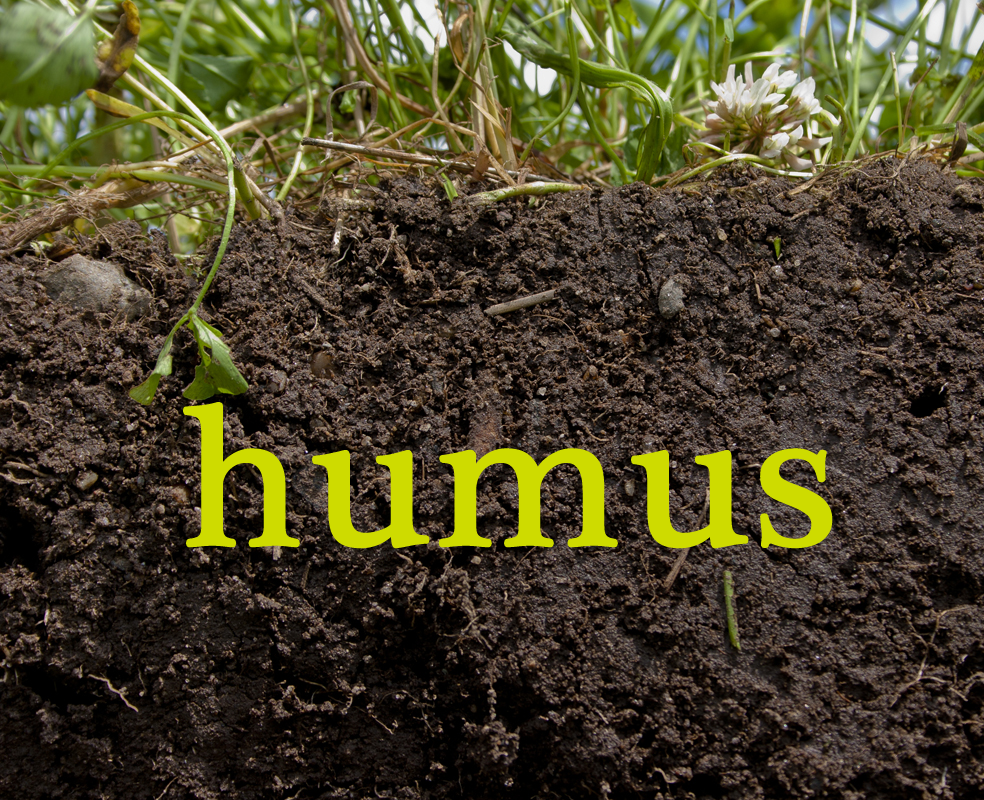
Humus is the result of the decomposition of organic matter, a complex substance rich in carbon and other essential elements. It is formed through a process called humification, where plant residues and other organic materials break down through microbial activity, transforming into a stable, nutrient-rich material.
Humus contains a mix of humic acids, fulvic acids, and humin, which all play critical roles in nutrient cycling, water retention, and microbial health within the soil. These compounds help bind soil particles together, forming aggregates that improve the structure and aeration of the soil, which is essential for healthy root development in cannabis plants.
In medical cannabis cultivation, where consistency and quality are paramount, humus is a key player in maintaining optimal growing conditions. Its ability to buffer soil pH, enhance nutrient uptake, and foster beneficial microbial communities creates an environment where cannabis plants can grow without the stressors that can affect cannabinoid and terpene production.
The Importance of Soil Structure in Medical Cannabis Cultivation
Medical cannabis plants require specific growing conditions to ensure they produce the desired therapeutic compounds at predictable levels. Soil structure is one of the fundamental components of a healthy growing medium. Well-structured soil allows roots to expand freely, absorb nutrients efficiently, and exchange gases with the atmosphere.
Humus plays a critical role in maintaining and improving soil structure. By binding soil particles into aggregates, humus creates macropores and micropores within the soil. These pores are essential for:
- Water Retention and Drainage: Macropores let extra water escape, avoiding soggy conditions that can cause diseases like root rot. Micropores, on the other hand, retain water, ensuring that the roots have access to moisture during dry periods.
- Air Circulation: Proper soil aeration is crucial for root respiration. Oxygen is necessary for root metabolism, and well-structured soil with a healthy humus content ensures that air can circulate through the soil profile.
- Root Penetration: A well-aggregated soil is less compacted, allowing roots to penetrate deeply. Deep root systems are essential for stable, healthy cannabis plants, which are better able to access water and nutrients.
In medical cannabis cultivation, these factors are especially important because poor soil structure can lead to stress in plants, which can negatively impact the production of cannabinoids and terpenes—the compounds responsible for the plant’s medicinal effects.
Nutrient Availability and Uptake
Humus acts as a reservoir of nutrients in the soil, slowly releasing essential elements such as nitrogen (N), phosphorus (P), potassium (K), calcium (Ca), magnesium (Mg), and micronutrients like iron (Fe), manganese (Mn), and zinc (Zn). These nutrients are crucial for the growth and development of medical cannabis, influencing everything from root health to the production of flowers and resin glands, where cannabinoids and terpenes are concentrated.
One of the remarkable properties of humus is its cation exchange capacity (CEC). With a high CEC, humus may store and release positively charged ions (cations) to the plant as needed, such as calcium, potassium, and magnesium. Humus is a natural fertilizer because of its capacity to both store and exchange nutrients, giving medicinal cannabis plants a consistent supply of vital nutrients throughout their growth cycle.
In addition to macronutrients, humus also plays a role in making micronutrients more available to plants. Fulvic acids, a component of humus, can chelate minerals—binding with metal ions and making them more soluble in water. This process increases the availability of micronutrients, which are often present in soil but in forms that are difficult for plants to absorb.
In medical cannabis cultivation, where nutrient deficiencies can lead to reduced cannabinoid production or altered terpene profiles, humus helps ensure that plants have access to a balanced diet of nutrients. A well-nourished cannabis plant is more likely to produce high-quality flowers with the desired therapeutic properties.
Humus and Soil Microbiology: Symbiotic Relationships
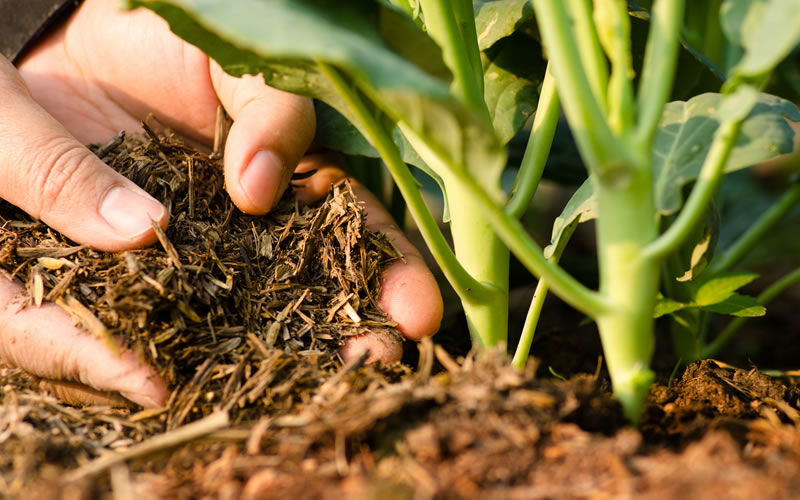
The relationship between humus and soil microbiology is symbiotic, and it is this relationship that plays a pivotal role in promoting healthy medical cannabis plants. Humus serves as both a food source and a habitat for beneficial microbes, including bacteria, fungi, and other microorganisms that contribute to soil fertility and plant health.
- Nutrient Cycling: Soil microorganisms decompose organic matter, breaking it down into simpler forms that plants can absorb. In this process, microbes release nutrients locked in organic matter, making them available to medical cannabis plants. Humus supports a thriving microbial community by providing a steady source of carbon and other nutrients, ensuring that nutrient cycling occurs efficiently.
- Disease Suppression: Healthy soil microbiology, supported by humus, can suppress soil-borne pathogens. Beneficial microbes compete with harmful organisms for space and resources, and some produce natural antibiotics or enzymes that inhibit the growth of pathogens. This microbial protection is critical in medical cannabis cultivation, where soil-borne diseases can reduce yield and affect the quality of the final product.
- Mycorrhizal Fungi: Humus fosters the growth of mycorrhizal fungi, which form symbiotic relationships with cannabis roots. These fungus help plants reach outside their typical root zone to obtain water and nutrients by extending the reach of their root system. Mycorrhizal associations are particularly beneficial for medical cannabis plants, as they enhance phosphorus uptake—an essential nutrient for flower production and cannabinoid synthesis.
In medical cannabis production, where plants are often grown in controlled environments with strict standards, fostering a healthy soil microbiome through the use of humus can reduce the need for chemical inputs such as synthetic fertilizers and pesticides. This not only promotes plant health but also ensures that the end product is free from harmful residues that could compromise its safety for medical use.
Humus and Water Retention: A Critical Factor in Cannabis Cultivation
Water management is a crucial aspect of medical cannabis cultivation. Overwatering can lead to root diseases and nutrient leaching, while underwatering can stress the plants, leading to suboptimal growth and reduced cannabinoid production. Humus significantly improves the soil’s ability to retain and manage water.
- Increased Water Retention: Humus has a sponge-like quality, allowing it to absorb and retain water. This is especially helpful in drought-prone areas or in circumstances when water use must be reduced. Medical cannabis plants grown in humus-rich soil are less likely to experience water stress, which can negatively affect flower development and cannabinoid levels.
- Drought Resistance: In addition to retaining water, humus also helps soil release moisture slowly, providing a consistent supply of water to plants even during dry periods. This slow release of moisture ensures that cannabis plants remain hydrated and can continue to photosynthesize and grow, even in suboptimal watering conditions.
- Prevention of Waterlogging: Although humus aids in water retention, it also strengthens the structure of the soil, enabling extra water to evaporate. Maintaining this delicate balance between drainage and water retention is essential to avoiding waterlogging and the accompanying root infections, such Fusarium and Pythium, which can completely destroy medicinal cannabis crops.
Proper water management, facilitated by humus, ensures that medical cannabis plants can grow in a stable environment, reducing the stress that can affect the production of therapeutic compounds.
Humus and pH Buffering in Cannabis Cultivation
Soil pH is a critical factor in nutrient availability for cannabis plants. Cannabis thrives best at a pH range of 6.0 to 7.0, where the majority of nutrients are easily obtainable. If the pH strays too far from this range, certain nutrients can become unavailable, leading to deficiencies that can impact plant health and cannabinoid production.
Humus functions as an organic pH buffer, assisting in the preservation of a steady pH in the soil. The buffering capacity of humus is due to its ability to neutralize both acidic and alkaline substances in the soil. This ensures that the soil remains within the optimal pH range for nutrient availability, even if external factors, such as irrigation water or fertilizers, have the potential to alter soil pH.
In medical cannabis cultivation, where consistency in plant health and yield is essential, the pH buffering properties of humus can reduce the need for pH adjustment interventions, leading to a more stable growing environment and reducing the risk of nutrient lockout or imbalances.
Humus and Cannabinoid Production
The quality of medical cannabis is primarily determined by its cannabinoid and terpene profiles. Tetrahydrocannabinol (THC), cannabidiol (CBD), and other cannabinoids are what provide the plant its therapeutic benefits, which include reducing seizures, pain, and inflammation.
Humus, by promoting overall soil and plant health, indirectly supports optimal cannabinoid production. Healthy plants grown in humus-rich soil are more likely to produce high levels of cannabinoids and terpenes due to several factors:
- Nutrient Availability: As discussed, humus enhances nutrient availability, ensuring that cannabis plants have access to the elements needed to support vigorous growth and flower development. Proper nutrition is directly linked to the synthesis of cannabinoids, which are concentrated in the resin glands of cannabis flowers.
- Stress Reduction: Plants grown in humus-rich soils are less likely to experience water, nutrient, or disease stress. Stress can negatively impact cannabinoid production, as plants divert energy away from resin production to cope with unfavorable conditions. By reducing plant stress, humus allows cannabis plants to focus their energy on producing the therapeutic compounds that are vital in medical applications.
- Microbial Interactions: Beneficial microbes supported by humus can influence plant secondary metabolism, including the production of cannabinoids and terpenes. Some studies suggest that certain soil microbes can stimulate plants to produce higher levels of these compounds, enhancing the medicinal value of the cannabis crop.
The Role of Humus in Organic Medical Cannabis Cultivation
As the demand for organically grown medical cannabis increases, humus plays an even more critical role. Organic cultivation relies on natural inputs and practices to maintain soil health and fertility, and humus is central to this approach.
In organic medical cannabis systems, humus provides a natural source of nutrients and fosters a healthy soil microbiome, reducing the need for synthetic fertilizers and pesticides. This aligns with the goals of organic cultivation, which seeks to produce cannabis free from harmful chemicals that could compromise its medicinal purity.
Furthermore, the use of humus in organic systems helps build soil health over time, creating a sustainable growing environment that supports future crops. This long-term focus on soil fertility is particularly important in medical cannabis cultivation, where the quality and consistency of the final product are paramount.
Restrictions on Growing and Using Cannabis in the Medical Field

To ensure its safe and efficient usage, cannabis is subject to tight rules and limits in the medical profession. One of the primary concerns in medical cannabis cultivation and usage is maintaining the therapeutic efficacy of cannabis while minimizing any potential risks, particularly its psychoactive effects. As a result, cannabis is often regarded as a last resort treatment, prescribed only when other traditional medications have failed to provide relief.
Restrictions on Growing Medical Cannabis
The cultivation of medical cannabis is highly regulated, with strict controls on its growth conditions, strains, and THC (tetrahydrocannabinol) levels. Cultivators must adhere to guidelines that ensure the purity and safety of the plant. These include:
- Licensed Facilities: Medical cannabis can only be grown in licensed and monitored facilities that adhere to strict environmental controls. These controls help prevent contamination by pesticides, heavy metals, and molds, ensuring the safety of the end product.
- Strain Selection: Medical cannabis strains are often selected for their specific cannabinoid profiles, particularly those rich in CBD (cannabidiol) with lower levels of THC. For patients who need the medicinal properties of cannabis but do not want to experience its intoxicating effects, this is crucial.
- Monitoring and Testing: Regular testing of cannabis plants is required to monitor THC levels and ensure that they remain within acceptable medical limits. The psychoactive ingredient in cannabis, THC, needs to be carefully regulated to avoid unintentional adverse effects, especially in patients who are more susceptible, including the elderly or people with mental health issues.
Medical Use of Cannabis as a Last Resort
In many medical systems, cannabis is considered a last-line treatment, used only when conventional therapies have failed. This cautious approach is due to the ongoing debate about its long-term effects and the variability in individual patient responses. Medical cannabis is often prescribed for chronic conditions like epilepsy, chronic pain, multiple sclerosis, and chemotherapy-induced nausea, where other medications have proven ineffective.
Monitoring THC Levels to Prevent Psychoactive Effects
Medical cannabis products must undergo stringent THC level monitoring to minimize the psychoactive effects. By keeping THC content below a certain threshold—often under 0.3% for products labeled as hemp or specific thresholds for medical formulations—doctors aim to provide therapeutic benefits without impairing cognition or causing euphoria.
CBD-rich formulations are often preferred for medical use because CBD has been shown to have therapeutic properties without the psychoactive effects associated with THC. This careful regulation of THC and CBD levels ensures that medical cannabis can be used safely, even in vulnerable populations, while minimizing the risk of psychoactive side effects.
Conclusion
The use of humus in medical cannabis cultivation and the regulation of cannabis in the medical field share a common goal: ensuring patient safety and therapeutic efficacy.
Humus plays a crucial role in maintaining soil health, which directly influences the quality of medical cannabis. By enhancing soil structure, nutrient availability, water retention, and fostering a beneficial microbial ecosystem, humus supports the growth of robust, healthy cannabis plants. This, in turn, ensures the consistent production of cannabinoids and terpenes, which are vital for the medicinal properties of cannabis. The role of humus is particularly significant in organic cultivation, where natural soil health is prioritized over synthetic inputs, further ensuring the purity of the final product for patients.
On the regulatory side, medical cannabis is tightly controlled to ensure it is used as a last-resort treatment for specific conditions. Strict oversight on cultivation, product testing, and especially the monitoring of THC levels ensures that medical cannabis remains safe and effective for patients without causing undesirable psychoactive effects. These regulations also help guarantee that cannabis is grown and used in a way that prioritizes therapeutic outcomes, keeping patient safety at the forefront.
In conclusion, the combined efforts of maintaining soil health through humus and adhering to stringent medical cannabis regulations work hand-in-hand to ensure that medical cannabis is both high-quality and safe, offering patients the therapeutic benefits they need without the risks of recreational misuse or unintended side effects.
