The Role of Humidity and Airflow in Different Growing Mediums for Medical Cannabis Cultivation
Introduction
The cultivation of medical cannabis requires a meticulous approach to environmental conditions, as these can significantly affect the quality, yield, and therapeutic potency of the plants. Among the most crucial environmental factors are humidity and airflow, both of which interact with the growing medium to influence the plant’s growth cycle. Understanding how humidity and airflow play distinct roles depending on the medium used is essential for optimizing the cultivation process, ensuring the highest quality medical cannabis, and minimizing the risk of disease or suboptimal growth.
This detailed exploration will focus exclusively on the cultivation of medical cannabis, highlighting how humidity and airflow work in concert with different growing media. The focus is on the therapeutic applications of the plant, without reference to recreational use or consumption methods.
Part 1: Medical Cannabis and Its Environmental Needs
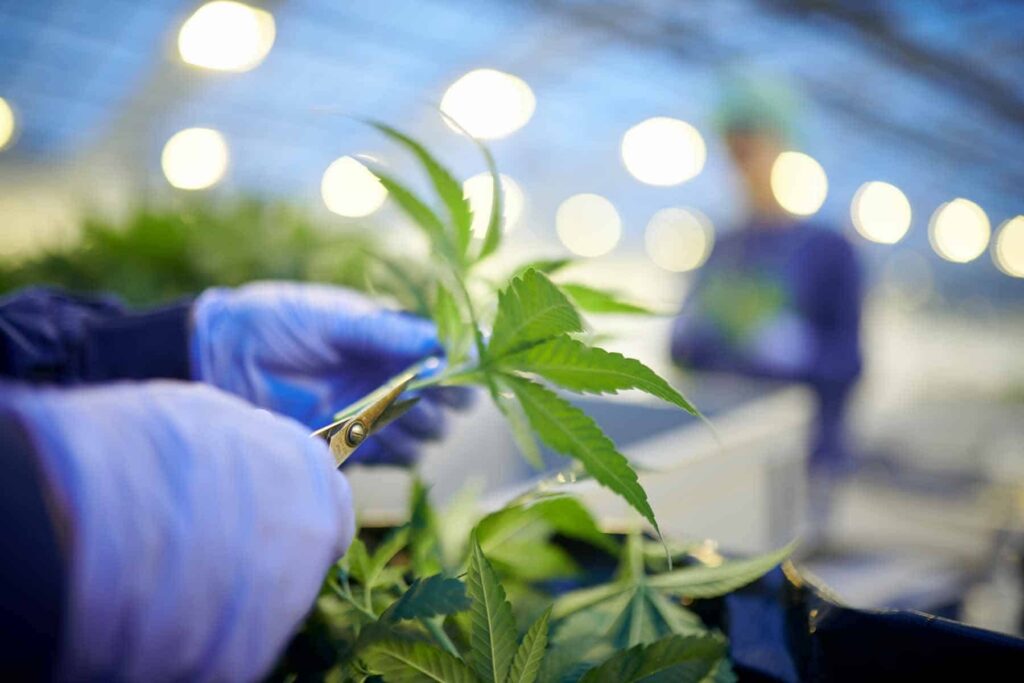
Medical cannabis is a plant whose cultivation is often more demanding than other crops due to its specific environmental needs. Cannabis has a distinct life cycle—germination, vegetative growth, flowering, and harvesting—each of which has different environmental requirements. These phases must be carefully managed to ensure that the end product retains the appropriate levels of cannabinoids (such as THC, CBD, and CBG), terpenes, and flavonoids, which are crucial for its therapeutic effects.
Importance of Humidity and Airflow
- Humidity:
- The quantity of water vapor in the air is referred to as humidity. It directly impacts transpiration (water loss) in plants, affecting their ability to absorb water and nutrients through the roots. Cannabis is particularly sensitive to humidity levels, which vary according to the plant’s stage of growth.
- Seedlings and Vegetative Stage: During these early phases, cannabis requires higher humidity levels, typically around 60-70%. High humidity allows young plants to absorb water through their leaves, helping them establish a strong root system. However, excessive moisture, especially at the root level, can encourage mold and disease, particularly in certain types of growing mediums.
- Flowering Stage: As plants mature, their need for humidity decreases. During the flowering phase, cannabis thrives in humidity levels around 40-50%. Lower humidity reduces the risk of mold and bud rot, conditions that can devastate yields, particularly when using dense growing media that may retain too much water.
- Airflow:
- Airflow is equally critical, as stagnant air can create an ideal environment for pests and diseases. Proper airflow ensures that plants receive enough carbon dioxide for photosynthesis and helps regulate temperature and humidity around the plant.
- Strong airflow, particularly in the flowering stage, helps cannabis plants develop stronger stems and can prevent moisture buildup, which is essential when growing in media that retain water. The growing medium’s texture and drainage capacity will influence how much airflow is required to maintain optimal conditions.
Part 2: Growing Mediums and Their Influence on Humidity and Airflow
Different growing mediums offer distinct advantages and challenges in maintaining the optimal humidity and airflow required for medical cannabis cultivation. Each medium interacts with environmental factors in unique ways, and understanding these interactions is vital for medical growers to avoid issues like overwatering, root rot, or nutrient deficiencies.
1. Soil
a. Humidity in Soil
Soil is one of the most common growing mediums for medical cannabis and has a natural ability to retain moisture. This helps keep the moisture content surrounding the roots constant, which is advantageous throughout the vegetative stage. However, the water-holding capacity of soil means that it can easily become oversaturated if not properly monitored, especially in humid environments.
- Challenges: When humidity levels are high, water may not evaporate from the soil as quickly, leading to soggy conditions that can promote fungal diseases like root rot. In areas where humidity is too low, soil can dry out quickly, stressing the plants and limiting nutrient uptake.
- Solutions: Growers using soil as a medium must monitor the moisture content closely, using tools such as hygrometers and soil moisture meters. Without making the soil too wet, adding organic matter, such as compost, can enhance its structure and ability to hold water.
b. Airflow in Soil
Soil can become compacted, especially when plants grow larger or if irrigation techniques are not optimal. Compacted soil restricts airflow to the roots, reducing oxygen availability, which is crucial for healthy root development and nutrient absorption.
- Challenges: Poor soil aeration can lead to anaerobic conditions, promoting the growth of harmful pathogens and negatively affecting root health.
- Solutions: Implementing techniques like tilling or adding perlite can improve soil aeration, allowing for better root oxygenation. In addition to improving airflow around the plants, raised beds or containers can lower the risk of illness.
2. Coco Coir
Made from coconut husks, coco coir is becoming a more and more well-liked growing medium for medicinal cannabis. It offers a unique balance between water retention and aeration, making it ideal for growers who need more control over environmental factors.
a. Humidity in Coco Coir
Coco coir retains water efficiently while also allowing for good drainage, reducing the risk of waterlogging compared to traditional soil. This medium allows for better control of root zone humidity, which can be critical during different growth stages.
- Challenges: While coco coir is excellent at holding moisture, it can also dry out relatively quickly in low-humidity environments. This necessitates frequent monitoring and irrigation, especially in the flowering stage when lower humidity is required.
- Solutions: Automated watering systems can help ensure that coco coir remains at the optimal moisture level, preventing excessive drying without creating conditions conducive to root rot.
b. Airflow in Coco Coir
Coco coir provides good aeration to the root system, which is critical for oxygen uptake. The fibrous nature of coir means that air can easily move through the medium, preventing compaction and promoting healthy root growth.
- Challenges: Despite its good aeration properties, overwatering can still be a problem in coco coir if drainage is inadequate.
- Solutions: Growers can improve drainage by mixing coco coir with perlite or vermiculite, which will increase airflow and reduce the risk of water retention-related problems.
3. Hydroponics (Water-Based Systems)
Plants are grown in a nutrient-rich water solution in hydroponic systems as opposed to soil or other solid medium. These systems can range from deep water culture (DWC) to drip systems, but they all share a direct relationship with humidity and airflow control.
a. Humidity in Hydroponics
Hydroponic systems can contribute to high levels of ambient humidity, especially if they are not adequately ventilated. Since there is no soil to buffer the water, any evaporation from the system directly affects the room’s humidity level.
- Challenges: Particularly in the vicinity of the plant’s roots and lower leaves, high humidity levels might foster the growth of mold and mildew.
- Solutions: Humidity must be carefully managed using dehumidifiers or air conditioning, particularly in the flowering stage. Growers can also use covers or lids on reservoirs to minimize evaporation and humidity spikes.
b. Airflow in Hydroponics
Hydroponic systems often rely on artificial methods, such as air stones or water pumps, to oxygenate the root zone. Without the natural aeration provided by soil or coco coir, these systems require continuous management of airflow around the roots to prevent the growth of anaerobic bacteria.
- Challenges: Poor airflow in the growing environment can lead to high humidity levels around the plants, increasing the risk of disease and limiting the uptake of carbon dioxide for photosynthesis.
- Solutions: Fans and air circulation systems are essential in hydroponic setups. Additionally, keeping water temperatures in check and using air pumps can help ensure that the roots receive adequate oxygen.
4. Rockwool
Rockwool is another common medium used in both hydroponic and soil-like systems for medical cannabis cultivation. It is a sterile, inert medium made from spun basalt rock, which provides excellent aeration and water retention properties.
a. Humidity in Rockwool
Rockwool has a high water retention capacity, making it ideal for environments where maintaining consistent moisture levels is difficult. However, like coco coir, it can also retain too much moisture in humid environments, leading to waterlogged conditions and root disease.
- Challenges: If the surrounding environment is too humid, Rockwool can remain overly saturated, creating anaerobic conditions in the root zone.
- Solutions: Growers using Rockwool should carefully manage irrigation and consider placing Rockwool cubes or slabs on raised platforms to improve drainage. Additionally, proper ventilation is critical to ensure that excess moisture is quickly evaporated.
b. Airflow in Rockwool
Rockwool’s fibrous structure allows for excellent airflow to the roots, making it a popular choice for hydroponic systems where root oxygenation is critical. However, like other mediums, if the blocks become too saturated, airflow can be compromised.
- Challenges: Rockwool can become compacted over time, particularly if it is reused or not handled properly. This reduces airflow and increases the risk of root diseases.
- Solutions: Regular monitoring of moisture levels and careful handling of Rockwool blocks can help maintain their structure and ensure that roots receive adequate air. Combining Rockwool with air-purging systems in hydroponics can also improve oxygenation.
Part 3: Humidity and Airflow Control Techniques
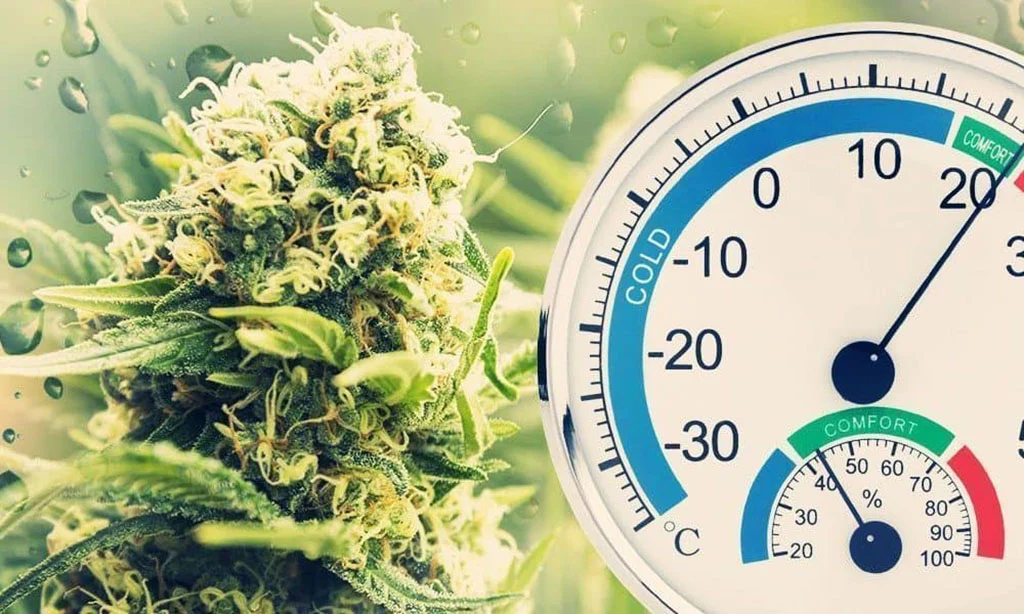
Beyond the growing medium itself, a variety of techniques can help control humidity and airflow in medical cannabis cultivation environments.
1. Humidity Control Techniques
Proper humidity control is essential for each stage of cannabis growth. Some methods include:
- Humidifiers/Dehumidifiers: Automated humidity control devices are essential for maintaining precise humidity levels in the grow room. Humidifiers can increase moisture in the air during the vegetative stage, while dehumidifiers are critical during flowering to prevent mold and mildew.
- Ventilation Systems: Proper ventilation is key to maintaining humidity levels. While intake fans help to manage moisture levels by bringing in fresh air, exhaust fans can be utilized to remove damp air from the grow area.
- Watering Schedules: Adjusting watering schedules to align with environmental humidity is crucial. In high humidity, reducing watering frequency can help prevent over-saturation of the growing medium.
2. Airflow Control Techniques
Airflow plays a pivotal role in preventing mold, mildew, and pests, all of which can negatively impact the medicinal quality of cannabis.
- Oscillating Fans: Using oscillating fans ensures that air circulates evenly throughout the grow room. This prevents stagnant air pockets, which can lead to moisture buildup and the growth of mold on plants and growing media.
- Canopy Management: Pruning or using training techniques like the Sea of Green (SOG) or Screen of Green (ScrOG) methods can improve airflow around the plants, reducing the risk of disease while promoting more uniform growth.
- Air Filtration Systems: Filtering incoming air can prevent pests, pathogens, and contaminants from entering the grow room, all of which thrive in poor airflow conditions.
Part 4: Impact of Humidity and Airflow on Medical Cannabis Quality
Maintaining optimal humidity and airflow is not just about maximizing yield—it’s also about ensuring the highest quality for medical use. Poor environmental management can lead to a host of problems that diminish the therapeutic value of cannabis.
1. Cannabinoid and Terpene Profiles
The potency and composition of cannabinoids (like THC and CBD) and terpenes (aromatic compounds that have therapeutic effects) are influenced by environmental conditions. High humidity levels, particularly during the flowering stage, can lead to mold growth on buds, rendering them unusable for medical purposes. Conversely, poor airflow can cause heat stress, which can degrade terpene profiles, reducing the effectiveness of cannabis for medicinal applications.
2. Risk of Contamination
Mold, mildew, and pests not only reduce yield but can also introduce harmful contaminants that compromise the safety of medical cannabis. Patients who rely on cannabis for medical purposes require products that are free of pathogens, and improper humidity and airflow management is a major risk factor for contamination.
Restrictions on Growing and Using Cannabis in the Medical Field Only

Strict Medical Oversight and Usage as a Last Resort
In many regions, the cultivation and use of medical cannabis are subject to strict regulations to ensure it is used only for therapeutic purposes. Medical cannabis is often prescribed as a last resort when conventional treatments fail to alleviate symptoms. This is particularly the case for patients with chronic pain, epilepsy, multiple sclerosis, or cancer-related side effects, where cannabis can offer relief when traditional medications are ineffective.
Monitoring THC Levels to Prevent Psychoactive Effects
One of the key concerns in the medical use of cannabis is controlling the levels of tetrahydrocannabinol (THC), the psychoactive compound responsible for the “high.” In medical settings, cannabis products are carefully formulated and monitored to limit THC levels. The aim is to ensure that patients receive therapeutic benefits, such as pain relief or anti-inflammatory effects, without experiencing unwanted psychoactive effects.
Key Monitoring Practices:
- Standardized Testing: Regular testing of cannabis products ensures consistent THC and cannabidiol (CBD) concentrations.
- Prescription Controls: Medical professionals prescribe cannabis based on specific patient needs, ensuring the correct THC/CBD balance for therapeutic use.
- Pharmaceutical-Grade Products: Only approved, pharmaceutical-grade cannabis products with controlled THC levels are allowed for medical purposes, minimizing any risk of intoxication.
Legal and Ethical Restrictions
- Licensed Growers: Only licensed facilities are permitted to cultivate medical cannabis, ensuring plants are grown under strict regulatory guidelines.
- Patient Eligibility: Only patients with documented medical conditions that have not responded to other treatments are eligible for medical cannabis prescriptions.
- Dosage Limitations: Healthcare providers prescribe cannabis in controlled doses to prevent misuse and minimize psychoactive effects.
Conclusion
The cultivation and use of medical cannabis require stringent control and oversight, primarily due to the plant’s unique properties and the potential for misuse. The successful application of medical cannabis hinges on understanding and managing key environmental factors—such as humidity and airflow—across different growing mediums. Each medium, whether it’s soil, coco coir, hydroponics, or Rockwool, interacts differently with these factors, influencing water retention, root oxygenation, and overall plant health. By carefully regulating these conditions, growers can ensure that cannabis plants produce the highest quality yields, maximizing the therapeutic potential of cannabinoids and terpenes.
Humidity control is especially important at different stages of growth, with higher humidity needed during early stages to promote root development and lower levels required in the flowering stage to prevent mold and mildew. Airflow, likewise, is critical in maintaining a healthy grow environment, ensuring the plants receive adequate carbon dioxide for photosynthesis and preventing moisture buildup. Proper airflow also contributes to stronger plant structure and reduces the risk of pests and pathogens.
In addition to environmental management, legal and ethical restrictions on growing and using medical cannabis are essential to ensure its safe and responsible use. Regulations often stipulate that medical cannabis be used as a last resort, prescribed only when conventional treatments have proven ineffective. This helps mitigate concerns over the potential misuse or over-reliance on cannabis in medical treatments.
One of the most significant concerns in the medical use of cannabis is controlling the psychoactive effects of THC, the compound responsible for the “high” often associated with recreational cannabis use. Monitoring THC levels in medical products is critical to ensuring that patients receive therapeutic benefits, such as pain relief, without experiencing unwanted psychoactive effects. The integration of pharmaceutical-grade cannabis products, strict dosage control, and regular monitoring of cannabinoid concentrations further ensures the safety of medical cannabis treatments.
Overall, the use of medical cannabis requires a careful balance between environmental control, legal regulation, and ethical consideration. With proper oversight, medical cannabis can provide significant relief for patients with chronic conditions, offering a safe and effective alternative when traditional treatments fail. Through precise cultivation techniques and strict adherence to regulatory guidelines, growers and healthcare providers can ensure that medical cannabis remains a valuable tool in modern medicine.
