The Role of Companion Planting in Medical Cannabis Cultivation
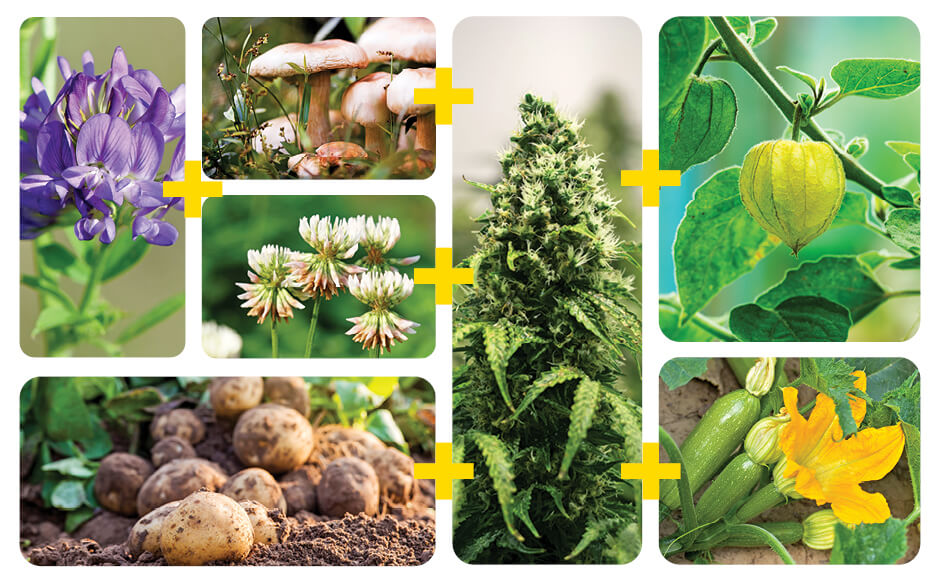
Growing several plants together for mutual benefit is known as companion planting, and it’s an ancient agricultural technique. This method is particularly relevant to medical cannabis cultivation, where plant health, yield, and environmental sustainability are of paramount importance. By strategically pairing cannabis with specific companion plants, cultivators can improve the growing environment, reduce the need for synthetic inputs, and enhance the overall quality of their crops. This comprehensive guide will explore the role of companion planting in medical cannabis cultivation, focusing on the advantages it offers for medical cannabis growers, the ideal companion plants for cannabis, and how to integrate this technique into different growing environments.
Introduction to Companion Planting
Companion planting revolves around the concept of plant synergy—certain plants can support one another through various mechanisms such as pest control, improved nutrient uptake, soil health enhancement, and promoting beneficial insects. In the context of medical cannabis cultivation, companion planting can significantly reduce the need for chemical fertilizers, pesticides, and herbicides, making it a sustainable and eco-friendly approach to growing.
For medical cannabis, which is subject to strict regulatory controls and often used for therapeutic purposes, minimizing chemical residue is essential. The use of companion plants can create a natural ecosystem that not only supports the cannabis plants but also leads to a cleaner, more organic end product that is safe for medical use.
Benefits of Companion Planting for Medical Cannabis Cultivation
Companion planting offers a multitude of benefits that are particularly valuable in medical cannabis cultivation:
- Pest Control
Natural pest management is one of companion planting’s main benefits. Many companion plants release volatile organic compounds (VOCs) that repel harmful insects while attracting beneficial predators. This reduces the need for chemical pesticides, which can leave harmful residues on the cannabis plant, compromising its medical purity. By incorporating pest-repellent plants like marigold, garlic, or basil, cannabis growers can mitigate infestations from aphids, spider mites, and other common pests. - Nutrient Cycling and Soil Health
Some companion plants improve soil fertility by fixing nitrogen or other essential nutrients. For example, legumes such as clover or beans can fix atmospheric nitrogen into the soil, providing a steady supply of this nutrient for the cannabis plants. Others, like comfrey, help mine deep nutrients and make them available for neighboring plants. These natural nutrient cycling processes eliminate the need for synthetic fertilizers, which may have long-term environmental impacts and contribute to nutrient imbalances in the soil. - Improved Pollination and Beneficial Insect Attraction
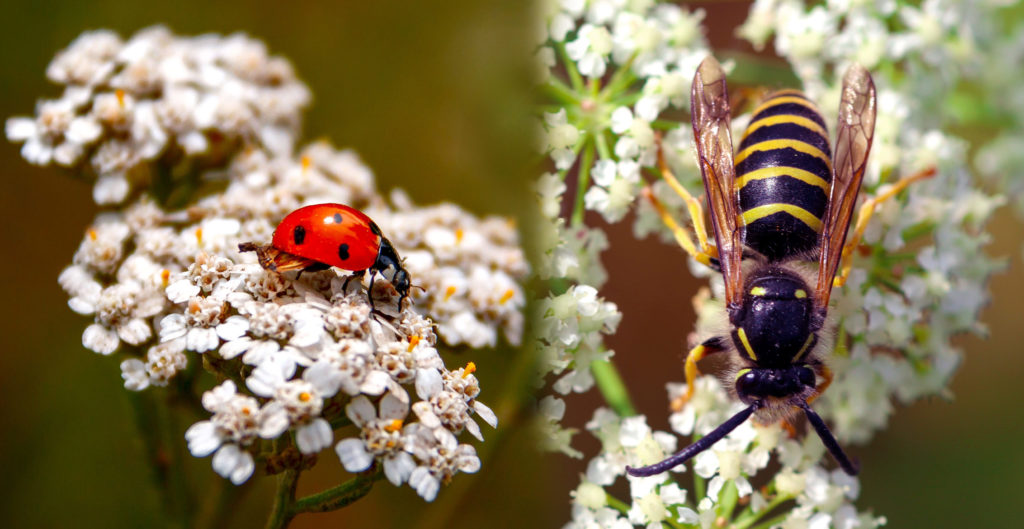
While cannabis is wind-pollinated and does not require insect pollinators for reproduction, companion plants that attract beneficial insects, such as ladybugs, bees, and hoverflies, can still play a vital role. These beneficial insects help maintain ecological balance by preying on harmful pests. Additionally, certain flowers and herbs can attract insects that support biodiversity and improve the overall resilience of the garden ecosystem. - Microclimate Management
Companion plants can also help create a favorable microclimate for cannabis. For example, taller plants can provide shade, reducing water loss through evaporation and protecting the cannabis plants from excessive heat. Ground cover plants, such as clover or chamomile, help retain soil moisture and prevent erosion, improving water efficiency, which is critical in areas with water restrictions or drought conditions. - Disease Prevention
Some companion plants, such as garlic and onions, have antifungal and antibacterial properties that help reduce the likelihood of soil-borne diseases, which can harm cannabis roots and stifle growth. These natural protective mechanisms reduce the dependency on fungicides, making the cultivation process cleaner and safer for medical cannabis production. - Increased Yield and Cannabinoid Profile Enhancement
Companion planting can indirectly contribute to higher yields and an improved cannabinoid profile in cannabis plants. When plants are healthier due to enhanced nutrient availability, pest resistance, and overall environmental harmony, they are likely to produce more robust flowers with higher concentrations of cannabinoids like CBD and THC. This is particularly valuable in medical cannabis, where consistency in therapeutic compounds is crucial for patient care.
Ideal Companion Plants for Medical Cannabis Cultivation
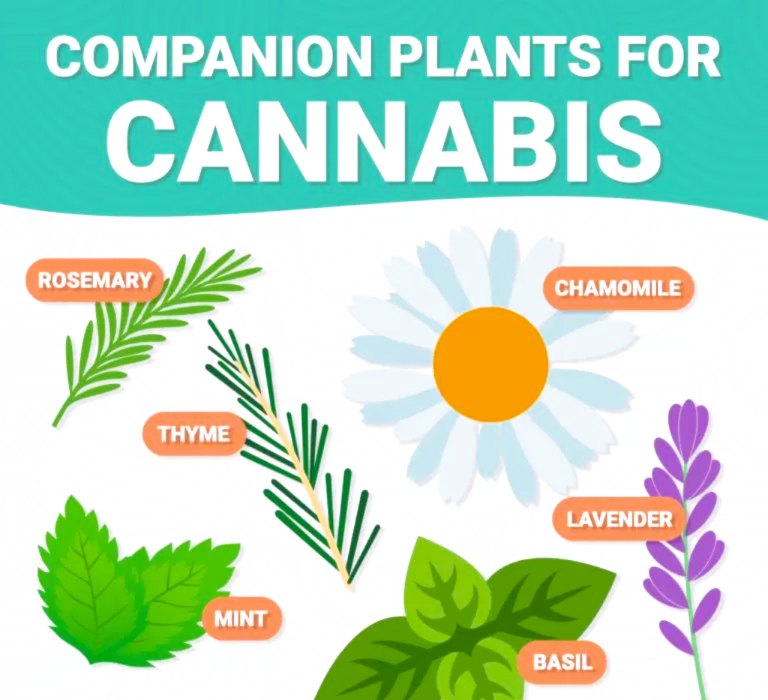
Selecting the right companion plants is key to optimizing the benefits of this technique. Below are some of the best companion plants to consider for medical cannabis cultivation:
- Marigold (Tagetes spp.)
Marigolds are one of the most effective pest-repelling companion plants. They release a strong scent that deters nematodes, aphids, and whiteflies. Furthermore, marigolds draw beneficial insects like ladybugs, which aid in reducing the number of pests. - Basil (Ocimum basilicum)
Basil is a versatile companion plant that repels mosquitoes, aphids, and other insect pests. It also attracts beneficial pollinators like bees, although cannabis itself does not require insect pollination. Its aromatic oils may enhance the terpene profile of nearby cannabis plants, contributing to more pronounced flavors and aromas in medical strains. - Clover (Trifolium spp.)
Clover is an excellent nitrogen-fixing plant, making it an ideal companion for cannabis. By improving nitrogen availability in the soil, clover can help cannabis plants grow more vigorously without the need for synthetic fertilizers. Additionally, clover acts as a ground cover, helping to retain soil moisture and suppress weeds. - Lavender (Lavandula spp.)
Lavender repels pests such as moths, fleas, and flies, while its fragrant flowers attract pollinators and beneficial insects. The calming properties of lavender, reflected in its aromatic compounds, may also influence the terpene profile of nearby cannabis, potentially enhancing its medicinal effects, particularly in strains used for anxiety or sleep disorders. - Garlic (Allium sativum)
Garlic is a great option for preventing infections that are spread through the soil because of its strong antifungal and antibacterial qualities. It also repels many common pests such as aphids, spider mites, and whiteflies. Planting garlic around cannabis can create a natural protective barrier without resorting to chemical treatments. - Chamomile (Matricaria chamomilla)
Chamomile is known for improving the flavor and potency of nearby plants. It draws helpful insects that feed on dangerous pests, like parasitic wasps and hoverflies. Chamomile also provides ground cover, helping to retain moisture in the soil and prevent weed growth. - Yarrow (Achillea millefolium)
Yarrow attracts predatory insects like ladybugs, lacewings, and hoverflies, which help control aphid populations. It also improves soil health by adding nutrients through its deep-rooted system, which brings minerals up to the surface for cannabis plants to access. - Borage (Borago officinalis)
Borage is an excellent companion plant for attracting pollinators and beneficial insects. It also improves soil health by adding trace minerals, particularly potassium, which can enhance the growth of cannabis plants. Borage is known to repel pests such as hornworms and cabbage worms, both of which can damage cannabis.
Companion Planting in Different Growing Environments
The implementation of companion planting can vary depending on the growing environment—whether it’s outdoors, indoors, or in greenhouses. Each environment presents unique challenges and opportunities, and understanding how to adapt companion planting techniques to these settings is critical for successful medical cannabis cultivation.
Outdoor Cultivation
In outdoor settings, companion planting can mimic natural ecosystems, allowing for the cultivation of cannabis alongside a diverse array of plants. Outdoor growers can take full advantage of companion plants for pest control, soil enhancement, and microclimate management.
- Windbreaks and Shade Plants: Taller companion plants, such as sunflowers or corn, can provide windbreaks and shade for cannabis plants, helping to reduce wind damage and water evaporation.
- Pest Deterrents: Plants like marigold, lavender, and basil are ideal for repelling outdoor pests. These can be planted around the perimeter of the cannabis garden or interspersed among the cannabis plants for full protection.
- Soil Builders: Legumes like clover and beans can be intercropped with cannabis to enhance soil fertility and structure, providing long-term benefits for cannabis cultivation.
Greenhouse Cultivation
In greenhouse environments, companion planting can help maintain a controlled and balanced ecosystem. Greenhouses can sometimes create conditions that are conducive to pests or mold, so companion plants that deter pests or improve air circulation are particularly valuable.
- Humidity Control: Plants like lavender and chamomile can help reduce humidity levels in greenhouses by promoting better air circulation, which is crucial for preventing mold and mildew in cannabis crops.
- Pollinator Attraction: Although cannabis does not require insect pollination, attracting beneficial insects like ladybugs and lacewings can help manage pest populations without relying on chemical controls.
- Soil Enrichment: Clover and other nitrogen-fixing plants can be integrated into greenhouse systems to enhance soil fertility without disrupting the controlled environment.
Indoor Cultivation
Companion planting is less commonly used in indoor cannabis cultivation due to space constraints and the controlled nature of indoor environments. However, there are still ways to incorporate companion plants to enhance indoor growing conditions.
- Pest Management: While indoor environments are more protected from outdoor pests, issues like spider mites and aphids can still arise. Indoor growers can use small companion plants like basil, marigold, or garlic in pots alongside cannabis plants to help deter pests.
- Aromatic Enhancement: Companion plants like lavender or basil can improve the air quality and aromatic profile of the growing space, potentially influencing the terpene production in cannabis plants, which is critical for medical strains.
- Microclimate Control: Companion plants like chamomile or clover can help regulate moisture levels in the soil, ensuring that the cannabis plants receive adequate water while preventing overwatering or under-watering issues.
How to Implement Companion Planting in Medical Cannabis Cultivation
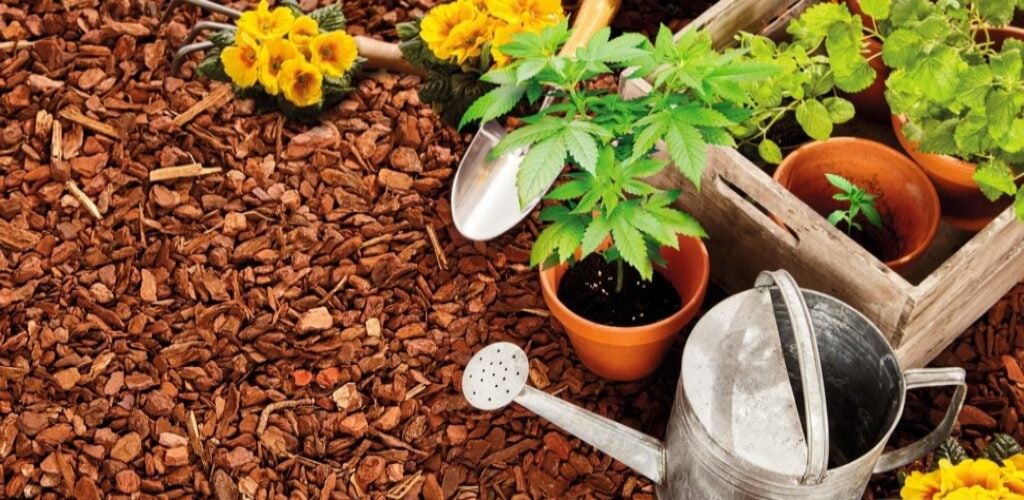
Successfully implementing companion planting in medical cannabis cultivation requires careful planning and attention to the specific needs of the cannabis strain being grown, as well as the environmental conditions of the cultivation site.
Step 1: Assess the Growing Environment
Before selecting companion plants, assess the conditions of the growing environment. Consider factors such as soil quality, pest pressures, humidity levels, and available space. Outdoor growers will need to account for regional pests and climate conditions, while indoor growers must ensure that companion plants will not overcrowd the cannabis crop or disrupt the controlled environment.
Step 2: Select Appropriate Companion Plants
Choose companion plants that address the specific challenges of your growing environment. For example, if pests are a concern, select pest-repellent plants like marigold, garlic, or basil. If improving soil fertility is a priority, opt for nitrogen-fixing plants like clover or legumes.
Step 3: Plan Plant Placement
Plant placement is critical to the success of companion planting. In outdoor or greenhouse settings, taller plants should be placed around the cannabis plants to provide shade or wind protection. Smaller companion plants like basil or garlic can be interspersed among the cannabis plants for pest control. In indoor settings, companion plants can be grown in pots alongside the cannabis plants, ensuring that they do not overcrowd the growing space.
Step 4: Monitor and Adjust
Companion planting is a dynamic process that requires regular monitoring and adjustment. Pay close attention to how the companion plants interact with the cannabis plants and whether they are effectively addressing issues like pests, soil health, or microclimate control. Be prepared to make adjustments as needed, such as adding new companion plants or removing those that are not performing as expected.
Restrictions on Growing and Using Cannabis in the Medical Field as a Last Resort
The use of cannabis in the medical field is heavily regulated across the globe, with strict guidelines governing its cultivation, prescription, and administration. One of the core principles of medical cannabis usage is that it should be considered only as a last resort, typically when conventional treatments have proven ineffective or have undesirable side effects. In addition, there is a strong emphasis on monitoring the levels of tetrahydrocannabinol (THC) in cannabis-based medications to prevent any psychoactive effects on patients, especially those who are particularly vulnerable.
Growing Cannabis for Medical Purposes
Strict regulations are in place to guarantee the uniformity, safety, and quality of cannabis grown for medical purposes. These regulations vary by country but generally include the following:
- Licensing Requirements: Medical cannabis cultivation requires a license issued by government authorities. This licensing process typically involves background checks, detailed plans for cultivation, and compliance with strict security measures to prevent unauthorized access or misuse. For example, in the United States, growers must adhere to state-specific regulations that align with the federal Controlled Substances Act, which still classifies cannabis as a Schedule I substance.
- Quality Control Standards: Medical cannabis must meet specific quality control standards to ensure that it is free from contaminants such as pesticides, mold, and heavy metals. Growers are often required to implement good agricultural practices (GAP) and undergo regular inspections to maintain their license. In the European Union, for instance, cannabis cultivation must comply with Good Manufacturing Practices (GMP), ensuring that the medical product is safe for patient use.
- THC and Cannabinoid Monitoring: Another critical aspect of medical cannabis cultivation is the monitoring of cannabinoid levels, particularly THC. For many medical applications, high THC concentrations can lead to psychoactive effects, which may be undesirable for patients, especially those using cannabis for conditions like epilepsy, chronic pain, or anxiety. Growers must carefully cultivate strains with the appropriate balance of THC and cannabidiol (CBD), ensuring that the THC levels are within acceptable limits for medical use. Many countries impose a cap on the allowable THC content in medical cannabis, typically between 0.2% and 1%, depending on the jurisdiction.
Medical Use of Cannabis as a Last Resort
The principle of using cannabis as a last resort in medical treatments is driven by concerns over the lack of comprehensive clinical trials and the potential for side effects, particularly the psychoactive effects of THC. Medical professionals are often required to exhaust conventional therapies before considering cannabis-based treatments. Restrictions include:
- Prescription Protocols: Physicians are required to follow strict guidelines when prescribing medical cannabis. They must document that traditional treatments have been ineffective and that the patient’s condition could benefit from cannabis. This ensures that cannabis is not prescribed as a first-line treatment but rather as an alternative when other options have failed.
- THC Monitoring in Medications: Ensuring that medical cannabis formulations contain minimal THC levels is crucial to prevent psychoactive effects, especially for vulnerable patients like children or the elderly. Medical cannabis products are often tailored to have higher CBD content, which has therapeutic benefits without the intoxicating effects of THC. Regular monitoring of THC levels in medications is mandatory, and healthcare providers must adjust dosages or formulations as necessary to ensure patient safety.
- Patient Monitoring: Patients using medical cannabis must be regularly monitored to assess the effectiveness of the treatment and to ensure that no adverse psychoactive effects are occurring. This includes frequent evaluations of symptoms, cognitive function, and overall well-being.
Conclusion
Companion planting in medical cannabis cultivation offers a holistic and sustainable approach that enhances plant health, reduces the need for chemical inputs, and creates a more resilient growing environment. By incorporating companion plants, growers can naturally manage pests, improve soil fertility, and promote biodiversity, all of which contribute to higher yields and better-quality cannabis. Producing clean, medicinal cannabis that satisfies the stringent requirements needed for medical use is supported by this technology. Companion planting is not only environmentally beneficial but also helps ensure the consistency and safety of cannabis used in medical treatments, providing a natural way to improve cultivation practices.
On the other hand, restrictions on growing and using cannabis in the medical field underscore the importance of using cannabis as a last resort, after conventional treatments have proven ineffective. Strict regulatory frameworks govern every aspect of medical cannabis production, from cultivation to the monitoring of THC levels in medications. This ensures that patients receive the therapeutic benefits of cannabis without experiencing the psychoactive effects associated with high THC concentrations. Continuous monitoring of cannabinoid levels and adherence to rigorous safety and quality standards are critical to ensuring that medical cannabis remains a viable and safe option for patients in need.
Together, companion planting and regulatory restrictions work synergistically to create a sustainable, safe, and effective framework for medical cannabis cultivation and use.
