Table of Contents
The Rise of Novel Cannabinoid-Rich Seeds (THCV, CBG)
In recent years, the cannabis industry has witnessed a significant evolution beyond the mainstream focus on THC (tetrahydrocannabinol) and CBD (cannabidiol). Novel cannabinoids, particularly tetrahydrocannabivarin (THCV) and cannabigerol (CBG), have garnered increasing interest from breeders, researchers, cultivators, and consumers alike. As the scientific understanding of the cannabis plant deepens, seed companies are now developing and marketing strains specifically bred for higher concentrations of these rare cannabinoids. This marks the rise of novel cannabinoid-rich seeds a development that could reshape both the therapeutic landscape and the recreational market.
1. Understanding Novel Cannabinoids
Tetrahydrocannabivarin (THCV) and Cannabigerol (CBG) are minor cannabinoids found in trace amounts in traditional cannabis cultivars. However, advances in breeding technology have allowed these compounds to take center stage in specially selected genetic lines.
- THCV is structurally similar to THC but behaves differently pharmacologically. It acts as a CB1 receptor antagonist at low doses and a partial agonist at higher doses. This dual behavior gives THCV the potential to both mitigate and mimic the effects of THC, depending on dosage.
- Because it is the precursor to THC, CBD, and other cannabinoids, CBG is referred regarded as the “mother cannabinoid.” and CBC through enzymatic conversion. Unlike THC, CBG is non-psychoactive, but it interacts with both CB1 and CB2 receptors, showing broad therapeutic promise.
2. Breeding for Cannabinoid Specificity
The breeding of cannabis strains traditionally emphasized high-THC or high-CBD content, driven by market demand and psychoactive appeal. However, through advanced phenotypic selection and genotyping, breeders can now isolate and amplify genes responsible for producing rare cannabinoids.
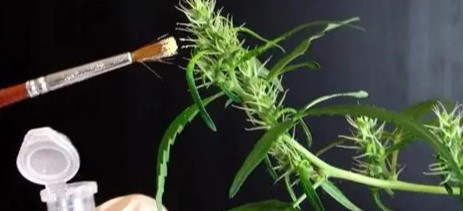
- Genomic Markers: Identification of genetic markers linked to THCV and CBG biosynthesis has allowed breeders to more accurately select parent plants.
- Backcrossing and Stabilization: After identifying promising phenotypes, breeders use backcrossing to reinforce cannabinoid production while ensuring plant vigor, yield, and resistance.
- Pure-line Seeds: Stabilized seeds with consistent THCV or CBG output are now available, making it easier for growers to produce cannabinoid-specific harvests.
3. Therapeutic Potential
THCV
THCV’s unique pharmacological profile gives it potential across a variety of medical applications:
- Appetite Suppression: Unlike THC, which increases appetite, THCV has been shown to suppress it. This could be helpful in weight management and obesity-related conditions.
- Diabetes and Metabolic Disorders: THCV improves glycemic control and insulin sensitivity, making it a candidate for type 2 diabetes interventions.
- Neurological Disorders: Its ability to modulate CB1 receptors and influence dopamine signaling points to potential in treating Parkinson’s disease and epilepsy.
- Anxiety and PTSD: THCV has anxiolytic properties in low doses without the paranoia that high-THC strains may induce.
CBG
CBG has a diverse therapeutic range due to its broad receptor interactions:
- Anti-inflammatory and Analgesic: CBG shows promise in inflammatory bowel disease (IBD), arthritis, and chronic pain management.
- Neuroprotective Effects: CBG may protect neurons in Huntington’s disease and other neurodegenerative conditions.
- Antibacterial and Antimicrobial: CBG has demonstrated strong activity against antibiotic-resistant strains like MRSA.
- Bladder Dysfunction and Glaucoma: It can reduce bladder contractions and intraocular pressure, expanding its urological and ophthalmic utility.
4. Market and Industry Impact
The emergence of THCV- and CBG-rich seeds reflects shifting consumer awareness and demands in both medical and adult-use markets.
Consumer Trends
- Personalized Wellness: Consumers are increasingly looking for targeted effects (e.g., appetite control, focus, relaxation without sedation), rather than generic high-THC experiences.
- Non-Intoxicating Options: CBG appeals to health-conscious users and professionals who want the benefits of cannabis without psychoactive impairment.
- Niche Recreational Appeal: THCV’s energizing, clear-headed high has been dubbed “diet weed” and is gaining traction among productivity-minded users.
Product Innovation
- Extracts and Isolates: High-THCV and high-CBG strains are fueling the development of concentrated products for tinctures, capsules, vapes, and edibles.
- Functional Blends: Formulations are being created that combine cannabinoids with terpenes for enhanced effects (e.g., CBG with β-caryophyllene for inflammation).
- Veterinary Applications: CBG’s mild and versatile profile is being explored in animal health products, particularly for aging pets.
Cultivation and Economics
- Cost of Production: Initially, growing rare-cannabinoid strains was costly due to low yields and unstable genetics. With stabilized seed lines, production is becoming more scalable.
- Regulatory Considerations: While not scheduled like THC, THCV and CBG fall into gray areas depending on jurisdiction. However, CBG-rich hemp strains (<0.3% THC) are legal under U.S. federal law, opening up industrial-scale farming.
- Global Opportunities: Countries with evolving cannabis laws (e.g., Germany, Thailand, Australia) present fertile ground for novel cannabinoid products and seeds.
5. Notable Seed Strains and Breeders
Seed banks and cannabis breeders are playing a critical role in popularizing THCV- and CBG-rich cultivars.
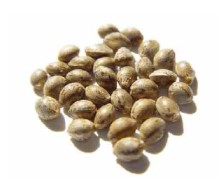
THCV-Rich Seeds
- Doug’s Varin: One of the earliest known high-THCV strains, offering up to 15% THCV.
- Pineapple Purps: A sativa-dominant cultivar with a THCV to THC ratio that may reach 3:1.
- Durban Poison (select phenotypes): Some lines naturally express higher levels of THCV and have been used as breeding stock.
CBG-Rich Seeds
- White CBG: A stable strain that produces over 10% CBG and less than 0.1% THC, compliant with hemp laws.
- Stem Cell CBG: Known for high resin production and strong agronomic performance.
- Super Glue CBG: A newer entrant combining robust terpene profiles with CBG dominance.
Breeders such as Oregon CBD, Humboldt Seed Company, and Front Range Biosciences have led the way in producing stable, compliant, and commercially viable CBG and THCV seed lines.
6. Scientific Challenges and Research Directions
While the market demand is growing, the science behind THCV and CBG cultivation and pharmacology is still developing.
- Analytical Limitations: Many testing labs lack calibration standards for accurate quantification of rare cannabinoids.
- Environmental Variables: Cannabinoid expression is influenced by light spectrum, nutrients, and stress making consistent production a challenge.
- Legal Hurdles: With international regulatory bodies slowly adapting to new cannabinoid profiles, research and export remain bottlenecked.
7. Future Outlook
The future of cannabinoid-specific cannabis lies in the convergence of biotechnology, personalized medicine, and refined cultivation techniques. As more consumers move toward intentional cannabis use focused on health, wellness, and productivity seed innovation will be crucial.
Key forecasts include:
- Biotech breeding: CRISPR and other gene-editing tools may accelerate the development of super-strains with tailored cannabinoid profiles.
- Vertical integration: Cultivators will grow proprietary cannabinoid-rich plants for in-house extraction and branded product lines.
- Legal harmonization: As regulators better understand minor cannabinoids, clearer paths for medical approval and interstate commerce will emerge.
- Therapeutic mainstreaming: THCV and CBG products could become prescription-grade components in treatments for metabolic, neurodegenerative, and infectious diseases.
Conclusion
The rise of novel cannabinoid-rich seeds marks a pivotal moment in cannabis evolution. THCV and CBG are transforming how we breed, consume, and apply cannabis from high-tech greenhouses to specialized medical formulations. With innovation accelerating across genetics, cultivation, and research, these minor cannabinoids may soon play major roles in reshaping the global cannabis ecosystem. As the scientific foundation solidifies and regulatory frameworks adjust, THCV- and CBG-dominant cultivars are poised to lead a new era of functional and therapeutic cannabis.
