The Quickest Medical Cannabis Seed: A Comprehensive Guide
Growing medical cannabis involves various factors, including strain selection, environmental control, and growing techniques. For patients who require rapid access to their medication, choosing a fast-growing cannabis seed can be crucial. This guide delves into the quickest medical cannabis seeds, their unique characteristics, medical benefits, and optimal growing conditions, focusing on medical use and excluding recreational purposes.
1. Understanding Fast-Growing Cannabis Seeds
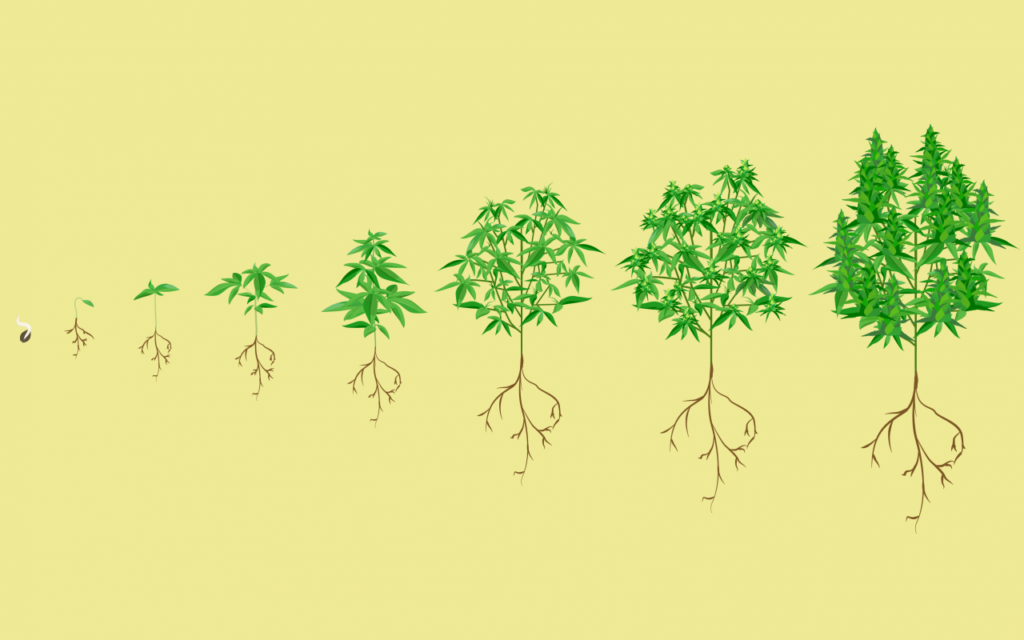
Fast-growing cannabis seeds are typically autoflowering strains, known for their short life cycle from seed to harvest. These strains are bred to flower automatically based on age rather than light cycles, allowing them to mature faster than photoperiod strains. Fast-growing strains can be crucial for patients needing a quick supply of medical cannabis, particularly in climates with short growing seasons or limited indoor space.
Key Characteristics of Fast-Growing Medical Cannabis Seeds:
- Short Growth Cycle: Typically, 8-10 weeks from seed to harvest.
- Autoflowering Genetics: Derived from Cannabis ruderalis, which automatically flowers regardless of light exposure.
- Small and Compact Size: Ideal for indoor or limited-space growing.
- Resilient and Hardy: Better suited to withstand environmental stressors like pests, mold, and variable weather.
2. Top Fast-Growing Medical Cannabis Seeds
Here are some of the most efficient fast-growing medical cannabis seeds that offer quick harvests and substantial medical benefits:
A. CBD Auto White Widow
Origins: A cross between the original White Widow and a high-CBD autoflowering strain.
Growth Characteristics:
- Time to Harvest: Approximately 8-9 weeks.
- Height: Small to medium, around 50-110 cm.
- Yield: 25-60 grams per plant indoors; up to 150 grams per plant outdoors.
Medical Benefits:
- High CBD Content: Typically around 10-15%, with low THC levels (less than 1%), offering significant medical benefits without psychoactive effects.
- Uses: Effective for pain relief, anxiety reduction, and anti-inflammatory purposes.
- Growing Conditions: Thrives indoors and outdoors. Needs a controlled atmosphere to produce the most CBD, with a constant temperature and humidity level.
B. CBD Auto Charlotte’s Angel
Origins: Derived from Charlotte’s Angel, a popular high-CBD strain, crossed with an autoflowering CBD strain.
Growth Characteristics:
- Time to Harvest: 9-10 weeks.
- Height: Medium, reaching up to 120 cm.
- Yield: 60-80 grams per plant indoors; up to 180 grams per plant outdoors.
Medical Benefits:
- CBD Dominant: CBD levels range from 15-20%, THC remains below 1%.
- Uses: Ideal for reducing seizures, inflammation, chronic pain, and anxiety without psychoactive effects.
- Growing Conditions: Performs well in various climates; prefers a controlled indoor environment with consistent lighting and nutrient supply.
C. CBD Auto Compassion Lime
Origins: A hybrid of CBD Compassion and Daiquiri Lime, an autoflowering strain.
Growth Characteristics:
- Time to Harvest: 9-10 weeks.
- Height: Compact, around 80-100 cm.
- Yield: 50-100 grams per plant indoors; up to 200 grams per plant outdoors.
Medical Benefits:
- Balanced CBD-THC Ratio: Around 9-10% CBD and less than 1% THC, offering mild therapeutic effects without significant psychoactivity.
- Uses: Effective for managing stress, mild pain, and mood disorders.
- Growing Conditions: Adaptable to indoor and outdoor environments; requires adequate airflow to prevent mold.
3. Advantages of Growing Fast-Growing Medical Cannabis Seeds
Fast-growing cannabis seeds offer several advantages, particularly for medical use:
A. Rapid Harvest Time
The shorter life cycle (8-10 weeks) ensures a quicker harvest, which is crucial for patients requiring immediate access to their medication. This also allows multiple harvests per year, ensuring a steady supply.
B. Resilience and Versatility
Autoflowering seeds, often bred for resilience, can withstand various environmental stressors, including pests, mold, and temperature fluctuations. This makes them ideal for novice growers and those in less-than-ideal growing conditions.
C. Controlled Cannabinoid Profile
Medical cannabis strains are specifically bred to have a high CBD content with low THC levels, ensuring therapeutic benefits without psychoactive effects. This is particularly important for patients who need relief from pain, anxiety, and other symptoms but cannot tolerate or do not desire the psychoactive effects of THC.
4. Growing Conditions for Fast-Growing Medical Cannabis Seeds
To maximize the benefits of fast-growing medical cannabis strains, understanding optimal growing conditions is essential:
A. Indoor Growing Environment
- Lighting: Use LED or CFL grow lights to provide sufficient light while managing heat. Autoflowers generally thrive under 18-20 hours of light per day throughout their life cycle.
- Temperature: Maintain temperatures between 20-28°C (68-82°F) during the day and slightly cooler at night.
- Humidity: Keep relative humidity around 50-60% during the vegetative stage, reducing to 40-50% during flowering to prevent mold.
- Soil and Nutrients: Use well-aerated soil or hydroponic systems with balanced nutrients. Autoflowers are sensitive to overfeeding, so start with lower nutrient levels and adjust based on plant response.
- Air Circulation: Ensure proper air circulation with fans or ventilation systems to strengthen stems and prevent mold or mildew.
B. Outdoor Growing Environment
- Climate: Choose a sunny spot with direct sunlight for at least 5-6 hours daily. Autoflowers are adaptable but perform best in moderate climates.
- Soil Preparation: Prepare well-drained soil enriched with organic matter. Autoflowers have a short growth cycle, so ensuring good soil quality from the start is crucial.
- Watering: Maintain consistent moisture levels without overwatering. Autoflowers have a compact root system, making them susceptible to root rot if overwatered.
- Pest Management: Use organic pest control methods to protect plants from pests without affecting their medical quality. Companion planting with pest-repellent herbs like basil and marigold can be effective.
5. Choosing the Right Seed for Medical Use
Selecting the correct seed involves several factors, including the medical condition being treated, the desired cannabinoid profile, and the patient’s sensitivity to THC:
A. Medical Conditions and Corresponding Strains
- Chronic Pain: Strains like CBD Auto White Widow and CBD Auto Charlotte’s Angel are ideal due to their high CBD content and minimal THC, providing relief without psychoactive effects.
- Anxiety and Stress: CBD Auto Compassion Lime and similar high-CBD, low-THC strains are effective for reducing anxiety and stress without causing sedation.
- Inflammation and Arthritis: High-CBD strains with anti-inflammatory properties, such as CBD Auto White Widow, are suitable for managing arthritis and other inflammatory conditions.
B. Cannabinoid Profile
- For conditions like epilepsy or chronic pain where high CBD content is necessary, select strains with at least 15% CBD and less than 1% THC.
- For milder symptoms or those who prefer a balanced effect, strains with a 1:1 CBD-THC ratio can be considered, provided they align with medical guidelines.
6. Best Practices for Growing Fast-Growing Medical Cannabis
To ensure a successful harvest, consider the following best practices:
A. Optimize Light Exposure
Autoflowering strains need ample light to maximize their growth potential. Maintain an 18-20 hour light cycle and use reflective surfaces or light movers to ensure even distribution.
B. Monitor Plant Health
Regularly check for signs of nutrient deficiency, pests, or mold. Yellowing leaves, wilting, or discoloration can indicate problems requiring immediate attention.
C. Pruning and Training
Light pruning and low-stress training (LST) can help increase yields by allowing more light penetration to lower branches. However, avoid aggressive training methods that could stress the plant.
D. Harvest Timing
Peak quantities of cannabinoids are indicated by milky white trichomes with hints of amber. Use a magnifying glass or digital microscope for accuracy.
1. Growing Restrictions for Medical Cannabis
Strict rules govern the growth of medical cannabis to guarantee that the product is contaminant-free, reliable, and safe. These regulations vary by country and jurisdiction but often include:
A. Licensing and Permits
- Cultivation License: Growers must obtain a license from relevant government authorities, such as the Department of Health or Agriculture, to cultivate cannabis legally. This license often requires detailed documentation, including the location of cultivation, security measures, and adherence to agricultural standards.
- Seed Certification: Only certified seeds, often from licensed producers, can be used for medical cannabis cultivation. This certification ensures that the seeds meet quality standards and are free from contaminants such as molds, pesticides, or heavy metals.
B. Controlled Environment Requirements
- Quality Control: Medical cannabis must be grown in a controlled environment, such as greenhouses or indoor facilities, to ensure consistency in cannabinoid profiles, including THC and CBD levels. Outdoor growing is often restricted due to the inability to control environmental factors that can affect the plant’s chemical composition.
- Security Measures: Cultivation sites must have strict security protocols, including surveillance systems, restricted access, and secure storage to prevent unauthorized access or theft.
C. Monitoring and Testing
- Regular Testing: Growers are required to test the cannabis plants regularly for potency (THC and CBD levels), purity, and contaminants. Accredited laboratories perform these tests, and the results must be reported to regulatory bodies.
- Batch Control: Each batch of medical cannabis must be traceable from seed to final product to ensure compliance with medical standards. This traceability is critical for patient safety and accountability.
2. Restrictions on Using Cannabis as a Last Resort in the Medical Field
Cannabis is often classified as a “last-resort” medication in medical guidelines, meaning it should only be used when conventional treatments have failed or are not suitable. This classification comes with specific restrictions:
A. Documentation of Previous Treatments
- Requirement for Medical History: Physicians must document that a patient has tried and failed other standard treatments before prescribing medical cannabis. This documentation should include details on the type of treatments tried, their duration, and the reasons for their ineffectiveness or inapplicability.
B. Prescribing Guidelines
- Specialist Prescription Only: In many jurisdictions, only specialist physicians, such as oncologists, neurologists, or pain management experts, can prescribe medical cannabis. This restriction ensures that cannabis is used appropriately and only for specific, medically justified conditions.
- Defined Medical Conditions: Medical cannabis is typically approved for use only in certain conditions, such as chronic pain, multiple sclerosis, epilepsy, or cancer-related symptoms. It is not generally prescribed for conditions where standard treatments are available and effective.
C. Regular Patient Monitoring
- Follow-up and Evaluation: Patients using medical cannabis must be closely monitored by their healthcare provider. This monitoring includes regular follow-ups to assess the efficacy of the treatment, any adverse effects, and any signs of misuse or dependency.
- Dosage Control: Physicians must prescribe the lowest effective dose and adjust it based on patient response. This careful dosage management aims to prevent potential psychoactive effects and adverse reactions.
3. Monitoring THC Levels in Medications to Prevent Psychoactive Effects
The main ingredient in cannabis that gives it its euphoric properties is THC. For medical cannabis, particularly for patients who are sensitive to these effects, monitoring and controlling THC levels is crucial. Here are some of the key practices and restrictions involved:
A. Setting THC Limits in Medical Cannabis Products
- THC Content Regulation: Medical cannabis products are required to contain low levels of THC, often less than 1%, depending on local regulations. High-CBD, low-THC strains are preferred to maximize therapeutic benefits without causing psychoactivity.
- Product Labeling: All medical cannabis products must have clear labeling indicating the precise THC and CBD content. This labeling helps healthcare providers and patients make informed choices based on their needs and tolerances.
B. Pharmaceutical Formulations
- Standardized Extracts: To ensure consistent dosing, medical cannabis is often provided in standardized formulations, such as oils, capsules, or tinctures. These products are manufactured under controlled conditions to ensure that THC levels remain within safe, legal limits.
- Monitoring and Adjustment: THC levels in cannabis-based medications are frequently monitored, with adjustments made as needed to align with medical guidelines and minimize psychoactive effects. Adjustments can include altering the strain used, refining the extraction process, or modifying the dosage form.
C. Patient-Specific Considerations
- Individual Sensitivity: Different patients have varying levels of sensitivity to THC. Physicians must consider individual tolerance levels when prescribing cannabis and may need to start with microdoses to assess patient response.
- Use of CBD-Rich Strains: For patients particularly sensitive to THC, strains or products with higher CBD content and negligible THC are recommended. CBD is known to counteract some of the psychoactive effects of THC, providing therapeutic benefits without causing a “high.”
Comprehensive Conclusion
The use of medical cannabis represents a dynamic and evolving aspect of modern healthcare, offering significant benefits for a wide range of medical conditions, from chronic pain to neurological disorders. As our understanding of the therapeutic potential of cannabis deepens, so too does the need for a rigorous regulatory framework that ensures patient safety, product quality, and appropriate usage. The topics discussed here — including the cultivation of fast-growing cannabis seeds, the use of cannabis as a last-resort medication, and the meticulous monitoring of THC levels in medical products — all underscore the complexities and responsibilities inherent in integrating cannabis into medical practice.
1. Cultivation of Fast-Growing Medical Cannabis Seeds
Fast-growing cannabis seeds, particularly autoflowering strains, are an essential innovation in the field of medical cannabis. They provide a swift and efficient means of producing cannabis that is rich in therapeutic compounds such as CBD, while minimizing the levels of THC, which is responsible for the psychoactive effects. Strains like CBD Auto White Widow, CBD Auto Charlotte’s Angel, and CBD Auto Compassion Lime offer critical advantages such as shorter harvest times, resilience to environmental challenges, and a consistent cannabinoid profile.
These strains are particularly beneficial for patients requiring rapid access to their medication, especially in regions with limited growing seasons or for those who cannot afford long waiting periods. The cultivation of these fast-growing strains requires a controlled environment, regular monitoring, and adherence to best practices to maximize their therapeutic potential while ensuring patient safety.
2. Restrictions on Growing and Using Medical Cannabis as a Last Resort
Medical cannabis is often regulated as a “last-resort” treatment option, to be considered only when conventional therapies have failed or are not suitable. This restriction is vital for several reasons: it ensures that cannabis is used appropriately and conservatively, minimizes potential risks associated with its use, and underscores the importance of evidence-based medicine.
Regulatory frameworks around the world require strict documentation of previous treatments, limit prescriptions to specialist physicians, and enforce regular monitoring and follow-ups with patients. These measures help ensure that medical cannabis is used judiciously, with a clear therapeutic goal and under professional supervision. By maintaining these restrictions, the medical community can safeguard against misuse, dependency, and the inappropriate expansion of cannabis use beyond its intended medical applications.
3. Monitoring THC Levels to Prevent Psychoactive Effects
One of the most significant concerns with medical cannabis is its potential for psychoactive effects due to THC content. Although THC has medicinal qualities, it is also the substance that gives users of cannabis the “high”. For medical cannabis to be a viable option for a broader range of patients — including those who are sensitive to psychoactive effects or who require clear cognition, such as the elderly or children — controlling THC levels is essential.
Regulations around the world set strict limits on THC content in medical cannabis products, often mandating low levels (typically below 1%) while promoting high-CBD strains that provide therapeutic benefits without intoxication. To achieve this, cannabis products undergo rigorous testing and quality control procedures, ensuring that every batch is consistent in its cannabinoid profile. This practice not only protects patients but also aligns with broader public health goals by minimizing the risks associated with cannabis use.
4. Global Perspectives on Medical Cannabis Regulations
Regulations surrounding the cultivation and use of medical cannabis differ widely across countries and jurisdictions, reflecting varying legal frameworks, cultural attitudes, and levels of acceptance. In countries like the United States, Canada, Germany, the Netherlands, and Australia, medical cannabis programs have been implemented with careful consideration to balance access with safety and control.
These programs typically include strict licensing requirements for growers, rigorous testing and quality assurance standards, and comprehensive monitoring of patient outcomes. They also set clear guidelines on which conditions qualify for medical cannabis treatment, the appropriate cannabinoid profiles for different medical conditions, and the methods of administration. This global regulatory diversity provides valuable insights into best practices for managing medical cannabis while ensuring it remains a safe and effective option for patients.
5. The Importance of Regulatory Compliance and Patient Safety
Across all these topics, one theme remains constant: the importance of regulation and oversight in ensuring that medical cannabis fulfills its potential as a safe, effective treatment option. Regulations on growing, prescribing, and monitoring cannabis are designed to protect patients from potential risks, such as contamination, inconsistent dosing, or exposure to psychoactive effects. These regulations also help to maintain the integrity of medical cannabis programs, ensuring they are based on scientific evidence and aligned with medical best practices.
By adhering to these regulations, healthcare providers can offer cannabis-based treatments that are both safe and effective, ensuring that patients receive the benefits they need while minimizing potential harms. This careful balance is crucial as the medical community continues to explore the full therapeutic potential of cannabis.
6. Balancing Innovation with Responsibility in Medical Cannabis Use
Medical cannabis presents a unique challenge and opportunity for modern healthcare. On one hand, it offers promising therapeutic potential for a range of conditions, many of which are not adequately addressed by conventional treatments. On the other hand, it requires a careful, responsible approach to ensure that this potential is realized safely and effectively. By focusing on fast-growing strains, implementing strict regulations for use as a last resort, and monitoring THC levels to prevent psychoactivity, we can navigate the complexities of medical cannabis in a way that prioritizes patient well-being.
As our understanding of cannabis continues to grow, so too must our commitment to rigorous scientific investigation, thoughtful regulation, and patient-centered care. By embracing these principles, the medical community can harness the benefits of cannabis while safeguarding against its risks, ensuring that it serves as a valuable tool in the treatment of patients around the world. In doing so, medical cannabis can fulfill its potential as a transformative force in healthcare, offering new hope and relief to those in need.
