Table of Contents
The OX cannabis strain is an indica-dominant hybrid renowned for its distinct profile and broad variety of uses in both recreational and medical settings. This strain is a product of meticulous breeding, bringing together unique genetic attributes to deliver potent effects and remarkable flavors. A creation by Rare Dankness, The OX is the offspring of Bubba Kush and a Stone Mountain strain, which itself carries Blueberry genetics. This genetic lineage gives The OX a balanced yet indica-leaning profile that appeals to a wide spectrum of cannabis enthusiasts.
In this article, we delve into the intricate details of The OX cannabis strain, exploring its origins, chemical composition, effects, flavors, medical applications, and recreational uses. Additionally, we examine the scientific aspects that contribute to its popularity and efficacy.
Genetic Lineage and Origins
The OX is the result of a cross between two renowned strains:
- Bubba Kush: A classic indica strain celebrated for its relaxing and sedative effects. Its earthy and sweet flavor profile, combined with its potent physical relaxation, sets the foundation for The OX’s calming properties.
- Stone Mountain: A Rare Dankness creation that incorporates Blueberry genetics. Stone Mountain contributes the fruity and berry-like flavors to The OX, enhancing its sensory appeal.
Together, these parent strains create a cultivar that inherits the best of both worlds: potent effects, a rich terpene profile, and a unique aroma.
Appearance, Aroma, and Flavor
- Appearance: The OX buds are visually striking, characterized by dense, tightly packed flowers. The nugs are a deep forest green with shades of purple interspersed throughout. Orange pistils weave through the buds, and a generous layer of trichomes gives the strain a frosted appearance.
- Aroma: The OX boasts a complex aroma that combines earthy, coffee-like undertones with sweet, berry notes. Hints of chocolate and spice add to its rich olfactory experience.
- Flavor: On the palate, The OX offers a blend of sweet and savory flavors. The initial taste often features a bold coffee or mocha flavor, complemented by subtle blueberry and chocolate undertones. A spicy finish lingers, making it a favorite among connoisseurs.
Chemical Composition
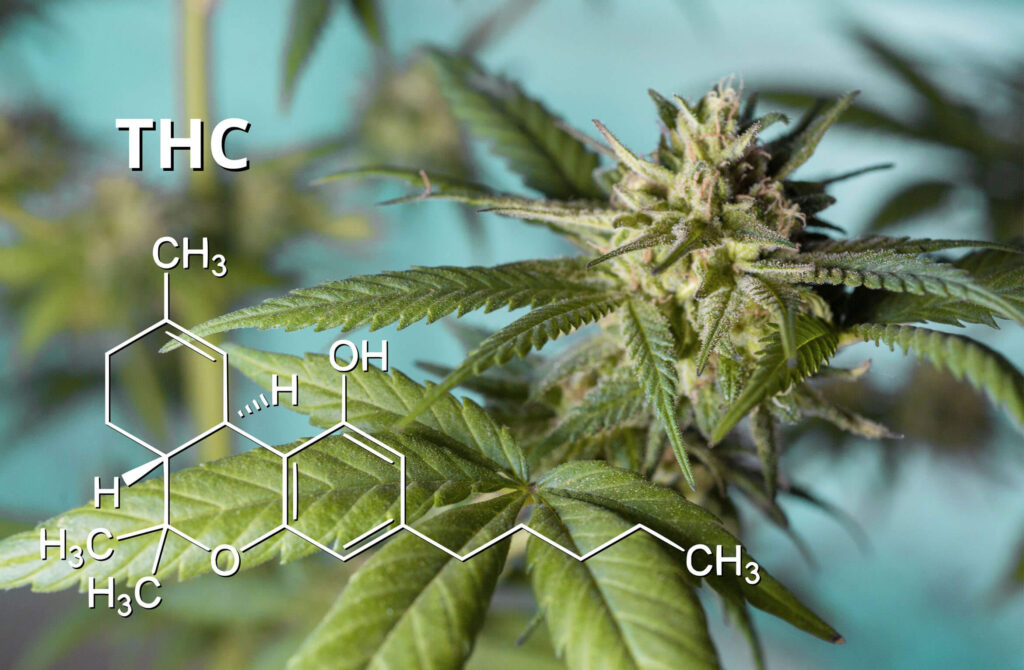
- Cannabinoids:
- THC: The OX typically contains THC levels ranging between 18% and 25%, making it a potent strain suitable for experienced users.
- CBD: While primarily THC-dominant, some phenotypes of The OX may exhibit small amounts of CBD, enhancing its therapeutic potential.
- Terpenes:
- Myrcene: Dominant in The OX, contributing to its sedative and relaxing effects.
- Pinene: Adds a refreshing pine aroma and may counteract memory impairment.
- Caryophyllene: Responsible for the spicy and peppery notes, this terpene also interacts with CB2 receptors, offering anti-inflammatory benefits.
- Limonene: Provides subtle citrus undertones and mood-enhancing properties.
- Flavonoids:
- Flavonoids such as quercetin and anthocyanins are likely present, contributing to the strain’s purple hues and antioxidant properties.
Effects and Recreational Uses
- Onset and Duration:
- The OX delivers a gradual onset of effects, beginning with a cerebral buzz that transitions into deep physical relaxation. Its high can last between 2 to 4 hours, depending on the user’s tolerance and dosage.
- Recreational Appeal:
- Relaxation: The OX is perfect for unwinding after a long day. Its indica dominance provides a full-body relaxation that can help users feel grounded and calm.
- Creativity: Despite its sedative effects, many users report a boost in creative thinking during the initial stages of the high.
- Socializing: In moderate doses, The OX can facilitate pleasant conversations and a mellow, sociable vibe.
- Flavor Exploration: Cannabis enthusiasts who prioritize flavor often gravitate toward The OX for its unique and enjoyable taste profile.
- Recreational Scenarios:
- Evening relaxation: Ideal for quiet nights at home.
- Artistic pursuits: Encourages creative thinking in the early stages.
- Culinary exploration: Enhances the enjoyment of richly flavored foods.
Medical Applications
- Pain Management:
- The OX is highly effective in alleviating chronic pain, migraines, and muscle spasms. Its high THC content interacts with the endocannabinoid system to modulate pain perception.
- Anxiety and Stress:
- The strain’s calming effects make it a popular choice for those dealing with anxiety disorders and high stress levels. The terpene myrcene, in particular, plays a role in promoting relaxation.
- Sleep Disorders:
- With its sedative properties, The OX is often recommended for individuals suffering from insomnia. A few puffs before bedtime can induce a restful night’s sleep.
- Appetite Stimulation:
- Users with appetite loss due to medical conditions or treatments like chemotherapy may benefit from The OX, as it is known to stimulate hunger.
- Inflammatory Conditions:
- The presence of caryophyllene, a terpene known for its anti-inflammatory effects, makes The OX a suitable option for conditions like arthritis and Crohn’s disease.
- Mental Health Support:
- While not a substitute for professional treatment, The OX can provide temporary relief from symptoms of mood disorders, including depression and PTSD.
Scientific Insights
- Mechanisms of Action:
- THC in The OX binds to CB1 receptors in the brain, producing its psychoactive effects and pain-relieving properties.
- Caryophyllene’s interaction with CB2 receptors may contribute to its anti-inflammatory benefits.
- Terpene Synergy:
- The combination of myrcene, caryophyllene, and limonene creates an entourage effect, enhancing the therapeutic potential of the strain.
- Potential for Personalized Medicine:
- The OX’s diverse chemical profile makes it a candidate for further research in personalized cannabis-based therapies. For instance, its balance of sedative and uplifting effects could be tailored for specific medical conditions.
- Safety and Tolerance:
- While generally well-tolerated, The OX can cause dry mouth, dry eyes, and mild dizziness in some users. Novices should start with low doses to avoid overwhelming effects.
Cultivation Techniques for The OX
- Optimal Growing Medium:
- The OX thrives in both soil and hydroponic systems. Using a nutrient-rich organic soil enhances the terpene profile, resulting in more pronounced flavors and aromas.
- Hydroponics can accelerate growth and maximize yields by delivering nutrients directly to the roots but may require more technical expertise.
- Nutrient Requirements:
- Nitrogen (N): Essential during the vegetative stage to promote vigorous growth and healthy foliage.
- Phosphorus (P) and Potassium (K): Critical during the flowering stage to enhance bud formation and resin production.
- Supplementing micronutrients such as calcium, magnesium, and sulfur ensures robust plant health and optimal cannabinoid production.
- Lighting:
- For indoor cultivation, full-spectrum LED grow lights are recommended to mimic natural sunlight and provide energy efficiency.
- During the day, an 18/6 light schedule (18 hours of light, 6 hours of darkness) vegetative phase and 12/12 during the flowering phase ensures proper growth and bud development.
- Temperature and Humidity Control:
- Vegetative Stage: Maintain temperatures between 70-85°F (21-29°C) with 40-70% relative humidity.
- Flowering Stage: Lower temperatures to 65-80°F (18-26°C) and reduce humidity to 40-50% to prevent mold and enhance resin production.
- Pruning and Training:
- Topping: Encourages lateral growth and increases the number of budding sites.
- Low-Stress Training (LST): Bends the branches gently to expose more bud sites to light, improving overall yield.
- Defoliation: Removes excess fan leaves to improve airflow and light penetration, reducing the risk of mold and pests.
- Watering Practices:
- Ensure consistent watering to prevent overwatering or underwatering. When watering, let the topsoil dry a little.
- pH levels for water should range between 6.0-7.0 for soil and 5.5-6.5 for hydroponic systems to optimize nutrient uptake.
- Pest and Disease Management:
- Preventative Measures: Employ integrated pest management (IPM) strategies such as introducing beneficial insects (e.g., ladybugs) and using neem oil sprays.
- Common Pests: Spider mites and aphids can be mitigated with regular monitoring and organic treatments.
- Disease Resistance: The OX’s natural resistance to mildew and mold can be bolstered with proper ventilation and controlled humidity levels.
- Harvest Timing:
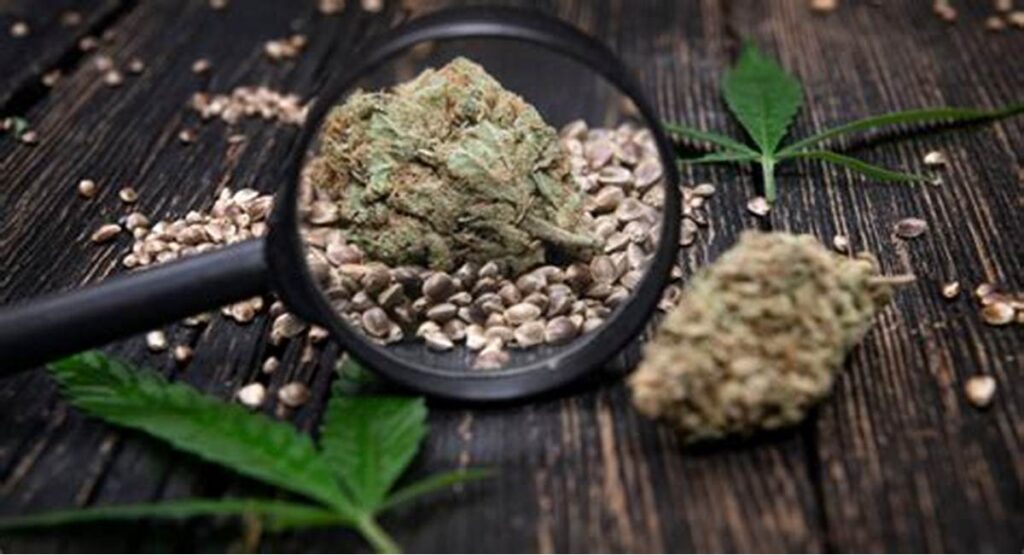
- Use a microscope or magnifying glass to keep an eye on trichomes. Harvest when most trichomes shift from clear to cloudy for a balanced effect or when they turn amber for a more sedative experience.
- Curing and Storage:
- After harvesting, dry the buds in a dark, cool space with 50-60% humidity and temperatures around 60-70°F (15-21°C).
- Cure the dried buds in airtight containers, opening them daily for the first two weeks to release moisture and enhance flavor and potency.
- Store in a dark, cool place to preserve terpenes and cannabinoids over time.
Methods of ingestion, onset, duration, and their underlying mechanisms:
| Method of Ingestion | Onset | Duration | Scientific Insights | Pros | Cons |
|---|---|---|---|---|---|
| Smoking | 1-5 minutes | 2-4 hours | Combustion activates cannabinoids (decarboxylation) instantly, allowing rapid THC and terpene absorption via the lungs. | Immediate bioavailability; high THC and terpene delivery | Combustion produces harmful byproducts (e.g., tar); terpene degradation due to high heat |
| Vaporization | 1-5 minutes | 2-4 hours | Heats cannabis to 315-435°F, preserving volatile compounds like terpenes while decarboxylating THC and CBD effectively. | Cleaner consumption method; preserves terpenes and cannabinoids for enhanced flavor | Requires specific equipment; can be expensive for high-quality vaporizers |
| Edibles | 30 minutes-2 hours | 6-8 hours | THC is metabolized by the liver into 11-hydroxy-THC, a more potent and long-lasting psychoactive compound. | Long-lasting effects; discreet and convenient | Delayed onset increases risk of overconsumption; metabolization varies by individual |
| Tinctures (Sublingual) | 15-30 minutes | 4-6 hours | Absorption occurs through oral mucosa, bypassing first-pass metabolism for quicker onset than edibles. | Fast acting compared to edibles, precise dosing achievable | Alcohol-based tinctures may cause irritation in sensitive users; taste may be unpleasant |
| Topicals | No psychoactive effects | Up to 6 hours | Cannabinoids bind to CB2 receptors in the skin, providing localized anti-inflammatory and analgesic effects. | Non-psychoactive; effective for localized pain and inflammation | Limited to surface-level relief; cannot treat systemic issues |
| Concentrates (Dabbing) | Seconds-2 minutes | 2-4 hours | Extremely high cannabinoid concentrations (up to 80-90%) rapidly absorbed through the lungs. | Potent and fast-acting; ideal for experienced users | High potency increases risk of overconsumption for novices; requires specialized equipment |
Additional Scientific Insights:
- Bioavailability:
- Smoking/Vaping: Offers 10-35% bioavailability due to direct entry of THC into the bloodstream via the lungs.
- Edibles: Lower bioavailability (4-20%) due to first-pass metabolism but results in the production of 11-hydroxy-THC, enhancing potency.
- Sublingual: Bioavailability ranges between 15-35%, providing quicker effects compared to edibles.
- Duration:
- Shorter (Smoking/Vaping): Ideal for users who need immediate relief with controlled duration.
- Longer (Edibles): Suitable for chronic conditions due to sustained effects.
- Onset Mechanisms:
- Smoking/Vaping: THC bypasses the digestive system, entering the bloodstream rapidly through alveoli in the lungs.
- Edibles: THC undergoes enzymatic conversion in the liver, slowing onset but significantly intensifying effects.
- Topicals: Cannabinoids interact locally with endocannabinoid receptors in the epidermis without entering the bloodstream.
Consumer Reviews and Popularity
- User Feedback:
- Many users praise The OX for its well-rounded effects and unique flavor. It is frequently described as a “couch-friendly” strain that provides deep relaxation without complete sedation.
- Market Availability:
- While not as widely available as some mainstream strains, The OX is a favorite in dispensaries specializing in Rare Dankness genetics. It is often found in flower form, but concentrates and edibles made from The OX are also gaining popularity.
Conclusion
The OX is a standout indica-dominant hybrid that excels in both recreational and medical applications. Its unique blend of genetics, coupled with its potent effects and rich flavor profile, makes it a strain that cannabis lovers are interested in. Whether used to unwind after a stressful day, manage chronic pain, or simply enjoy its sophisticated flavors, The OX continues to make its mark in the cannabis community.
For those seeking a strain that combines the best of relaxation, therapeutic benefits, and sensory delight, The OX offers a compelling choice. As research into cannabis and its myriad compounds progresses, The OX’s nuanced profile positions it as a valuable candidate for further exploration in the realms of medicine and recreation.
For a complete directory of cultivars, visit our Cannabis Strain Reviews.
