
The Origins of Cannabis: How the Plant Spread Across the World
Introduction
Cannabis, commonly referred to as weed, has a rich and complex history that spans thousands of years, weaving its way through various cultures and civilizations. Since ancient times, this plant has been valued for its therapeutic qualities and has been widely used in traditional medicine all over the world. This document delves into the origins of cannabis, tracing its journey from its earliest known use to its global spread, with a particular emphasis on its medical applications. We will exclude any discussion of recreational use and consumption methods to focus solely on the medical history and the global journey of this remarkable plant.
The Early Origins of Cannabis
Cannabis is believed to have originated in Central Asia, with the earliest evidence of its use dating back to approximately 10,000 years ago. According to archeological discoveries, the plant was first grown in an area that covers southern Siberia and modern-day Mongolia. The inhabitants of these regions discovered the plant’s psychoactive and medicinal properties early on, incorporating it into their spiritual and healing practices.
Ancient China: The Birthplace of Medical Cannabis
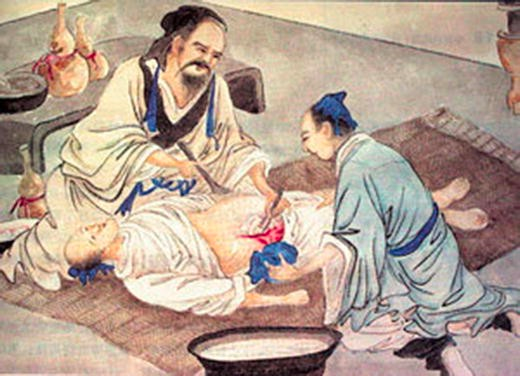
One of the earliest recorded uses of cannabis for medicinal purposes comes from ancient China. The Chinese Emperor Shen Nong, who is considered the father of Chinese medicine, wrote extensively about the therapeutic benefits of cannabis in his pharmacopeia, the “Pen Tsao Jing,” around 2700 BCE. Shen Nong’s writings describe cannabis as a treatment for various ailments, including pain, rheumatism, and malaria. It was also used to stimulate appetite and as an anesthetic during surgical procedures.
In traditional Chinese medicine (TCM), cannabis was known as “Ma” and was considered a versatile herb. The seeds, leaves, and roots were used to treat a wide range of conditions. The seeds were particularly valued for their nutritional content and were used as a laxative and to reduce inflammation. The roots were often boiled to create a decoction that was applied to reduce pain and swelling.
The use of cannabis in ancient China laid the foundation for its medicinal applications, and the plant became deeply ingrained in Chinese medical practices, influencing subsequent cultures and medical traditions.
India: Cannabis in Ayurvedic Medicine
Cannabis spread from Central Asia to the Indian subcontinent, where it became an integral part of Ayurvedic medicine. The earliest references to cannabis in India date back to around 2000 BCE, where it was known as “bhang,” “ganja,” or “charas,” depending on its form and preparation.
In Ayurveda, cannabis was regarded as a sacred plant with potent medicinal properties. It was believed to balance the body’s energies and was used to treat a wide array of conditions, including digestive issues, fever, and respiratory problems. The plant was also used to alleviate pain and anxiety, and its anti-inflammatory properties were well-recognized.
Among the five sacred plants is cannabis, according to the Atharva Veda, one of the four oldest Hindu books. Used in religious ceremonies and for therapeutic purposes, it was said to have been fashioned by the gods. The plant’s medicinal use was deeply intertwined with spiritual practices, as it was often used to enhance meditation and connect with the divine.
Ancient Egypt: Cannabis in the Land of the Pharaohs
Cannabis made its way to ancient Egypt by way of trade routes from Asia. The Egyptians were renowned for their medical knowledge, and cannabis became one of the many plants they used for its healing properties. The Ebers Papyrus, one of the oldest known medical texts dating back to 1550 BCE, mentions the use of cannabis to treat various conditions, including inflammation and eye diseases.
Egyptian physicians utilized cannabis to treat glaucoma, inflammation, and as a general pain reliever. The plant’s anti-inflammatory and analgesic properties were highly valued, and it was often mixed with other herbs to create potent medicinal preparations. The Egyptians also believed that cannabis could ease childbirth and was sometimes administered to women in labor to reduce pain.
Cannabis was considered a valuable addition to the Egyptian pharmacopoeia, and its use persisted for centuries, influencing medical practices in neighboring regions.
The Spread of Cannabis Through the Ancient World
As civilizations developed and expanded, so did the knowledge and use of cannabis. The plant’s medicinal properties were recognized across various cultures, leading to its widespread cultivation and use in traditional medicine.
The Middle East: Cannabis in Ancient Persia
The ancient Persians, like their neighbors in Mesopotamia, recognized the medicinal potential of cannabis. The Zend-Avesta, the sacred Zoroastrian text written between 1200-1000 BCE, references cannabis as a sacred plant with healing properties. The Persians used cannabis in religious ceremonies, and it was believed to bring about spiritual enlightenment and healing.
Cannabis was also employed in Persian medicine, particularly for its analgesic properties. It was used to treat conditions such as headaches, pain, and digestive disorders. Persian physicians valued cannabis for its ability to alleviate suffering and promote overall well-being.
The knowledge of cannabis spread throughout the Persian Empire, which extended from the Middle East to parts of Central Asia and North Africa. This facilitated the dissemination of cannabis and its medicinal uses to various cultures within the empire.
Ancient Greece and Rome: Cannabis Enters Western Medicine
Cannabis made its way to the Mediterranean region, where it was incorporated into the medical practices of ancient Greece and Rome. The Greek historian Herodotus, writing in the 5th century BCE, mentioned the use of cannabis by the Scythians, a nomadic people from Central Asia, for both medicinal and ritualistic purposes.
Greek physicians, including Dioscorides and Galen, documented the medicinal uses of cannabis in their writings. Dioscorides, a Greek physician in the 1st century CE, included cannabis in his “Materia Medica,” a comprehensive guide to medicinal plants. He recommended cannabis for treating earaches, inflammation, and pain. Galen, another prominent Greek physician, also recognized the plant’s analgesic properties and its ability to reduce inflammation.
Much of the Greek medical expertise was passed down to the Romans, who continued to use cannabis for the same purposes. Roman naturalist Pliny the Elder discussed cannabis in his book “Natural History,” emphasizing its therapeutic applications. Roman soldiers were known to use cannabis to alleviate pain and fatigue after battles.
The integration of cannabis into Greek and Roman medicine marked its introduction to Western medical traditions. The plant’s medicinal properties were well-documented, and its use spread throughout the Roman Empire, influencing medical practices in Europe and beyond.
Africa: Cannabis in Traditional Medicine
Cannabis was introduced to Africa through various trade routes, including those connecting Egypt to Sub-Saharan Africa. The plant adapted well to the diverse climates of the African continent and became an important component of traditional medicine in many African cultures.
In parts of East Africa, cannabis was used to treat a variety of ailments, including malaria, dysentery, and fever. The plant’s analgesic and anti-inflammatory properties made it a valuable remedy for pain and inflammation. In West Africa, cannabis was used as a treatment for respiratory conditions and to improve overall health.
Cannabis also played a role in spiritual practices and was often used in rituals to connect with ancestors and spirits. The plant was considered to have both physical and spiritual healing properties, and it was often used by traditional healers in combination with other herbs.
As cannabis spread throughout Africa, it became deeply embedded in the traditional medicine of various cultures. The plant has been used for millennia due to its adaptability and efficacy in treating a variety of ailments.
Cannabis in Medieval and Early Modern Medicine
The medieval period saw the continued use of cannabis in medicine, particularly in the Islamic world, where scholars and physicians made significant contributions to the understanding of medicinal plants.
The Islamic Golden Age: Cannabis in Arab Medicine
During the Islamic Golden Age, which spanned from the 8th to the 14th century, the use of cannabis in medicine was well-documented by Arab scholars. The renowned Persian physician Avicenna (Ibn Sina), who wrote the influential medical text “The Canon of Medicine,” included cannabis in his discussions of medicinal plants. Avicenna recognized cannabis as an effective treatment for pain, inflammation, and digestive issues.
Arab traders and scholars played a crucial role in the spread of cannabis across the Islamic world and into Europe. The plant was introduced to regions such as North Africa, Spain, and Italy, where it was incorporated into local medical practices.
The Islamic scholars’ emphasis on the medicinal properties of cannabis helped preserve and expand the knowledge of the plant’s therapeutic uses. Their writings influenced subsequent generations of physicians in both the Islamic world and Europe.
Medieval Europe: The Reintroduction of Cannabis
In medieval Europe, the knowledge of cannabis’s medicinal properties was reintroduced through contact with the Islamic world. The Crusades and the expansion of trade routes brought European scholars and physicians into contact with Arab medical texts, including those that referenced cannabis.
Hildegard of Bingen, a German Benedictine abbess and polymath, mentioned cannabis in her medical writings in the 12th century. She recommended the use of cannabis to treat various ailments, including pain and digestive disorders. Cannabis was also used in medieval European medicine to treat wounds, inflammation, and muscle pain.
As the Renaissance dawned in Europe, interest in medicinal plants, including cannabis, was revived. European botanists and physicians began to explore the properties of cannabis in greater detail, leading to a resurgence in its medical use.
The Global Spread of Cannabis in the Modern Era
The Age of Exploration in the 15th and 16th centuries marked a period of significant global exchange, during which cannabis spread to new regions, including the Americas. European explorers, traders, and colonizers played a key role in introducing cannabis to various parts of the world, where it was incorporated into indigenous medical practices.
Cannabis in the Americas: From Colonial Times to the 19th Century
Cannabis was introduced to the Americas by European colonists, particularly the Spanish and Portuguese, who brought the plant to their colonies in Central and South America. The plant adapted well to the climate of the Americas, and it was soon cultivated for its medicinal properties.
In colonial America, cannabis was used for a variety of medical purposes, including as a treatment for pain, inflammation, and respiratory conditions. The plant was included in many early American medical texts, and its use was widespread among both European settlers and indigenous populations.
Cannabis was a frequent ingredient in many over-the-counter medications in both Europe and the United States by the 19th century. It was used to cure a variety of ailments, such as menstruation discomfort, rheumatism, and migraines. Cannabis tinctures and extracts were commonly prescribed by physicians, and the plant was considered a valuable addition to the medical pharmacopeia.
India and Southeast Asia: Cannabis in Traditional Medicine
In India, the use of cannabis in traditional medicine continued to thrive, particularly within the Ayurvedic and Unani medical systems. The British colonization of India in the 18th and 19th centuries led to increased interest in the plant’s medicinal properties among Western physicians. British medical officers in India documented the widespread use of cannabis in treating various ailments and began to study its effects more systematically.
The British physician William O’Shaughnessy is credited with introducing cannabis to Western medicine in the 19th century. While working in India, O’Shaughnessy conducted extensive research on the plant and documented its effectiveness in treating conditions such as rheumatism, cholera, and epilepsy. His work was instrumental in bringing cannabis to the attention of the medical community in Europe and North America.
In Southeast Asia, cannabis was also used in traditional medicine, particularly in Thailand and Vietnam. The plant was employed to treat conditions such as malaria, dysentery, and pain. Traditional healers often used cannabis in combination with other herbs to create potent medicinal remedies.
The Decline and Resurgence of Medical Cannabis in the 20th and 21st Centuries
The early 20th century saw a decline in the use of cannabis in medicine, largely due to changing attitudes and the introduction of new pharmaceutical drugs. However, the latter half of the 20th century and the early 21st century have witnessed a resurgence in interest in the medicinal properties of cannabis.
The Decline of Medical Cannabis
The decline of medical cannabis began in the early 20th century, as new synthetic drugs and advances in pharmaceutical science led to the development of alternative treatments for many of the conditions traditionally treated with cannabis. Additionally, the association of cannabis with recreational use and the subsequent legal restrictions imposed on the plant contributed to its reduced use in medicine.
In the United States, the passage of the Marihuana Tax Act of 1937 effectively criminalized cannabis, leading to a sharp decline in its medical use. Similar legal restrictions were enacted in many other countries, further limiting the availability and use of cannabis for medicinal purposes.
By the mid-20th century, cannabis had largely disappeared from the pharmacopeia in many parts of the world, and its use in medicine became increasingly rare.
The Resurgence of Medical Cannabis
The latter half of the 20th century saw a renewed interest in the medicinal properties of cannabis, driven by growing evidence of its therapeutic potential. Tetrahydrocannabinol (THC) and cannabidiol (CBD), two of the main ingredients in cannabis, were discovered through research done in the 1960s and 1970s. These chemicals were proven to have important medical benefits.
The endocannabinoid system, a sophisticated cell-signaling system in humans that interacts with the substances in cannabis, was discovered, which stoked interest in the plant’s potential therapeutic uses. Numerous physiological systems, such as pain, emotion, appetite, and immunological function, are significantly regulated by this system.
In the 1990s, several countries began to legalize the use of cannabis for medical purposes, leading to a resurgence in its use and research. Israel, Canada, and the Netherlands were among the first countries to implement medical cannabis programs, allowing patients to access the plant for the treatment of conditions such as chronic pain, multiple sclerosis, and epilepsy.
The medical cannabis movement gained traction in the US in the 1990s, and in 1996 California became the first state to approve the drug’s usage for medical purposes. Since then, a large number of other states have adopted similar policies, which has significantly increased the supply and usage of medicinal cannabis.
The Current State of Medical Cannabis
Today, medical cannabis is recognized as a valuable treatment option for a wide range of conditions, including chronic pain, epilepsy, cancer-related symptoms, and neurodegenerative diseases. The plant’s anti-inflammatory, analgesic, and anticonvulsant properties have been well-documented, and ongoing research continues to explore its potential for treating various medical conditions.
The application of CBD, a non-psychoactive component of cannabis, for medicinal purposes has gained popularity in recent years. CBD has been shown to be effective in treating conditions such as epilepsy, anxiety, and chronic pain, and it has become widely available in various forms, including oils, tinctures, and topical products.
The legalization of medical cannabis in many parts of the world has also led to the development of a thriving industry, with companies specializing in the cultivation, production, and distribution of medical cannabis products. This has resulted in increased access to high-quality cannabis products for patients and has spurred further research into the plant’s medicinal properties.
Restrictions on Using Cannabis in the Medical Field as a Last Resort
In many countries, cannabis is considered a treatment of last resort, meaning it is prescribed only when conventional treatments have failed. This approach is often driven by the need for more robust clinical evidence, concerns about the potential for abuse, and the desire to ensure that patients are not exposed to unnecessary risks. Healthcare providers may require patients to try and exhaust other approved medications or therapies before considering cannabis. Additionally, there may be stringent guidelines on documenting the failure of these treatments and obtaining special permissions or certifications to prescribe cannabis.
Monitoring THC Levels in Medications to Prevent Psychoactive Effects
To prevent the psychoactive effects of THC (tetrahydrocannabinol) in medical cannabis, strict regulations are often imposed on the THC content of cannabis-based medications. This includes:
- THC-CBD Ratios: Medications are often formulated with low THC levels and higher CBD (cannabidiol) levels, as CBD can counteract some of the psychoactive effects of THC.
- Dosing Guidelines: Specific dosing protocols are established to minimize psychoactive effects, with healthcare providers closely monitoring patient responses.
- Labeling and Testing: Products must undergo rigorous testing to ensure THC levels are within prescribed limits, and clear labeling must indicate THC content.
- Patient Monitoring: Regular follow-ups and monitoring are required to assess any potential psychoactive effects, adjusting the treatment as necessary.
Conclusion
The history of cannabis is a testament to the plant’s enduring significance as a medicinal herb. From its early use in ancient China and India to its global spread and eventual resurgence in the modern era, cannabis has played a vital role in traditional medicine across cultures and civilizations.
Cannabis has made a comeback as a useful therapy choice for a variety of medical problems, despite the difficulties and legal limitations that previously restricted its usage. Cannabis will probably continue to be a significant component of medicine for many years to come as long as studies on its therapeutic potential are conducted.
This journey of cannabis from its ancient origins to its modern resurgence highlights the plant’s unique ability to adapt and thrive across different cultures and time periods. As we continue to explore the medicinal properties of cannabis, we are reminded of its deep-rooted history and the countless generations that have relied on this remarkable plant for healing and wellness.
