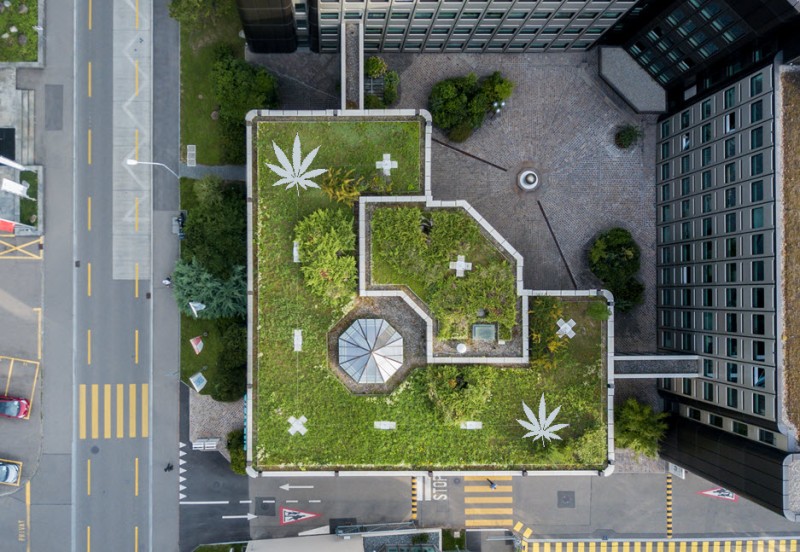
The Most Creative Places to Grow Cannabis Plants
Growing cannabis is an endeavor that can be both rewarding and challenging. The cultivation process has been refined over the years, and with the growing acceptance and legalization of cannabis in various parts of the world, enthusiasts and cultivators are exploring creative and unconventional methods and places to grow their plants. This guide delves into some of the most creative places to grow cannabis plants, detailing the unique advantages, challenges, and considerations for each method.
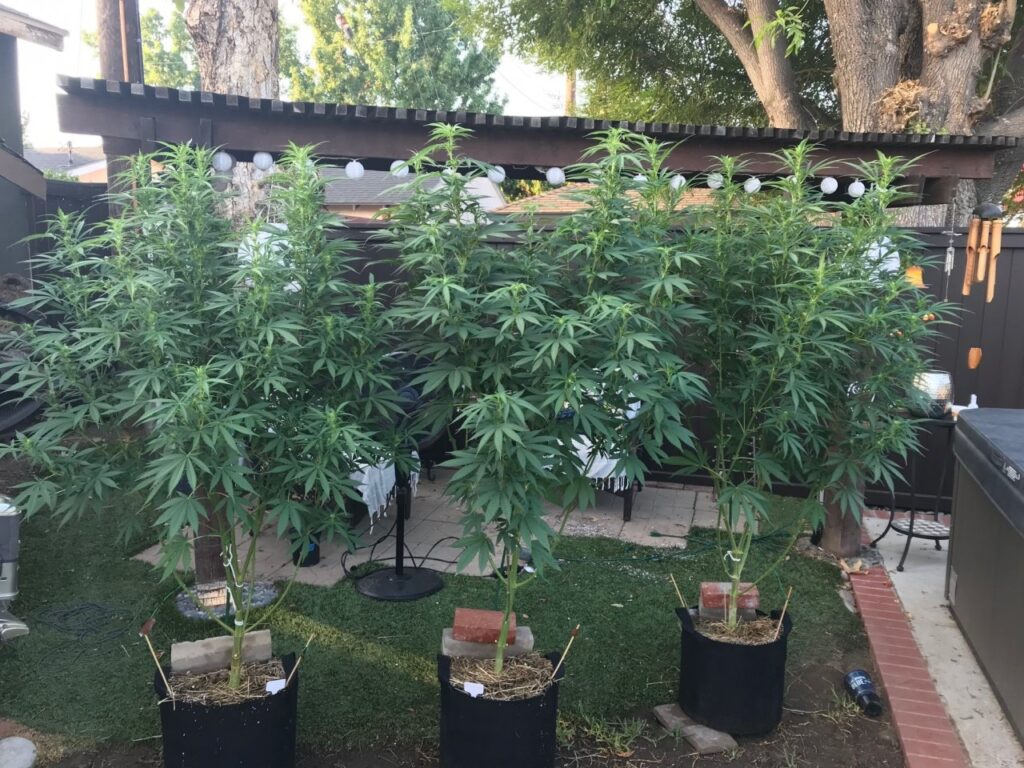
1. Rooftop Gardens
Advantages:
- Space Utilization: In urban areas where space is limited, rooftops offer an excellent opportunity to utilize unused space for cultivation.
- Sun Exposure: Rooftops typically receive abundant sunlight, essential for the healthy growth of cannabis plants.
- Security: Being elevated, rooftops provide a level of security and privacy, reducing the risk of theft or vandalism.
- Microclimate Control: Rooftop environments can be modified to create optimal growing conditions, such as installing greenhouses or shade cloths.
Challenges:
- Access: Transporting materials and water to the rooftop can be labor-intensive.
- Structural Integrity: Not all rooftops are designed to support the weight of soil, water, and plants. Structural assessments are necessary.
- Wind Exposure: Rooftops can be windy, which might stress the plants. Windbreaks or barriers might be needed.
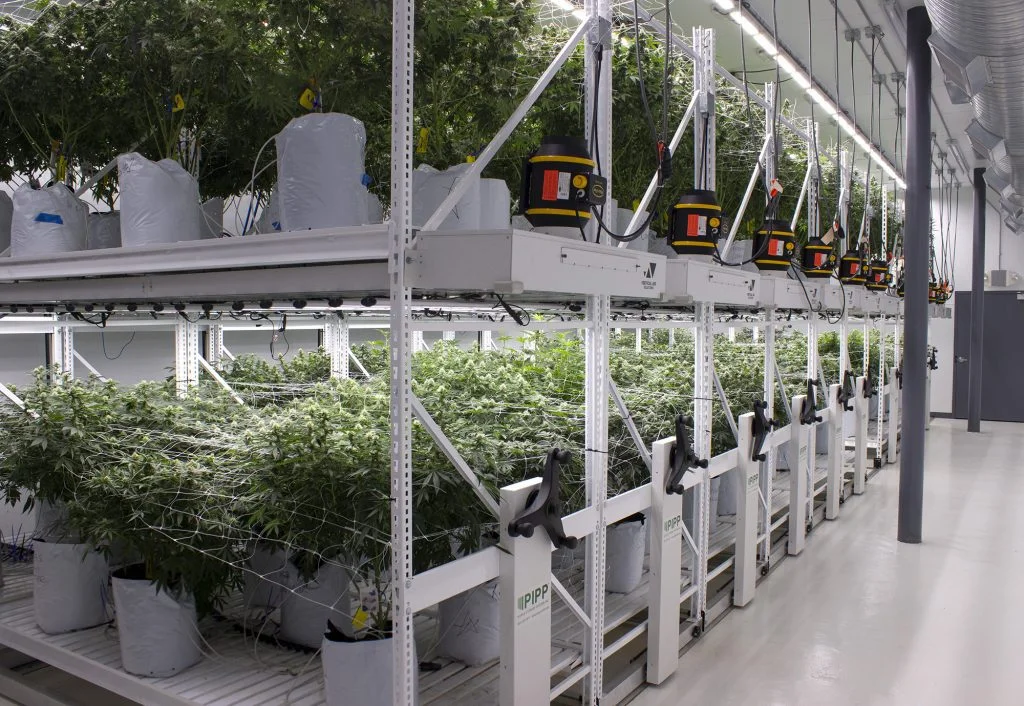
2. Vertical Gardens
Advantages:
- Space Efficiency: Vertical gardening maximizes space by growing plants upwards instead of outwards, ideal for small areas.
- Aesthetic Appeal: Vertical gardens can be visually appealing, blending with the environment or becoming a feature wall.
- Innovative Use of Structures: Utilizing walls, fences, or specially designed vertical frames, these gardens can be integrated into existing structures.
- Increased Airflow: Plants grown vertically often benefit from better airflow, reducing the risk of mold and mildew.
Challenges:
- Watering: Ensuring even water distribution can be tricky. Drip irrigation systems are often necessary.
- Structural Support: The supporting structure must be strong enough to hold the plants and the growing medium.
- Maintenance: Vertical gardens can be harder to maintain, especially when it comes to pruning and harvesting.
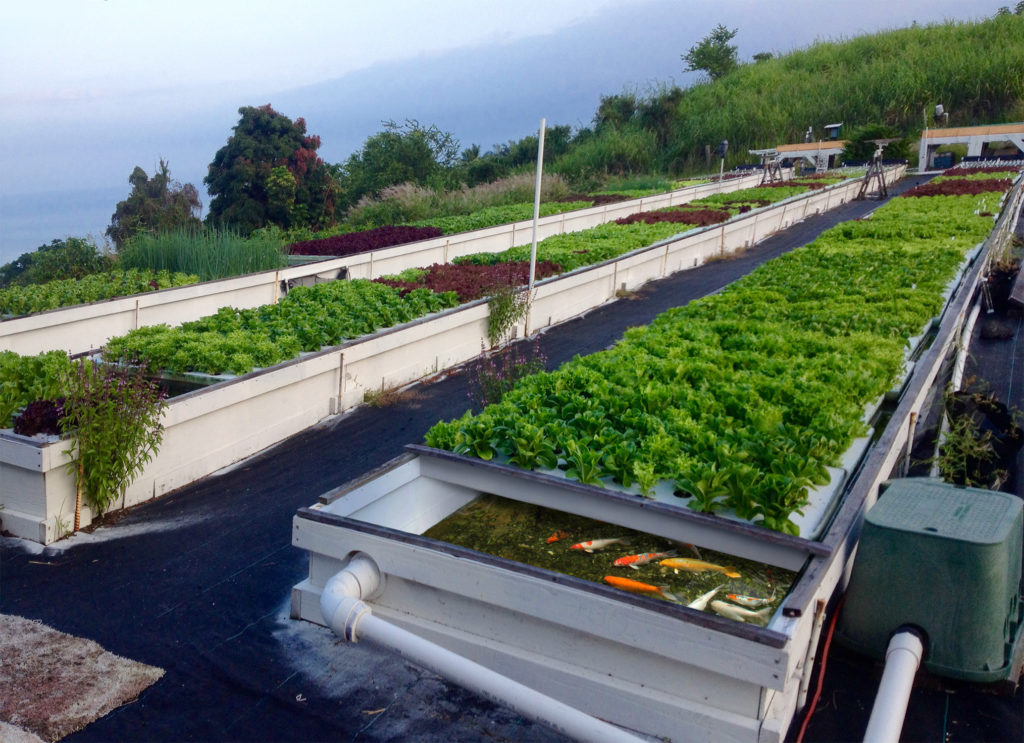
3. Aquaponics Systems
Advantages:
- Sustainability: Aquaponics combines aquaculture (raising fish) and hydroponics (growing plants without soil) in a symbiotic environment. Plants receive nutrients from fish waste, and in return, the plants aid in filtering the fish’s water.
- Water Efficiency: Aquaponics systems use significantly less water than traditional soil-based cultivation.
- Fast Growth: Plants in aquaponics systems often grow faster due to the nutrient-rich water and efficient nutrient uptake.
- Organic Produce: This method can produce organic cannabis without the need for synthetic fertilizers.
Challenges:
- Initial Setup Costs: Building an aquaponics system can be expensive and complex.
- System Management: Requires knowledge of both fish care and plant cultivation.
- Disease Control: Fish diseases can impact plant health, and vice versa. It is essential to keep the ecology in balance.
4. Shipping Container Farms
Advantages:
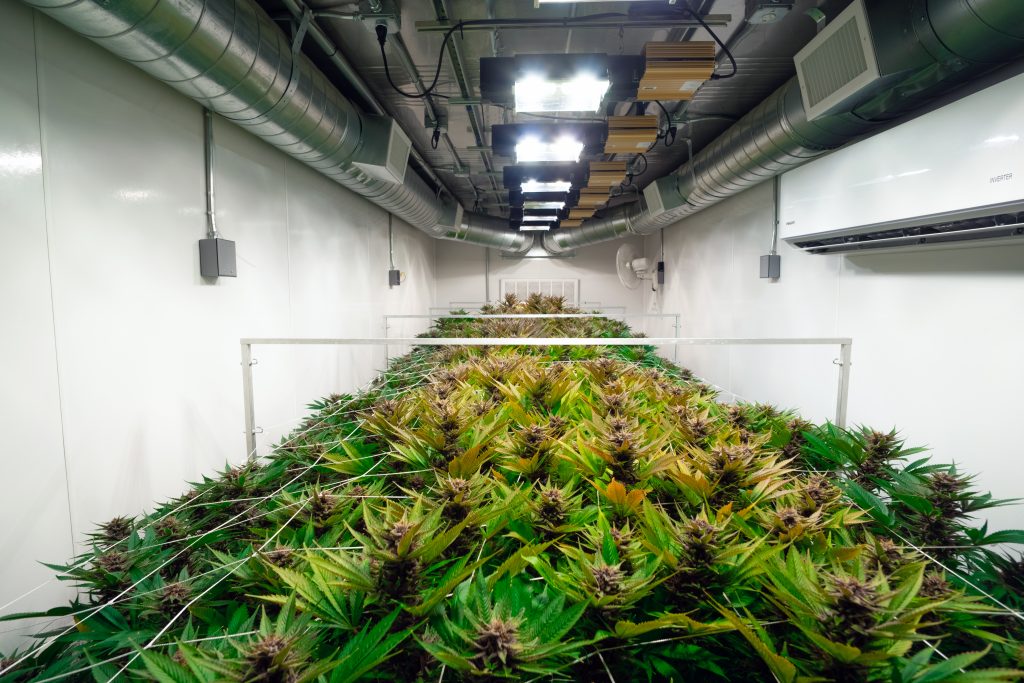
- Controlled Environment: Shipping containers can be transformed into controlled environment agriculture (CEA) systems, allowing for year-round cultivation.
- Mobility: Containers can be relocated if necessary, providing flexibility.
- Security: The steel structure of containers offers enhanced security against theft and environmental elements.
- Space Efficiency: Vertical stacking inside containers maximizes growing space.
Challenges:
- Cost: The initial investment for retrofitting a container with lights, HVAC, and hydroponic systems can be high.
- Limited Space: Although efficient, the space within a container is still limited, potentially restricting plant growth and yield.
- Ventilation and Climate Control: Maintaining optimal growing conditions in a confined space requires robust ventilation and climate control systems.
5. Greenhouses
Advantages:
- Extended Growing Season: Greenhouses protect plants from adverse weather, extending the growing season.
- Controlled Environment: Temperature, humidity, and light can be controlled, optimizing growing conditions.
- Pest Control: Physical barriers help keep pests and animals away from the plants.
- Energy Efficiency: Greenhouses use natural sunlight, reducing the need for artificial lighting.
Challenges:
- Cost: Building a greenhouse can be costly, depending on the size and complexity.
- Climate Management: Maintaining the perfect climate requires careful monitoring and potentially additional equipment like heaters or coolers.
- Space Requirements: Greenhouses require a suitable amount of flat land.
6. Indoor Grow Rooms
Advantages:
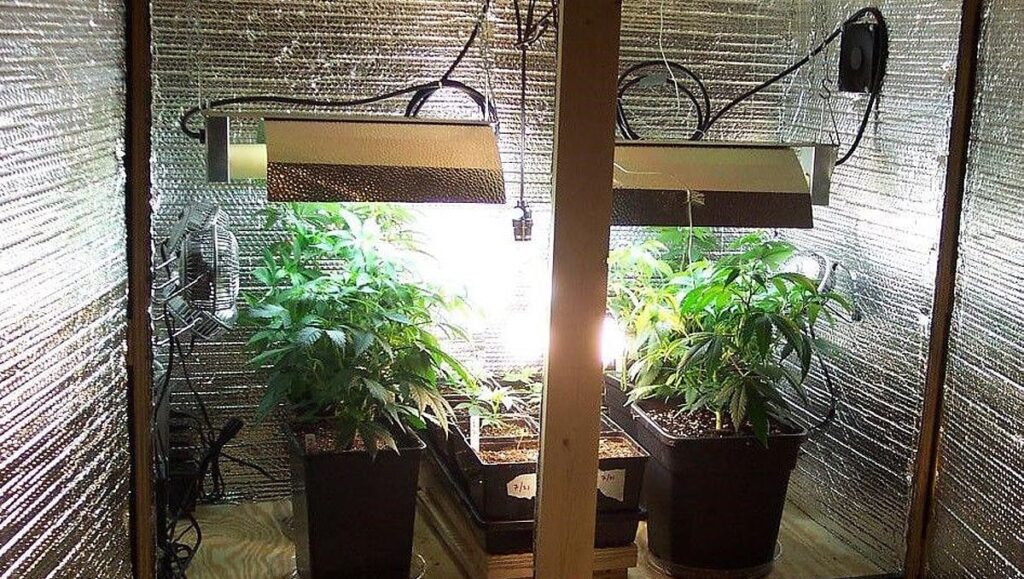
- Complete Control: Indoor grow rooms offer the highest level of control over environmental conditions, including light, temperature, humidity, and CO2 levels.
- Year-Round Cultivation: Indoor setups allow for continuous growing cycles regardless of outdoor weather conditions.
- Stealth: Indoor grow rooms can be discreet, reducing the risk of theft or unwanted attention.
- High Yields: With optimized conditions, indoor grows can produce high yields and quality.
Challenges:
- High Energy Costs: Indoor cultivation requires significant energy for lighting, ventilation, and climate control.
- Initial Setup Cost: The cost of setting up an indoor grow room might be high because specific equipment is required.
- Space Limitations: Indoor spaces may limit the number of plants that can be grown.
7. Community Gardens
Advantages:
- Shared Resources: Community gardens allow cultivators to share resources like tools, compost, and knowledge.
- Social Interaction: These gardens foster a sense of community and collaboration among growers.
- Public Awareness: They can help educate the public about cannabis cultivation and benefits.
- Diverse Growing Conditions: Community gardens often have a variety of growing conditions and microclimates.
Challenges:
- Security: Publicly accessible gardens may be more vulnerable to theft or vandalism.
- Regulations: Local laws and regulations may restrict the cultivation of cannabis in community gardens.
- Space Competition: Limited space may result in competition among gardeners for the best spots.
8. Guerilla Growing
Advantages:
- Stealth: Guerilla growing involves planting cannabis in remote or hidden outdoor locations, minimizing the risk of discovery.
- Low Cost: Utilizing natural environments reduces the need for expensive infrastructure and equipment.
- Large Scale: Suitable areas can allow for large-scale cultivation.
Challenges:
- Risk of Discovery: Despite the stealth, there is always a risk of plants being discovered by people or law enforcement.
- Lack of Control: Outdoor environments are subject to unpredictable weather, pests, and animals.
- Water and Nutrient Access: Providing consistent water and nutrients can be challenging in remote locations.
9. Hydroponic Systems
Advantages:
- Water Efficiency: Water is used less in hydroponic systems than in soil-based farming.
- Faster Growth: Because they have direct access to nutrients in hydroponic systems, plants often develop more quickly.
- Space Efficiency: Small areas, even indoor ones, can be used for hydroponic gardening.
- Reduced Pest Problems: Soil-borne pests and diseases are less of an issue in hydroponics.
Challenges:
- Cost: A hydroponic system’s setup might be costly.
- Technical Knowledge: Successful hydroponics requires understanding of nutrient solutions and system maintenance.
- Power Dependency: Hydroponic systems rely on consistent power for pumps and lights.
10. Companion Planting
Advantages:
- Biodiversity: Companion planting involves growing cannabis alongside other plants that benefit each other, promoting biodiversity.
- Pest Control: Some companion plants have the ability to deter pests and draw beneficial insects.
- Soil Health: Companion plants can enhance soil health and nutrient availability.
- Aesthetic Appeal: Mixed gardens can be visually pleasing and blend into residential settings.
Challenges:
- Complex Planning: Requires knowledge of which plants make good companions and how to arrange them.
- Competition: Companion plants may compete for resources like water and nutrients.
- Maintenance: Mixed gardens may require more complex maintenance routines.
11. Subterranean Gardens
Advantages:
- Stealth: Underground gardens are hidden from view, providing a high level of security.
- Stable Environment: Subterranean environments can offer stable temperatures and humidity levels.
- Reduced Pest Problems: Being underground can reduce exposure to pests and animals.
Challenges:
- Construction Cost: Digging and constructing an underground garden can be costly and labor-intensive.
- Ventilation: In order to keep plants healthy and prevent mold, proper ventilation is essential.f
- Access to Light: Artificial lighting is necessary, which increases energy costs.
12. Forest Gardens
Advantages:
- Natural Environment: Forest gardens mimic natural ecosystems, providing a diverse and sustainable growing environment.
- Low Maintenance: Once established, forest gardens require less maintenance compared to traditional gardens.
- Pest Control: Biodiversity in forest gardens helps control pests naturally.
- Organic Growth: Forest gardens promote organic cultivation without synthetic fertilizers or pesticides.
Challenges:
- Initial Setup: Establishing a forest garden takes time and planning.
- Space Requirements: Forest gardens require a significant amount of space.
- Harvesting: Harvesting can be more challenging in a dense, mixed-species environment.
13. Floating Gardens
Advantages:
- Water Efficiency: Floating gardens use water from the body they float on, reducing the need for additional watering.
- Mobility: They can be moved to different locations as needed.
- Innovative Use of Space: Ideal for regions with abundant water but limited land.
Challenges:
- Construction: Building a stable floating garden requires careful planning and materials.
- Water Quality: The health of the plants depends on the quality of the water body they float on.
- Maintenance: Ensuring plants receive adequate nutrients and light can be challenging.
14. Indoor Wall Gardens
Advantages:
- Space-Saving: Utilizing vertical space on indoor walls maximizes growing area.
- Aesthetic Appeal: Indoor wall gardens can be beautiful and add to interior decor.
- Controlled Environment: Indoor environments allow for precise control over growing conditions.
- Reduced Pest Problems: Growing indoors reduces exposure to many pests and diseases.
Challenges:
- Lighting: Ensuring adequate light reaches all plants can be difficult and may require specialized lighting solutions.
- Watering: Maintaining even moisture levels can be challenging without a proper irrigation system.
- Structural Support: The wall must be able to support the weight of the garden.
15. Office Gardens
Advantages:
- Productivity Boost: Having plants in the office can enhance productivity and improve air quality.
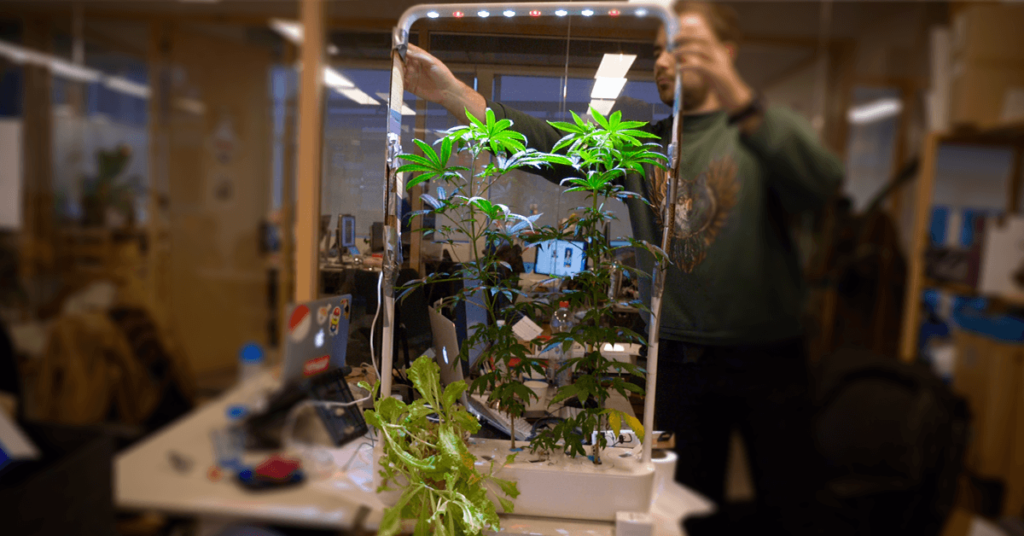
- Space Utilization: Office spaces can be utilized for small-scale cannabis cultivation.
- Aesthetic Appeal: Plants add a touch of nature to the workspace, making it more pleasant.
Challenges:
- Regulations: Office gardens must comply with workplace regulations and policies.
- Maintenance: Regular care and maintenance are required to keep plants healthy.
- Discretion: Ensuring the garden remains discreet and does not disturb other office activities.
16. Closet Grow Rooms
Advantages:
- Discreet: Closets offer a discreet growing space, ideal for personal cultivation.
- Controlled Environment: Closets can be easily modified to control light, temperature, and humidity.
- Cost-Effective: Setting up a closet grow room can be relatively inexpensive compared to larger grow rooms.
Challenges:
- Space Limitations: Closets offer limited space, which can restrict the size and number of plants.
- Ventilation: Proper ventilation is crucial to prevent mold and ensure plant health.
- Heat Management: Lights in a small space can generate significant heat, requiring effective cooling solutions.
17. Balcony Gardens
Advantages:
- Sun Exposure: Balconies often receive ample sunlight, ideal for cannabis growth.
- Space Utilization: Balconies provide an opportunity to utilize outdoor space in apartments or condos.
- Aesthetic Appeal: Balcony gardens can enhance the look of outdoor spaces.
Challenges:
- Privacy: Balconies are more exposed, which may raise privacy concerns.
- Wind Exposure: Balconies can be windy, which might stress the plants.
- Weight Restrictions: Ensuring the balcony can support the weight of pots and plants is crucial.
18. Urban Green Roofs
Advantages:
- Environmental Benefits: Green roofs improve urban air quality, reduce heat islands, and provide insulation.
- Aesthetic Appeal: Green roofs enhance the appearance of buildings and urban spaces.
- Sun Exposure: Green roofs receive ample sunlight, ideal for plant growth.
Challenges:
- Structural Integrity: Ensuring the roof can support the weight of the green roof system is essential.
- Water Management: Proper drainage and irrigation systems are necessary.
- Maintenance: Regular maintenance is required to keep the green roof healthy.
19. Microgreens and Small Plant Kits
Advantages:
- Compact: Microgreen and small plant kits are designed for small spaces, making them ideal for apartments or homes with limited space.
- Quick Growth: Microgreens grow quickly, providing a rapid harvest cycle.
- Educational: These kits are great for beginners and educational purposes.
Challenges:
- Yield: The yield from microgreen kits is smaller compared to full-sized plants.
- Maintenance: Regular watering and light management are necessary.
- Space Limitations: While compact, the growing space is limited to the size of the kit.
Conclusion
Cannabis cultivation has transcended traditional agricultural practices, embracing innovative and unconventional methods to adapt to various environments and meet diverse needs. Each creative growing method offers unique advantages and addresses specific challenges, making it possible for cultivators to grow high-quality cannabis in a variety of settings. Here is a detailed conclusion that synthesizes the insights from each method:
Maximizing Urban Spaces
In densely populated urban areas, space is often at a premium, making creative use of available space essential. Rooftop gardens and vertical gardens are excellent solutions that utilize otherwise unused space to cultivate cannabis. These methods leverage the abundant sunlight available at higher elevations while offering privacy and security. The main challenges include ensuring structural integrity and managing wind exposure on rooftops, while vertical gardens require efficient water distribution and strong support structures.
Controlled Environment Agriculture
For those seeking complete control over growing conditions, indoor grow rooms, shipping container farms, and hydroponic systems provide optimal environments for cannabis cultivation. These methods allow for year-round growing, precise control of light, temperature, humidity, and nutrient delivery, resulting in high yields and quality. However, they also come with higher initial setup costs, energy requirements, and the need for technical knowledge to maintain optimal conditions.
Sustainable and Symbiotic Systems
Aquaponics and companion planting are sustainable methods that promote biodiversity and organic cultivation. Aquaponics systems create a symbiotic relationship between fish and plants, enhancing water efficiency and nutrient availability. Companion planting leverages the natural benefits of certain plant pairings to enhance soil health and pest control. These methods require careful planning and management to balance the ecosystem and ensure the health of all components.
Utilizing Natural and Remote Locations
Guerilla growing and forest gardens take advantage of natural environments to cultivate cannabis discreetly and sustainably. These methods reduce the need for expensive infrastructure and integrate cannabis cultivation into existing ecosystems. However, they face challenges such as the risk of discovery, unpredictable weather, and ensuring consistent water and nutrient supply in remote locations.
Innovative and Unconventional Spaces
The ingenuity of cannabis cultivators shines through in methods like subterranean gardens, floating gardens, and indoor wall gardens. Subterranean gardens offer stealth and stable growing conditions but require significant construction and ventilation efforts. Floating gardens utilize water bodies to grow cannabis, presenting unique opportunities and challenges related to water quality and stability. Indoor wall gardens and microgreen kits make efficient use of small indoor spaces, offering aesthetic appeal and educational value, though they may limit yield compared to larger setups.
Community and Shared Resources
Community gardens and office gardens provide opportunities for social interaction, shared resources, and public education about cannabis cultivation. These methods foster a sense of community and collaboration among growers, though they require adherence to regulations, security measures, and regular maintenance to ensure success.
Enhancing Residential and Recreational Spaces
Balcony gardens and urban green roofs bring cannabis cultivation into residential and recreational spaces, enhancing aesthetics and environmental benefits. These methods utilize sunlight and improve urban air quality, though they necessitate considerations for privacy, wind exposure, and structural support.
Final Thoughts
The diversity of creative cannabis cultivation methods demonstrates the adaptability and resourcefulness of growers. Each method offers unique benefits that cater to different environments, from urban rooftops to remote forests, and from controlled indoor systems to sustainable symbiotic setups. The choice of cultivation method depends on factors such as available space, environmental conditions, budget, and personal preferences.
As the legal and social acceptance of cannabis continues to grow, so too will the innovation in cultivation techniques. By understanding the specific advantages and challenges of each method, cultivators can make informed decisions that optimize their growing conditions and yield high-quality cannabis. Whether for personal use, medical purposes, or commercial production, the possibilities for creative cannabis cultivation are vast and ever-expanding.
