Table of Contents
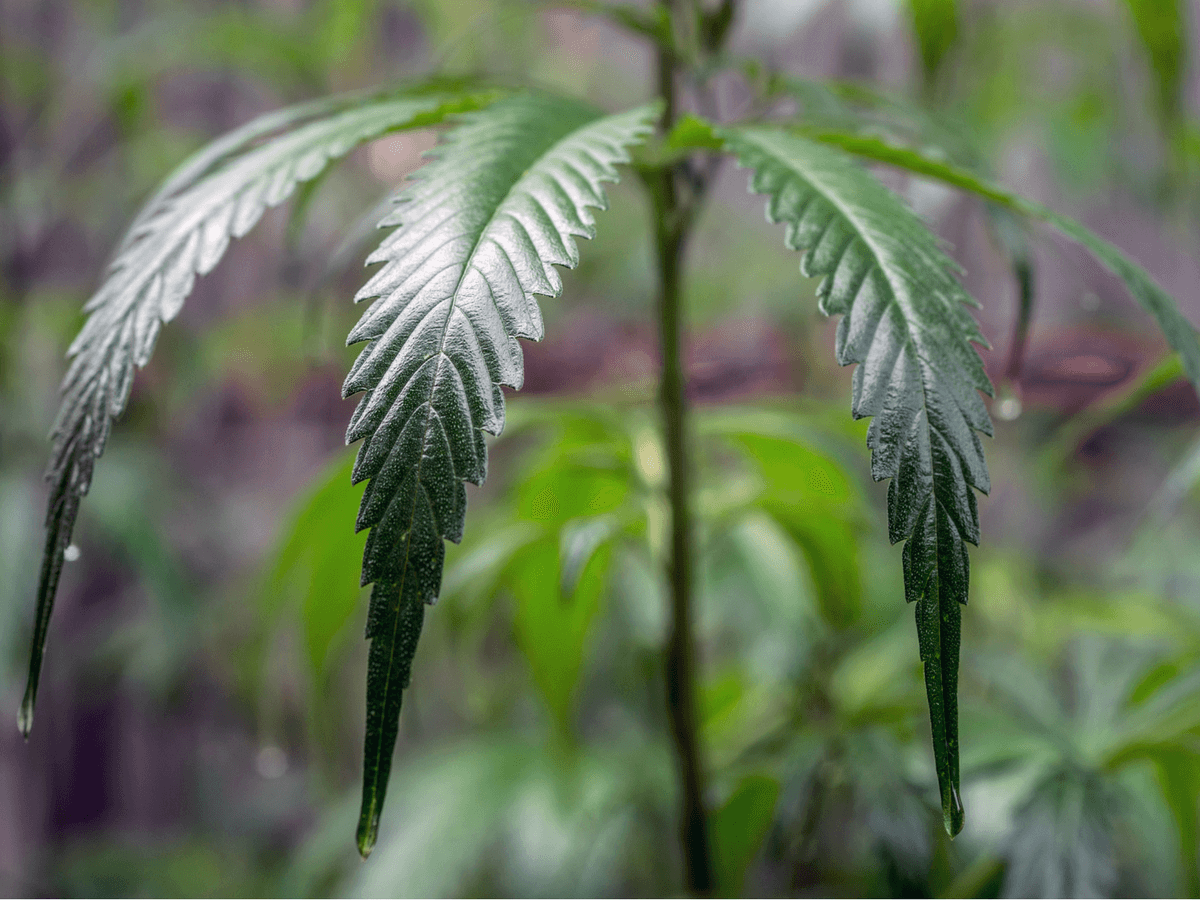
Why Are the Leaves of My Cannabis Plant Drooping?
Cannabis cultivation requires a blend of careful observation, attentive care, and knowledge of the plant’s needs and responses. One common issue that growers encounter is drooping leaves. This condition can be alarming as it often indicates underlying problems that need to be addressed to ensure healthy growth and optimal yields. This comprehensive guide will delve into the various reasons why cannabis leaves droop, including environmental factors, watering practices, nutrient issues, and pest infestations, providing detailed insights and solutions to help growers troubleshoot and resolve this issue effectively.
Environmental Factors
Environmental factors play a crucial role in the health and vitality of cannabis plants. If the environmental conditions are not optimal, cannabis plants can exhibit various signs of stress, including drooping leaves. Understanding how light, temperature, humidity, and airflow impact cannabis growth is essential for preventing and addressing these issues. Below, we will explore these factors in detail.
Light Intensity and Cycle
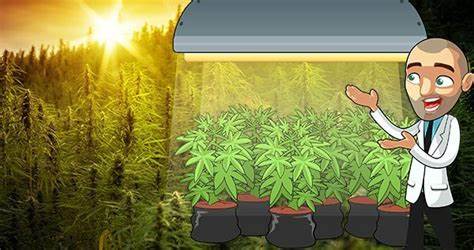
One of the most important elements in the growth of cannabis is light. Plant health may be strongly impacted by light exposure, both in terms of intensity and length.
Too Much Light
Excessive light intensity can lead to heat stress, causing leaves to droop. High-intensity lights, such as HID (High-Intensity Discharge) and LED (Light Emitting Diode) lights, can generate significant heat, which can stress the plants if they are placed too close.
Symptoms:
- Leaves drooping and curling at the edges.
- Pale or bleached appearance of leaves.
- Burnt tips or edges.
Solutions:
- Ensure lights are at an appropriate distance from the plants. For HID lights, a distance of 12-24 inches is typically recommended, while for LED lights, 18-24 inches is often suitable.
- Use a light meter to measure the light intensity and adjust accordingly.
- Implement a light schedule that matches the plant’s growth stage. It is best to have a cycle of 18 hours of light and 6 hours of darkness during the vegetative stage. Change to a 12/12 light/dark cycle during the flowering period.
Insufficient Light
Inadequate light can also cause drooping as the plant stretches towards the light source in an attempt to capture more light energy. This condition is often referred to as “stretching.”
Symptoms:
- Elongated stems and sparse foliage.
- Leaves drooping and reaching towards the light source.
- Overall weak and spindly growth.
Solutions:
- Increase the light intensity by moving lights closer (within safe distances) or adding more light sources.
- Ensure the light spectrum is appropriate for the growth stage. Blue light is beneficial during the vegetative stage, while red light supports flowering.
- Regularly adjust the lights as the plants grow to maintain optimal light exposure.
Temperature
Temperature is another critical factor that influences cannabis growth. Both high and low temperatures can cause stress, leading to drooping leaves.
High Temperatures
Excessive heat can cause heat stress, leading to drooping and curling leaves. Cannabis plants generally prefer a temperature range of 70-85°F (20-30°C) during the day and slightly cooler temperatures at night.
Symptoms:
- Leaves drooping and curling upwards.
- browning or yellowing of the leaves, particularly at the tips.
- Reduced growth and wilting.
Solutions:
- Use fans and ventilation systems to cool the grow area.
- Implement air conditioning or evaporative cooling systems in indoor grows.
- Shade outdoor plants during the hottest part of the day or use shade cloths to reduce heat exposure.
Low Temperatures
Cold temperatures can slow down the metabolic processes of cannabis plants, causing drooping leaves. Plants exposed to temperatures below 60°F (15°C) can exhibit signs of cold stress.
Symptoms:
- Leaves drooping and becoming dark green or purplish.
- Slow growth and potential stunting.
- Reduced water and nutrient uptake.
Solutions:
- Use heaters or heat mats to maintain a consistent temperature range.
- Insulate the grow space to retain heat.
- Avoid placing plants directly on cold floors or near cold drafts.
Humidity
Humidity levels can significantly impact the health of cannabis plants. Both high and low humidity can cause stress, leading to drooping leaves.
High Humidity
Excessive humidity can create a moist environment conducive to mold and mildew growth, which can affect the plant’s health and cause leaves to droop.
Symptoms:
- Drooping leaves with a heavy, swollen appearance.
- Development of mold or mildew on leaves.
- Increased susceptibility to pests like spider mites and aphids.
Solutions:
- Use dehumidifiers to reduce humidity levels.
- Improve air circulation with fans and ventilation systems.
- Avoid overwatering and ensure proper drainage to reduce moisture levels.
Low Humidity
Low humidity can cause plants to lose water rapidly through transpiration, leading to dehydration and drooping leaves.
Symptoms:
- Leaves drooping and becoming dry and brittle.
- Brown edges or tips on leaves.
- Stunted growth and wilting.
Solutions:
- Use humidifiers to increase humidity levels.
- Group plants together to create a microenvironment with higher humidity.
- Regularly mist the plants or use a humidity dome for seedlings and young plants.
Airflow
Enough airflow is necessary to keep the developing environment healthy. Stagnant air can lead to heat stress, oxygen deficiency at the root level, and an increased risk of pests and diseases, all of which can cause drooping leaves.
Inadequate Airflow
Without proper air circulation, cannabis plants can suffer from various issues that lead to drooping leaves.
Symptoms:
- Leaves drooping and appearing limp.
- Development of mold or mildew due to excess moisture.
- Increased risk of pest infestations.
Solutions:
- Use oscillating fans to ensure even air distribution throughout the grow space.
- Implement an exhaust system to remove stale air and bring in fresh air.
- Arrange plants to allow adequate space between them for airflow.
Excessive Airflow
While proper airflow is important, too much direct airflow can cause wind burn, leading to drooping and damaged leaves.
Symptoms:
- Leaves drooping and showing signs of physical damage.
- Torn or frayed edges on leaves.
- Leaves turning brown or crispy.
Solutions:
- Adjust fans to blow indirectly around the plants rather than directly on them.
- Use multiple smaller fans rather than one large fan to create a gentle breeze.
- Monitor plants regularly for signs of wind burn and adjust airflow as needed.
Watering Practices
Overwatering
Overwatering is one of the most common reasons for drooping leaves. Cannabis plants need a balance between wet and dry periods to thrive.
- Symptoms: Overwatered plants exhibit drooping leaves that feel heavy and look swollen. The leaves could get brown patches or turn yellow. The plant’s capacity to absorb nutrients and oxygen is hampered by root rot, which is caused by the roots being wet.
- Solution: Let the soil dry completely in between applications of water. Make sure pots have enough holes for drainage so that water doesn’t pool at the bottom. Water less frequently but deeply, and use a well-draining soil mix to facilitate proper drainage.
Underwatering
Underwatering, though less common than overwatering, can also cause leaves to droop as the plant struggles to maintain its water balance.
- Symptoms: Underwatered plants have leaves that droop and feel dry and crispy. The plant may also exhibit stunted growth and pale leaves.
- Solution: Water the plants thoroughly until water runs out of the drainage holes. Ensure consistent watering schedules and monitor soil moisture levels regularly. Mulching can help retain soil moisture.
Water Quality
The health of cannabis plants can be greatly impacted by the type of water utilized.
- pH Levels: Cannabis plants prefer slightly acidic water with a pH range of 6.0-7.0. Overly acidic or alkaline water might cause nutritional lockout, which can result in drooping leaves. To test and alter the pH of the water, use a pH meter.
- Contaminants: Chlorine and other chemicals in tap water can harm plants. Using filtered or dechlorinated water can prevent potential issues.
Nutrient Issues
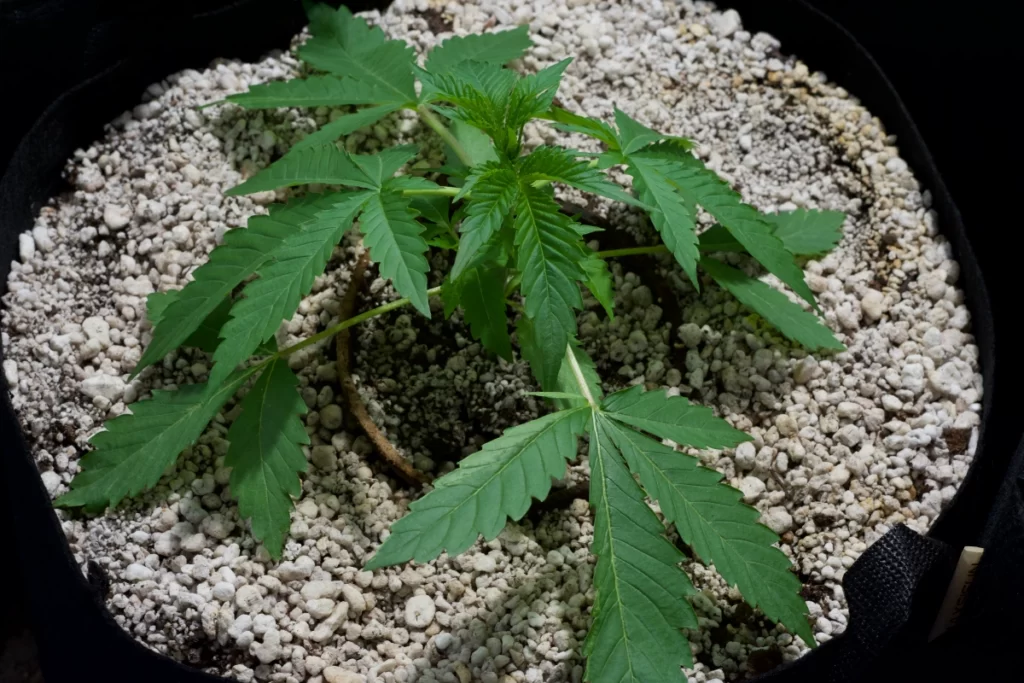
Nutrient Deficiencies
For healthy growth, cannabis plants need a well-balanced diet of nutrients. Deficiencies in essential nutrients can lead to drooping leaves.
- Nitrogen Deficiency: Nitrogen is vital for vegetative growth. A deficiency causes older leaves to turn yellow and droop. Providing a nitrogen-rich fertilizer can rectify this issue.
- Phosphorus Deficiency: Phosphorus is crucial for energy transfer and root development. Deficiency symptoms include purple stems and drooping leaves. Use a phosphorus-rich fertilizer to address this problem.
- Potassium Deficiency: Potassium helps in water regulation and enzyme activation. A deficiency results in drooping leaves with brown edges. Supplementing with potassium can alleviate these symptoms.
Nutrient Toxicity
Overfeeding cannabis plants can be as detrimental as underfeeding.
- Symptoms: Nutrient toxicity often presents as dark green leaves with burnt tips and edges. The leaves droop and may eventually curl or twist.
- Solution: Flush the soil with pH-balanced water to remove excess nutrients. Adjust the feeding schedule and reduce the concentration of nutrients in the solution.
Pest and Disease Management
Pest Infestation
Pests can cause significant damage to cannabis plants, leading to drooping leaves.
- Aphids and Spider Mites: These tiny pests suck the sap from the leaves, causing them to droop and curl. These pests can be managed with routine inspections, neem oil applications, and insecticidal soap usage.
- Fungus Gnats: These pests thrive in moist soil and their larvae feed on the roots, causing drooping leaves. Allowing the soil to dry out and using sticky traps can help manage their population.
Diseases
Various diseases can affect cannabis plants, leading to drooping leaves.
- Root Rot: Caused by overwatering and poor drainage, root rot leads to drooping leaves as the roots cannot absorb nutrients and water effectively. Ensuring proper watering practices and using a well-draining soil mix can prevent this issue.
- Powdery Mildew: This fungal disease appears as a white powdery substance on leaves, causing them to droop. Adequate airflow and the use of fungicides can control powdery mildew.
Structural Issues
Pot Size
The size of the pot can influence the health of cannabis plants.
- Root-Bound Plants: When plants outgrow their pots, roots become tangled and crowded, leading to poor nutrient and water absorption, causing drooping leaves. Repotting into a bigger pot may help to resolve this problem.
- Oversized Pots: Using pots that are too large can lead to overwatering, as the soil retains more moisture than the plant can absorb. Choose pot sizes appropriate for the plant’s stage of growth.
Training Techniques
Training methods including topping, fimming, and low-stress training (LST) can put leaves under brief stress, which makes them droop.
- Topping and Fimming: These methods involve cutting the plant’s top to encourage bushier growth. Post-pruning drooping is normal as the plant recovers.
- Low-Stress Training (LST): Bending and tying down branches can cause leaves to droop temporarily. This is a normal response and the plant should recover quickly.
Preventive Measures and Best Practices
Preventive measures and best practices are crucial for maintaining the health of cannabis plants and preventing issues like drooping leaves. By implementing these strategies, growers can create an optimal environment for their plants and avoid common pitfalls. This section provides detailed guidelines on regular monitoring, proper growing medium, balanced nutrient regimen, stress management, and integrated pest management.
Regular Monitoring
Regular monitoring is essential for early detection of potential problems and maintaining overall plant health. Consistent observation allows growers to identify and address issues before they become severe.
Daily Inspections
Conducting daily inspections of cannabis plants is a proactive approach to catch issues early.
What to Look For:
- Leaf Condition: Check for signs of drooping, discoloration, spots, or pests.
- Stem and Branch Health: Look for any abnormalities, such as wilting or discoloration.
- Soil Moisture: Ensure the soil is neither too dry nor too wet.
Benefits:
- Early detection of pests and diseases.
- Timely correction of nutrient deficiencies or toxicities.
- Quick response to environmental stressors.
Use of Technology
Utilizing technology can enhance monitoring efforts and ensure precise control over growing conditions.
Tools:
- Hygrometers: Measure and monitor humidity levels.
- pH Meters: Ensure water and soil pH levels are within the optimal range.
- Moisture Meters: Check soil moisture levels to prevent over or under-watering.
- Light Meters: Assess light intensity and adjust accordingly.
Benefits:
- Accurate data collection for informed decision-making.
- Improved ability to maintain stable growing conditions.
- Enhanced ability to detect and correct issues promptly.
Proper Growing Medium
Choosing the right growing medium is critical for providing the necessary support and nutrients for cannabis plants.
Soil
Soil is a popular growing medium due to its natural nutrient content and ease of use.
Characteristics of Good Soil:
- Well-Draining: Prevents waterlogging and root rot. Drainage can be enhanced by adding vermiculite or perlite.
- Nutrient-Rich: Contains essential nutrients for plant growth. Worm castings and organic compost can improve the soil.
- Aerated: Allows roots to breathe and promotes healthy root development. Loamy soil with good texture is ideal.
Benefits:
- Natural buffering capacity for nutrients.
- Supports beneficial microbial life.
- Generally more forgiving of nutrient and pH fluctuations.
Hydroponics
Hydroponic systems use nutrient-rich water solutions to grow plants without the need for soil.
Types of Hydroponic Systems:
- Deep Water Culture (DWC): Plants are suspended in water with roots submerged in a nutrient solution.
- Nutrient Film Technique (NFT): A thin film of nutrient solution flows over the roots.
- Drip Systems: Nutrient solution is dripped onto the plant roots.
Benefits:
- Faster growth rates and higher yields.
- Precise control over nutrient delivery.
- Reduced risk of soil-borne diseases.
Considerations:
- Necessitates frequent nutrient solution monitoring and modification.
- Systems must be kept clean and sterile to prevent pathogens.
Balanced Nutrient Regimen
Providing a balanced nutrient regimen tailored to the plant’s growth stage is essential for preventing nutrient deficiencies and toxicities that can cause drooping leaves.
Vegetative Stage
Cannabis plants need more nitrogen during the vegetative stage in order to support the growth of their leaves and stems.
Nutrient Needs:
- Nitrogen (N): Promotes green, leafy growth.
- Phosphorus (P): Supports root development.
- Potassium (K): Enhances overall plant health and disease resistance.
Recommended Fertilizer:
- Use a balanced N-P-K fertilizer with a higher nitrogen ratio, such as 3-1-2.
Flowering Stage
In the flowering stage, cannabis plants need more phosphorus and potassium to support bud development and overall plant health.
Nutrient Needs:
- Phosphorus (P): Essential for flower formation.
- Potassium (K): Improves flower quality and disease resistance.
- Lower Nitrogen (N): Excess nitrogen can inhibit bud development.
Recommended Fertilizer:
- Use a bloom-specific fertilizer with a higher phosphorus and potassium ratio, such as 1-3-2.
General Tips:
- Avoid overfeeding by following the manufacturer’s guidelines and adjusting based on plant response.
- Flush the plants with pH-balanced water if signs of nutrient burn appear.
Stress Management
Minimizing plant stress through careful management practices is crucial for preventing drooping leaves and ensuring healthy growth.
Transplanting
Transplanting can cause stress to cannabis plants if not done carefully.
Best Practices:
- Transplant during the vegetative stage when plants are more resilient.
- Take care not to damage the roots by handling the root ball lightly.
- After transplanting, give the plant lots of water to help it settle into its new pot.
Pruning and Training
Pruning and training techniques can stress plants temporarily but can promote better growth if done correctly.
Techniques:
- Topping and Fimming: Remove the top growth to encourage bushier growth. Perform during the vegetative stage.
- Low-Stress Training (LST): Branches should be gently bent and tied down to encourage even light dispersion. Steer clear of excessive bending to avoid damage.
Best Practices:
- Use clean, sterilized tools to prevent infections.
- Prune and train during the vegetative stage for faster recovery.
- Monitor plants closely after pruning or training for signs of stress.
Integrated Pest Management (IPM)
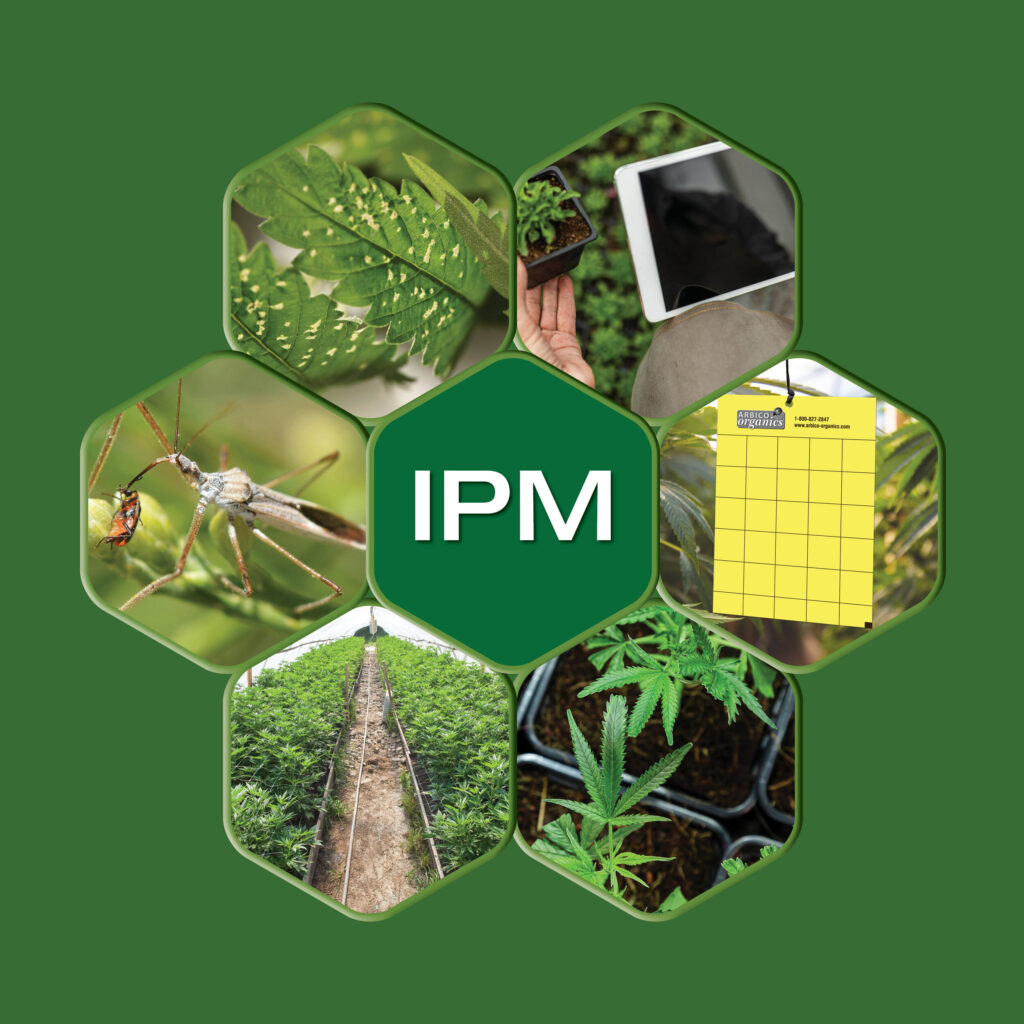
Implementing an integrated pest management strategy helps prevent pest-related drooping and maintains overall plant health.
Preventive Measures
Taking preventive measures can reduce the risk of pest infestations.
Strategies:
- Neem Oil: Use neem oil as a preventive spray to deter pests.
- Beneficial Insects: Introduce beneficial insects like ladybugs and predatory mites to control pest populations.
- Companion Planting: Plant pest-repellent herbs like basil and marigold near cannabis plants.
Benefits:
- Reduced reliance on chemical pesticides.
- Enhanced biodiversity in the grow area.
- Long-term pest management.
Regular Cleaning
Maintaining a clean grow area is essential for preventing pests and diseases.
Best Practices:
- Clear away plant debris and dead leaves on a regular basis.
- Sterilize tools and equipment before and after use.
- Clean and disinfect the grow area between crops.
Benefits:
- Decreased chance of disease and insect outbreaks.
- Improved overall plant health and growth.
- Cleaner and more efficient growing environment.
Conclusion
Drooping leaves in cannabis plants can be a sign of underlying issues that, if left unaddressed, can significantly impact plant health and yield. Understanding the myriad factors that contribute to this condition—ranging from environmental stresses to improper watering practices, nutrient imbalances, pest infestations, and structural issues—is crucial for effective cultivation.
Key Takeaways
- Environmental Control: Proper management of light intensity and cycles, temperature, humidity, and airflow is vital. Cannabis plants thrive in a stable environment with specific ranges for each of these factors. Excessive light, heat stress, poor ventilation, or incorrect humidity levels can all lead to drooping leaves. Regular adjustments and monitoring can help maintain optimal conditions.
- Watering Practices: Overwatering and underwatering are common causes of drooping leaves. Understanding the plant’s water needs, ensuring proper drainage, and using quality water are essential. Monitoring soil moisture and adjusting watering schedules accordingly can prevent water-related stress.
- Nutrient Management: Both nutrient deficiencies and toxicities can cause leaves to droop. It’s critical to provide a balanced nutrient schedule that corresponds to the plant’s growth stage. Regular soil and water pH testing, along with careful observation of plant responses, can help maintain nutrient balance.
- Pest and Disease Control: Among other symptoms, pests and diseases can seriously harm plants, causing drooping leaves. Implementing an integrated pest management strategy, including preventive measures and regular inspections, can help keep these threats at bay.
- Structural Considerations: Ensuring that plants have adequate space for root growth and are supported appropriately can prevent structural stress. Proper pot sizing, careful transplanting, and appropriate training techniques are necessary to maintain plant health.
- Preventive Measures and Best Practices: Regular monitoring, the use of technology for precise control, and maintaining a clean grow environment are proactive steps to ensure plant health. By implementing best practices in growing medium selection, nutrient regimens, stress management, and pest control, growers can create a supportive environment for their cannabis plants.
Implementing Comprehensive Strategies
Combining these insights into a cohesive cultivation strategy involves:
- Regular Monitoring: Daily checks for signs of stress or issues, supported by tools like hygrometers, pH meters, and light meters, help catch problems early.
- Environmental Adjustments: Fine-tuning light, temperature, humidity, and airflow based on plant needs and growth stages ensures a stable growing environment.
- Water and Nutrient Management: Developing a schedule that matches the plant’s requirements, coupled with the use of well-draining soil and balanced nutrients, promotes healthy growth.
- Pest and Disease Prevention: Using preventive sprays, beneficial insects, and maintaining cleanliness can reduce the risk of infestations and infections.
- Stress Minimization: Careful handling during transplanting and appropriate training techniques can reduce plant stress and promote resilience.
By integrating these elements into their cultivation practices, growers can prevent and address drooping leaves and other common issues, leading to healthier plants and more abundant yields. Regular attention to detail and a proactive approach to plant care are key to successful cannabis cultivation.
