
The Importance of Genetic Stability in Medical Cannabis Cultivation
The medical cannabis industry is rapidly evolving, with increasing recognition of its therapeutic potential. In medical cannabis cultivation, one of the most critical factors ensuring consistent quality and efficacy is genetic stability. Genetic stability refers to the uniformity of genetic traits across successive generations of cannabis plants, ensuring predictable phenotypic outcomes. This stability is essential for producing reliable, high-quality medical cannabis products that meet strict medical standards. This comprehensive guide delves into the importance of genetic stability in medical cannabis cultivation, its role in medical use, the challenges involved, and strategies to achieve and maintain genetic consistency.
Chapter 1: The Basics of Genetic Stability in Cannabis

Genetic stability refers to the consistency in the inherited characteristics of cannabis plants over multiple generations. These characteristics include plant structure, cannabinoid and terpene profiles, growth rates, and disease resistance. In medical cannabis, achieving and maintaining genetic stability is paramount because any variation in the plant’s chemical makeup can affect its medical efficacy.
- Definition of Genetic Stability Genetic stability ensures that a plant’s offspring consistently exhibit the same genetic traits as the parent plants. In cannabis, these traits include cannabinoid content (such as THC, CBD, and other cannabinoids), terpene profiles (which influence aroma and effects), growth patterns, and resistance to environmental stresses.
- The Role of Genotype and Phenotype The genotype of a cannabis plant is its genetic makeup, while the phenotype refers to the observable characteristics that result from the interaction of the genotype with environmental factors. While a stable genotype provides a foundation, environmental conditions, such as light, temperature, and humidity, can still influence the phenotype. For medical cannabis, the goal is to produce consistent phenotypes through stable genetics and controlled cultivation conditions.
- Why Genetic Stability Matters in Medical Cannabis For medical use, patients rely on cannabis for consistent relief from conditions like chronic pain, epilepsy, anxiety, and multiple sclerosis. Genetic variability can lead to fluctuating levels of cannabinoids and terpenes, resulting in unpredictable therapeutic effects. Stable genetics ensure that medical cannabis products deliver consistent results with each harvest, making them safer and more reliable for patients.
Chapter 2: The Impact of Genetic Stability on Medical Efficacy
Genetic stability directly impacts the chemical profile of cannabis, which is crucial in determining its medical efficacy. Cannabinoids and terpenes are the primary compounds responsible for the therapeutic effects of cannabis, and maintaining a stable genetic line ensures that these compounds are present in consistent proportions.
- Consistency in Cannabinoid and Terpene Profiles The two most well-known cannabinoids, THC and CBD, are known for their therapeutic properties, such as pain relief, anti-inflammatory effects, and anxiety reduction. Other cannabinoids like CBG, CBN, and CBC, as well as terpenes like myrcene, limonene, and linalool, also contribute to the plant’s medical properties. Genetic stability ensures that these compounds remain consistent from one batch to the next, providing predictable and effective treatments.
- Predictable Patient Outcomes Medical cannabis patients often require precise doses to manage their symptoms. For example, epilepsy patients who use high-CBD strains rely on consistent CBD levels to prevent seizures. If the genetic stability of the strain is compromised, fluctuations in cannabinoid content can lead to ineffective or overly potent doses, potentially exacerbating symptoms.
- Reduced Risk of Adverse Reactions Cannabis with varying cannabinoid profiles can lead to unintended effects, especially in patients sensitive to THC. Maintaining stable genetics helps mitigate this risk by ensuring that strains designed for low THC and high CBD levels remain consistent, reducing the risk of psychoactive effects that could interfere with a patient’s treatment.
Chapter 3: Challenges in Achieving Genetic Stability
While the importance of genetic stability in medical cannabis is clear, achieving it can be a complex process. Cannabis is a highly variable plant, with many different strains and phenotypes. Achieving stability requires careful breeding, selection, and cultivation practices.
- Natural Genetic Variability in Cannabis Cannabis is naturally a genetically diverse species, which makes it prone to variability in both genotype and phenotype. This variability is beneficial in the wild for adaptation but presents a challenge for medical cultivators who need uniformity. Terpene and cannabinoid profiles can vary significantly, even within the same strain.
- The Role of Breeding in Genetic Stability Stabilizing a strain’s genetics involves selective breeding, where breeders carefully choose plants with desirable traits and breed them over several generations. This process, known as stabilization, reduces genetic variability and produces offspring with consistent traits. However, stabilizing a strain can take multiple breeding cycles and requires careful record-keeping and observation.
- Environmental Influences on Genetic Expression Even with stable genetics, environmental factors can influence how genes are expressed. Factors such as light exposure, nutrient availability, and temperature can affect cannabinoid and terpene production. To maintain consistency in medical cannabis production, cultivators must carefully control these variables.
Chapter 4: Methods for Ensuring Genetic Stability
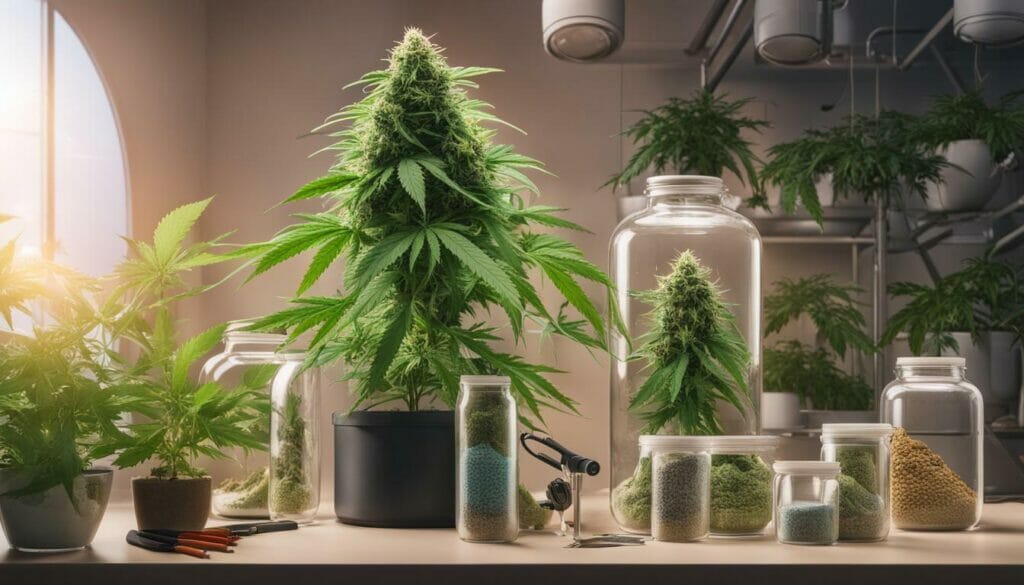
To produce genetically stable cannabis, breeders and cultivators must employ several key strategies. These methods not only help stabilize a strain’s genetics but also ensure that the plants produce consistent phenotypes that meet medical standards.
- Cloning Cloning is one of the most reliable methods for maintaining genetic stability. By taking cuttings from a mother plant with desirable traits and growing them into new plants, cultivators can ensure that each new plant is genetically identical to the original. This method is widely used in medical cannabis cultivation to produce uniform crops.
- Tissue Culture Tissue culture involves growing plants from a small sample of tissue in a sterile environment. This method can produce genetically stable plants free from pests and diseases. Tissue culture is an advanced technique used to maintain the genetic integrity of rare or valuable strains over time.
- Backcrossing Backcrossing is a breeding technique used to stabilize a strain’s genetics. To strengthen the desired features, a hybrid plant is crossed with one of its parents. This method is particularly useful for refining and stabilizing cannabinoid and terpene profiles in medical cannabis strains.
- Genetic Testing and Analysis Modern genetic testing allows cultivators to analyze a plant’s genotype and determine its potential cannabinoid and terpene production. When choosing parent plants for breeding, breeders can make well-informed judgments by determining the genetic markers linked to desired features. This technology helps accelerate the process of stabilizing strains for medical use.
Chapter 5: Genetic Stability in Commercial Medical Cannabis Cultivation
For large-scale medical cannabis operations, genetic stability is essential for producing standardized products that meet regulatory requirements. Cultivators must adhere to strict guidelines to ensure that every batch of cannabis meets the same high standards of quality and efficacy.
- Regulatory Standards and Genetic Stability In many countries, medical cannabis is subject to rigorous regulations that require consistency in product quality. Regulatory agencies often mandate that medical cannabis products must contain precise concentrations of cannabinoids and terpenes, with minimal variation between batches. Genetic stability is a key factor in meeting these regulatory standards.
- The Role of Standard Operating Procedures (SOPs) Cultivators use Standard Operating Procedures (SOPs) to ensure consistency in every stage of the cultivation process, from planting to harvesting. SOPs help maintain genetic stability by outlining best practices for cloning, breeding, and environmental control. By following these procedures, cultivators can reduce the risk of genetic drift and maintain stable phenotypes.
- Quality Control and Testing Regular testing is essential for maintaining genetic stability in medical cannabis cultivation. Cultivators must regularly test their plants for cannabinoid and terpene content to ensure that they meet the required standards. Genetic testing can also be used to verify that a strain’s genetics remain stable over time.
Chapter 6: Case Studies in Genetic Stability for Medical Strains
Several medical cannabis strains have achieved widespread success due to their genetic stability and consistent therapeutic effects. These case studies illustrate the importance of stable genetics in delivering reliable medical cannabis products.
- Charlotte’s Web Charlotte’s Web is a high-CBD strain developed for epilepsy patients, particularly those with treatment-resistant conditions like Dravet syndrome. The strain gained international attention for its effectiveness in reducing seizures, and its genetic stability ensures that it continues to provide consistent relief for patients. The strain’s low THC content and high CBD levels have made it a cornerstone of medical cannabis.
- ACDC ACDC is another high-CBD, low-THC strain that has been widely used in medical cannabis for pain relief, anxiety, and neurological conditions. The strain’s genetic stability ensures that it consistently produces high levels of CBD with minimal THC, making it a reliable option for patients who need non-psychoactive treatment.
- Harlequin Harlequin is a balanced strain with a nearly equal ratio of CBD to THC, making it popular for treating pain, anxiety, and inflammation. The strain’s genetic stability ensures that it provides predictable therapeutic effects with every harvest, making it a preferred option for medical cannabis patients.
Chapter 7: The Future of Genetic Stability in Medical Cannabis
Genetic stability will continue to be important in guaranteeing the effectiveness and purity of cannabis products as the medicinal cannabis market expands. Advances in breeding techniques, genetic testing, and biotechnology are likely to play an increasingly important role in stabilizing cannabis genetics for medical use.
- CRISPR and Genetic Editing Genetic editing technologies like CRISPR offer the potential to create cannabis plants with highly stable and predictable traits. Researchers can improve favorable features and decrease bad ones by accurately targeting and manipulating certain genes, which will result in more consistent medical cannabis products.
- Genomic Mapping Genomic mapping involves identifying the entire genetic makeup of a cannabis strain. This information can be used to better understand how specific genes influence cannabinoid and terpene production, disease resistance, and other traits. Genomic mapping can accelerate the development of genetically stable strains for medical use.
- The Role of Artificial Intelligence in Breeding Artificial intelligence (AI) is increasingly being used in agriculture to optimize breeding programs. AI can analyze vast amounts of genetic data and predict how different breeding combinations will affect the traits of future generations. This technology can help breeders develop genetically stable medical cannabis strains more efficiently.
Restrictions on Growing and Using Cannabis in the Medical Field
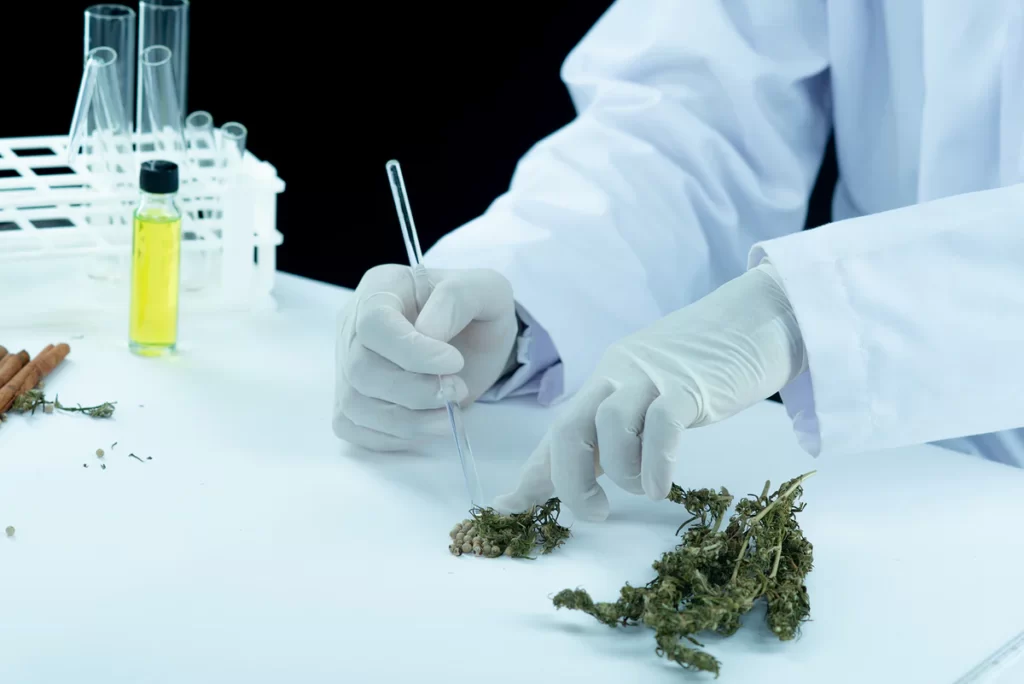
Cannabis has gained significant attention in the medical field due to its potential therapeutic benefits. However, its use remains subject to various restrictions, especially when it is employed as a last-resort treatment for patients who have exhausted conventional medical options. The primary concern in medical cannabis treatments revolves around ensuring its efficacy while minimizing unwanted side effects, particularly the psychoactive effects caused by tetrahydrocannabinol (THC). This article discusses the restrictions on growing and using cannabis exclusively for medical purposes and the importance of monitoring THC levels to ensure patient safety.
Restrictions on Growing Medical Cannabis
Most jurisdictions have tight regulations governing the growing of cannabis for medical uses in order to guarantee quality, consistency, and safety. The following are the typical restrictions imposed on the growing of medical cannabis:
- Licensing and Legal Approvals
Medical cannabis cultivation is often permitted only for licensed growers who meet specific regulatory standards. Governments enforce stringent licensing requirements to ensure that cannabis is grown under controlled conditions that minimize contamination and ensure product safety. Growers must adhere to strict guidelines that include maintaining proper sanitation, controlling environmental factors, and preventing unauthorized access to the plants. - Quality Control and Good Manufacturing Practices (GMP)
Cultivation must follow Good Manufacturing Practices (GMP), ensuring that cannabis plants are grown without harmful chemicals or pesticides and in environments that guarantee product purity. This is particularly important for medical cannabis, as patients with weakened immune systems or other health concerns are vulnerable to impurities. To make sure that these regulations are followed, audits and inspections are carried out on a regular basis. - Production Limits and Purpose
In many regions, the production of medical cannabis is limited to a specified quantity based on patient needs. Growing cannabis for recreational use or exceeding the approved quantities can result in legal penalties. Medical cannabis is restricted to therapeutic applications and is not to be diverted for any other purpose.
Restrictions on Medical Cannabis Use as a Last Resort
Cannabis is generally considered a last-resort option in medical treatments. It is often prescribed only after conventional treatments have failed to provide relief. Restrictions on its use are designed to ensure that it is administered in a safe, controlled manner.
- Medical Justification and Documentation
Physicians are required to provide clear medical justification for prescribing cannabis, including detailed documentation of the patient’s medical history and previous treatments. In most cases, cannabis is prescribed only after a patient has tried other therapies, such as pharmaceuticals, physical therapy, or surgery. Cannabis becomes a last-resort option when these traditional treatments are ineffective or cause intolerable side effects. - Strict Medical Supervision
The use of cannabis in the medical field is closely monitored. Physicians must evaluate the patient’s progress and adjust the treatment plan accordingly. Patients are often required to participate in ongoing assessments to ensure that cannabis is providing the desired therapeutic benefits without significant adverse effects. - Patient Eligibility and Exclusion
Not all patients are eligible for medical cannabis treatments. Those with a history of substance abuse, mental health conditions that may be exacerbated by THC, or other contraindications may be excluded from using cannabis even in a medical context. Physicians must weigh the risks and benefits on a case-by-case basis.
Monitoring THC Levels to Prevent Psychoactive Effects
A major concern in medical cannabis use is the potential for psychoactive effects caused by THC, the compound responsible for the “high” associated with cannabis use. Monitoring THC levels in medications is crucial to prevent these effects, particularly for patients who require symptom relief without cognitive or behavioral impairment.
- Low-THC, High-CBD Strains
Medical cannabis strains with low THC and high cannabidiol (CBD) content are preferred for most patients, especially those who are sensitive to THC’s psychoactive effects. CBD is non-psychoactive and offers therapeutic benefits such as pain relief, anti-inflammatory effects, and anxiety reduction without causing euphoria or impairment. - Precise Dosage Control
Monitoring THC levels in medical cannabis products is critical for providing precise dosage control. Laboratory testing ensures that each batch of cannabis medication contains consistent levels of THC and other cannabinoids. This helps physicians tailor the dosage to the patient’s specific needs, avoiding the risk of overmedication and unwanted psychoactive effects. - Legal Limits on THC Levels
There are regulatory restrictions on how much THC is allowed in medical cannabis products in many different places. These limits are enforced to protect patients from excessive psychoactive effects, especially in vulnerable populations such as the elderly or those with neurological conditions. Compliance with these limits is ensured through regular testing and reporting by licensed producers.
Conclusion
In conclusion, genetic stability is a cornerstone of medical cannabis cultivation, ensuring consistent therapeutic outcomes for patients who rely on cannabis for medical treatment. Stable genetics guarantee uniformity in cannabinoid and terpene profiles, critical for predictable and effective symptom management. This consistency is especially vital in treating conditions like epilepsy, chronic pain, and anxiety, where even slight variations can lead to different medical outcomes.
Simultaneously, the cultivation and use of medical cannabis are subject to stringent restrictions to maintain safety and efficacy. These include licensing regulations for growers, controlled production environments, and limits on the use of cannabis as a last-resort treatment. Monitoring THC levels in cannabis products is essential to avoid psychoactive effects, ensuring that patients receive the therapeutic benefits without unintended cognitive impairment.
Together, these factors—genetic stability and regulatory restrictions—create a framework that allows medical cannabis to be safely integrated into healthcare systems. They ensure that patients have access to high-quality, reliable cannabis products while minimizing risks, thus supporting the growing recognition of cannabis as a legitimate medical treatment.
