Soil Nutrient Deficiency and Its Impact on Medical Cannabis: An In-Depth Analysis
Introduction
Soil health is a crucial aspect of agricultural practices, especially in the cultivation of plants that require precise environmental conditions, such as medical cannabis. Medical cannabis (Cannabis sativa L.) has gained increasing attention due to its therapeutic benefits in treating various health conditions, including chronic pain, epilepsy, multiple sclerosis, and chemotherapy-induced nausea. The cultivation of medical cannabis involves a delicate balance of environmental factors, among which soil nutrient availability plays a critical role.
Soil nutrient deficiency can lead to poor growth, reduced yields, and compromised cannabinoid profiles, directly impacting the efficacy of cannabis as a medical treatment. The delicate interplay of macronutrients (like nitrogen, phosphorus, and potassium) and micronutrients (such as iron, zinc, and manganese) in soil is essential to ensure healthy cannabis plants that produce the desired levels of therapeutic compounds, including cannabinoids and terpenes. This paper will explore soil nutrient deficiency and its specific effects on medical cannabis cultivation, focusing on the medical aspect rather than recreational use, and excluding consumption methods.
The Importance of Soil Nutrients in Cannabis Cultivation
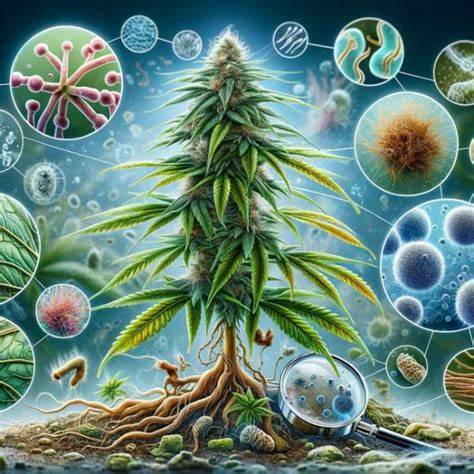
Before delving into the impacts of nutrient deficiencies, it is essential to understand the role soil nutrients play in the growth and development of cannabis plants. Cannabis, like any other plant, relies on essential nutrients for various physiological processes, including photosynthesis, respiration, cell division, and the synthesis of primary and secondary metabolites. These processes are vital for the production of cannabinoids such as cannabidiol (CBD) and tetrahydrocannabinol (THC), which are the main compounds of medical interest.
Macronutrients
- Nitrogen (N): Nitrogen is a key element in plant growth, as it is a fundamental component of amino acids, proteins, enzymes, and chlorophyll. In medical cannabis cultivation, nitrogen is crucial for vegetative growth, allowing plants to develop healthy foliage and biomass. A deficiency in nitrogen can lead to stunted growth and poor development of leaves, which directly affects the plant’s ability to carry out photosynthesis and produce cannabinoids.
- Phosphorus (P): Phosphorus is involved in energy transfer within the plant, playing a critical role in ATP synthesis, DNA replication, and root development. For medical cannabis, phosphorus is particularly important during the flowering stage, as it supports the development of flowers (buds), where cannabinoids are concentrated. A deficiency in phosphorus can lead to delayed flowering, smaller bud formation, and reduced potency of the therapeutic compounds.
- Potassium (K): Potassium regulates water uptake, stomatal function, and enzyme activation, all of which are essential for maintaining plant health and resilience to stress. In cannabis cultivation, potassium supports overall plant vigor, disease resistance, and the production of secondary metabolites, including cannabinoids. A potassium deficiency can cause weak stems, yellowing leaves, and poor cannabinoid synthesis, thus compromising the plant’s medical value.
Secondary Macronutrients and Micronutrients
- Calcium (Ca), Magnesium (Mg), and Sulfur (S): These secondary macronutrients are essential for cell wall integrity (calcium), chlorophyll synthesis (magnesium), and amino acid formation (sulfur). Deficiencies in these nutrients can result in poor structural development, chlorosis (yellowing of leaves), and overall poor plant health, which can directly impact the production of cannabinoids in medical cannabis.
- Micronutrients (Fe, Zn, Mn, Cu, B, Mo, and Cl): Micronutrients, though required in smaller quantities, are no less important than macronutrients. Iron (Fe) is crucial for chlorophyll synthesis, while zinc (Zn) plays a role in enzyme function and protein synthesis. Manganese (Mn) is necessary for photosynthesis and nitrogen metabolism. Deficiencies in these micronutrients can lead to poor plant metabolism, reduced growth, and decreased cannabinoid production.
Soil Nutrient Deficiency and Its Effects on Medical Cannabis
Soil nutrient deficiency occurs when the soil lacks the necessary amounts of macro and micronutrients required for optimal plant growth. In medical cannabis cultivation, nutrient deficiencies can result from various factors, including poor soil quality, improper fertilization, overwatering, or pH imbalances. The specific impacts of nutrient deficiencies on medical cannabis are varied and can significantly alter the plant’s therapeutic potential.
1. Nitrogen Deficiency
Nitrogen deficiency is one of the most common nutrient issues in cannabis cultivation, and its impact is particularly detrimental during the vegetative growth stage. Since nitrogen is essential for chlorophyll production and protein synthesis, a deficiency can result in:
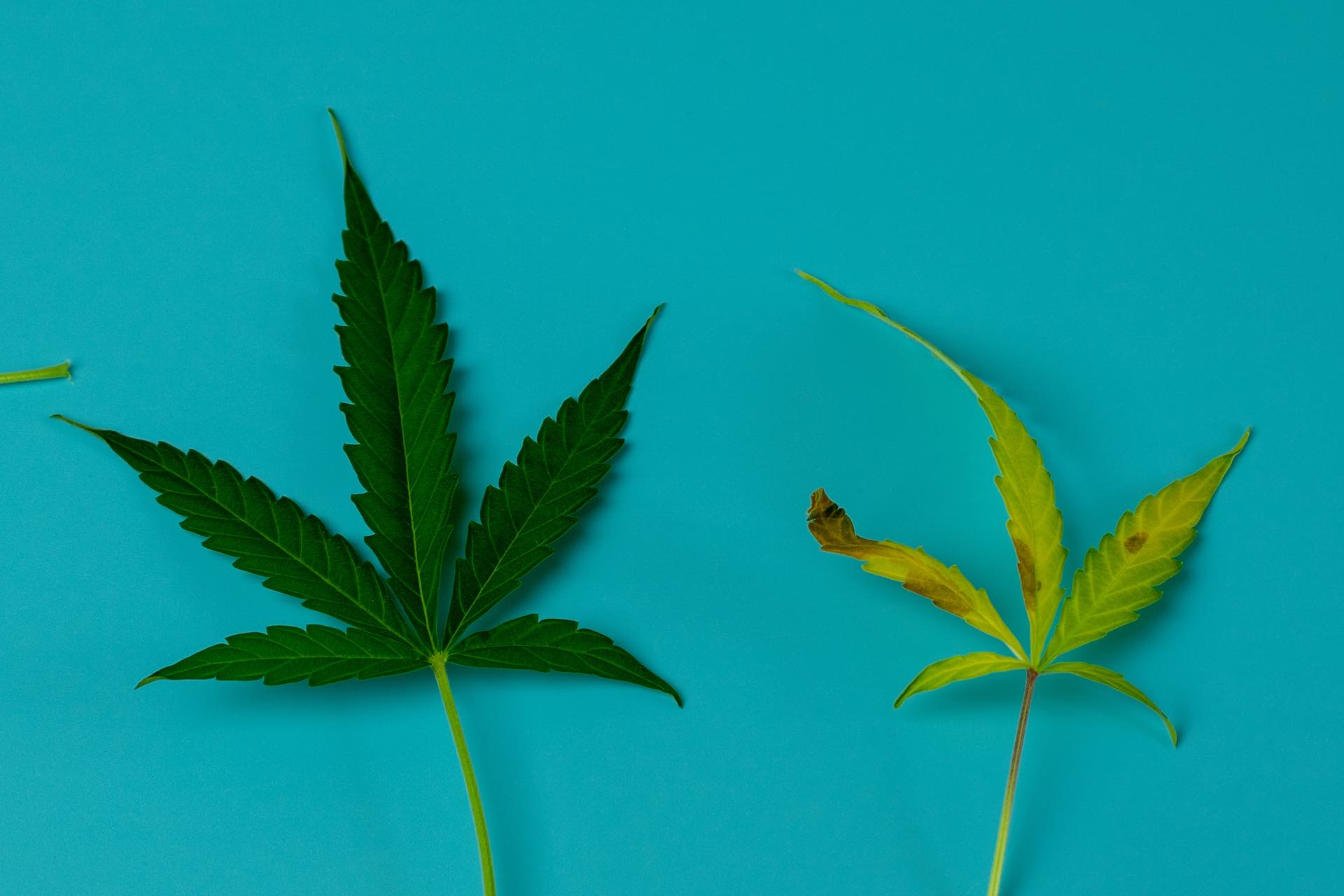
- Stunted growth: Cannabis plants with insufficient nitrogen will exhibit slow, weak growth. Leaves may turn pale green to yellow, starting from the older leaves at the base of the plant. This reduction in chlorophyll limits the plant’s ability to photosynthesize efficiently, reducing energy production and leading to diminished growth.
- Reduced biomass: Medical cannabis plants require robust vegetative growth to develop a large canopy, which is essential for supporting the formation of large, cannabinoid-rich flowers. Nitrogen deficiency reduces the overall biomass, leading to smaller plants with fewer flowering sites.
- Poor cannabinoid production: Reduced vegetative growth and a smaller canopy mean fewer buds and less surface area for cannabinoid production. Medical cannabis with nitrogen deficiency may produce lower yields and potentially have lower concentrations of medically significant cannabinoids such as CBD and THC.
2. Phosphorus Deficiency
Phosphorus is essential for energy transfer, root growth, and blooming. A deficiency in phosphorus can have serious consequences during the flowering stage, where it is most needed for the development of the buds.
- Delayed flowering: Medical cannabis requires phosphorus during the transition from vegetative to flowering stages. Phosphorus deficiency can delay this transition, leading to longer growth periods and potentially lower yields.
- Poor bud development: Phosphorus is necessary for the formation of healthy, resinous buds. Without adequate phosphorus, the buds may remain small, less dense, and produce fewer trichomes, which are the resin glands responsible for producing cannabinoids and terpenes.
- Lower potency: Phosphorus deficiency can directly impact the synthesis of cannabinoids, leading to lower concentrations of THC, CBD, and other medically important compounds. This can reduce the efficacy of the medical cannabis product for treating conditions such as chronic pain, anxiety, and seizures.
3. Potassium Deficiency
Potassium is essential for water management, enzyme activation, and the creation of carbohydrates and proteins. In medical cannabis cultivation, potassium deficiency can result in:
- Weak plants and poor disease resistance: Potassium is essential for the development of strong stems and resistance to diseases and environmental stresses. Deficient plants may be more susceptible to pathogens, pests, and environmental fluctuations, which can further compromise the plant’s health and cannabinoid production.
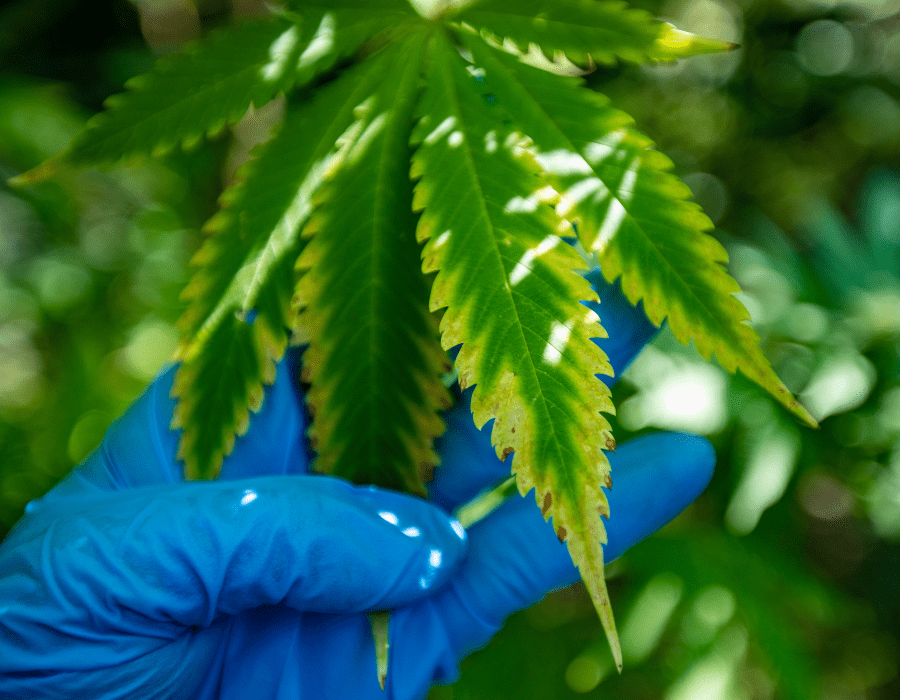
- Chlorosis and necrosis: Potassium deficiency often manifests as yellowing of the leaf margins (chlorosis) and eventual browning or death of the tissue (necrosis). This symptom reduces the plant’s ability to carry out photosynthesis, limiting energy production and growth.
- Reduced cannabinoid synthesis: Potassium deficiency directly affects the plant’s metabolic processes, leading to lower production of cannabinoids and terpenes. The medical efficacy of cannabis produced under potassium-deficient conditions may be compromised due to lower levels of the active compounds required for therapeutic use.
4. Calcium and Magnesium Deficiency
Calcium and magnesium deficiencies are common in medical cannabis cultivation, particularly when plants are grown in acidic soils or when there is an imbalance in nutrient uptake.
- Calcium deficiency: Calcium is critical for cell wall integrity and root development. A deficiency can result in stunted root growth, poor nutrient uptake, and weak stems. This leads to a reduced ability to support large buds, potentially lowering the overall yield and cannabinoid content of the plant.
- Magnesium deficiency: Magnesium is a central component of chlorophyll, and its deficiency leads to interveinal chlorosis (yellowing between the veins) in older leaves. This reduces the plant’s photosynthetic capacity and overall energy production, leading to poor growth and reduced cannabinoid synthesis. Magnesium deficiency can also negatively affect the plant’s ability to absorb and utilize other nutrients, compounding the problem.
5. Micronutrient Deficiencies
Micronutrients, though required in small amounts, play essential roles in various biochemical processes within the plant. Micronutrient deficiencies in medicinal cannabis plants, including iron, manganese, and zinc, can have a substantial impact on their health and productivity.
- Iron deficiency: Iron is necessary for chlorophyll synthesis and overall plant respiration. Iron-deficient plants will exhibit yellowing of the younger leaves, leading to poor photosynthesis and reduced growth. This can affect both vegetative and flowering stages, leading to lower yields and reduced cannabinoid production.
- Zinc deficiency: Zinc is involved in enzyme activation and protein synthesis. Deficient plants may exhibit stunted growth, reduced leaf size, and distorted leaf margins. This limits the plant’s ability to develop a healthy canopy, ultimately affecting the formation and quality of buds.
- Manganese deficiency: Manganese is required for photosynthesis and nitrogen metabolism. A deficiency can cause yellowing of the leaves and reduced plant vigor, leading to poor growth and lower cannabinoid content.
Addressing Soil Nutrient Deficiency in Medical Cannabis Cultivation
To prevent and correct soil nutrient deficiencies, medical cannabis cultivators must adopt a proactive approach to soil management. This includes regular soil testing, the use of balanced fertilizers, and proper irrigation practices to ensure optimal nutrient availability and uptake.
1. Soil Testing and Analysis
Regular soil testing is essential to identify nutrient imbalances before they affect plant health. By analyzing soil samples, cultivators can determine the levels of essential nutrients and adjust fertilization practices accordingly. Testing also helps to monitor soil pH, which plays a critical role in nutrient availability. For example, nutrients like phosphorus and iron become less available in alkaline soils, while calcium and magnesium may be deficient in acidic soils.
2. Balanced Fertilization
The use of balanced fertilizers that contain the appropriate ratios of macronutrients and micronutrients is essential for maintaining healthy cannabis plants. Fertilizers should be adapted to the plant’s individual growth stage, with more nitrogen content during the vegetative stage and higher phosphorus and potassium during the flowering stage. Furthermore, organic fertilizers like compost and worm castings can gradually increase soil structure and nutrient availability.
3. Proper Irrigation Practices
Overwatering or underwatering can exacerbate nutrient deficiencies by affecting nutrient uptake. Overwatering can lead to nutrient leaching, where essential nutrients are washed away from the root zone, while underwatering can reduce the plant’s ability to absorb nutrients from the soil. Maintaining consistent soil moisture levels is key to promoting healthy root growth and nutrient uptake.
4. Soil Amendments
In some circumstances, soil amendments may be required to address nutritional deficits. For example, lime can be used to raise the pH of acidic soils, improving the availability of calcium and magnesium. Gypsum can be added to provide additional calcium without affecting soil pH. Organic matter, such as compost or cover crops, can also improve soil fertility by increasing microbial activity and nutrient cycling.
Restrictions on Growing and Using Cannabis in the Medical Field and Its Role as a Last Resort

The use of cannabis in the medical field is subject to strict regulations and controls in most parts of the world, reflecting both its therapeutic potential and the need to minimize any adverse effects, particularly its psychoactive properties. Medical cannabis is primarily used to alleviate symptoms associated with chronic pain, epilepsy, multiple sclerosis, and chemotherapy-induced nausea, but it is generally considered a treatment of last resort, to be used when conventional therapies have proven ineffective or intolerable.
Legal Restrictions on Growing Medical Cannabis
The cultivation of cannabis for medical use is heavily regulated, with countries and states imposing strict guidelines on who can grow cannabis, under what conditions, and how much can be cultivated. Generally, only licensed growers who comply with specific regulations regarding the environment, safety, and purity of the plants are allowed to cultivate cannabis for medical purposes.
- Licensing and Certification: Growers must obtain licenses from relevant governmental bodies that oversee medical cannabis production. The application process involves proving adherence to stringent standards for quality control, plant tracking, security, and cultivation practices.
- Quality Control and Safety Standards: Medical cannabis must meet high safety and quality standards to ensure the product is free from contaminants such as pesticides, molds, and heavy metals. These standards are particularly important given that patients with compromised immune systems may be more vulnerable to the negative effects of contaminants.
- Restrictions on THC and CBD Levels: Regulations often dictate the allowable levels of tetrahydrocannabinol (THC), the psychoactive compound in cannabis, and cannabidiol (CBD), a non-psychoactive compound with therapeutic potential. Growers are required to monitor and control THC levels to ensure that the medical cannabis does not exceed legally defined thresholds, preventing unintended psychoactive effects on patients.
Cannabis as a Last Resort in Medical Treatment
In the medical field, cannabis is usually prescribed only after other more conventional treatments have failed. This is due to concerns about its psychoactive effects, potential for abuse, and lack of long-term studies on its safety and efficacy.
- Established Medical Treatments First: Physicians typically prioritize established and well-studied medical treatments, such as pharmaceuticals, physical therapy, and behavioral therapies, before considering medical cannabis. Only when these medicines fail to offer comfort or have terrible side effects do they consider cannabis as an alternative.
- Patient Eligibility: Patients eligible for medical cannabis are usually those with severe, chronic conditions that have not responded to other treatments. These may include cancer patients undergoing chemotherapy, individuals with intractable epilepsy, or patients with multiple sclerosis experiencing debilitating muscle spasms.
Monitoring THC Levels to Prevent Psychoactive Effects
The psychoactive effects of THC pose a particular concern in the medical use of cannabis. To prevent these effects, strict regulations are in place to monitor and limit THC levels in cannabis-based medications.
- Low THC Formulations: Many medical cannabis products are formulated to contain low levels of THC, focusing instead on CBD, which offers therapeutic benefits without psychoactivity. These low-THC, high-CBD products are preferred for conditions such as epilepsy and anxiety, where psychoactivity could be harmful or undesirable.
- Dosing Control and Patient Monitoring: Physicians carefully monitor patients using medical cannabis, starting with low doses and adjusting treatment as needed to minimize any psychoactive side effects. Regular assessments help ensure that patients receive therapeutic benefits while avoiding the cognitive and behavioral changes associated with higher THC concentrations.
Conclusion
Soil nutrient deficiencies and regulatory restrictions both play critical roles in the cultivation of medical cannabis, directly influencing the quality, safety, and therapeutic efficacy of the final product. Nutrient imbalances, particularly in essential macronutrients like nitrogen, phosphorus, and potassium, or micronutrients such as iron and zinc, can severely impact the health and development of cannabis plants. These deficiencies lead to reduced growth, smaller yields, and diminished cannabinoid production, which in turn compromises the plant’s medical value. To mitigate these risks, cultivators must carefully manage soil conditions through regular testing, balanced fertilization, and proper irrigation.
On the regulatory side, strict restrictions govern the cultivation and use of medical cannabis, reflecting both its potential benefits and the need to protect patients from adverse effects, especially the psychoactive properties of THC. Growers are required to meet stringent safety and quality standards to ensure the plants are free from contaminants and comply with legal THC limits. These regulations are essential for maintaining the purity and efficacy of medical cannabis, ensuring that patients receive treatments that are both safe and effective.
Medical cannabis is typically reserved as a last resort when conventional therapies have failed, and its use is closely monitored. Limiting THC levels in medical cannabis products is critical to prevent unwanted psychoactive effects, allowing for safe treatment of conditions such as chronic pain, epilepsy, and multiple sclerosis. In summary, the successful cultivation of medical cannabis hinges on both the prevention of soil nutrient deficiencies and adherence to strict regulatory frameworks, ensuring that patients can safely benefit from its therapeutic properties.
