The Impact of Heavy Metals in Soil on Medical Cannabis Cultivation
Introduction
Medical cannabis cultivation is a growing field of interest due to the increasing recognition of its therapeutic potential for various health conditions. It involves the cultivation of cannabis plants (Cannabis sativa, Cannabis indica, or hybrids) for the extraction of cannabinoids like tetrahydrocannabinol (THC) and cannabidiol (CBD), which possess significant medicinal properties. However, one of the major concerns in medical cannabis cultivation is the contamination of soil by heavy metals, which can have detrimental effects on both the plants and the patients who rely on cannabis-derived medications.
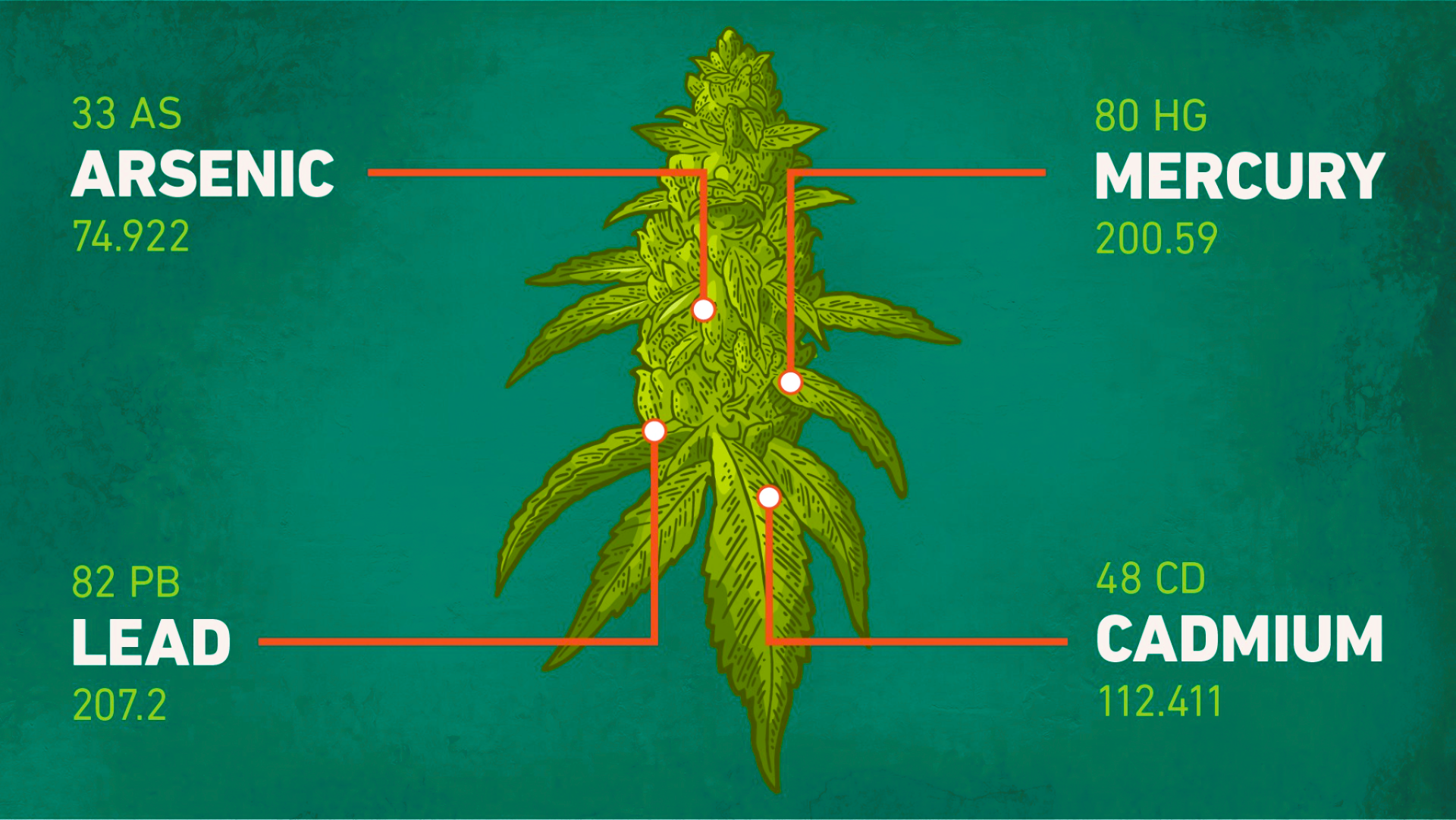
Heavy metals such as lead (Pb), cadmium (Cd), arsenic (As), and mercury (Hg) are toxic elements that can accumulate in soil and subsequently be taken up by plants, including cannabis. The uptake of heavy metals by cannabis plants poses a serious challenge because these metals can compromise the quality and safety of medical cannabis products. This paper explores the impact of heavy metals in soil on the cultivation of medical cannabis, the mechanisms of heavy metal uptake, the effects on plant health and cannabinoid production, and the potential health risks posed to patients. Furthermore, it discusses strategies for mitigating heavy metal contamination in soil and ensuring the safe cultivation of medical cannabis.
Heavy Metals in Soil: Sources and Contamination
Although heavy metals are naturally occurring elements found in the Earth’s crust, environmental exposure to them has increased dramatically due to human activity. Soil contamination with heavy metals can occur from a variety of sources, including industrial activities, mining, agricultural practices, wastewater irrigation, and the use of fertilizers and pesticides. The most often occurring heavy metals in polluted soils include chromium, lead, arsenic, cadmium, and mercury.
- Lead (Pb): A widespread environmental contaminant, lead can enter the soil through industrial activities such as mining, smelting, and the use of leaded gasoline or paints.
- Cadmium (Cd): Often associated with phosphate fertilizers and industrial waste, cadmium can easily accumulate in soil, especially in areas with high agricultural activity.
- Arsenic (As): Frequently found in soils contaminated by pesticides, herbicides, and mining waste, arsenic is particularly dangerous due to its high toxicity.
- Mercury (Hg): Primarily entering the soil through industrial emissions and waste disposal, mercury contamination is less common but highly toxic.
These metals are persistent in the environment and do not degrade over time. Once they are present in the soil, they can be taken up by plants through their root systems, depending on various factors such as soil pH, organic matter content, and the specific properties of the plant species.
Medical Cannabis and Its Role in Medicine
Before delving deeper into the issue of heavy metals in soil, it is essential to understand the significance of medical cannabis in the healthcare system. Numerous ailments, such as multiple sclerosis, epilepsy, chronic pain, cancer-related symptoms, and mental health issues, can be treated with medical cannabis. The active ingredients in cannabis, known as cannabinoids, interact with the body’s endocannabinoid system to regulate a number of physiological functions, including appetite, pain, inflammation, and mood.
The two primary cannabinoids of medical interest are:
- Tetrahydrocannabinol (THC): Known for its psychoactive effects, THC is used in medical settings for its analgesic, antiemetic, and muscle-relaxant properties.
- Cannabidiol (CBD): A non-psychoactive compound, CBD is widely recognized for its anti-inflammatory, anticonvulsant, and anxiolytic properties.
For patients who use medical cannabis, the quality and safety of the product are paramount. Contaminants such as heavy metals can alter the therapeutic efficacy of cannabis products and pose significant health risks to patients, particularly those with compromised immune systems or chronic conditions.
Heavy Metal Uptake in Cannabis Plants
Cannabis plants, like other plants, absorb nutrients and water from the soil through their roots. However, in the process of nutrient absorption, cannabis plants can also take up heavy metals present in the soil. The ability of cannabis to accumulate heavy metals is of particular concern because it is a hyperaccumulator—a plant capable of absorbing large amounts of heavy metals from contaminated soils. This characteristic makes cannabis useful in phytoremediation (a process where plants are used to clean contaminated environments), but it also means that medical cannabis grown in contaminated soil can pose serious risks to patient safety.
The uptake of heavy metals by cannabis is influenced by several factors, including:
- Soil pH: Acidic soils (low pH) tend to increase the solubility of heavy metals, making them more available for uptake by plants. In contrast, alkaline soils (high pH) can reduce the availability of heavy metals.
- Organic Matter: The presence of organic matter in soil can either enhance or reduce heavy metal uptake, depending on the type of organic material and the specific heavy metals present.
- Soil Texture: Soils with a high clay content may retain heavy metals more effectively, limiting their availability for plant uptake. In contrast, sandy soils may allow for greater mobility of heavy metals.
- Plant Genetics: Different strains of cannabis have varying capacities for heavy metal uptake. Some strains are more efficient at accumulating heavy metals, while others may have mechanisms to exclude them.
Once heavy metals are absorbed by cannabis plants, they can be translocated to various plant tissues, including leaves, stems, and flowers. Since the flowers of cannabis plants are used to produce medical cannabis products, the accumulation of heavy metals in these tissues is particularly concerning.
Effects of Heavy Metals on Cannabis Plant Health
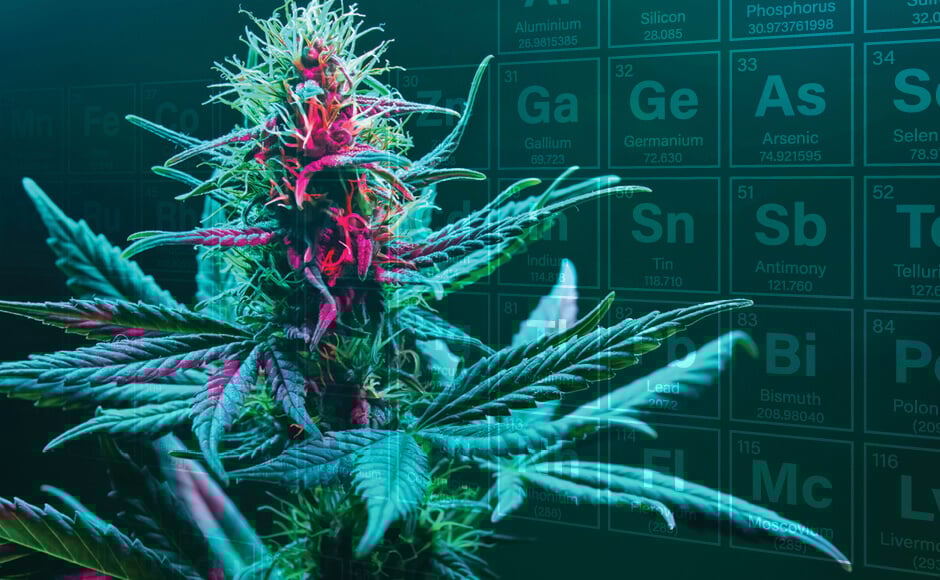
Heavy metal contamination can have adverse effects on the growth and health of cannabis plants, which in turn can affect the quality and yield of the final medical product. The presence of heavy metals in the soil can interfere with normal plant physiological processes, leading to a range of detrimental effects.
- Reduced Growth and Biomass Production: Heavy metals such as cadmium and lead can inhibit root and shoot growth, reduce biomass production, and impair overall plant development. This is because vital functions including photosynthesis, nutrient absorption, and water transport have been interfered with.
- Oxidative Stress: Heavy metals can induce oxidative stress in plants by generating reactive oxygen species (ROS), which can damage cellular components such as lipids, proteins, and DNA. Growth retardation, chlorosis (leaf yellowing), and necrosis (cell death) may follow from this.
- Disruption of Nutrient Uptake: Heavy metals can compete with essential nutrients for uptake by plant roots. For example, cadmium can interfere with the uptake of calcium and zinc, leading to nutrient deficiencies and impaired plant function.
- Alteration of Secondary Metabolism: Cannabis plants produce secondary metabolites, including cannabinoids, as part of their defense mechanisms. The presence of heavy metals can alter the production of these compounds, potentially reducing the therapeutic efficacy of medical cannabis products.
Impact on Cannabinoid Content and Quality
One of the key concerns with heavy metal contamination in medical cannabis cultivation is the potential impact on cannabinoid content and quality. The presence of heavy metals can alter the biosynthesis of cannabinoids, which are the primary active compounds responsible for the medicinal effects of cannabis.
- Altered Cannabinoid Profiles: Heavy metal stress can lead to changes in the levels of cannabinoids such as THC and CBD. For example, exposure to cadmium and lead has been shown to reduce THC and CBD levels in cannabis plants, potentially diminishing the therapeutic potency of the final product.
- Terpene Alterations: Terpenes are an additional class of chemicals present in cannabis that are responsible for both its scent and medicinal properties. Heavy metals can disrupt the biosynthesis of terpenes, leading to changes in the aroma profile and potentially reducing the overall quality of the cannabis.
- Contamination of Medical Products: Heavy metals can be directly incorporated into the plant tissues, including the flowers, which are used to produce medical cannabis products. As a result, contaminated plants may produce cannabis oils, extracts, or dried flowers that contain harmful levels of heavy metals.
Health Risks to Patients
The presence of heavy metals in medical cannabis poses significant health risks to patients, particularly those who use cannabis for chronic conditions or have weakened immune systems. Unlike recreational cannabis users, medical cannabis patients often consume cannabis regularly and in higher doses, increasing their exposure to potential contaminants. Heavy metals can accumulate in the body over time, leading to various health problems depending on the type of metal, the level of exposure, and the duration of use.
- Lead (Pb) Toxicity: Lead is a neurotoxin that can affect the brain and nervous system, particularly in vulnerable populations such as children and pregnant women. Developmental delays, cardiovascular issues, and cognitive impairments can result from prolonged exposure to lead.
- Cadmium (Cd) Toxicity: Kidney impairment, bone demineralization, and a higher risk of cancer are linked to cadmium exposure. It can also cause respiratory issues if inhaled, which is a concern for patients using cannabis through inhalation methods.
- Arsenic (As) Toxicity: Arsenic is a carcinogen that can lead to skin, lung, and bladder cancers. Chronic exposure to arsenic can also cause cardiovascular disease, diabetes, and neurological effects.
- Mercury (Hg) Toxicity: Mercury is highly toxic to the nervous system and can cause tremors, cognitive dysfunction, and motor skill impairments. Chronic mercury exposure can also lead to kidney damage and immune system suppression.
Given these health risks, it is essential to minimize the presence of heavy metals in medical cannabis products to ensure patient safety.
Mitigation Strategies for Heavy Metal Contamination
To ensure the safety and quality of medical cannabis products, it is crucial to implement strategies to mitigate heavy metal contamination in soil and reduce the uptake of these toxic elements by cannabis plants. Several approaches can be taken to achieve this goal:
- Soil Testing and Remediation: Regular testing of soil for heavy metal contamination is a critical step in preventing the uptake of these metals by cannabis plants. If contamination is detected, soil remediation techniques such as soil washing, phytoremediation (using plants to remove contaminants), and the addition of amendments (e.g., lime or organic matter) can be used to reduce heavy metal levels.
- Selection of Growing Media: Instead of using natural soil, growers can opt for soilless growing media such as coco coir, perlite, or hydroponic systems. These media can be carefully controlled to prevent the presence of heavy metals, ensuring that the cannabis plants are not exposed to contaminated soil.
- Genetic Selection of Cannabis Strains: Some cannabis strains have a lower capacity for heavy metal uptake. By selecting strains that are less prone to heavy metal accumulation, growers can reduce the risk of contamination in the final product.
- Chelating Agents: Chelating agents are compounds that can bind to heavy metals in the soil, making them less available for plant uptake. The use of chelating agents such as ethylenediaminetetraacetic acid (EDTA) or humic substances can help reduce the absorption of heavy metals by cannabis plants.
- pH Management: Preserving the ideal pH of the soil can aid in lowering the heavy metal availability for plant uptake. In general, a slightly alkaline soil pH (around 6.5-7.0) can reduce the solubility of heavy metals such as cadmium and lead, limiting their uptake by cannabis plants.
- Regulatory Standards and Testing: Governments and regulatory bodies should establish strict standards for heavy metal content in medical cannabis products. Regular testing of cannabis plants and products for heavy metal contamination is essential to ensure compliance with these standards and protect patient safety.
Restrictions on Growing and Using Cannabis in the Medical Field

The use of cannabis in the medical field is subject to stringent restrictions to ensure patient safety and therapeutic efficacy. These restrictions focus on cultivation practices, prescription guidelines, and the controlled use of cannabis as a last resort when other treatment options have failed.
Cultivation Restrictions
Medical cannabis cultivation is heavily regulated to maintain the quality and consistency of the cannabis used in medications. Licensed cultivators are required to adhere to strict protocols, such as:
- Controlled Environment: Cannabis must be grown in highly regulated environments, often indoors, where variables like temperature, humidity, and lighting are controlled to ensure consistent cannabinoid profiles and avoid contamination.
- No Contaminants: Growers must ensure the absence of pesticides, heavy metals, and other contaminants that could compromise patient safety. Regular soil and product testing is mandatory to ensure the purity of the plants.
- Genetic Selection: Cultivators are required to select specific strains with stable and predictable levels of cannabinoids, particularly CBD and THC, to meet the therapeutic needs of patients.
Use of Cannabis as a Last Resort
In the medical field, cannabis is typically prescribed as a last resort, only after conventional treatments have failed or are deemed unsuitable. This cautious approach is due to concerns over the potential for misuse, side effects, and variability in patient responses to cannabis-based treatments. Cannabis may be taken into consideration for ailments including multiple sclerosis, epilepsy, or chronic pain when other treatments have not sufficiently relieved the illness or have resulted in unbearable adverse effects.
Before cannabis is prescribed, healthcare providers must conduct a thorough assessment of the patient’s medical history and previous treatments, ensuring that cannabis is used in a medically justified manner. Regular monitoring of the patient’s condition and response to the treatment is essential to adjust dosage and cannabinoid composition as needed.
Monitoring THC Levels to Prevent Psychoactive Effects
To prevent unwanted psychoactive effects from the cannabinoid tetrahydrocannabinol (THC), medical cannabis products are required to have controlled and often minimal levels of THC. Regulatory agencies impose limits on THC content to ensure that patients do not experience significant psychoactivity, which could impair cognitive function, motor skills, or overall wellbeing.
CBD-rich strains or formulations with low THC are often preferred in medical cannabis to provide therapeutic benefits without the psychoactive effects associated with higher THC concentrations. Continuous monitoring of THC levels in medical cannabis products is crucial to maintaining the balance between efficacy and patient safety, allowing for targeted treatment without compromising quality of life.
Conclusion
The cultivation and use of medical cannabis present a promising therapeutic option for a variety of conditions, but they come with significant challenges that must be carefully managed to ensure patient safety and efficacy. Heavy metal contamination in soil is a key concern in medical cannabis cultivation, as cannabis plants can absorb these toxic elements, which may compromise the quality of medical cannabis products and pose serious health risks to patients. Strict soil testing, remediation strategies, and careful selection of growing media are necessary to mitigate these risks and produce safe, high-quality cannabis for medical use.
In the medical field, cannabis is used as a last resort treatment, particularly for patients who have not found relief from conventional therapies. The strict regulation of cannabis cultivation and prescription practices ensures that cannabis is used responsibly and only when medically justified. Additionally, monitoring THC levels in medical cannabis products is essential to prevent psychoactive effects that could interfere with patient safety and treatment outcomes. By controlling THC concentrations and focusing on CBD-rich formulations, medical cannabis can provide therapeutic benefits without the unwanted side effects.
Overall, the effective and responsible use of medical cannabis depends on stringent regulation, careful cultivation, and thorough monitoring to ensure that patients receive safe, effective, and high-quality treatments. As the medical cannabis industry continues to evolve, addressing the challenges of contamination and psychoactive control will be crucial for maximizing its potential as a valuable tool in healthcare.
