Table of Contents
The Hog is a cannabis strain celebrated for its potent effects and rich history. Originally bred by T.H. Seeds, The Hog is an Indica-dominant hybrid known for its robust genetic profile and high THC content. This strain has garnered attention among recreational users for its profound relaxation and among medical users for its therapeutic properties. Winning the High Times Cannabis Cup for Best Indica in 2002 solidified The Hog’s reputation as a heavy-hitting strain with enduring popularity.
The Hog is characterized by its dense, resin-covered buds that exude a strong earthy and skunky aroma. Its effects are deeply relaxing, often culminating in couch-lock and sedation. Due to its high potency, it is recommended for experienced users or those seeking intense therapeutic relief.
Genetic Profile and Characteristics
The Hog is believed to originate from a blend of native Tennessee and Afghan landrace strains, resulting in its strong Indica dominance. Its lineage imparts resilience, making it suitable for various growing conditions while maintaining its rich terpene profile and robust effects.
Genetic Breakdown:
- Type: Indica-dominant hybrid (90% Indica / 10% Sativa)
- Parent Strains: Tennessee-native Indica x Afghan landrace strains
- THC Content: Typically ranges between 20-25%
- CBD Content: Low, typically under 1%
Physical Characteristics:
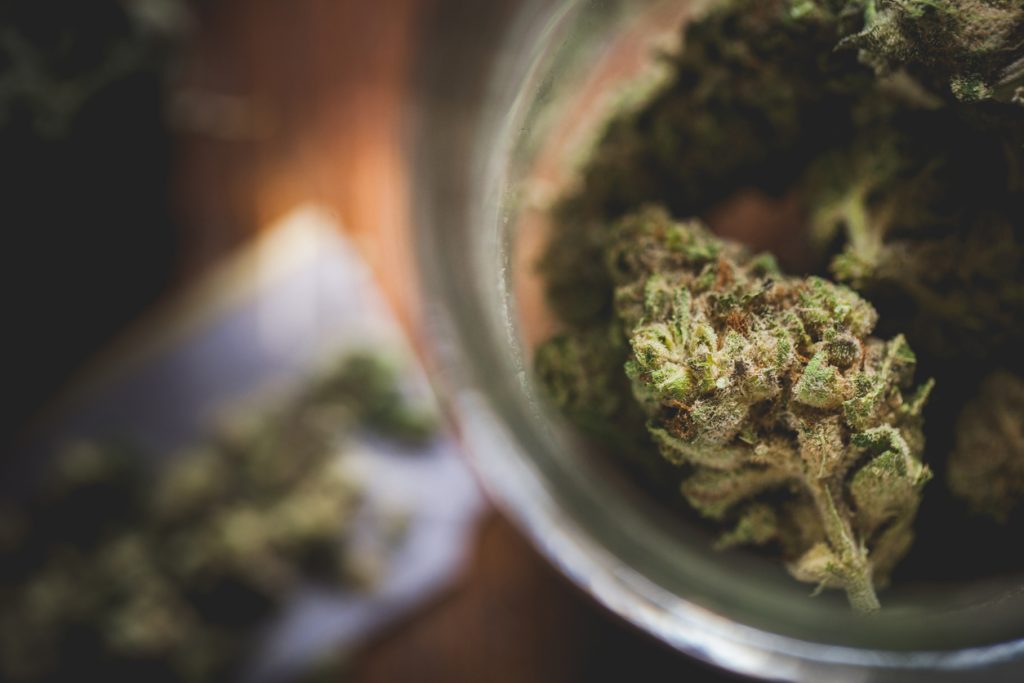
- Appearance: Dense and chunky buds with a dark green hue, often accented by deep purple undertones and fiery orange pistils.
- Trichomes: Abundant resinous trichomes give the buds a frosty appearance, indicating high potency.
- Aroma: Earthy, skunky, and slightly sweet with hints of spice.
- Flavor: Rich and earthy with a lingering sweet and spicy aftertaste.
Terpene Profile
Terpenes play a significant role in The Hog’s distinct aroma, flavor, and effects. This strain’s predominant terpenes are:
- Myrcene:
- Effects: Sedation, relaxation, and stress relief.
- Aroma: Earthy and musky with herbal notes.
- Concentration: Myrcene is the primary terpene, enhancing the strain’s Indica characteristics.
- Caryophyllene:
- Effects: Anti-inflammatory and analgesic properties.
- Aroma: Spicy and peppery.
- Concentration: Contributes to the strain’s skunky and spicy aroma.
- Limonene:
- Effects: Mood elevation and stress reduction.
- Aroma: Citrus and sweet.
- Concentration: Provides subtle sweetness to the flavor profile.
Recreational Uses of The Hog
For recreational cannabis users, The Hog delivers a powerful and immersive experience. Its effects are almost entirely relaxing, making it a go-to strain for unwinding and relieving stress.
1. Relaxation and Stress Relief: The Hog’s potent Indica effects induce a state of deep relaxation, often described as a full-body buzz. This makes it an ideal choice for users looking to disconnect from daily stressors or unwind after a long day.
2. Enhanced Sleep: As a strain with strong sedative properties, The Hog is frequently used in the evening or before bed. It promotes deep, restful sleep, making it a favorite among users with insomnia or those who have difficulty maintaining sleep.
3. Appetite Stimulation: Known colloquially as “munchies,” The Hog often stimulates appetite, making it enjoyable for recreational users looking to enhance their dining experiences.
4. Social Settings: While not typically associated with energizing effects, The Hog can create a calm and sociable atmosphere in smaller, relaxed gatherings.
Medical Applications

The Hog’s high THC content and Indica-dominant profile make it an effective strain for managing a variety of medical conditions. Below are some of its specific therapeutic uses:
1. Pain Management: The strain’s potent analgesic effects make it highly effective in alleviating chronic pain. Patients with conditions such as arthritis, fibromyalgia, and migraines often turn to The Hog for relief. Caryophyllene, one of its dominant terpenes, enhances these effects by targeting pain receptors in the body.
2. Anxiety and Stress Disorders: The calming effects of The Hog’s high myrcene content are beneficial for those suffering from anxiety, PTSD, or chronic stress. The strain’s ability to induce mental tranquility makes it a popular choice for managing such conditions.
3. Insomnia: Due to its sedative properties, The Hog is widely used as a natural sleep aid. Patients struggling with insomnia or irregular sleep patterns report significant improvements after using this strain.
4. Appetite Loss and Nausea: The Hog’s appetite-stimulating properties make it an effective treatment for ailments like nausea and cachexia, which are frequently encountered by patients with eating disorders or those receiving chemotherapy.
5. Muscle Spasms and Seizures: The relaxing effects of The Hog help alleviate muscle spasms and lessen some patients’ seizure frequency. While its low CBD content may not directly target seizure activity, the overall relaxation can still provide relief for conditions like multiple sclerosis or epilepsy.
Scientific Studies and Insights
Scientific studies on cannabis strains like The Hog focus primarily on its active compounds, particularly THC and terpenes, to understand its medical efficacy and recreational appeal.
1. THC and Its Psychoactive Effects: The Hog’s high THC content contributes to its potent psychoactive effects, including euphoria, relaxation, and altered sensory perception. These effects are the result of THC’s interaction with CB1 receptors in the brain’s endocannabinoid system. Research highlights THC’s potential in:
- Modulating pain pathways.
- Inducing sleep and relaxation.
- Reducing inflammation.
2. Terpene Contributions: Terpenes play a critical role in the entourage effect, where cannabinoids and terpenes work synergistically to enhance therapeutic benefits. The Hog’s terpene profile contributes to its sedative and analgesic properties.
3. Sedative Mechanisms: The strain’s ability to induce sleep is attributed to the high concentration of myrcene, which has been studied for its sedative effects. Myrcene is believed to enhance the permeability of the blood-brain barrier, allowing THC to act more effectively.
4. Anti-inflammatory Properties: Caryophyllene’s unique ability to interact with CB2 receptors provides anti-inflammatory benefits, making The Hog suitable for chronic inflammatory conditions.
5. Appetite Stimulation Research: THC’s interaction with the hypothalamus is linked to increased appetite, which is beneficial for patients with appetite suppression due to medical treatments or conditions.
Potential Side Effects
Despite its benefits, The Hog’s high potency can lead to side effects, particularly in inexperienced users or those sensitive to THC. Common side effects include:
- Dry Mouth and Dry Eyes: Staying hydrated can help mitigate these minor discomforts.
- Dizziness: Higher doses may cause lightheadedness, especially in novice users.
- Paranoia or Anxiety: Overconsumption may lead to heightened anxiety or paranoia due to the strain’s intense effects.
- Sedation: While beneficial for insomnia, sedation can be overwhelming for users intending daytime use.
Cultivating The Hog Cannabis Strain
Cultivating The Hog cannabis strain successfully requires an understanding of both its genetic predispositions and the environmental factors that optimize its growth. Below is a detailed breakdown of the science-based methods and considerations for cultivating this strain:
1. Genetic Characteristics and Growing Behavior
- Indica-Dominant Growth Traits: The Hog’s Indica lineage results in short, bushy plants with dense foliage, making it well-suited for controlled environments like indoor grow rooms or greenhouses.
- Resistance to Stress: Thanks to its Afghan landrace genetics, The Hog is resilient to temperature fluctuations and some environmental stress, but it is susceptible to mold due to its dense bud structure.
- Flowering Period: Typically, The Hog takes 8–9 weeks to flower, which aligns with the average for Indica-dominant strains.
2. Optimal Growing Conditions
Scientific studies on cannabis cultivation emphasize the importance of controlling light, temperature, humidity, and nutrients to maximize both yield and potency. Here are the specifics for The Hog:
- Lighting Requirements:
- During the vegetative stage, The Hog thrives under 18–24 hours of light per day with high-pressure sodium (HPS) or full-spectrum LED lights.
- In the flowering stage, a 12-hour light/12-hour dark cycle is critical for initiating and sustaining bud development.
- PAR (Photosynthetically Active Radiation) levels should be carefully managed, with optimal ranges between 400–700 μmol/m²/s.
- Temperature and Humidity:
- Vegetative Phase: Maintain temperatures between 70–80°F (21–26°C) with a relative humidity (RH) of 50–70%.
- Flowering Phase: Reduce temperatures slightly to 68–78°F (20–25°C) and lower RH to 40–50% to prevent mold on the dense buds.
- Studies suggest that maintaining a slight temperature drop (5–10°F) during the dark cycle in flowering can enhance terpene production.
- CO₂ Enrichment:
- Introducing carbon dioxide at levels of 1200–1500 ppm during the vegetative and early flowering stages can significantly boost growth rates and yields. However, CO₂ supplementation should only be implemented in sealed environments to maximize efficiency.
3. Nutrient Requirements
The Hog’s nutrient needs vary depending on its growth stage. Providing the correct balance of macronutrients (N-P-K) and micronutrients ensures healthy plant development and robust resin production.
- Vegetative Stage:
- Vigorous foliage growth is encouraged by high nitrogen levels.
- Typical N-P-K ratios: 3:1:1 (e.g., 3% Nitrogen, 1% Phosphorus, 1% Potassium).
- Add micronutrients like calcium (Ca) and magnesium (Mg) to prevent deficiencies that could impede growth.
- Flowering Stage:
- Shift to higher phosphorus and potassium levels to support bud formation.
- Typical N-P-K ratios: 1:3:3 (e.g., 1% Nitrogen, 3% Phosphorus, 3% Potassium).
- Incorporate sulfur and silica to enhance trichome production and terpene synthesis.
- pH Levels:
- Soil medium: Maintain a pH range of 6.0–6.5.
- Hydroponics: Aim for a slightly lower pH of 5.5–6.0 to optimize nutrient uptake.
4. Pruning and Training Techniques
Given The Hog’s dense growth structure, proper pruning and training are essential to improve airflow, maximize light penetration, and boost yields.
- Low-Stress Training (LST):
- Tie down the branches during the vegetative stage to create an even canopy and enhance light distribution.
- Defoliation:
- Remove excess fan leaves periodically to prevent shading and improve air circulation around the dense buds.
- Topping and Fimming:
- These high-stress techniques can increase the number of colas, leading to a more substantial yield.
5. Mediums for Cultivation
The choice of growing medium directly influences The Hog’s nutrient uptake and root development. Research supports the following options for cultivating cannabis:
- Soil: Ideal for beginners, as it acts as a buffer for nutrient delivery. Enriching the soil with organic amendments like compost or worm castings can improve terpene profiles.
- Coco Coir: A soilless medium that allows greater control over nutrients and water. It offers excellent aeration and water retention, minimizing the risk of overwatering.
- Hydroponics: Advanced growers may opt for hydroponic systems to achieve faster growth rates and higher yields. Ensure consistent oxygenation and pH balance to avoid nutrient lockout.
6. Pest and Disease Management
Cannabis plants, including The Hog, are susceptible to pests and pathogens. Scientific approaches to Integrated Pest Management (IPM) are critical for maintaining healthy plants:
- Common Pests:
- Spider Mites: Mitigate infestations with predatory mites or neem oil.
- Aphids: Remove manually or use insecticidal soap sprays.
- Fungus Gnats: Prevent with sticky traps and proper drainage.
- Fungal Diseases:
- The dense buds of The Hog make it prone to botrytis (bud rot). To prevent this, maintain low humidity levels and ensure proper airflow.
- Use biofungicides like Bacillus subtilis as a preventive measure.
7. Enhancing Terpene and Cannabinoid Profiles
Research suggests that environmental and cultivation techniques directly influence the terpene and cannabinoid profiles of cannabis. For The Hog, enhancing its terpenes like myrcene, caryophyllene, and limonene involves:
- Controlled Stress Techniques:
- Light stress from UV-B exposure during the late flowering stage can boost resin and terpene production.
- Gradual reductions in nighttime temperatures (without shocking the plant) can enhance coloration and flavor.
- Flushing:
- Conduct a two-week flush before harvest to remove residual nutrients, ensuring a smoother smoking or vaping experience.
8. Harvesting and Curing
Scientific research highlights the importance of proper harvesting and curing to preserve cannabinoids and terpenes:
- Harvest Timing:
- Trichome appearance serves as the best indicator of ripeness. Harvest when most trichomes are milky white with some amber tones for maximum potency.
- Drying:
- Dry buds in a dark, well-ventilated space at 60–70°F (15–21°C) with 50–60% humidity to prevent terpene loss.
- Curing:
- Place dried buds in airtight jars and burp them daily for the first two weeks to release moisture. Curing for 4–8 weeks can significantly improve flavor and potency.
Ingestion Techniques, Duration, Effects, and Onset
Here’s a detailed explanation of each aspect, combining scientific principles with the unique characteristics of The Hog cannabis strain.
1. Methods of Ingestion
A. Smoking
- Process: Combusting the dried flower and inhaling the resulting smoke.
- Scientific Basis: The active compound THC is rapidly absorbed through the alveoli in the lungs, entering the bloodstream almost immediately.
- Advantages:
- Rapid delivery to the brain, providing near-instant relief.
- Full flavor profile due to preserved terpenes during combustion.
- Disadvantages:
- Combustion can produce harmful byproducts, potentially irritating the respiratory system.
B. Vaping
- Process: Heating the flower or concentrate to release cannabinoids and terpenes in a vapor, avoiding combustion.
- Scientific Basis: Vaporization occurs at lower temperatures (315\u00b0F to 428\u00b0F), preserving more cannabinoids and terpenes while reducing harmful toxins.
- Advantages:
- Cleaner than smoking, with enhanced flavor profiles.
- Fast onset similar to smoking, with fewer health risks.
- Disadvantages: Requires specialized equipment and maintenance.
C. Edibles
- Process: Infusing The Hog’s cannabinoids into food or drinks.
- Scientific Basis: THC is metabolized in the liver into 11-hydroxy-THC, a more potent and long-lasting compound.
- Advantages:
- Long-lasting effects are ideal for sustained relief.
- Discreet and non-invasive consumption.
- Disadvantages:
- Delayed onset complicates dosage management.
- Overconsumption risks due to late effect realization.
D. Tinctures (Sublingual)
- Process: Placing cannabis-infused liquid under the tongue for absorption via mucosal membranes.
- Scientific Basis: Bypasses the digestive system, entering the bloodstream directly for faster onset compared to edibles.
- Advantages:
- Precise dosing is possible.
- Moderate onset with sustained effects.
- Disadvantages: The flavor might not appeal to all users.
E. Topicals
- Process: Applying cannabis-infused creams or balms to the skin.
- Scientific Basis: Cannabinoids interact with CB2 receptors in the skin but do not penetrate deeply enough to reach the bloodstream.
- Advantages:
- Non-psychoactive, providing localized pain and inflammation relief.
- Disadvantages: Limited to external application; not effective for systemic issues.
F. Dabbing
- Process: Vaporizing concentrated cannabis extracts on a hot surface and inhaling the vapor.
- Scientific Basis: Concentrates contain high levels of THC, delivering potent effects quickly.
- Advantages:
- High potency with small doses.
- Immediate effects.
- Disadvantages: Requires specialized equipment; not suitable for inexperienced users.
2. Onset, Duration, and Effects
A. Onset of Effects
- Smoking/Vaping: Effects are felt within 1–5 minutes due to rapid absorption in the lungs. This makes it ideal for immediate relief of acute symptoms like pain or anxiety.
- Edibles: Delayed onset (30 minutes to 2 hours) due to the digestion and liver metabolism process, which converts THC to a more potent form.
- Tinctures: Moderate onset (15–30 minutes), as cannabinoids bypass the digestive tract through sublingual absorption.
- Topicals: Effects start within 30 minutes to 1 hour, limited to the application area.
- Dabbing: Immediate onset (1–2 minutes) due to the high concentration of cannabinoids.
B. Duration of Effects
- Smoking/Vaping: Lasts 1–3 hours, with effects peaking within the first 30 minutes.
- Edibles: Long-lasting effects (4–8 hours), making them suitable for chronic conditions.
- Tinctures: Intermediate duration (4–6 hours), balancing quick onset and sustained effects.
- Topicals: Effects last 2–4 hours, focused on localized areas without systemic psychoactivity.
- Dabbing: Similar to smoking but with a more intense experience, lasting 1–3 hours.
C. Psychoactive and Therapeutic Effects
- Relaxation and Sedation: Due to its high THC content (20–25%) and myrcene dominance, The Hog provides deep body relaxation and heavy sedation, making it ideal for evening use.
- Euphoria: THC activates the brain’s reward system by binding to CB1 receptors, resulting in mood elevation and a sense of bliss.
- Stress and Anxiety Relief: The calming effects help reduce anxiety and stress, though high doses may increase anxiety in sensitive users.
- Pain Relief: THC’s analgesic properties, combined with caryophyllene’s anti-inflammatory effects, target chronic pain conditions like arthritis and migraines.
- Appetite Stimulation: THC interacts with the hypothalamus, triggering hunger, commonly referred to as the “munchies.”
- Sleep Aid: The strain’s sedative properties are enhanced by its terpene profile, making it highly effective for combating insomnia.
D. Adverse Effects
- Dry Mouth and Eyes: THC affects salivary glands, reducing saliva production. These symptoms can be lessened by drinking plenty of water.
- Dizziness: May occur at high doses, particularly in novice users.
- Paranoia: Overconsumption of THC can lead to heightened anxiety or paranoia, especially in individuals prone to such effects.
- Couch-Lock: The Hog’s sedative properties can cause extreme lethargy, which may be overwhelming for daytime use.
3. Factors Influencing Effects
- Dosage: Small doses provide mild relaxation, while larger doses induce profound sedation and psychoactivity.
- Individual Tolerance: Regular users may require higher doses to achieve the same effects, while first-time users should start with low doses.
- Consumption Method: Onset and duration vary significantly based on the method of ingestion, as explained above.
- Terpene Profile: The Hog’s dominant terpenes (myrcene, caryophyllene, and limonene) synergize with THC to enhance its sedative, anti-inflammatory, and euphoric properties.
Consumer Recommendations
1. Ideal Consumption Time: Due to its sedative effects, The Hog is best consumed in the evening or before bed. Daytime use may lead to excessive lethargy.
2. Methods of Consumption:
- Smoking: Delivers quick effects and the full flavor profile.
- Vaping: Offers a smoother experience and highlights the strain’s terpene profile.
- Edibles: Longer-lasting effects, but potency should be carefully managed.
- Tinctures: Allows for precise dosing, suitable for medical users.
3. Pairing Suggestions: The Hog pairs well with relaxing activities such as watching movies, meditating, or enjoying a warm bath. For culinary enthusiasts, its appetite-stimulating effects make it a great companion to rich and flavorful meals.
Final Thoughts
The Hog cannabis strain stands out as a quintessential Indica-dominant hybrid, offering profound relaxation, therapeutic benefits, and a robust sensory experience. Whether for recreational or medical use, its high potency and distinctive characteristics make it a favorite among seasoned users and patients alike. However, its strength necessitates responsible use and mindful dosing.
For those seeking a deeply relaxing experience or relief from chronic pain, insomnia, or anxiety, The Hog delivers on all fronts. With proper cultivation and consumption, this strain continues to hold its place as a staple in the world of cannabis.
For a complete directory of cultivars, visit our Cannabis Strain Reviews.
