Introduction
The cannabis flowering stage is the most rewarding and complex phase in a grower’s journey. It is when your plants begin to form resinous buds containing the cannabinoids and terpenes you’ve worked so hard to encourage from seed. For both new and experienced growers, understanding what happens during the cannabis flowering stage — and how to manage it — is critical to achieving high-yield, high-quality harvests.
This comprehensive guide covers every essential element of the cannabis flowering stage, including environmental control, lighting cycles, nutrients, phases of development, and signs of ripeness. It has been written to reflect the latest cultivation best practices, along with the standards of Google’s 2025 Core Update, focusing on experience, expertise, authoritativeness, and trustworthiness.
What Is the Flowering Stage in Cannabis?
The flowering stage marks the final and most important phase in the cannabis plant’s life cycle. Once your plant has completed its vegetative growth and reached maturity, it will begin shifting energy from producing stems and leaves to developing flowers — the buds. These flowers will eventually be harvested and cured for use.
This process, known as cannabis flower development, is triggered in most strains by changes in light exposure.
As the days grow shorter in nature, or as you reduce the light period in an indoor grow, the plant begins a hormonal shift that initiates this critical stage of growth.
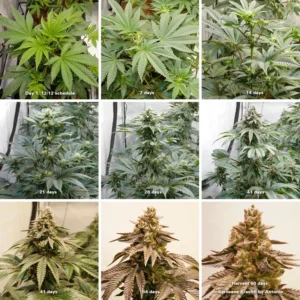
How Cannabis Enters the Flowering Stage
Cannabis plants fall into two categories: photoperiod-sensitive and auto-flowering. Most strains are photoperiodic, meaning they require specific light changes to start flowering. A photoperiod cannabis plant typically enters flower when it receives 12 hours of uninterrupted darkness and 12 hours of light per day.
This light-triggered shift initiates the plant’s internal transition into cannabis flower development, a hormonal response that begins the production of buds and trichomes.
Auto-flowering strains, by contrast, begin to flower based on age rather than light cycle. These typically start flowering between the third and fifth week from germination and are ideal for beginners or those growing in limited space or light conditions.
Interrupting the dark period with light, even briefly, can confuse the plant, delay cannabis flower development, or cause stress that may result in hermaphroditic traits.
Length of the Flowering Stage by Strain Type
The total length of the flowering phase varies depending on the strain’s genetics. Here is a general breakdown:
-
Indica strains: 6 to 8 weeks
-
Sativa strains: 10 to 14 weeks
-
Hybrid strains: 8 to 10 weeks
-
Auto-flowering strains: 5 to 9 weeks (from germination to harvest)
It is important to note that these timeframes are averages and actual flowering time can vary based on environmental conditions and individual plant expression.
Early Signs of Flowering
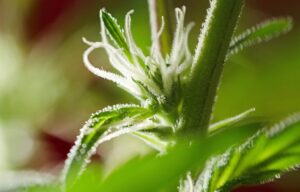
When cannabis transitions from vegetative to flowering, the first visible sign of cannabis flower development is the appearance of pistils — small white hairs that emerge from the nodes, where the leaves join the main stem or branches.
You may also notice:
-
A sudden increase in vertical growth, known as the stretch
-
Formation of small bud sites at the branch tips
-
Development of sticky trichomes on sugar leaves
-
Increase in the plant’s aroma
These early changes typically occur within the first 7 to 14 days of the 12/12 light schedule.
Environmental Conditions During Flowering
The cannabis flowering stage requires a stable, controlled environment to produce the best results. Several factors must be adjusted compared to the vegetative phase to ensure healthy, high-yielding flowering cannabis plants.
Temperature
-
Daytime temperature: 70 to 80°F (21 to 27°C)
-
Nighttime temperature: 65 to 75°F (18 to 24°C)
Avoid extreme heat or cold fluctuations. Large differences between day and night temperature can stress the plant and affect bud density and resin production.
Humidity
-
Vegetative phase: 60 to 70 percent relative humidity
-
Flowering phase: 40 to 50 percent relative humidity
Lower humidity is necessary during flowering to prevent mold and powdery mildew from developing on the dense buds. Use a dehumidifier to maintain proper levels.
Airflow
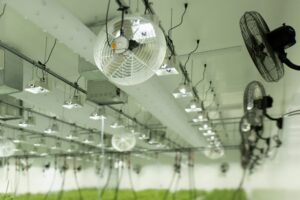
Good air circulation helps prevent humidity buildup and promotes strong plant structure. Install oscillating fans above and below the canopy, but do not point them directly at the plants. Gentle movement simulates outdoor wind and strengthens stalks.
Also ensure that carbon dioxide is well-distributed in the room. Higher CO2 concentrations can promote vigorous growth and support heavy bud formation.
Lighting Requirements for Flowering
During the vegetative stage, most growers use 18 to 24 hours of light per day. To trigger flowering in photoperiod plants, reduce the cannabis flowering light cycle to 12 hours on and 12 hours off. This shift initiates one of the most important transitions in the cannabis growth stages, where the plant begins to produce resin-rich flowers.
You can either:
-
Switch directly from 18/6 to 12/12
-
Gradually reduce light over a week (for example, from 18/6 to 16/8 to 14/10 to 12/12)
The goal is to simulate the shortening daylight hours of autumn. Whichever method you use, consistency is key. Once flowering has begun, the dark period must remain undisturbed. Avoid opening the grow room during the dark cycle, even for short periods, to preserve the integrity of the cannabis flowering light cycle.
Position your grow lights 18 to 24 inches above the canopy and adjust as plants grow. Too much light intensity can cause light burn, while too little can result in spindly colas, disrupting your cannabis bud development stages.
Flowering Nutrient Requirements
Cannabis has different nutrient needs during flowering compared to the vegetative stage. While nitrogen dominates the vegetative phase, flowering cannabis plants require higher levels of phosphorus and potassium to support bud and resin production.
Here is a typical nutrient transition:
-
Weeks 1 to 2: Reduce nitrogen, increase phosphorus and potassium
-
Weeks 3 to 6: Maximize bloom nutrients
-
Weeks 7 to 10: Begin reducing nutrients and prepare for flushing
Bloom-specific fertilizers are ideal for these cannabis growth stages, offering ratios like 1-5-7 or 2-8-8 that support strong floral output.
Avoid overfeeding. Excess nutrients can cause salt buildup, nutrient lockout, and degrade flower taste. Follow manufacturer guidelines and test your runoff for pH and electrical conductivity. These precautions are standard in any well-informed marijuana flowering guide.
The Four Stages of Cannabis Flowering
Week 1–2: Pre-Flowering
-
Rapid vertical stretching
-
Formation of white pistils
-
Transition from vegetative growth
-
Early signs of trichome development
This is the entry point into the cannabis flowering timeline. Support structures like trellis netting should be installed now, especially for strains known to produce heavy colas. At this early phase in the marijuana flowering guide, your plant begins a rapid shift toward flower formation.
Week 3–4: Bud Site Development
-
Buds begin forming at nodes
-
Pistils increase in density
-
Calyxes start swelling
-
Aroma begins to intensify
At this stage, your plant is entering full cannabis bud development stages, where the flower clusters become more defined. Continue full bloom feeding and monitor airflow and humidity to prevent mold. This is also a critical time in the cannabis flowering timeline, as structure and resin production ramp up significantly.
Week 5–7: Bud Growth and Trichome Production
-
Buds increase in mass
-
Trichomes become more prominent
-
Terpenes develop, enhancing the smell
-
Leaves may yellow slightly as energy shifts to buds
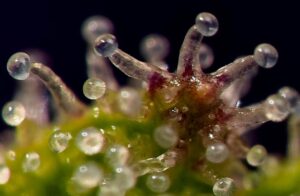
This is when cannabis trichome stages become visible and measurable. Trichomes begin transitioning from clear to cloudy, indicating rising THC content. The development here is central to both potency and flavor. Documenting progress in your grow journal helps track success across multiple cannabis growth stages.
Week 8–10+: Ripening and Maturation
-
Pistils begin to darken and curl
-
Trichomes change from clear to cloudy to amber
-
Buds swell to final size and become sticky
-
Most cannabinoids have reached peak concentration
This is the final step in the cannabis bud development stages. Monitoring the cannabis trichome stages here is critical to determining the optimal harvest window. A jeweler’s loupe or digital microscope helps detect when trichomes shift from milky white to amber, signaling peak potency or a more sedative profile depending on your desired outcome.
Many growers begin flushing at this stage to prepare for harvest, improving bud smoothness and flavor. This process is widely recommended in any thorough marijuana flowering guide.
How to Know When to Harvest
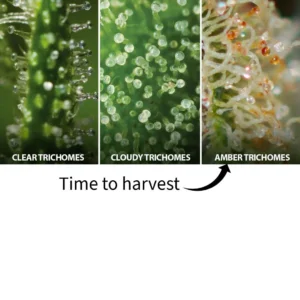
The most reliable way to determine harvest readiness is by observing cannabis trichome stages. Use a magnifying tool to inspect them:
-
Clear trichomes: Not ready
-
Cloudy trichomes: Highest THC
-
Amber trichomes: More sedative, higher CBN
Aim for mostly cloudy trichomes with a percentage of amber based on your desired effects. This final judgment call is a crucial step in mastering the full cannabis flowering timeline.
Also consider pistil color: when 70 to 90 percent have darkened and curled inward, your plant is nearing maturity. These cues help answer the question how long does cannabis take to flower, which varies but generally falls between 7 and 11 weeks depending on strain.
Final Tips for the Flowering Stage
-
Stick to a strict 12/12 schedule to maintain a stable cannabis flowering light cycle
-
Keep temperature and humidity within optimal flowering ranges
-
Monitor trichomes daily during final weeks to track cannabis trichome stages
-
Flush plants before harvest for better taste and smoke quality
-
Use your grow journal to track progress across all cannabis growth stages
Conclusion
The flowering stage is where preparation meets reward. Understanding the cannabis flowering light cycle, reading the cannabis trichome stages, and following the full cannabis flowering timeline empowers growers to consistently produce high-yield, high-potency harvests. By observing the full range of cannabis bud development stages and applying insights from this marijuana flowering guide, you’ll be better equipped to answer critical questions like how long does cannabis take to flower and when to act for peak results.
From lighting to nutrients, and from stretch to harvest, every detail matters. Master these techniques and your garden will thrive with potent, aromatic, and perfectly timed buds.
About the Author
This guide was created by the Royal King Seeds cultivation team, drawing on over two decades of real-world growing experience across indoor, greenhouse, and outdoor environments. All advice is based on firsthand practice, scientific research, and results tested across more than 100 cannabis cultivars sold through our licensed online seed bank at royalkingseeds.us.
