The Evolution of Medical Cannabis Consumption: From Ancient Times to the Present
Introduction
The journey of cannabis as a medicinal substance spans thousands of years, cutting across various cultures and civilizations. The plant’s therapeutic properties have been utilized and documented in ancient texts and medical manuscripts, and its role has evolved significantly over time. This article aims to provide a comprehensive overview of the evolution of medical cannabis consumption, from ancient times to the present.
Ancient Use of Cannabis
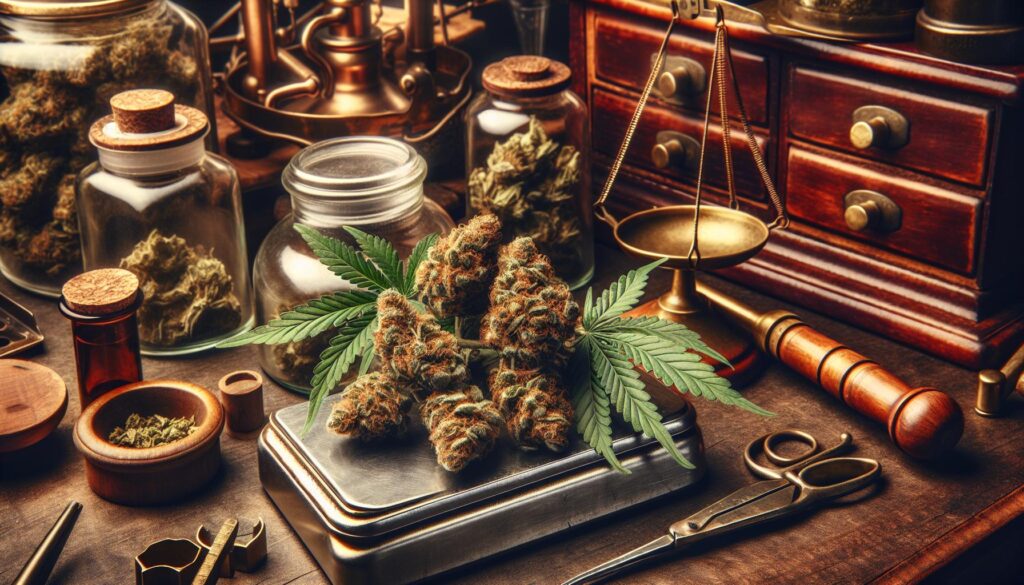
Early Beginnings in Asia
The plant known as Cannabis sativa, which is the source of marijuana and hemp, is said to have come from Central Asia, more especially from parts of southern Siberia and modern-day Mongolia. Evidence from archaeology points to the usage of cannabis for both medical and psychoactive purposes as early as 4000 BCE.
China
One of the earliest recorded uses of cannabis as medicine comes from ancient China. The legendary Emperor Shen Nung, often regarded as the father of Chinese medicine, is said to have prescribed cannabis for various ailments around 2700 BCE. The ancient Chinese pharmacopeia, known as the “Pen Ts’ao Ching,” mentions the use of cannabis to treat conditions such as rheumatism, malaria, and absent-mindedness.
India
Cannabis has been utilized for medical purposes in India for thousands of years, and Ayurvedic medicine heavily incorporates cannabis use. The Vedas, which date back to around 2000–1400 BCE, are ancient Indian writings that list cannabis as one of the five sacred plants. Known as “bhang,” cannabis was used in India to treat a variety of conditions, including anxiety, pain, and digestive disorders.
Ancient Middle East and Africa
Cannabis use also extended to the Middle East and Africa, where it was employed for its medicinal and psychoactive properties.
Egypt
In ancient Egypt, cannabis was used for medicinal purposes, as evidenced by the Ebers Papyrus, an ancient medical text from around 1550 BCE. The document lists cannabis as a treatment for inflammation and glaucoma. Additionally, cannabis was used in suppositories to relieve the pain of hemorrhoids.
Middle East
The ancient Assyrians and Persians also recognized the medicinal properties of cannabis. The Assyrians referred to it as “qunubu,” a term that is thought to have influenced the modern word “cannabis.” In Persian medicine, cannabis was used to treat a variety of ailments, including epilepsy and muscle spasms.
Ancient Europe
In Europe, the use of cannabis for medicinal purposes can be traced back to ancient Greece and Rome.
Greece
The Greek historian Herodotus wrote about the use of cannabis by the Scythians, a nomadic tribe, around 450 BCE. In his “De Materia Medica,” penned in the first century CE, the Greek physician Dioscorides discussed the use of cannabis to alleviate inflammation and earaches.
Rome
The Roman physician Galen, who lived in the second century CE, also documented the use of cannabis for medicinal purposes. He recommended it for its ability to relieve pain and induce sleep.
Medieval and Renaissance Periods
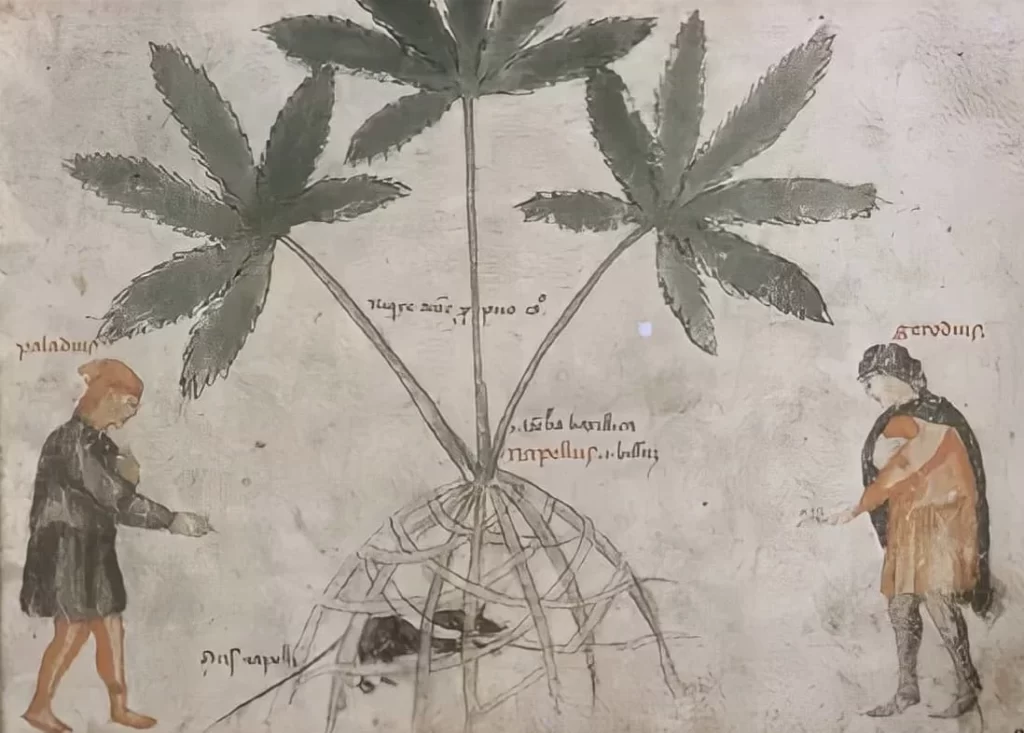
Islamic Medicine
During the medieval period, Islamic physicians played a significant role in preserving and expanding knowledge about the medicinal use of cannabis. The Persian polymath Avicenna, in his famous medical text “The Canon of Medicine” (1025 CE), noted the therapeutic benefits of cannabis for various conditions, including gout and headaches.
Europe
In medieval Europe, cannabis continued to be used for its medicinal properties. The herb was included in various herbal remedies and treatments. Hildegard of Bingen, a German abbess and herbalist, mentioned cannabis in her works, recommending it for its ability to alleviate pain and reduce inflammation.
The Renaissance
A renaissance of interest in herbal therapy, including the application of cannabis, occurred throughout the Renaissance. The plant was included in several pharmacopeias and medical texts of the time. Its application in the treatment of various illnesses was documented by eminent medical figures including Nicholas Culpeper and Paracelsus.
The Modern Era: 19th and Early 20th Centuries
Western Medicine
In the 19th century, cannabis began to gain recognition in Western medicine. The Irish physician William Brooke O’Shaughnessy is often credited with introducing cannabis to Western medicine. In the 1830s, while working in India, O’Shaughnessy observed the widespread use of cannabis in traditional Indian medicine and conducted experiments to explore its medicinal properties. He found that cannabis was effective in treating conditions such as rheumatism, cholera, and tetanus.
United States and Europe
By the mid-19th century, cannabis extracts were included in the pharmacopeias of the United States and various European countries. Pharmaceutical companies produced cannabis tinctures and extracts, which were prescribed for a variety of conditions, including pain, insomnia, and muscle spasms.
Decline in Use
Despite its medicinal benefits, the use of cannabis began to decline in the early 20th century due to a combination of factors. The development of synthetic drugs and the advent of modern pharmaceuticals provided alternative treatments for many conditions. Additionally, the recreational use of cannabis led to its association with social and moral issues, resulting in increasing regulation and criminalization.
Legal Restrictions
In the United States, the Marihuana Tax Act of 1937 effectively banned the use of cannabis by imposing strict regulations and taxes on its production and distribution. Similarly, in many European countries, cannabis was subjected to stringent controls and restrictions, leading to a decline in its medicinal use.
The Late 20th Century: Re-Emergence of Medical Cannabis
The 1960s and 1970s
The 1960s and 1970s marked the beginning of a renewed interest in the medicinal properties of cannabis. This period saw significant advancements in the understanding of the plant’s chemical composition and its effects on the human body.
Discovery of Cannabinoids
In the 1960s, Israeli chemist Raphael Mechoulam and his colleagues isolated and identified delta-9-tetrahydrocannabinol (THC), the primary psychoactive compound in cannabis. This finding represented a significant advancement in our knowledge of the physiological effects of cannabis on humans.
Medical Marijuana Movement
The medical marijuana movement gained momentum in the 1970s and 1980s, driven by advocates who highlighted the therapeutic benefits of cannabis for patients with chronic illnesses. The use of cannabis for medical purposes began to gain public support, leading to the establishment of organizations such as the National Organization for the Reform of Marijuana Laws (NORML) and the Alliance for Cannabis Therapeutics (ACT).
Legalization Efforts
In the 1990s, several states in the United States took significant steps towards legalizing medical cannabis. After Proposition 215 was passed in 1996, California became the first state to legalize medical marijuana. This historic law permitted the medical use of cannabis by patients with a legitimate doctor’s recommendation.
The 21st Century: Medical Cannabis in the Modern Era
Expansion of Legalization
The 21st century has seen a dramatic shift in the legal status of medical cannabis. As of 2024, over 30 states in the United States have legalized medical cannabis, and numerous countries around the world have adopted similar measures. This widespread legalization has paved the way for significant advancements in research and the development of cannabis-based therapies.
Medical Research and Clinical Trials
The legalization of medical cannabis has facilitated extensive research into its therapeutic potential. Clinical trials have explored the use of cannabis and its compounds in treating a wide range of conditions, including chronic pain, epilepsy, multiple sclerosis, and cancer-related symptoms.
Cannabidiol (CBD)
Growing interest in cannabidiol (CBD), a non-psychoactive component of cannabis, is one of the most important recent developments. Numerous medicinal benefits of CBD have been demonstrated by research, including its ability to reduce inflammation and relieve pain and anxiety. Products containing CBD have grown in popularity due to its ability to treat ailments like chronic pain, epilepsy, and anxiety.
Advances in Cannabis Cultivation and Production
Advancements in cannabis cultivation and production have also played a crucial role in the evolution of medical cannabis. Modern cultivation techniques, including selective breeding and genetic engineering, have led to the development of strains with specific cannabinoid profiles tailored for medical use.
Pharmaceutical Developments
The pharmaceutical industry has increasingly recognized the potential of cannabis-based medicines. Several cannabis-derived medications have received regulatory approval in various countries. For instance, Sativex, a mouth spray with THC and CBD, is authorized to treat multiple sclerosis-related spasticity. Similarly, Epidiolex, a CBD-based medication, has been approved for the treatment of certain forms of epilepsy.
Challenges and Future Directions
Legal and Regulatory Issues
Despite significant progress, the legal and regulatory landscape for medical cannabis remains complex and inconsistent. Cannabis is still regarded as a restricted substance in many nations, which restricts research and accessibility. Efforts to harmonize regulations and establish standardized guidelines for medical cannabis use are ongoing.
Research Gaps
While there has been substantial research on the therapeutic potential of cannabis, there are still gaps in our understanding. Long-term studies and large-scale clinical trials are needed to fully elucidate the efficacy and safety of cannabis-based treatments for various conditions.
Public Perception and Stigma
Public perception of cannabis has evolved significantly, but stigma and misconceptions persist. Campaigns for education and awareness are crucial to debunking rumors and encouraging wise choices about the use of medical cannabis.
Future Prospects
Medical cannabis has a bright future ahead of it. It is anticipated that ongoing studies and technical developments will reveal novel therapeutic uses and enhance the ways in which cannabis-based therapies are administered. In the field of medicinal cannabis, personalized medicine—wherein therapies are customized based on a patient’s genetic composition and particular condition—may also come to pass.
Tips for Your Health
Using medical cannabis only when necessary requires careful management and mindful practices to ensure its effectiveness and minimize potential dependency or side effects. Here are some tips to help you use medical cannabis responsibly:
Consult a Healthcare Professional Begin by consulting with a knowledgeable healthcare provider who can assess your condition and recommend appropriate cannabis strains and dosages. They can help you develop a treatment plan tailored to your specific needs.
Get a Prescription or Recommendation In many areas, legal access to medical cannabis requires a prescription or recommendation from a licensed healthcare provider. Ensure you have the necessary documentation before using cannabis.
Understand Your Condition Have a clear understanding of the condition you are treating with cannabis. Use it only when symptoms are present and when other treatment options are ineffective or unsuitable.
Select the Appropriate Strain Different strains have varying effects. Choose a strain specifically suited to your medical needs, whether it’s for pain relief, anxiety, insomnia, or another condition. Consult with your healthcare provider or a knowledgeable dispensary staff member to select the right strain.
Consider CBD and THC Ratios Understand the roles of CBD (cannabidiol) and THC (tetrahydrocannabinol). CBD is non-psychoactive and can be effective for anxiety, inflammation, and pain, while THC is psychoactive and effective for pain, nausea, and muscle spasms. Select products with appropriate CBD-to-THC ratios based on your medical needs.
Start Low and Go Slow When beginning treatment, start with a low dose and gradually increase it until you achieve the desired effect. This approach helps minimize side effects and allows you to find the most effective dose with the least amount of cannabis.
Use the Right Method of Administration Choose the method of administration that best suits your needs. Options include tinctures and topicals. The duration and onset periods of each method’s effects vary. For example:
- Tinctures: Moderate onset and duration.
- Topicals: Offer targeted alleviation devoid of psychedelic consequences.
Use Cannabis as a Last Resort Try other treatment options and lifestyle changes before resorting to medical cannabis. Use it only when other methods are ineffective or when immediate relief is needed.
Maintain a Consistent Schedule For chronic conditions, consistent use at the same times each day can help maintain stable levels of cannabinoids in your system. However, if your condition allows, try to use cannabis only when symptoms are present and problematic.
Keep a Cannabis Journal Document your usage, including the strain, dosage, method of consumption, and effects. This can help you track patterns, adjust your treatment plan as needed, and discuss your progress with your healthcare provider.
Monitor Side Effects Be vigilant about potential side effects, such as dizziness, dry mouth, or changes in appetite and mood. To modify your treatment plan if side effects are severe or persistent, speak with your healthcare practitioner.
Know the Laws in Your Area Stay informed about the legal status of medical cannabis in your region, including any restrictions on possession, use, and travel. Ensure you comply with local laws to avoid legal complications.
Store Cannabis Safely Keep medical cannabis out of reach of children and pets. Store it in a cool, dark place to preserve its potency and prevent unauthorized access.
Do Not Drive or Operate Machinery Avoid driving or operating heavy machinery while under the influence of cannabis, especially if it contains THC, due to its psychoactive effects.
Integrate with Other Treatments Medical cannabis can often be used alongside other treatments. Discuss any other medications or therapies you are using with your healthcare provider to avoid potential interactions and to create a comprehensive treatment plan.
Healthy Lifestyle Complement cannabis treatment with a healthy lifestyle, including a balanced diet, regular exercise, and adequate sleep, to maximize its benefits and overall effectiveness.
Stay Informed Keep up-to-date with the latest research and developments in medical cannabis. Being informed helps you make better decisions about your treatment and understand new options that may become available.
Advocate for Yourself Be proactive in your healthcare. If your current healthcare provider is not knowledgeable about medical cannabis, seek out specialists or other professionals who can provide the necessary support and information.
Using medical cannabis responsibly and only when necessary can help manage your condition effectively while minimizing risks and ensuring long-term health and well-being.
Conclusion
In conclusion, the evolution of medical cannabis consumption from ancient times to the present illustrates the enduring and versatile therapeutic potential of the cannabis plant. Throughout history, various cultures have recognized and utilized cannabis for its medicinal properties, treating a wide range of ailments with different preparations and methods.
From its early use in ancient China, India, Egypt, and Greece to its integration into Western medicine in the 19th century, cannabis has had a complex and varied journey. Its use decreased in the 20th century as a result of legislative limitations and the emergence of synthetic medications. Nonetheless, there has been a notable upsurge in interest in the late 20th and early 21st centuries, fueled by advancements in science, evolving legal frameworks, and increasing public support.
Advancements in medical research have provided a deeper understanding of cannabinoids and their interactions with the human body, leading to the development of targeted treatments for conditions such as chronic pain, epilepsy, multiple sclerosis, and cancer-related symptoms. The increasing legalization and regulation of medical cannabis have further facilitated research and accessibility, paving the way for more refined and effective therapies.
Despite the progress, challenges remain, including inconsistent legal and regulatory environments, gaps in research, and persistent stigma. Overcoming these hurdles will require continued efforts in education, advocacy, and policy reform.
Overall, the story of medical cannabis is one of rediscovery and innovation, offering new hope and relief to patients worldwide. As research and acceptance continue to grow, medical cannabis is poised to play an increasingly important role in modern healthcare, providing a valuable tool for managing a wide array of health conditions and improving the quality of life for many.
