
The Economics of Medical Cannabis: Opportunities and Challenges in the Industry
Introduction
Medical cannabis has evolved from a taboo subject to a burgeoning industry with significant economic potential. The global landscape for medical cannabis is shaped by evolving legislation, increasing medical research, and shifting public perceptions. This paper explores the economic opportunities and challenges inherent in the medical cannabis industry, focusing on market growth, investment prospects, regulatory frameworks, and potential obstacles.
Market Growth and Economic Potential

Global Market Expansion
The global medical cannabis market has seen a rapid increase in both value and volume, driven by several key factors. Legislative changes across various countries have played a crucial role in market expansion. Countries like Canada, Germany, and Australia have fully legalized medical cannabis, leading to an influx of investment and the establishment of robust medical cannabis programs. In the United States, although cannabis remains federally illegal, numerous states have legalized medical cannabis, creating a fragmented but sizable market.
In regions where medical cannabis is newly legalized, market entry by established cannabis companies and startups alike has been vigorous. This competitive landscape has spurred innovation in cultivation techniques, product development, and patient care. Market forecasts suggest that continued legislative progress and increasing patient acceptance will sustain the market’s growth trajectory.
Employment and Economic Benefits
The economic benefits of the medical cannabis industry extend beyond direct sales. The industry has generated substantial employment opportunities in cultivation, processing, distribution, and retail. Ancillary businesses, such as equipment manufacturers, legal services, and marketing firms, have also benefited from the industry’s growth. For instance, in Colorado, the cannabis industry has created tens of thousands of jobs, contributing to lower unemployment rates and increased economic activity.
The fiscal impact of the medical cannabis industry is significant as well. Tax revenues from cannabis sales have been used to fund public health programs, education, and infrastructure projects. In states with established markets, cannabis tax revenues have become a vital part of the budget, demonstrating the industry’s potential to contribute to broader economic development.
Investment Opportunities
Investment in the medical cannabis industry has surged, driven by the promise of high returns and the sector’s rapid growth. Venture capital and private equity firms have played a pivotal role in funding cannabis startups, focusing on innovative cultivation technologies, new product development, and biopharmaceutical research. Institutional investors, traditionally cautious about the sector due to regulatory risks, have also started to participate, reflecting growing confidence in the industry’s long-term prospects.
Publicly traded cannabis companies have attracted significant investment through stock exchanges in Canada and the United States. Companies like Canopy Growth, Tilray, and Aurora Cannabis have raised substantial capital through initial public offerings (IPOs) and secondary offerings, enabling them to expand their operations and invest in research and development. The increasing involvement of mainstream financial institutions is a testament to the sector’s maturation and potential.
Regulatory Frameworks and Challenges

Legislative Landscape
The regulatory environment for medical cannabis is complex and varied, posing both opportunities and challenges for industry participants. In countries like Canada and Uruguay, comprehensive national frameworks have been established, providing clear guidelines for cultivation, processing, distribution, and sale. In contrast, the United States presents a more fragmented landscape, with each state developing its own regulations within the context of federal prohibition.
The inconsistency in regulatory frameworks creates challenges for companies operating across multiple jurisdictions. Compliance with differing standards for product testing, labeling, and advertising can be resource-intensive and complex. However, the evolving legislative landscape also offers opportunities for companies that can navigate these complexities and establish themselves as leaders in multiple markets.
Compliance and Standardization
Ensuring compliance with regulatory standards is a critical challenge in the medical cannabis industry. Regulatory bodies in different countries and states have established diverse requirements for product quality, safety testing, and labeling. These variations necessitate robust compliance systems to ensure products meet the standards of each market.
To overcome these issues, attempts are being made to standardize. Organizations like the American Society for Testing and Materials (ASTM) and the International Organization for Standardization (ISO) are developing standards for cannabis products and processes. Adoption of standardized protocols can enhance product safety, improve consumer confidence, and facilitate international trade in medical cannabis.
Intellectual Property and Patents
Intellectual property (IP) protection is a significant concern in the medical cannabis industry. The ability to patent new strains, cultivation methods, and formulations is crucial for encouraging innovation and securing competitive advantages. However, the complex legal status of cannabis complicates the IP landscape, particularly in countries where cannabis remains federally illegal.
Businesses are spending a lot of money on R&D to produce exclusive strains and goods. To safeguard their investments and market positions, these developments must be granted patents and trademarks. The establishment of clear guidelines for cannabis-related patents and increased cooperation between national and international IP offices can help address these challenges.
Research and Development in the Medical Cannabis Industry
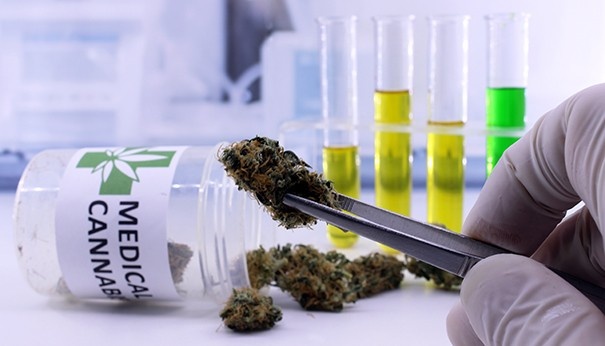
Research and development (R&D) are at the heart of the medical cannabis industry’s growth and innovation. This section delves into the key aspects of R&D, focusing on advancements in medical research, the challenges and opportunities associated with clinical trials and regulatory approvals, and the innovations in cannabis products that are shaping the future of medical treatments.
Advancements in Medical Research
Medical research on cannabis and its components, particularly cannabinoids like tetrahydrocannabinol (THC) and cannabidiol (CBD), has expanded significantly in recent years. This research is critical for understanding the therapeutic potential of cannabis and developing new treatments for a variety of medical conditions.
- Therapeutic Potential of Cannabinoids
The body’s endocannabinoid system (ECS), which is involved in controlling a number of physiological functions like pain, mood, appetite, and immunological response, is influenced by cannabinoids. Research has shown that cannabinoids can be effective in managing conditions such as chronic pain, epilepsy, multiple sclerosis, and chemotherapy-induced nausea and vomiting.- Chronic Pain: Studies have demonstrated that cannabis can help reduce chronic pain in patients with conditions like arthritis, neuropathy, and fibromyalgia. Reducing dependency on opioids, which have a high risk of addiction and overdose, is significantly impacted by this.
- Epilepsy: It has been demonstrated that people with epilepsy, especially those with treatment-resistant types such as Dravet syndrome and Lennox-Gastaut syndrome, experience fewer and milder seizures. The U.S. FDA’s approval of the CBD-based drug Epidiolex offers evidence of the medicinal potential of cannabis in the treatment of epilepsy.
- Multiple Sclerosis: Cannabis has been found to alleviate symptoms of multiple sclerosis, including spasticity and pain. Sativex, an oral spray containing THC and CBD, is approved in several countries for the treatment of spasticity in multiple sclerosis patients.
- Chemotherapy-induced Nausea and Vomiting: Cannabis has long been used to alleviate nausea and vomiting caused by chemotherapy. THC-based medications like Marinol and Cesamet are approved for this purpose, offering an alternative to traditional antiemetics.
- Mechanisms of Action
Understanding the mechanisms of action of cannabinoids is crucial for developing targeted therapies. Research is focused on elucidating how cannabinoids interact with cannabinoid receptors (CB1 and CB2) and other receptors in the ECS. This information can be used to find novel therapeutic targets and enhance the security and effectiveness of cannabis-based therapies. - Optimizing Dosages and Delivery Methods
Determining the optimal dosages and delivery methods for cannabis-based treatments is a critical area of research. Depending on the mode of administration, variables including bioavailability, commencement of action, and duration of effects differ. Research is ongoing to develop formulations that provide consistent and predictable therapeutic effects.- Oral Administration: Edibles, capsules, and tinctures provide longer-lasting effects but have a slower onset. Research is focused on improving the bioavailability of orally administered cannabinoids to enhance their therapeutic efficacy.
- Topical and Transdermal: Topical creams and transdermal patches offer localized relief for conditions such as arthritis and muscle pain. These delivery methods are advantageous for avoiding systemic side effects and achieving targeted therapy.
Clinical Trials and Regulatory Approval
Securing regulatory approval for cannabis-based pharmaceuticals is essential for bringing new treatments to market. Clinical trials play a critical role in demonstrating the safety and efficacy of these treatments, but they also present significant challenges.
- Clinical Trial Design
Designing robust clinical trials for cannabis-based treatments requires careful consideration of several factors, including patient populations, dosing regimens, and outcome measures. The variability in cannabis strains and formulations adds complexity to trial design.- Randomized Controlled Trials (RCTs): RCTs are the gold standard for evaluating the efficacy of new treatments. However, conducting RCTs with cannabis can be challenging due to regulatory restrictions and the need for placebo controls, which can be difficult to achieve with cannabis due to its distinctive effects and odor.
- Observational Studies: Observational studies can provide valuable real-world evidence on the safety and efficacy of medical cannabis. These studies often involve larger patient populations and longer follow-up periods, complementing the data obtained from RCTs.
- Regulatory Challenges
The regulatory approval process for cannabis-based treatments is complex and varies by country. To prove the safety and effectiveness of new medications, the FDA in the US mandates extensive clinical trials. This process can be lengthy and expensive, posing a barrier for smaller companies with limited resources.- FDA Approval: The approval of Epidiolex and other cannabis-based drugs by the FDA sets a precedent for future cannabis pharmaceuticals. The agency’s requirements for preclinical and clinical data are stringent, emphasizing the need for high-quality research and robust trial designs.
- International Regulations: Regulatory requirements for medical cannabis vary significantly across countries. In Canada, for example, the regulatory framework is more permissive, allowing for a broader range of medical cannabis products. For businesses looking to expand into new markets, it is essential to comprehend and navigate these regulatory environments.
- Cost and Funding
The cost of conducting clinical trials and securing regulatory approval can be prohibitive. Funding for cannabis research has historically been limited due to legal restrictions and stigma. However, increasing acceptance of medical cannabis and growing investment in the sector are helping to address these challenges.- Public and Private Funding: Government agencies, such as the National Institutes of Health (NIH) in the United States, are beginning to allocate more funding for cannabis research. Private investors and pharmaceutical companies are also investing in clinical trials to develop new cannabis-based treatments.
- Collaborative Research: Collaborations between academia, industry, and government can help pool resources and expertise, facilitating high-quality research and reducing the financial burden on individual entities.
Innovations in Cannabis Products
Innovation in cannabis product development is essential for enhancing the therapeutic efficacy and patient experience of medical cannabis. Advances in product formulations and delivery methods are driving the evolution of the industry.
- Novel Formulations
Developing novel formulations of cannabis products can improve their safety, efficacy, and patient compliance. Innovations in this area include the creation of precise dosing systems, enhanced bioavailability, and targeted delivery.- Nanoencapsulation: Nanoencapsulation involves encasing cannabinoids in nanoparticles, enhancing their bioavailability and stability. This technology allows for more precise dosing and improved therapeutic outcomes.
- Liposomal Delivery: Liposomal delivery systems encapsulate cannabinoids in lipid bilayers, improving their absorption and prolonging their effects. This method is particularly useful for oral and topical formulations.
- Sustained-Release Formulations: Sustained-release formulations provide a controlled release of cannabinoids over an extended period, reducing the frequency of dosing and improving patient adherence.
- Alternative Delivery Methods
Exploring alternative delivery methods can enhance the patient experience and expand the range of therapeutic applications for medical cannabis.- Transdermal Patches: Transdermal patches offer a convenient and discreet method of administering cannabinoids. They provide a steady release of active compounds, ensuring consistent therapeutic effects.
- Suppositories: Suppositories are being developed for patients who cannot take oral medications or require localized treatment for conditions such as pelvic pain and gastrointestinal disorders.
- Personalized Medicine
Personalized medicine seeks to customize care for each patient according to their genetic composition, way of life, and unique medical needs. In the context of medical cannabis, personalized medicine involves identifying the most effective cannabinoid profiles and dosages for each patient.- Genetic Testing: Genetic testing can help identify how patients metabolize cannabinoids and their potential response to different strains and formulations. Clinicians can use this information to help them choose the best courses of action.
- Patient Monitoring: Advances in digital health technologies, such as mobile apps and wearable devices, enable continuous monitoring of patients’ responses to medical cannabis. These tools can provide real-time data on treatment efficacy and side effects, facilitating personalized treatment adjustments.
- Cannabis-Based Biopharmaceuticals
The development of cannabis-based biopharmaceuticals represents a significant advancement in the medical cannabis industry. These products are formulated to meet pharmaceutical standards, ensuring consistency, safety, and efficacy.- Synthetic Cannabinoids: Synthetic cannabinoids, such as dronabinol and nabilone, are chemically identical to naturally occurring cannabinoids but are produced through synthetic processes. These compounds offer the benefits of cannabinoids without the variability associated with plant-derived products.
- Cannabinoid Combinations: Research is exploring the synergistic effects of combining different cannabinoids and other bioactive compounds found in cannabis. These combinations can enhance therapeutic outcomes and reduce adverse effects.
Economic Impact on Healthcare
Cost Savings and Healthcare Utilization
Medical cannabis has the potential to reduce healthcare costs by providing alternative treatments for various conditions. Patients using medical cannabis often report decreased reliance on prescription medications, particularly opioids. This can lead to substantial cost savings for healthcare systems, as opioids and other traditional pharmaceuticals are often more expensive and associated with higher rates of adverse effects.
Studies have shown that states with legal medical cannabis programs have seen reductions in opioid prescriptions and related healthcare costs. By providing a safer and potentially more effective treatment option, medical cannabis can contribute to lower healthcare expenditures and improved patient outcomes.
Insurance Coverage and Reimbursement
Insurance coverage and reimbursement for medical cannabis remain significant challenges. While some countries and states have implemented policies to include medical cannabis in healthcare plans, many insurers are hesitant to cover cannabis treatments due to legal and regulatory uncertainties. The lack of coverage can make medical cannabis prohibitively expensive for many patients, limiting its accessibility.
Advocacy efforts are underway to encourage insurers to cover medical cannabis treatments. Demonstrating the cost-effectiveness and therapeutic benefits of cannabis through robust clinical evidence can help change insurer policies. Policymakers can also play a role by establishing clear guidelines for insurance coverage and reimbursement of medical cannabis.
Patient Access and Affordability
Ensuring patient access to affordable medical cannabis is a critical economic challenge. High production costs, regulatory compliance expenses, and taxes can drive up the price of medical cannabis, making it less accessible to patients in need. Strategies to address these barriers include reducing regulatory burdens, providing subsidies for low-income patients, and encouraging competition in the market to lower prices.
Programs that allow patients to grow their own cannabis or obtain it through non-commercial means can also enhance accessibility. Policymakers must balance the need for regulation with the goal of making medical cannabis affordable and accessible to all patients.
Social and Economic Equity
Addressing Disparities in the Industry
The medical cannabis industry has faced criticism for failing to address social and economic disparities. Minority communities, disproportionately affected by cannabis prohibition, have often been excluded from the economic benefits of legalization. Efforts to promote social equity, such as offering licenses and support to minority-owned businesses, are essential for creating a more inclusive industry.
Several states have implemented social equity programs aimed at providing opportunities for those most affected by the war on drugs. These programs include provisions for reduced licensing fees, business training, and access to capital. Ensuring that these initiatives are effective and accessible is crucial for fostering diversity and inclusion in the industry.
Community Reinvestment
Reinvesting cannabis tax revenue into communities most affected by the war on drugs is a growing trend among states and countries. These initiatives aim to repair the social and economic harm caused by decades of prohibition. Community reinvestment programs can fund education, job training, healthcare services, and other essential programs, fostering economic development and social justice.
Effective community reinvestment requires collaboration between government agencies, industry stakeholders, and community organizations. Transparent and accountable management of cannabis tax revenues is essential for ensuring that these funds are used effectively and benefit those most in need.
Environmental and Sustainability Concerns
Sustainable Cultivation Practices
Concern over cannabis cultivation’s effects on the environment is growing. Particularly for indoor growing, substantial energy and water resources are needed. Sustainable methods, like using renewable energy sources, conserving water, and using less pesticides, are being adopted by the sector more and more.
Outdoor and greenhouse cultivation can be more sustainable alternatives to indoor growing. By leveraging natural light and climate conditions, these methods can reduce energy consumption and environmental impact. Sustainable cultivation practices not only benefit the environment but also improve the public perception of the cannabis industry.
Environmental Regulations
Compliance with environmental regulations is critical for the sustainability of the medical cannabis industry. Regulatory bodies are increasingly focusing on the environmental impact of cannabis cultivation and processing. Companies must adhere to strict environmental standards to mitigate their ecological footprint and ensure long-term sustainability.
Environmental regulations can drive innovation in sustainable cultivation and processing techniques. Companies that invest in environmentally friendly practices can gain a competitive advantage and contribute to the industry’s overall sustainability. Policymakers can support these efforts by providing incentives for sustainable practices and ensuring that environmental regulations are fair and effective.
Conclusion
The medical cannabis industry stands at a pivotal point, marked by significant economic opportunities and formidable challenges. The global expansion of the market, driven by legislative changes, growing acceptance, and substantial investment, underscores its potential for continued growth. The industry’s ability to create jobs and generate tax revenue further highlights its economic benefits, contributing to public health, education, and infrastructure.
However, the journey is fraught with regulatory complexities, compliance issues, and the need for standardization. The diverse legislative landscape requires companies to navigate a myriad of regulations, posing both challenges and opportunities. Ensuring compliance and securing intellectual property rights are critical for maintaining a competitive edge and fostering innovation.
Research and development are at the heart of the industry’s progress, driving advancements in medical research, product innovations, and personalized medicine. Despite the challenges of conducting rigorous clinical trials and securing regulatory approvals, the potential for cannabis-based pharmaceuticals to transform medical treatments is immense. Innovations in product formulations and delivery methods are enhancing therapeutic efficacy and patient experiences, paving the way for a new era of medical treatments.
Medical cannabis has a significant financial influence on healthcare and has the ability to save expenses while also improving patient outcomes. However, the lack of insurance coverage and the high cost of medical cannabis remain significant barriers. Together, industry participants and policymakers need to tackle these problems and make sure that medicinal cannabis is both inexpensive and available to all patients.
Social and economic equity is another critical area that requires attention. Efforts to promote inclusivity and reinvest in communities affected by cannabis prohibition are essential for creating a fair and just industry. Sustainable cultivation practices and compliance with environmental regulations are also vital for the industry’s long-term viability and public perception.
In conclusion, the medical cannabis industry is poised for continued growth and innovation, offering significant economic and therapeutic benefits. However, realizing its full potential requires addressing regulatory, economic, and social challenges. By fostering collaboration between policymakers, industry stakeholders, and communities, the medical cannabis industry can evolve into a sustainable, inclusive, and impactful sector, contributing to global healthcare and economic development. The journey ahead is complex, but the rewards for patients, economies, and societies are substantial, heralding a promising future for medical cannabis.
