Table of Contents
The Difference Between THC and CBD Cannabis Seeds
As the cannabis industry continues to evolve and grow, the interest in understanding the fundamental differences between THC (tetrahydrocannabinol) and CBD (cannabidiol) has become more important than ever, especially for cultivators and consumers choosing the right cannabis seeds. THC and CBD are the two most abundant and well-studied cannabinoids found in cannabis, but their effects, benefits, and cultivation profiles are strikingly different.
1. Basic Definitions: THC vs. CBD
The main psychoactive ingredient in cannabis that gives users the “high” is THC (tetrahydrocannabinol). It binds primarily to CB1 receptors in the brain, altering mood, perception, and cognition.
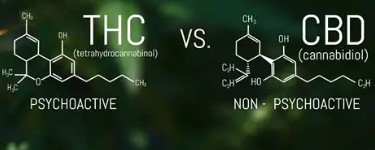
CBD (Cannabidiol) is non-psychoactive and is known for its therapeutic properties without producing a euphoric high. It interacts more subtly with CB1 and CB2 receptors and is also a negative allosteric modulator of THC, dampening its psychoactivity.
2. Genetic and Phenotypic Differences in Seeds
Cannabis seeds genetically determine the cannabinoid profile of the resulting plant. Breeders categorize cannabis seeds based on the intended chemical output:
- THC Seeds are bred to produce high concentrations of THC (often above 15–20%), with minimal CBD (usually less than 1%). These seeds typically come from strains such as OG Kush, Girl Scout Cookies, or Sour Diesel.
- CBD Seeds are selectively bred to produce high levels of CBD (5–20%) and negligible THC (often below 0.3%). Examples include Charlotte’s Web, ACDC, and Harlequin. Some varieties offer a balanced 1:1 THC:CBD ratio for moderate effects with increased therapeutic potential.
3. Cultivation Traits
Growing THC Seeds:
- Environment: These plants often require a controlled indoor environment to maximize resin and cannabinoid production.
- Appearance: THC-dominant plants tend to be shorter and bushier, especially indica-dominant strains.
- Flowering Time: Typically 8–10 weeks.
- Yield: Often high, with dense, sticky buds rich in trichomes.
Growing CBD Seeds:
- Adaptability: Many CBD-rich strains are bred for hemp production and can thrive in various outdoor climates.
- Legality & Compliance: Because legal hemp must contain <0.3% THC, CBD seeds are engineered for regulatory compliance.
- Flowering Time: Often similar to THC strains, though some CBD hemp varieties may mature faster.
- Pest & Disease Resistance: Certain high-CBD cultivars are bred for industrial farming and thus display strong resistance.
4. Psychoactive Effects and User Experience
This is one of the most crucial differences between THC and CBD strains.
THC Effects:
- Euphoria
- Altered sensory perception
- Increased appetite
- Short-term memory disruption
- Anxiety or paranoia at high doses
THC’s effects are desirable for many recreational users, but may be overwhelming for individuals sensitive to psychoactivity.
CBD Effects:
- Calming, anti-anxiety
- Anti-inflammatory
- Non-intoxicating
- Reduces THC-induced high (when taken together)

CBD is often described as producing a “body high” or relaxing sensation without mental impairment.
5. Medical Applications
Both cannabinoids offer therapeutic value, but their mechanisms and efficacy differ significantly.
THC Medical Benefits:
- Chronic pain relief: Effective for neuropathic and cancer-related pain.
- Appetite stimulation: Helps treat wasting syndrome and anorexia.
- Nausea control: Especially valuable for chemotherapy patients.
- Sleep aid: Promotes drowsiness in insomnia sufferers.
CBD Medical Benefits:
- Epilepsy: Proven effective in treatment-resistant epilepsy (e.g., Epidiolex, FDA-approved).
- Anxiety & PTSD: Calms overactive neural circuits.
- Inflammation: Helps with autoimmune disorders like rheumatoid arthritis.
- Neuroprotection: Shows promise in Parkinson’s and Alzheimer’s studies.
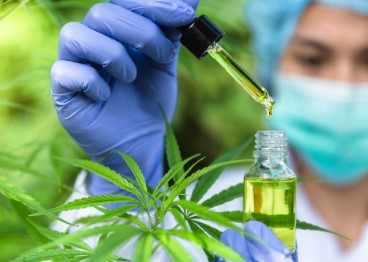
Importantly, many patients prefer high-CBD strains due to minimal side effects and a reduced risk of intoxication.
6. Legality and Regulation
Legal frameworks differ based on cannabinoid content:
- THC Seeds:
- Classified as marijuana.
- Heavily regulated and often illegal federally in many countries (e.g., the U.S. under federal law).
- Require cultivation licenses in most jurisdictions.
- CBD Seeds (Low THC, <0.3%):
- Often legal to cultivate under industrial hemp regulations.
- Approved in the U.S. via the 2018 Farm Bill.
- Easier to distribute and ship across borders, though still subject to national regulations.
Seed banks and retailers must label and certify the THC/CBD content of seeds, especially for export or compliance with hemp laws.
7. Market Demand and Economic Considerations
The cannabis market is evolving rapidly:
- THC Strains: Still dominate recreational markets in North America and Europe. High-THC flowers, concentrates, and edibles are bestsellers.
- CBD Strains: Growing demand for wellness products (oils, tinctures, capsules, topicals). Popular with health-conscious consumers who want therapeutic benefits without the high.
Seed Selection for Commercial Growers:
- Recreational markets often favor visually appealing, aromatic, and high-THC buds.
- Medical or hemp markets lean toward stable, certified high-CBD cultivars with predictable cannabinoid profiles.
8. Entourage Effect and Mixed Strains
The “entourage effect,” in which terpenes and cannabinoids cooperate to improve medicinal effects, is supported by recent studies. This has led to:
- Balanced 1:1 Strains (THC:CBD): Ideal for medical users who want mild euphoria with enhanced symptom relief (e.g., Cannatonic, Pennywise).
- Minor Cannabinoid Strains: Breeding efforts now focus on CBG, CBC, and THCV in combination with THC or CBD.
Seed varieties are increasingly developed with terpene and secondary cannabinoid profiles in mind, adding complexity to the selection process.
9. Breeding Techniques and Genetic Stabilization
Breeders use various techniques to create stable THC or CBD cannabis seeds:
- Feminized Seeds: Engineered to produce only female (bud-producing) plants. Common in both THC and CBD markets.
- Autoflowering Seeds: Contain Cannabis ruderalis genetics for shorter life cycles. Ideal for novice growers or industrial farming.
- Regular Seeds: Include plants that are both male and female. Preferred by breeders for creating new genetics but less common among commercial cultivators.
High-CBD seed strains often require more intensive genetic stabilization to ensure compliance with THC thresholds in regulated markets.
10. Consumer Guidance: Choosing the Right Seeds
For Recreational Users:
- Look for high-THC feminized seeds from trusted breeders.
- Prioritize strains known for strong psychoactive effects, taste, and aroma.
For Medical Users:
- High-CBD seeds (or balanced 1:1 ratios) are ideal.
- Consult a healthcare professional to determine which cannabinoid ratio suits specific symptoms.
For Growers:
- Understand local laws before purchasing or cultivating.
- Choose seeds based on desired cannabinoid profile, yield, climate adaptability, and market target.
Conclusion
While THC and CBD cannabis seeds may look the same, their genetic potential, effects, legality, and cultivation methods are profoundly different. THC-dominant seeds cater to recreational users seeking euphoria and sensory enhancement, while CBD-rich seeds serve medical and wellness markets seeking therapeutic relief without intoxication. With increasing scientific insight, legislative reform, and product diversification, both THC and CBD seeds are crucial to the future of cannabis agriculture and medicine.
Whether you’re a patient, recreational user, or cultivator, understanding these differences helps ensure informed decisions aligned with personal needs, health goals, and legal boundaries.
