
What’s the Difference Between Delta 8, 9, And 10 THC?
Delta-8, Delta-9, and Delta-10 THC are fascinating cannabinoids with distinct structures and therapeutic potentials, offering various benefits tailored to specific medical needs. The endocannabinoid system (ECS), a sophisticated network in charge of preserving physiological equilibrium, is impacted by each substance. This expanded analysis delves deeper into their chemical differences, mechanisms of action, and their broad-ranging applications in medical practice.
Delta-8 THC: A Softer, Targeted Approach

Delta-8 THC, a minor cannabinoid found naturally in cannabis plants, has gained attention due to its relatively mild psychoactive effects and impressive therapeutic profile. Its chemical difference from Delta-9 THC—a double bond located on the eighth carbon chain rather than the ninth—results in a distinct interaction with the ECS, particularly with CB1 receptors in the brain.
Enhanced Anti-Nausea Properties
Delta-8 THC’s effectiveness in managing nausea is supported by early clinical observations and anecdotal evidence. It binds to CB1 receptors in the brainstem, which regulate the vomiting reflex. This interaction makes it a valuable option for patients experiencing severe nausea due to chemotherapy, radiation therapy, or chronic conditions like gastroparesis. Compared to Delta-9 THC, Delta-8 THC provides similar anti-emetic effects with reduced psychoactivity, which is particularly beneficial for individuals who need to remain alert during treatment.
Appetite Stimulation for Chronic Conditions
Delta-8 THC has been shown to increase appetite without inducing overwhelming sedation or cognitive impairment. This cannabinoid provides a mild method of promoting appetite in people with eating problems, anorexia, or cachexia. It may also benefit elderly patients with reduced appetite due to age-related metabolic changes or those undergoing treatments that suppress hunger, such as certain cancer therapies.
Pain Relief and Anti-Inflammatory Action
The analgesic effects of Delta-8 THC are primarily mediated by its ability to modulate pain pathways in the ECS. It is particularly effective for neuropathic and inflammatory pain, which are challenging to treat with traditional pharmaceuticals. Conditions such as arthritis, peripheral neuropathy, and migraines may respond well to Delta-8 THC due to its dual role in reducing pain perception and dampening inflammatory responses.
Anxiety Reduction Without Paranoia
One of the most intriguing properties of Delta-8 THC is its anxiolytic effect, achieved without the paranoia that can accompany Delta-9 THC use. It is thought to achieve this by modulating CB1 receptor activity in the amygdala, a brain region responsible for processing fear and anxiety. For this reason, Delta-8 THC is a superior option for treating PTSD, social anxiety, and generalized anxiety disorder.
Neuroprotective Potential
Delta-8 THC’s neuroprotective effects stem from its ability to reduce oxidative stress and inflammation in the brain. It might promote the healing of sound synaptic connections and shield neurons from harm. This could make it a promising option for managing neurodegenerative diseases such as Alzheimer’s, Parkinson’s, and multiple sclerosis.
Delta-9 THC: A Comprehensive Therapeutic Agent
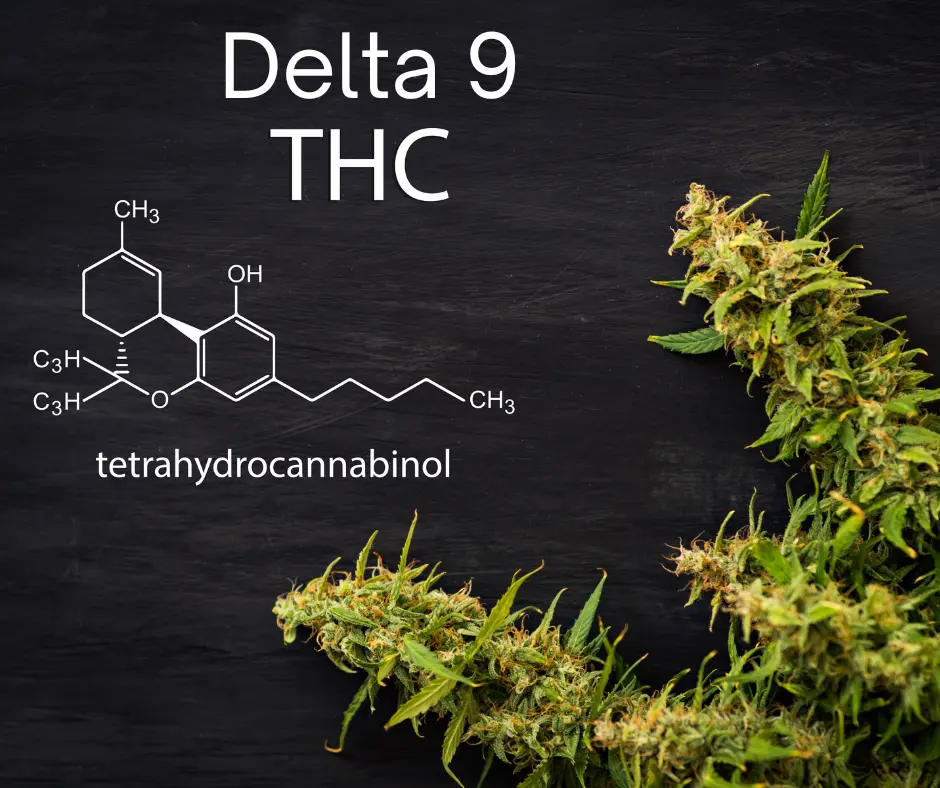
Delta-9 THC is the most abundant and well-studied cannabinoid in cannabis, often considered the gold standard for cannabinoid-based medical therapies. Its strong binding affinity to CB1 and CB2 receptors explains its profound effects on the central nervous system and immune system, making it suitable for a wide range of medical conditions.
Chronic Pain Management
Delta-9 THC’s ability to relieve chronic pain is one of its most significant contributions to medicine. By decreasing the transmission of pain signals and interacting with CB1 receptors in the brain and spinal cord, it modifies how pain is perceived. It also affects the emotional response to pain, helping patients feel less distressed by their symptoms. Conditions such as fibromyalgia, endometriosis, and cancer-related pain are commonly managed with Delta-9 THC, either alone or in combination with CBD.
Spasticity and Muscle Relaxation
In patients with multiple sclerosis or other conditions characterized by spasticity, Delta-9 THC has proven effective in reducing muscle stiffness and spasms. By binding to CB1 receptors in the motor regions of the brain and spinal cord, it helps relax hyperactive muscles, improving mobility and quality of life for affected individuals.
Anti-Nausea and Anti-Emetic Applications
Delta-9 THC is an FDA-approved treatment for chemotherapy-induced nausea and vomiting under the name dronabinol. It suppresses the vomiting reflex through its action on the brain’s CB1 receptors, providing significant relief for cancer patients. This property also makes it valuable for patients with severe nausea due to chronic gastrointestinal conditions.
Appetite Enhancement
As a powerful appetite stimulant, Delta-9 THC is a lifeline for patients suffering from wasting syndromes like AIDS-related cachexia or cancer-related anorexia. Its ability to increase hunger and improve the enjoyment of food can lead to better nutritional outcomes and enhanced recovery.
Sleep Aid
Delta-9 THC’s sedative properties can benefit individuals with insomnia or other sleep disorders. By reducing the time it takes to fall asleep and promoting deeper, more restful sleep, it provides a natural alternative to pharmaceutical sedatives, which often come with a host of side effects.
Mood Regulation and Mental Health
For patients with mood disorders such as depression and anxiety, Delta-9 THC can offer temporary relief by interacting with the brain’s reward pathways and enhancing the release of serotonin and dopamine. However, careful dosing is essential, as higher doses can exacerbate anxiety in some individuals.
Anti-Inflammatory Benefits
Delta-9 THC’s interaction with CB2 receptors on immune cells contributes to its anti-inflammatory effects. This makes it a good choice for autoimmune diseases like rheumatoid arthritis, lupus, and Crohn’s disease. Delta-9 THC can lessen tissue damage brought on by persistent inflammation by regulating the immune system.
Neuroprotective Properties
It has been demonstrated that delta-9 THC shields neurons from inflammation and oxidative stress, two conditions that are common in neurodegenerative illnesses. Research suggests it may slow the progression of conditions like Alzheimer’s, Parkinson’s, and amyotrophic lateral sclerosis (ALS) by reducing the buildup of toxic proteins and promoting the survival of healthy neurons.
Delta-10 THC: A Promising New Frontier
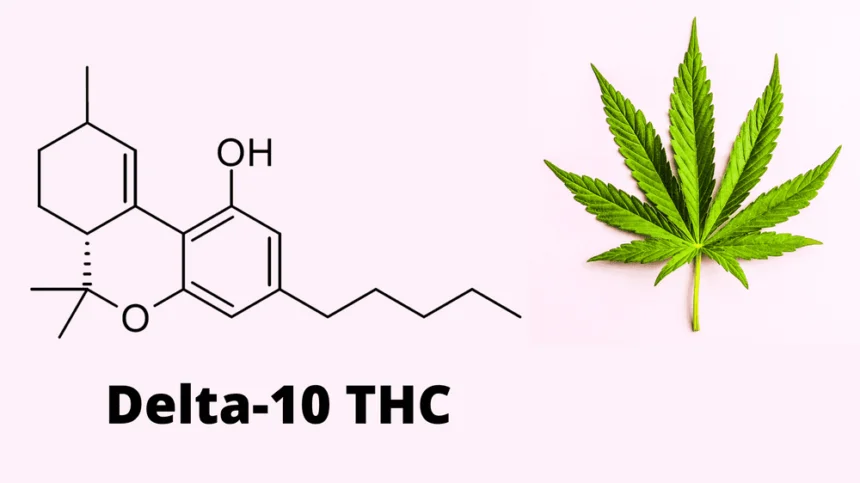
Delta-10 THC is a rare cannabinoid that has only recently entered the spotlight. Its unique molecular structure and mild psychoactive profile suggest potential medical applications distinct from Delta-8 and Delta-9 THC. Although studies are still in their early stages, preliminary results show encouraging therapeutic advantages.
Cognitive and Focus-Enhancing Effects
Delta-10 THC is believed to have a more energizing and focus-enhancing effect compared to its counterparts. This could make it a useful treatment for individuals with attention deficit hyperactivity disorder (ADHD) or mild cognitive impairments. By modulating CB1 receptor activity in brain regions responsible for attention and executive function, Delta-10 THC may help improve mental clarity and productivity.
Mood Stabilization
Delta-10 THC’s ability to promote an uplifting and energizing effect may benefit patients with depression or mood disorders characterized by low energy levels. Its interaction with CB1 receptors in the prefrontal cortex likely plays a role in modulating mood and reducing feelings of fatigue.
Anti-Inflammatory Properties
Like Delta-8 and Delta-9 THC, Delta-10 THC exhibits anti-inflammatory effects. It may help lessen inflammation in diseases such chronic obstructive pulmonary disease (COPD), inflammatory bowel disease, and arthritis by interacting with CB2 receptors on immune cells.
Pain Relief
Delta-10 THC provides mild to moderate analgesic effects, making it a potential option for managing mild pain or discomfort. Its lower potency compared to Delta-9 THC may make it more suitable for individuals who require pain relief without significant cognitive or motor impairment.
Neuroprotection and Future Applications
While data on Delta-10 THC’s neuroprotective effects is limited, its structural similarity to other THCs suggests potential benefits for conditions like Alzheimer’s and Parkinson’s disease. Ongoing research may uncover new mechanisms through which Delta-10 THC can support brain health.
Comparative Overview
- Psychoactivity:
- Delta-8 THC: Mild, making it ideal for patients needing minimal cognitive disruption.
- Delta-9 THC: Moderate to strong, suitable for conditions requiring intense symptom management.
- Delta-10 THC: Likely the least psychoactive, with potential for energy-boosting effects.
- Receptor Interaction:
- Delta-8 THC: Primarily CB1 with a milder binding affinity.
- Delta-9 THC: Strong interaction with both CB1 and CB2 receptors.
- Delta-10 THC: Requires further research but likely interacts with CB1 and CB2 receptors in unique ways.
- Medical Focus:
- Delta-8 THC: Nausea, appetite, mild pain, and anxiety.
- Delta-9 THC: Chronic pain, spasticity, inflammation, and neurodegeneration.
- Delta-10 THC: Cognitive enhancement, mood regulation, and mild pain relief.
Future Directions in Medical Research
As cannabis research progresses, Delta-8, Delta-9, and Delta-10 THC will likely become integral to personalized medicine. Clinical trials are needed to establish standardized dosing regimens, explore long-term safety, and identify potential drug interactions. Advances in cannabinoid science may also uncover new derivatives with even more targeted therapeutic applications.
The ability to tailor cannabinoid therapies to individual patient needs holds immense promise for improving outcomes across a broad spectrum of medical conditions. With Delta-8, Delta-9, and Delta-10 THC leading the charge, the future of cannabinoid-based medicine is both bright and exciting.
Restrictions on Using Cannabis Components in the Medical Field
Cannabis-derived compounds, such as Delta-8, Delta-9, and Delta-10 THC, have demonstrated considerable promise in treating a variety of medical conditions. However, the psychoactive nature of tetrahydrocannabinol (THC) has prompted regulators and healthcare professionals to adopt a cautious approach to their use in medicine. Cannabis-based treatments are typically considered only as a last resort after conventional therapies have failed, and stringent monitoring of THC levels is mandated to minimize psychoactive effects. This measured approach ensures that patient safety and treatment efficacy remain paramount while addressing the therapeutic potential of cannabis components.
Cannabis as a Last Resort in Medical Treatment
In most jurisdictions, the medical use of cannabis-derived compounds is heavily regulated, often restricted to cases where standard medical treatments have proven ineffective or are associated with severe side effects. This policy aims to preserve the integrity of conventional medical practices while allowing cannabis to serve as an alternative when no other options remain.
- Criteria for Prescribing Cannabis-Based Medications:
Healthcare professionals are required to evaluate all available treatment modalities before recommending cannabis-based therapies. These evaluations include considering the severity of the patient’s condition, the potential benefits of cannabinoid treatment, and the risks associated with psychoactive effects. For example, THC-based medications are often reserved for managing refractory chronic pain, severe spasticity in multiple sclerosis, or chemotherapy-induced nausea and vomiting that do not respond to first-line treatments. - Specific Conditions Permitting Cannabis Use:
Cannabis components are typically approved for limited indications, including:- Cancer-related nausea and appetite loss.
- Intractable chronic pain conditions.
- Epilepsy resistant to antiepileptic drugs.
- Neurodegenerative disorders like multiple sclerosis.
Each case requires thorough documentation of treatment history and justification for transitioning to cannabis-based therapy.
Monitoring THC Levels to Prevent Psychoactive Effects
The psychoactive properties of THC can pose significant challenges in medical applications, especially for patients who need to maintain cognitive and motor function. To mitigate these risks, regulatory frameworks emphasize the careful monitoring and titration of THC levels in medications.
- Low-THC Formulations:
Medical cannabis products often contain THC concentrations that are carefully controlled to avoid inducing psychoactive effects. In many cases, formulations with a higher ratio of cannabidiol (CBD) to THC are preferred, as CBD counteracts some of THC’s psychoactive effects. For instance, medications like Sativex (nabiximols) combine THC and CBD in a balanced ratio, providing therapeutic benefits without overwhelming psychoactivity. - Dose Titration and Individualized Therapy:
Patients prescribed THC-based medications undergo careful dose titration to find the lowest effective dose. This minimizes the risk of cognitive impairment, dizziness, or other adverse effects. Medical practitioners closely monitor patients during the initial treatment phase to assess their tolerance and response to the medication. - Regular Monitoring and Adjustments:
Ongoing monitoring of THC levels is a critical aspect of medical cannabis therapy. Patients may require periodic blood tests to ensure that THC concentrations remain within therapeutic ranges and do not exceed thresholds that could cause significant psychoactivity. In addition, regular evaluations help determine whether the treatment remains effective or if adjustments are needed. - Regulatory Limits on THC Content:
Many countries impose strict limits on the THC content in medical cannabis products. For example, some jurisdictions allow only products with less than 0.2% THC, while others permit higher concentrations for specific conditions under close medical supervision. These regulations ensure that the psychoactive impact of THC is minimized while allowing patients to benefit from its therapeutic properties.
Minimizing Risks Associated with THC Use
While THC offers significant therapeutic benefits, its psychoactive effects can lead to unintended consequences, such as impaired judgment, anxiety, or dependence. Healthcare providers and regulatory bodies employ several strategies to reduce these risks in medical settings.
- Patient Selection and Education:
Not all patients are suitable candidates for THC-based therapies. Healthcare providers assess individual risk factors, such as a history of substance abuse or mental health disorders, before prescribing cannabis-based medications. Additionally, patients receive thorough education on the potential side effects, the importance of adhering to prescribed doses, and the risks of self-medicating with unregulated products. - CBD as a Non-Psychoactive Alternative:
In cases where psychoactivity poses a significant risk, non-psychoactive cannabinoids like CBD are often prioritized. CBD has shown efficacy in managing conditions such as epilepsy (e.g., Epidiolex), anxiety, and inflammation without the cognitive impairment associated with THC. - Combination Therapies:
Combining THC with other cannabinoids, such as CBD or cannabigerol (CBG), may enhance therapeutic outcomes while mitigating adverse effects. This approach leverages the entourage effect, where cannabinoids work synergistically to maximize benefits and minimize psychoactivity. - Strict Regulation of Production and Distribution:
To ensure safety, medical cannabis products are subject to rigorous quality control measures. Licensed producers must adhere to strict guidelines for cultivation, extraction, and formulation. These measures prevent contamination with harmful substances and ensure that THC levels align with approved specifications.
Challenges and Future Directions
Despite the safeguards in place, the medical use of cannabis components remains a complex and evolving field. Key challenges include:
- Lack of Standardized Dosing Guidelines:
Individual variability in response to THC makes it difficult to establish standardized dosing protocols. Research is ongoing to develop personalized medicine approaches that account for genetic, metabolic, and condition-specific factors. - Stigma and Accessibility:
The association of THC with recreational cannabis use contributes to stigma and limits its acceptance in mainstream medicine. Efforts to educate healthcare professionals and the public about the distinction between medical and recreational cannabis are essential to improving access. - Balancing Efficacy and Safety:
As research into cannabinoids advances, striking a balance between maximizing therapeutic benefits and minimizing psychoactive effects will remain a priority. Innovations in cannabis pharmacology, such as synthetic cannabinoids or targeted delivery systems, may offer new solutions.
Comprehensive Conclusion
The exploration of Delta-8, Delta-9, and Delta-10 THC highlights their distinct therapeutic potentials, emphasizing their roles in addressing diverse medical conditions. While each cannabinoid offers unique benefits—ranging from pain relief and appetite stimulation to neuroprotection and mood regulation—their psychoactive properties necessitate a cautious and controlled approach in medical applications. This is particularly important in safeguarding patient well-being and ensuring that cannabis-based therapies remain a credible option within the medical field.
Cannabis-based treatments are generally reserved as a last resort, underscoring the need for careful evaluation of conventional alternatives before exploring THC-based medications. This approach protects the integrity of standard medical practices while providing an option for patients whose conditions resist conventional therapies. Strict monitoring of THC levels is integral to this process, ensuring therapeutic efficacy without causing undesirable psychoactive effects. The emphasis on low-THC or balanced cannabinoid formulations, alongside careful dose titration and patient monitoring, reflects a commitment to minimizing risks while maximizing benefits.
Additionally, regulatory frameworks and healthcare providers play pivotal roles in controlling the production, prescription, and distribution of cannabis-derived medications. These measures not only ensure product safety and quality but also address the stigma associated with cannabis use by drawing clear distinctions between medical and recreational applications. The integration of CBD and other non-psychoactive cannabinoids further enhances the safety profile of cannabis-based treatments, offering effective alternatives for patients sensitive to THC’s psychoactivity.
Despite the progress, challenges such as the lack of standardized dosing protocols, limited accessibility, and societal stigma remain barriers to the broader acceptance of cannabis in medicine. However, ongoing research and innovations in cannabinoid pharmacology hold promise for addressing these issues. Advances in synthetic cannabinoids, targeted delivery systems, and personalized medicine approaches are paving the way for a more precise and effective integration of cannabis components into medical practice.
In conclusion, the therapeutic use of Delta-8, Delta-9, and Delta-10 THC represents a promising frontier in medicine, offering relief for patients with challenging medical conditions. By adhering to rigorous standards of safety, regulation, and research, the medical field can responsibly harness the potential of these cannabinoids while maintaining a focus on patient-centered care. The continued evolution of this field, guided by science and evidence-based practice, ensures that cannabis-derived therapies can meet the growing needs of patients in a safe and effective manner.
