Table of Contents
The cultivation of cannabis, renowned for its wide-ranging medicinal and recreational uses, requires detailed attention to environmental factors to optimize growth and yield. Temperature stands out as a critical factor, influencing the plant’s development and physiological functions. It affects germination, photosynthesis, vegetative growth, flowering, and cannabinoid synthesis, the primary active compounds in cannabis. This article explores the ideal temperature conditions for cannabis cultivation, considering the plant’s lifecycle and differences between indoor and outdoor growing environments.
During germination, warmth is crucial to awaken cannabis seeds. An optimal environment for seed germination occurs within a temperature range of 70 to 85°F (21 to 29°C). This warmth helps seeds break dormancy and begin seedling growth. As the plant moves into the vegetative stage, a slightly cooler temperature range of 65 to 80°F (18 to 26°C) is necessary. This stage focuses on developing roots, stems, and leaves, with temperature playing a key role in optimizing cellular activities and photosynthesis.
The flowering stage sees a shift in temperature requirements. Ideal temperatures drop to 60 to 75°F (15 to 24°C), mimicking autumn’s natural cooling and signaling the plant to produce buds. Cooler temperatures during this stage aid in developing terpenes and cannabinoids, enhancing the cannabis’s potency and flavor.
Indoor and outdoor cultivation presents unique temperature management challenges. Indoors, growers can precisely control conditions using HVAC systems, maintaining optimal temperatures throughout the plant’s lifecycle. Outdoor cultivation demands a deep understanding of local climates and seasonal changes, requiring strategic planning to time the cannabis growth cycle with favorable weather.
In conclusion, temperature plays a pivotal role in cannabis cultivation, affecting every growth stage from germination to cannabinoid maturation. Understanding and applying the ideal temperature ranges for each growth phase, and adapting strategies for indoor or outdoor cultivation can greatly improve cannabis quality and yield. This article offers a comprehensive guide to the critical interplay between temperature and cannabis cultivation, providing insights for achieving a fruitful harvest.
The Best Temperature for Growing Cannabis Plants
Cannabis has evolved over millennia to thrive within specific temperature ranges, crucial for its metabolic functions and growth. These temperatures optimize the plant’s enzymatic processes, essential for transforming nutrients into energy and structural components. This adaptation ensures cannabis’s success in growth, energy synthesis, and reproduction, highlighting the importance of temperature in its cultivation.
Photosynthesis, central to the plant’s energy production, depends significantly on temperature. This process, converting light energy into glucose, is enhanced by optimal temperatures, improving the plant’s growth and development. Temperature affects the efficiency of enzymes involved in the Calvin cycle, directly influencing the plant’s ability to produce glucose and grow.
Temperature also significantly impacts the plant’s transpiration process, the evaporation of water from leaves, which aids in nutrient uptake and cooling. Proper temperature regulation ensures healthy growth by preventing dehydration or waterlogged roots, conditions that arise from improper transpiration rates.
However, exposure to temperatures outside its preferred range triggers stress responses in cannabis, potentially stunting growth or inhibiting photosynthesis. Such stress can reduce yield quality and quantity, as the plant struggles with disrupted metabolic processes and diminished vigor.
Therefore, careful monitoring of environmental temperatures is crucial in cannabis cultivation. Maintaining the plant’s optimal temperature range prevents stress responses and supports its genetic potential, leading to a high-quality harvest. Avoiding extreme temperatures and stabilizing fluctuations are key to a successful cultivation process.
In conclusion, temperature is a vital environmental factor affecting cannabis’s physiological and metabolic processes. Cultivators must understand and maintain ideal temperature ranges to optimize growth and yield. Managing temperatures, reflective of the plant’s natural adaptations, is essential for maximizing the quality and quantity of the cannabis produced, ensuring a productive cultivation cycle.
Germination Stage
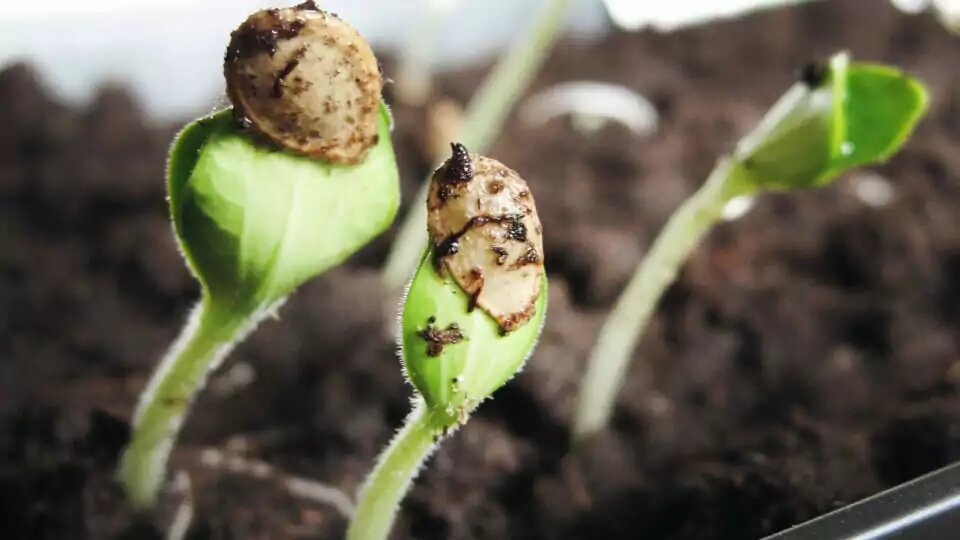
The voyage of a cannabis plant commences with an intricate process known as germination, which marks the initial phase in the life cycle of the plant. This stage is characterized by the awakening of the dormant seed, a process that is heavily influenced by the surrounding environmental conditions, with warmth playing a pivotal role in activating the seed’s metabolism.
To delve deeper into the specifics, the germination phase requires a carefully maintained thermal environment. The optimal temperature range for this critical phase is precisely delineated between 70°F to 85°F (21°C to 29°C). It is within this thermal bracket that the conditions are most conducive to the activation of the seed’s metabolic processes, leading to successful germination.
Moreover, the provision of consistent warmth, firmly maintained within the aforementioned temperature range, serves to significantly enhance the germination success rate. This thermal consistency is not merely a factor in ensuring germination but also plays a critical role in expediting the subsequent stage of seedling development. A stable and suitable temperature environment is thus paramount in facilitating a swift and efficient transition from dormancy to active growth.
In summary, the journey of a cannabis plant from seed to seedling is a meticulously regulated process, heavily dependent on the maintenance of optimal temperature conditions. The success of this initial germination phase lays the foundation for the healthy development of the cannabis plant, underlining the importance of environmental control in the cultivation of this species.
Seedling Stage
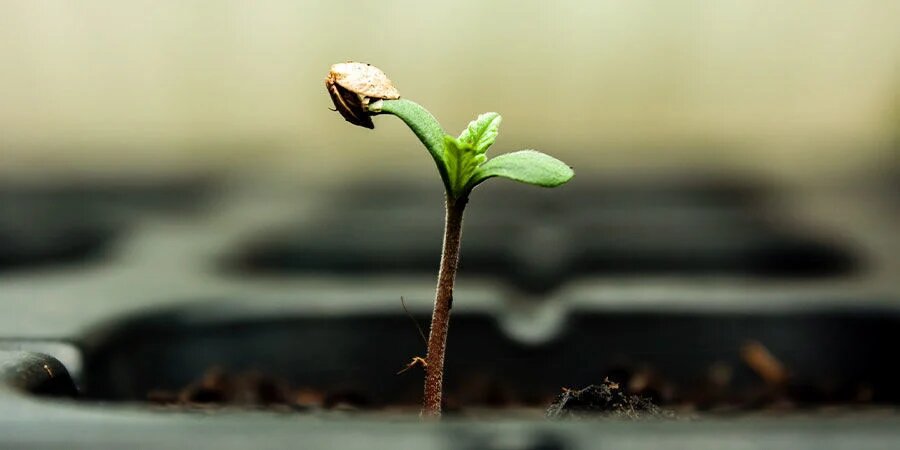
After successful seed germination, the emerging seedlings progress to the next stage of their growth, maintaining a preference for warmer conditions. This subsequent stage is characterized by the young plants’ need for a nurturing environment that supports their fragile existence and promotes robust growth.
To elucidate further, during this pivotal seedling stage, it is of paramount importance to maintain ambient temperatures within a specific thermal range. The optimal temperature bracket has been identified as being between 68°F to 77°F (20°C to 25°C). Adherence to this temperature range is instrumental in ensuring that the seedlings develop healthily and vigorously, laying a strong foundation for their future growth.
Furthermore, it is crucial to recognize the susceptibility of young plants to environmental stressors during this delicate phase of their life cycle. Extreme temperatures, whether they fall too low or soar too high, represent significant threats that could potentially impede the development of the seedlings. Such temperature extremities are not only detrimental to the immediate health of the young plants but can also have lasting impacts on their overall growth trajectory and productivity.
Therefore, the cultivation of cannabis seedlings demands meticulous attention to their thermal environment. The maintenance of a stable and suitable temperature range is essential for fostering an optimal growth environment. This careful management of temperature not only safeguards the seedlings against the adverse effects of temperature extremes but also supports their development into healthy and vigorous plants, poised for successful maturation.
Vegetative Stage
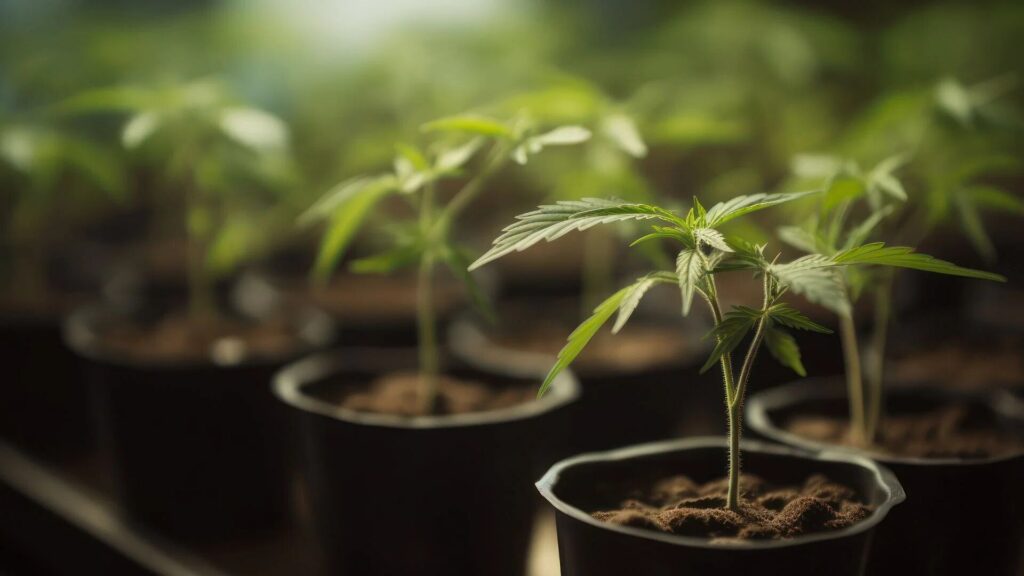
Upon transitioning into the vegetative stage, cannabis plants embark on a critical period of their life cycle, dedicating their energies to the accumulation of biomass. This stage is distinguished by significant physiological changes, including the development of leaves and the fortification of stems, as the plants prepare for future flowering. The vegetative phase is instrumental in establishing the structural foundation and health of the cannabis plant, emphasizing the importance of environmental control to optimize growth conditions.
In terms of thermal regulation, the vegetative stage demands a nuanced approach to temperature management. During daylight hours, an ideal temperature range has been established at 70°F to 85°F (21°C to 29°C). This slightly cooler temperature range compared to earlier growth stages supports the plants’ photosynthetic activities and metabolic processes, thereby facilitating the efficient accumulation of biomass and strengthening of the plant’s structural components.
The nocturnal temperature regime for cannabis plants during the vegetative phase requires careful consideration to closely emulate the natural diurnal temperature fluctuations experienced in their native environments. To this end, nighttime temperatures should be adjusted to be approximately 10°F to 15°F (-12°C to -9°C) cooler than the daytime temperatures. This temperature differential is not arbitrary; it is specifically designed to enhance the physiological robustness of the plants, promoting sturdy growth and preparing them for the eventual transition to the flowering stage.
Moreover, the deliberate cooling of temperatures during the night reflects the natural cooling that occurs in many of the cannabis plant’s indigenous habitats after sunset. This cooling effect is believed to play a vital role in the plant’s adaptation to its environment, contributing to the development of resilience and structural integrity. By mimicking these natural temperature patterns, cultivators can encourage more vigorous and healthy vegetative growth, thereby optimizing the plant’s potential for a successful and productive flowering phase.
In conclusion, the vegetative stage of cannabis cultivation demands a carefully calibrated temperature regimen that accommodates the plants’ growth needs while simulating natural environmental conditions. This deliberate strategy for temperature control, both day and night, emphasizes the complex interplay between cannabis plant physiology and its thermal surroundings. It underscores the importance of environmental responsibility in cultivating vigorous and thriving cannabis plants.
Flowering Stage
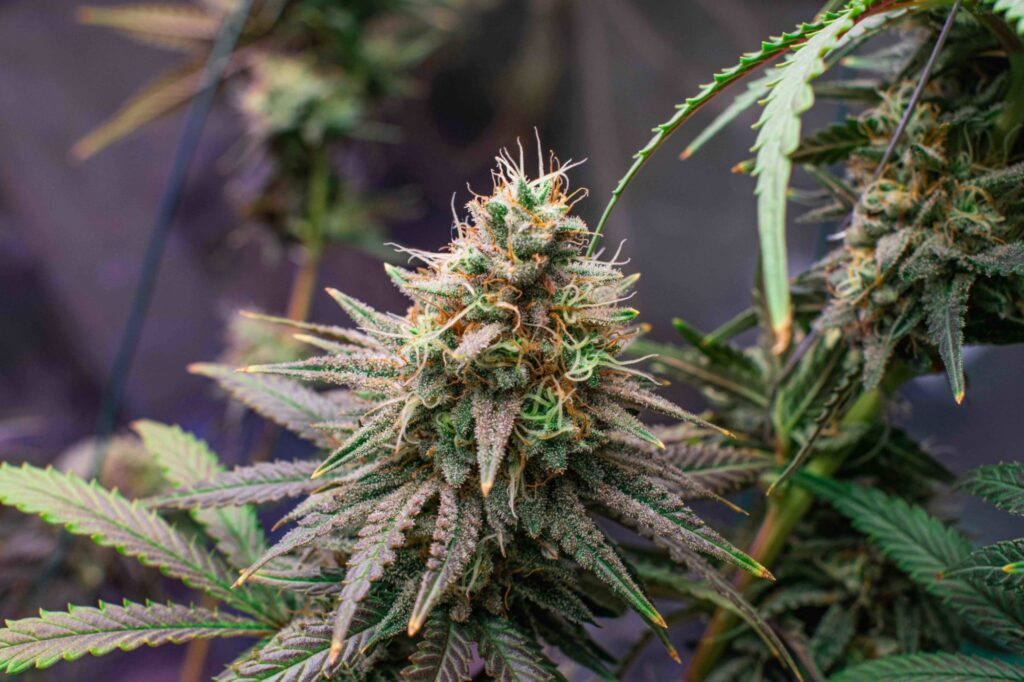
Upon reaching the flowering stage, a cannabis plant enters a profoundly significant phase of its life cycle. This phase is marked by the plant’s initiation of bud formation, leading to the development of the valuable, harvestable part of the plant renowned for its medicinal and recreational attributes.
The conditions under which these plants flower are of utmost importance for ensuring the quality and quantity of the yield. During this critical period, the ambient temperature plays a pivotal role in the plant’s development. Optimal daytime temperatures are identified to be within the range of 65°F to 80°F (18°C to 26°C). These temperatures are carefully chosen to support and encourage the plant’s flowering process, providing an environment that facilitates the development of buds.
As the day transitions to night, a cooler temperature setting becomes beneficial for the plant. The recommendation for a decrease in nighttime temperatures, specifically a drop of 10°F to 20°F from the daytime temperatures, is rooted in the aim to replicate the plant’s natural habitat more closely. Such a temperature reduction during the night is not merely a measure to simulate natural conditions but serves a functional purpose in enhancing the physiological attributes of the cannabis buds.
The influence of cooler nighttime temperatures extends to the aesthetic and sensory aspects of the cannabis buds. Notably, these conditions are conducive to the enhancement of the buds’ coloration, a trait that is aesthetically pleasing and often associated with the potency and quality of the plant. Furthermore, the flavor profile of cannabis, a key characteristic appreciated by connoisseurs and medical users alike, is also positively impacted by cooler nocturnal temperatures. Beyond these sensory attributes, the cannabinoid profiles, which determine the therapeutic and psychoactive effects of cannabis, are optimized under these conditions, enriching the plant’s value.
In summary, the flowering stage of a cannabis plant is a period of critical importance that demands meticulous attention to temperature management. The careful modulation of daytime and nighttime temperatures is essential not only for the successful development of buds but also for enhancing their quality in terms of color, flavor, and cannabinoid content. This stage underscores the intricate balance required in cannabis cultivation to achieve a harvest that meets the desired standards of excellence.
Indoor vs. Outdoor Temperature Considerations
Indoor Cultivation
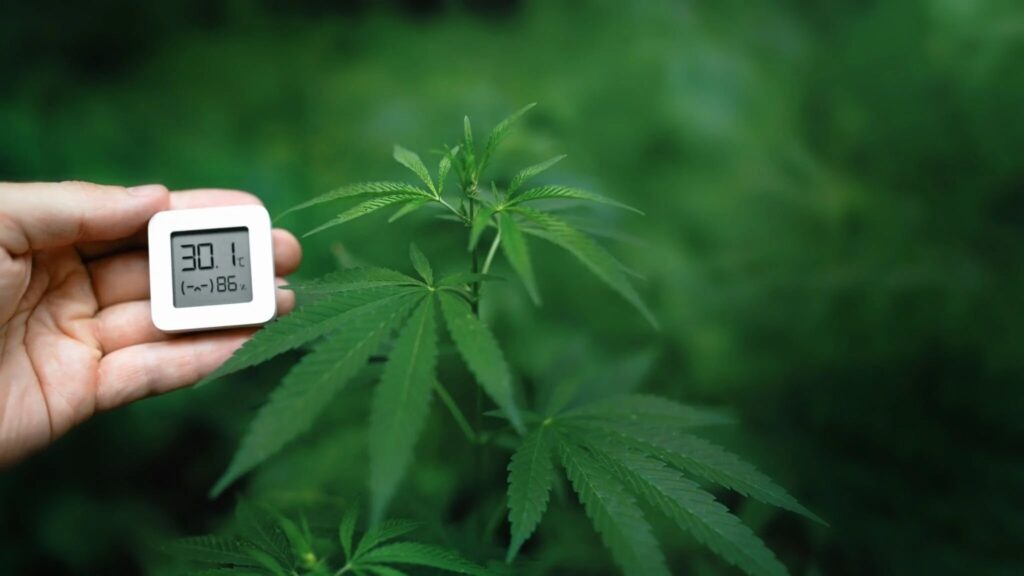
Indoor cultivation of cannabis presents a unique set of advantages, chiefly among them the ability to exercise precise control over the environmental conditions within the grow space. This meticulous control is paramount for maintaining the ideal temperature ranges that are crucial throughout the various stages of the plant’s lifecycle. By creating an environment that mirrors the optimal conditions found in nature, indoor growers can significantly enhance the growth and development of their cannabis plants.
The cornerstone of achieving such environmental precision lies in the utilization of advanced climate control systems. These sophisticated systems are designed to automate the adjustment of temperatures, seamlessly transitioning between the warmer conditions favored during the day and the cooler temperatures that are beneficial at night. This automated system guarantees that the plants receive consistent exposure to ideal growth conditions, creating a stable and favorable environment for their development.
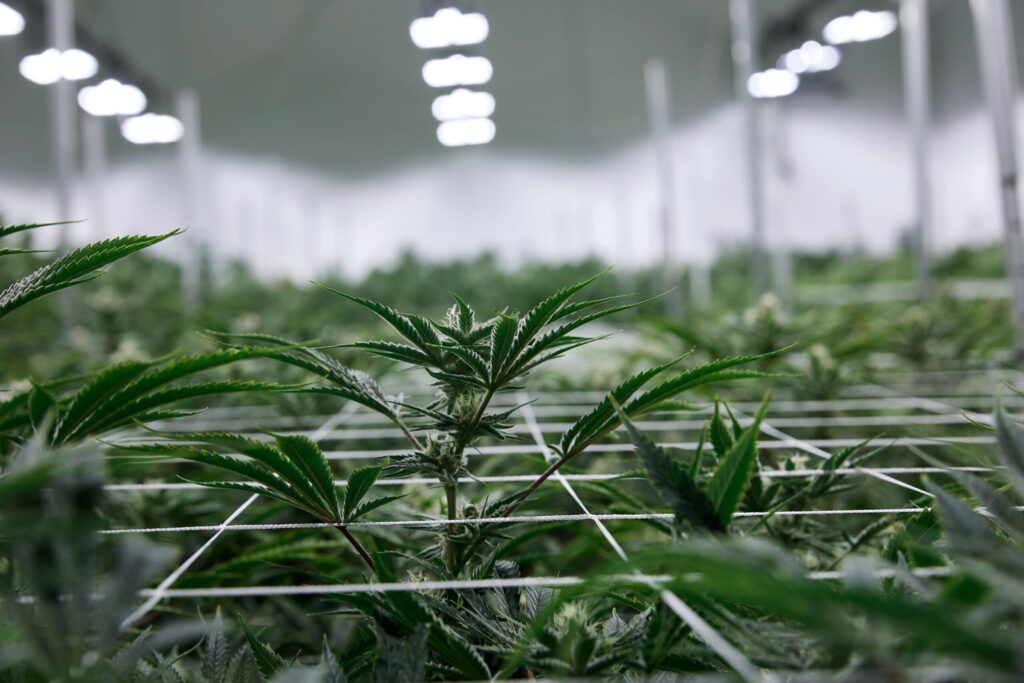
Despite the considerable benefits afforded by indoor cultivation, it is not without its challenges. A key consideration revolves around regulating heat levels within the cultivation area. The use of high-intensity grow lights, while successful in replicating natural sunlight, can result in the buildup of excessive heat. This increase in temperature is not solely a consequence of artificial lighting but also poses a substantial threat to the health and vitality of cannabis plants.
To mitigate the potential adverse effects of excessive heat, careful monitoring is essential. Growers must remain vigilant, ensuring that the temperature within the grow space does not exceed the plant’s tolerance levels. This involves not only the strategic placement of grow lights to prevent localized heat concentrations but also the integration of ventilation systems designed to dissipate heat efficiently. The balance between providing sufficient light for photosynthesis and maintaining an optimal thermal environment is a delicate one, requiring both expertise and constant attention.
In conclusion, indoor cultivation offers a distinct advantage in the ability to precisely control environmental conditions, a factor that is instrumental in achieving optimal growth and development of cannabis plants. However, the sophistication of climate control systems and the benefits they provide come with the responsibility of meticulous monitoring. The management of heat levels, particularly in the context of high-intensity grow lights, is a critical aspect of indoor cultivation that demands continuous oversight to ensure the health and productivity of the cannabis plants.
Outdoor Cultivation
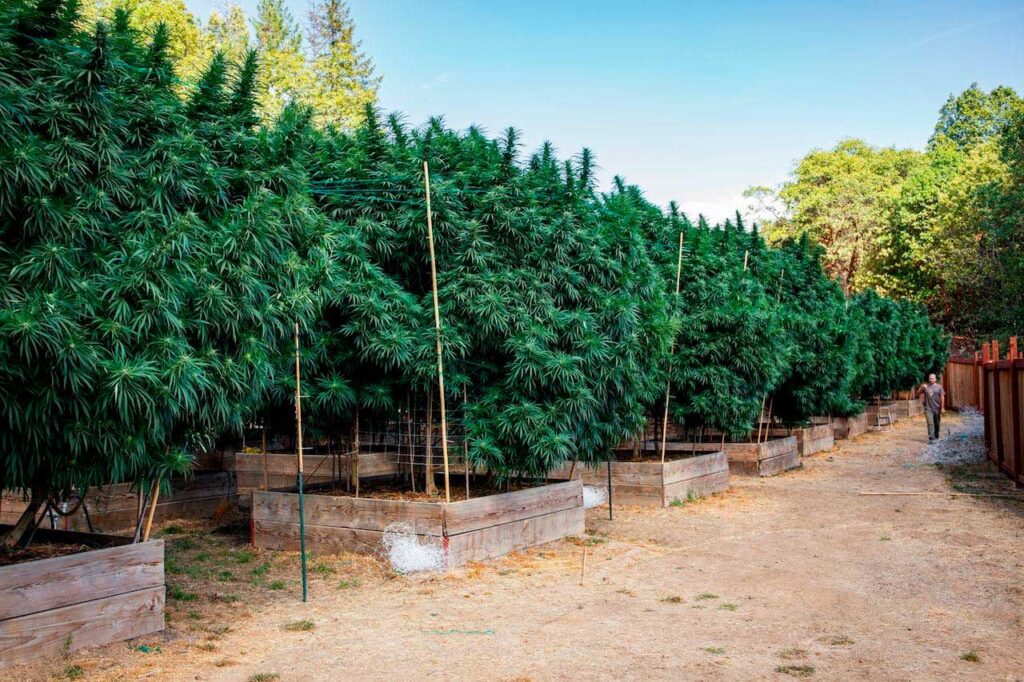
In the realm of cannabis cultivation, outdoor growers encounter unique challenges and opportunities. Unlike their indoor counterparts, they must adapt to natural climate changes and seasonal temperature fluctuations. This adaptation is crucial because, in outdoor settings, environmental conditions cannot be controlled with the same precision as indoors. Growers need to work in harmony with nature, understanding the weather’s impact on plant growth.
Cannabis plants cultivated outdoors are often praised for their resilience and ability to adapt. Natural elements can strengthen these plants, enabling them to endure environmental stressors more effectively than those grown indoors. Despite this natural robustness, outdoor growers must engage in strategic planning. It’s essential to time the planting to coincide with seasons that provide optimal temperature conditions for each growth stage, from germination through to flowering.
In regions where the climate does not consistently offer ideal temperature ranges for cannabis growth, growers face additional challenges. These less-than-ideal conditions necessitate finding alternative solutions to protect the plants. One effective strategy is the use of greenhouses. These structures can shield plants from extreme cold or heat, offering a level of temperature control that fosters a more stable growth environment.
Another temperature management solution for outdoor cultivation is the use of row covers. These covers can protect plants from nighttime chill or unexpected cold snaps, keeping heat closer to the plants. This method reduces the risk of stress from temperature fluctuations. While simpler than greenhouses, row covers can be highly effective in maintaining a favorable temperature range during crucial growth phases.
In conclusion, successful outdoor cannabis cultivation requires a deep respect for and understanding of the natural environment. While outdoor plants may be more resilient, the grower’s ability to align planting schedules with suitable seasonal conditions is critical. Employing greenhouses or row covers as needed allows growers to maintain some control over temperature conditions. These strategies can significantly improve plant growth and yield, even amidst the inherent challenges of outdoor cultivation.
Addressing Heat Stress and Cold Shock
Cannabis plants, like many botanical species, are susceptible to a range of environmental stressors. Temperature plays a critical role in this context. Extreme temperatures, whether too high or too low, can induce diverse stress reactions in these plants. Cultivators need to comprehend these reactions and their underlying causes to engage in proficient cultivation practices.
Heat stress arises from excessively high temperatures and shows several physiological symptoms in cannabis plants. One clear sign of heat stress is wilting, where leaves lose their firmness and droop. This occurs as the plant struggles to retain water. Another symptom is leaf curling, where the edges of leaves curl upwards or inwards as a defense against the heat. The most harmful effect is photosynthesis, the process by which plants convert light into energy. High temperatures can reduce photosynthetic efficiency, leading to stunted growth and lower productivity.
On the other end, cold shock, from exposure to temperatures well below the plant’s tolerance, also harms cannabis growth. It can stunt the plant’s growth significantly and slow its development. Affected plants may show discoloration, turning purple or yellow in response to the cold. These changes not only diminish the plant’s appearance but can also reduce its vigor and yield.
To mitigate the negative effects of temperature extremes, cultivators must take specific actions. Proper ventilation is key to regulating temperatures, preventing heat buildup, and ensuring a steady airflow to reduce stress on the plants. Installing heating or cooling systems is equally important, depending on the external climate. These systems help maintain a stable temperature within the growing area, protecting the plants from temperature fluctuations.
Ultimately, the health and productivity of cannabis plants are closely linked to environmental temperatures. Cultivators need to be vigilant and proactive in managing these conditions. This involves using advanced ventilation, heating, and cooling systems to maintain optimal growth conditions. Such measures are essential, not just beneficial, for achieving the best possible growth, development, and yield of cannabis plants despite the challenges posed by temperature-induced stress.
Conclusion
Temperature stands as a pivotal environmental element in the realm of cannabis cultivation, exerting a profound influence on a myriad of aspects related to the plant’s lifecycle. It profoundly affects the plant’s growth rate, its structural development, as well as the synthesis of crucial compounds such as cannabinoids and terpenes. These compounds are essential for the plant’s medicinal and recreational properties, making temperature control a cornerstone of successful cannabis cultivation.
An in-depth understanding of the optimal temperature ranges requisite for each stage of the cannabis plant’s growth is indispensable for cultivators striving to maximize the health and yield of their crops. From the delicate germination stage, through the vigorous vegetative phase, and into the critical flowering period, each phase demands specific temperature conditions to facilitate optimal growth and biochemical synthesis.
For indoor cultivators, the advantage of complete environmental control allows for the precise regulation of temperature, alongside other factors such as humidity and light intensity. This level of control enables the creation of an ideal growth environment that can be consistently maintained throughout the plant’s lifecycle. By manipulating temperature settings to match the specific needs of each growth stage, indoor growers can closely emulate the perfect conditions that cannabis plants would seek in the natural world.
Conversely, outdoor cultivators are at the mercy of nature’s whims, contending with the variables and unpredictability of the natural climate. Despite these challenges, outdoor growing also presents unique opportunities. The plants benefit from the full spectrum of natural sunlight and the complex interplay of environmental factors that can contribute to the development of rich flavors and potent cannabinoids. In this context, careful attention to temperature involves selecting the right strains for the local climate and employing strategies such as timing the planting season to align with ideal temperature conditions or using protective measures like greenhouses to mitigate adverse weather.
Whether navigating the controlled environment of indoor cultivation or harnessing the natural forces at play in outdoor settings, the attentive management of temperature is critical. It not only ensures the thriving growth of the cannabis plant but also enhances the quality of the final product. A successful and rewarding cultivation experience hinges on the grower’s ability to understand and apply temperature controls thoughtfully and diligently, thereby optimizing the plant’s potential to yield high-quality cannabis rich in cannabinoids and terpenes.
