Table of Contents
The Best Soil Mix for Germinating Cannabis Seeds
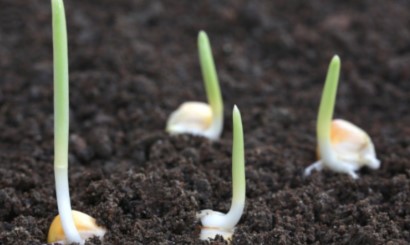
Germinating cannabis seeds successfully sets the foundation for a healthy and productive plant lifecycle. While factors such as humidity, temperature, and light play essential roles during germination, one of the most critical and often overlooked aspects is the soil medium used during this stage. A well-crafted soil mix ensures optimal moisture retention, aeration, microbial activity, and nutrient availability all essential for supporting a cannabis seedling’s early development.
1. Objectives of a Germination Soil Mix
The primary goals of a cannabis seed germination soil mix are:
- Moisture Retention: Keep seeds consistently moist but not waterlogged.
- Drainage & Aeration: Prevent anaerobic conditions that can lead to damping-off and root rot.
- Low Nutrient Content: Reduce the risk of “nutrient burn,” as young seedlings are highly sensitive.
- Sterility: Minimize pathogen exposure while encouraging beneficial microbial activity.
- Consistency: Provide a loose, fine structure that allows roots to expand freely.
2. Key Physical and Chemical Properties
Texture and Structure
Germination soil should be light, fluffy, and well-aerated. Soil that compacts easily can suffocate delicate root systems, slowing growth or killing seedlings. Use ingredients like coco coir and perlite to maintain porosity and prevent soil clumping.
pH Level
The pH should be slightly acidic ideally between 6.0 and 6.5. This range maximizes nutrient uptake and supports healthy microbial populations.
Electrical Conductivity (EC)
A low EC value (0.4 to 0.6 mS/cm) is ideal. High salt content from fertilizers or poor-quality compost can stress or kill seedlings.
3. Recommended Ingredients for a Germination Mix
A balanced cannabis seed germination mix typically includes the following core components:
1. Coco Coir (30-40%)
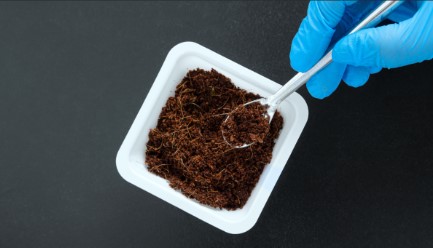
- Made from coconut husk fibers.
- Excellent water-holding capacity and aeration.
- Inert and free of nutrients.
- Often buffered to remove excess salts (important to check before use).
2. Peat Moss (30-40%)
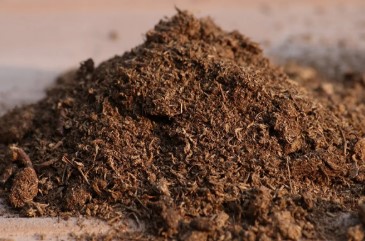
- High water retention and mildly acidic.
- Often used in combination with lime to adjust pH.
- Sustainable alternatives include sphagnum peat and coir.
Note: Choose either peat moss or coco coir as a base; both serve a similar function, though coco is more sustainable.
3. Perlite (20-30%)
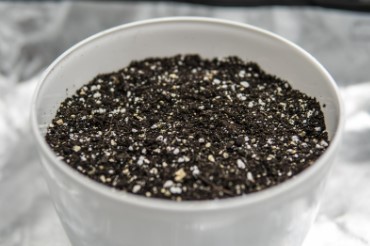
- A lightweight, expanded volcanic rock.
- Enhances drainage and aeration.
- Chemically inert and pH neutral.
4. Vermiculite (10-20%)
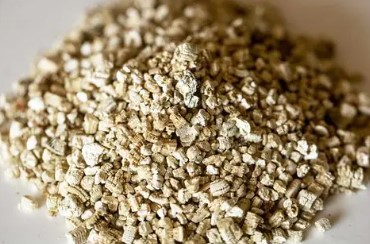
- Holds moisture and nutrients well.
- Helps buffer soil moisture fluctuations.
- Less effective than perlite at aeration but complements it well.
5. Worm Castings (5-10%)
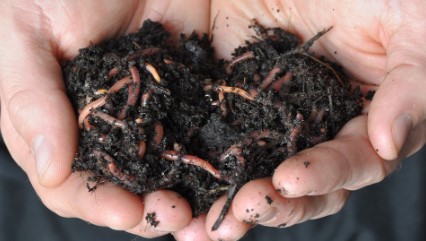
- Provides beneficial microbes and light nutrition.
- Mild enough not to burn seedlings.
- Adds natural humus to the mix.
6. Mycorrhizal Fungi and Beneficial Bacteria (optional but recommended)
- Supports early root development and nutrient uptake.
- Commercial products can be lightly mixed in or applied during transplanting.
4. Sample Soil Mix Recipes
Here are two reliable soil mix recipes tailored for germination:
Basic Germination Mix
- 40% coco coir (or peat moss)
- 30% perlite
- 20% vermiculite
- 10% worm castings
Advanced Organic Mix
- 35% coco coir
- 25% peat moss
- 20% perlite
- 10% worm castings
- 5% biochar (pre-inoculated)
- 5% compost (screened, high quality, not too “hot”)
This blend maximizes beneficial microbial life and offers a diverse organic base without overwhelming young plants.
5. Soil Preparation Tips
a. Hydration
Pre-moisten the soil before use. It should feel damp like a wrung-out sponge moist, not wet. Overwatering can suffocate seeds, while dry soil prevents germination.
b. Sterilization (Optional)
For added protection against pathogens, some growers opt to sterilize their soil using:
- Baking at 180°F (82°C) for 30 minutes, or
- Microwaving moist soil for 90 seconds per pound.
However, sterilization may kill beneficial microbes. Inoculating with compost tea or mycorrhizae after sterilization can help restore microbial balance.
6. Container Considerations
Use small containers (e.g., solo cups, seedling trays, or 2-inch nursery pots) to allow for better control of moisture levels and prevent overwatering.
- Ensure containers have adequate drainage holes.
- Avoid using large pots initially, as they hold too much moisture for a tiny seedling’s root zone.
7. Nutrient Caution
Cannabis seedlings contain enough nutrients in their cotyledons (seed leaves) to support initial growth. Avoid adding synthetic or organic fertilizers until:
- The plant has 2-3 sets of true leaves.
- The roots have visibly developed or outgrown the starter pot.
Overfeeding during germination can lead to nutrient burn, especially from nitrogen-rich amendments like blood meal or bat guano.
8. Environmental Factors Complementing Soil
Even the best soil mix will underperform if germination conditions are suboptimal. Ideal conditions include:
- Temperature: 70–78°F (21–25°C) for soil temperature.
- Humidity: 70–90% RH for the first week.
- Light: Fluorescent or LED lighting with low intensity (100–200 PPFD) is sufficient until seedling establishment.
- Airflow: Gentle circulation to prevent mold and damping-off.
Maintaining a stable microenvironment promotes stronger seedling development and maximizes the effectiveness of your soil mix.
9. Signs of a Good Soil Mix in Action
Once the seed has been planted and conditions are ideal, a well-formulated soil mix will exhibit:
- Rapid germination (within 2–7 days).
- White, fuzzy root hairs as signs of oxygen availability and microbial health.
- Upright seedlings with green, non-curling cotyledons.
- Moist—but not soggy—soil, with no foul odors (which would suggest anaerobic decay).
10. Troubleshooting Common Soil-Related Issues
| Problem | Possible Cause | Solution |
|---|---|---|
| Seeds not sprouting | Soil too dry or too cold | Reassess moisture levels and temperature |
| Seedlings damping off | Fungal infection due to overwatering | Improve drainage and airflow; use sterile mix |
| Yellowing cotyledons | Over-fertilization or salt stress | Flush with clean water; avoid added nutrients |
| Root-bound in small pot | Delayed transplanting | Move to a larger container after 10–14 days |
11. Final Thoughts: Optimizing Germination Success
Crafting the perfect soil mix for germinating cannabis seeds is both an art and a science. While experienced growers may experiment with complex organic amendments, beginners are best served by sticking to simple, inert, and forgiving media. The golden rule is to focus on moisture, aeration, and cleanliness nutrients can come later.
When tailored correctly, your soil mix not only ensures high germination rates but also nurtures resilient, vigorous seedlings that can transition seamlessly into the vegetative phase. Start strong, and your plants will thank you through every stage of their growth.
