The Best Grow Lights for Medical Cannabis Cultivation
Introduction
In the world of medical cannabis cultivation, one of the most critical factors in ensuring a healthy, high-quality harvest is proper lighting. Grow lights give plants the energy they need to photosynthesize and flourish indoors by acting as a substitute for natural sunlight. For medical cannabis cultivators, selecting the right grow lights can significantly affect plant growth, cannabinoid production, and overall yield. Proper lighting techniques directly influence the efficacy of cannabis for medical use, which includes treating various conditions like chronic pain, anxiety, epilepsy, and more.
This comprehensive guide will explore the best grow lights for medical cannabis cultivation, with a focus on their benefits, technological advancements, and how to use them effectively in a controlled environment. We’ll examine the three main types of grow lights—LED (Light Emitting Diode), HPS (High-Pressure Sodium), and CMH (Ceramic Metal Halide)—and their respective benefits and limitations. Additionally, we’ll explore light cycles, spectrum adjustments, and the importance of environmental control. This page will only discuss the production of cannabis for medical purposes; it will not discuss its recreational usage or methods of ingestion.
The Importance of Light in Medical Cannabis Cultivation
Cannabis is a light-dependent plant that requires specific light spectrums and intensities at different stages of growth. In natural outdoor environments, cannabis relies on the sun to provide the energy needed to carry out photosynthesis, grow, and produce cannabinoids such as THC and CBD. However, for medical cannabis growers cultivating indoors, artificial grow lights become the primary light source.
Different stages of cannabis growth (seedling, vegetative, and flowering) require different lighting conditions in terms of spectrum, intensity, and duration. Failure to provide optimal lighting can stunt growth, reduce yield, and affect the cannabinoid and terpene profiles—directly impacting the medical value of the final product. For medical growers, ensuring that plants are exposed to the best possible lighting is critical for producing cannabis strains with high medicinal potency.
Types of Grow Lights for Medical Cannabis
For growing cannabis indoors, a variety of grow lights are available. However, the choice of lighting technology must align with the grower’s specific goals—whether maximizing yields, enhancing cannabinoid profiles, or reducing energy consumption. The three most popular varieties of grow lights for medical cannabis growing are as follows:
1. Light Emitting Diode (LED) Grow Lights
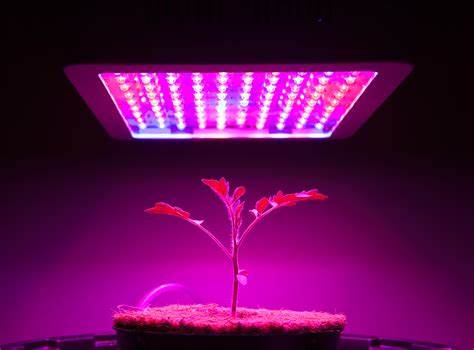
LED grow lights have quickly emerged as one of the most widely used options for growing medical cannabis indoors. The advancement of LED technology has transformed how growers approach cannabis lighting due to its efficiency, longevity, and spectrum control.
Benefits of LED Grow Lights
- Energy Efficiency: LED lights consume significantly less electricity compared to traditional grow lights such as HPS or CMH, making them an ideal choice for growers who need to minimize operational costs, especially in medical cannabis operations where environmental sustainability is key.
- Low Heat Emission: One of the standout features of LED lights is their low heat output. This prevents the grow room from overheating, reducing the need for additional cooling systems. This is particularly important for medical cannabis growers who need to maintain a stable environment to produce consistent, high-quality medicine.
- Full Spectrum Control: LED grow lights often come with customizable spectrum controls, allowing growers to adjust the light’s color output to match different stages of cannabis growth. This flexibility ensures that plants receive the correct wavelengths of light for seedling, vegetative, and flowering phases. For medical cannabis, optimizing the light spectrum can enhance the production of cannabinoids such as CBD or THC.
- Long Lifespan: Compared to conventional grow lights, LEDs typically last between 50,000 and 100,000 hours. For medical cannabis operations looking to be sustainable over the long run, this durability cuts operating costs and eliminates the need for regular repairs.
Limitations of LED Grow Lights
- Initial Investment: LED grow lights are typically more expensive upfront compared to other lighting options like HPS or CMH. Over time, though, the longer lifespan and energy savings frequently offset the original expense.
- Learning Curve: For new medical cannabis growers, the wide range of available LED models, each with different features and spectrum controls, can be overwhelming. Ensuring that the right balance of light spectrum is achieved can take some trial and error.
Best LED Grow Lights for Medical Cannabis Cultivation
- Black Dog LED PhytoMAX-2: Known for its powerful full-spectrum light output, the PhytoMAX-2 is ideal for medical cannabis cultivators looking for high yields and cannabinoid-rich crops. Its advanced spectrum is designed to maximize photosynthetic activity during all growth phases.
- VIPARSPECTRA Pro Series: This LED grow light is known for its affordability and efficiency, making it an excellent option for small-scale medical cannabis growers. It offers a full spectrum of light and uses a daisy-chaining feature to connect multiple lights.
- Spider Farmer SF Series: This energy-efficient light offers a full spectrum and excellent light penetration, leading to increased cannabinoid and terpene production, both crucial for medical cannabis quality.
2. High-Pressure Sodium (HPS) Grow Lights
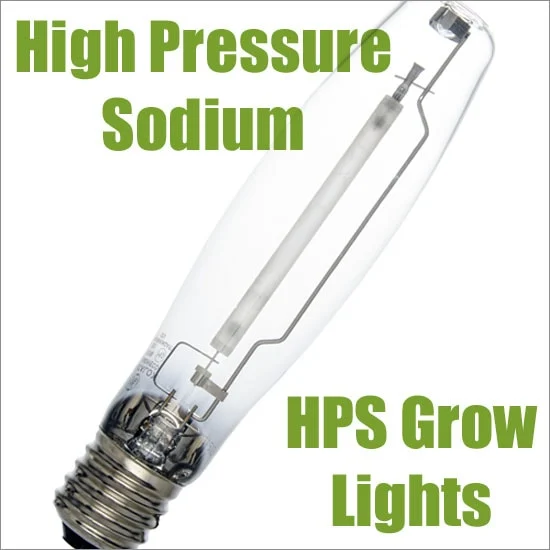
HPS grow lights have long been the standard for indoor cannabis cultivation. These lights are especially popular during the flowering stage due to their ability to emit a spectrum of light that mimics the autumn sun, encouraging plants to produce large buds and high yields.
Benefits of HPS Grow Lights
- High Light Intensity: HPS lights are known for producing extremely bright light, which is crucial during the flowering stage of cannabis. This intensity promotes bud development and results in higher yields—a key consideration for medical growers aiming to maximize the quantity and potency of their harvests.
- Proven Effectiveness: HPS lighting technology has been used for decades, and many professional medical cannabis growers continue to rely on it for its consistent and predictable results.
Limitations of HPS Grow Lights
- High Heat Output: HPS lights emit a large amount of heat, which can cause issues in the grow room if not properly managed. Overheating can stress the plants, leading to reduced cannabinoid production and poor-quality medicine.
- Energy Consumption: HPS lights are not as energy-efficient as LED lights, meaning they can lead to higher electricity costs over time. Medical cannabis growers need to weigh the higher operational costs against the benefits of increased yields.
- Limited Spectrum: HPS lights generally emit a yellow-orange light spectrum, which is beneficial for flowering but less ideal for the vegetative stage. As a result, many growers need to switch to different lights during the vegetative phase or supplement the spectrum with additional lighting.
Best HPS Grow Lights for Medical Cannabis Cultivation
- Gavita Pro 1000e DE: This double-ended HPS light is known for its powerful output and efficiency, making it one of the top choices for large-scale medical cannabis cultivators. Its consistent performance during the flowering stage ensures high cannabinoid and terpene production.
- Yield Lab 1000W HPS: A more affordable option for medical cannabis growers, the Yield Lab 1000W HPS light offers high light intensity and is ideal for those seeking to maximize yields without breaking the bank.
3. Ceramic Metal Halide (CMH) Grow Lights
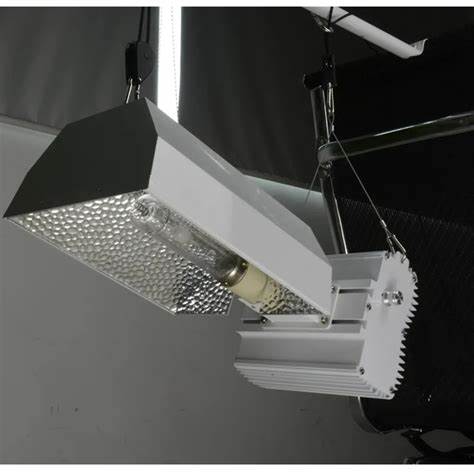
CMH grow lights, also known as Light Emitting Ceramic (LEC) lights, are a relatively new technology that has quickly gained popularity in the cannabis cultivation community. CMH lights offer a broad spectrum of light and are considered one of the best options for medical cannabis growers looking for both vegetative and flowering benefits from a single lighting system.
Benefits of CMH Grow Lights
- Full Spectrum Light: CMH lights produce a full spectrum of light, closely resembling natural sunlight. This spectrum includes ultraviolet (UV) light, which has been shown to increase the production of trichomes and cannabinoids. For medical cannabis cultivation, this can result in plants with enhanced medicinal properties.
- Energy Efficiency: CMH lights are more energy-efficient than HPS lights, offering a balance between the high output of HPS and the efficiency of LEDs. This makes CMH an attractive option for medical growers aiming for both quality and sustainability.
- Longevity: CMH lights have a longer lifespan than HPS bulbs, though they are generally not as long-lasting as LEDs. However, their light spectrum makes them worth the investment for many medical cannabis cultivators.
Limitations of CMH Grow Lights
- Heat Emission: While not as hot as HPS lights, CMH lights still emit a significant amount of heat. Medical cannabis growers must monitor the temperature and humidity in their grow room carefully to ensure plant health.
- Cost: CMH lights are more expensive than HPS lights, though they tend to offer a better light spectrum and energy efficiency in return.
Best CMH Grow Lights for Medical Cannabis Cultivation
- Sun System LEC 315: One of the most popular CMH lights for cannabis cultivation, the Sun System LEC 315 provides a full spectrum of light with high intensity. Its UV light can help boost trichome and cannabinoid production, making it ideal for medical cannabis growers.
- Phillips MasterColor CDM 315W: Known for its excellent spectrum output and efficiency, this light provides a strong balance of growth during both the vegetative and flowering stages. Its UV output is beneficial for enhancing cannabinoid and terpene profiles.
Factors to Consider When Choosing Grow Lights for Medical Cannabis
When selecting grow lights for medical cannabis cultivation, several factors must be considered to ensure the plants receive the optimal lighting conditions for growth and cannabinoid production. These elements are essential for creating high-quality medications that may successfully treat a range of illnesses.
1. Light Spectrum
Different light spectrums are needed by cannabis plants at different phases of development. Blue light (400–500 nm) is ideal for plants during the vegetative stage because it promotes the growth of leaves and stems. Maintaining the health of the plant during this stage is essential for medicinal cannabis growers in order to provide a solid basis for the subsequent synthesis of cannabinoids.
During the flowering stage, red light (620-780 nm) promotes bud formation, which is vital for maximizing the yield of cannabinoid-rich flowers. For medical use, these flowers need to be potent, consistent, and free of contaminants, making it critical to use a light source that provides the correct spectrum.
2. Intensity and Light Distribution
The intensity of light affects how efficiently cannabis plants photosynthesize, which in turn impacts growth rates and yield. Weak, spindly plants with a decreased THC content can result from inadequate light. However, too much light can lead to light stress, which harms plants and lowers their ability to produce cannabinoids.
Growers must also consider light distribution across the grow space. Uneven light distribution can lead to inconsistent plant growth, with some areas receiving too much light and others too little. LED grow lights often excel in providing even light coverage, especially when paired with reflective materials in the grow room.
3. Heat Emission and Environmental Control
Different grow lights emit varying amounts of heat, and managing this heat is critical for maintaining optimal growing conditions. Excess heat can lead to water loss, nutrient deficiencies, and reduced plant health, all of which can affect the quality of the final medical cannabis product.
Growers must carefully monitor the temperature and humidity in their grow space, adjusting ventilation and cooling systems as necessary. Medical cannabis requires stable environmental conditions to ensure the final product is of the highest medicinal quality, free from stress-induced contaminants or imbalances in cannabinoid levels.
4. Energy Efficiency
Energy efficiency is a key consideration for medical cannabis cultivators, especially in commercial operations where energy costs can quickly add up. LED lights are the most energy-efficient option, consuming far less electricity than HPS or CMH lights. LEDs may need a larger initial expenditure, but over time, their longevity and energy savings frequently make them the most economical option.
5. Durability and Lifespan
Medical cannabis growers need lights that will last through multiple growth cycles without losing efficiency. LED lights are known for their long lifespan, often lasting up to 10 years or more, whereas HPS and CMH bulbs may need to be replaced every 1-2 years. Choosing a durable lighting system can reduce operational costs and ensure consistent light output for high-quality medical cannabis.
Light Cycles and Their Role in Medical Cannabis Growth
Light cycles refer to the amount of time a cannabis plant is exposed to light versus darkness. Cannabis is a photoperiod-sensitive plant, meaning its growth and flowering are influenced by the length of the light cycle. For medical cannabis cultivators, understanding light cycles is crucial for achieving the best results in terms of cannabinoid and terpene production.
1. Seedling Stage
During the seedling stage, cannabis plants require about 18-24 hours of light per day. This constant light helps young plants establish strong roots and stems, laying the foundation for future growth. Medical cannabis growers must ensure that seedlings receive adequate light without excessive heat to avoid stressing the young plants.
2. Vegetative Stage
In the vegetative stage, cannabis plants continue to require 18-24 hours of light. During this phase, plants focus on growing leaves, stems, and branches, all of which are critical for supporting heavy buds during the flowering stage. The use of blue light spectrums (400-500 nm) is particularly important during this phase, as it promotes healthy vegetative growth.
3. Flowering Stage
When transitioning to the flowering stage, cannabis plants need a 12-hour light/12-hour dark cycle. The reduction in light hours triggers the plant to start producing buds. Red light spectrums (620-780 nm) are particularly effective during this stage for promoting bud growth and enhancing cannabinoid and terpene production. For medical cannabis cultivators, controlling the light cycle and ensuring the right spectrum are essential for maximizing the medicinal properties of the final product.
Restrictions on Growing and Using Cannabis in the Medical Field as a Last Resort
In the medical field, cannabis is regulated with strict oversight to ensure it is used appropriately and safely for therapeutic purposes. It is often considered a last resort when conventional treatments have proven ineffective or unsuitable for the patient. The legal frameworks surrounding medical cannabis cultivation and use vary by country and region, but common restrictions include:
- Prescription Requirement: Medical cannabis can only be prescribed by a licensed healthcare provider. This is typically allowed only after other treatment options have been exhausted or deemed inappropriate.
- Controlled Cultivation: In many regions, growing cannabis for medical purposes requires special licenses and adherence to strict regulations, including security measures and cultivation standards to ensure the safety and consistency of the medical product.
- Patient Eligibility: Only patients with qualifying medical conditions, such as chronic pain, epilepsy, or cancer-related symptoms, may be eligible for medical cannabis under specific guidelines. According to these medicinal frameworks, recreational cannabis usage is strictly forbidden.
Monitoring THC Levels in Medications to Prevent Psychoactive Effects
One of the key concerns in the medical use of cannabis is ensuring that patients receive therapeutic benefits without experiencing unwanted psychoactive effects caused by THC (tetrahydrocannabinol), the compound responsible for cannabis’ “high.” Medical cannabis preparations must be carefully monitored and controlled to regulate THC levels. Key practices include:
- Low-THC or High-CBD Strains: Medical cannabis often favors strains with higher levels of CBD (cannabidiol) and low levels of THC, as CBD offers therapeutic effects without the psychoactive impact.
- Standardized Dosing: Precise formulation and dosing of medical cannabis products, such as oils, capsules, and tinctures, are essential to ensure that THC levels are within safe and non-psychoactive thresholds for patients.
- THC Monitoring in Cultivation: Cannabis grown for medical purposes undergoes rigorous testing for cannabinoid content, ensuring that THC levels do not exceed allowable limits, providing safe and consistent medications.
Conclusion
Grow Lights for Medical Cannabis Cultivation
Choosing the right grow lights is critical to achieving optimal results in medical cannabis cultivation. LED, HPS, and CMH lights each offer unique benefits for different stages of cannabis growth, from seedling to flowering. Medical cannabis requires specific lighting conditions to promote healthy plant development, maximize cannabinoid and terpene production, and ensure consistent medicinal quality. LED lights, with their energy efficiency, spectrum control, and longevity, are particularly popular among medical growers. Meanwhile, HPS and CMH lights remain valuable for their high intensity and full-spectrum light.
Ensuring proper lighting conditions is vital for cultivating medical-grade cannabis that meets stringent quality standards, especially for patients who rely on its therapeutic benefits. Stable light cycles, spectrum adjustment, and environmental control are all integral to producing cannabis that supports various medical conditions, such as chronic pain, epilepsy, and anxiety.
Restrictions on Growing and Using Cannabis in the Medical Field
Growing and using cannabis in the medical field is subject to strict regulations to protect patients and ensure that cannabis is only used as a last resort when conventional treatments fail. Licensing, controlled cultivation, and precise product testing are essential to maintaining quality and safety standards. In particular, monitoring THC levels in medical cannabis products is critical to prevent unwanted psychoactive effects, ensuring that patients receive the therapeutic benefits without experiencing a “high.”
By adhering to these restrictions and carefully controlling the growing process and THC content, medical cannabis can be a safe and effective treatment option for a range of conditions, contributing to its growing acceptance in the healthcare sector.
