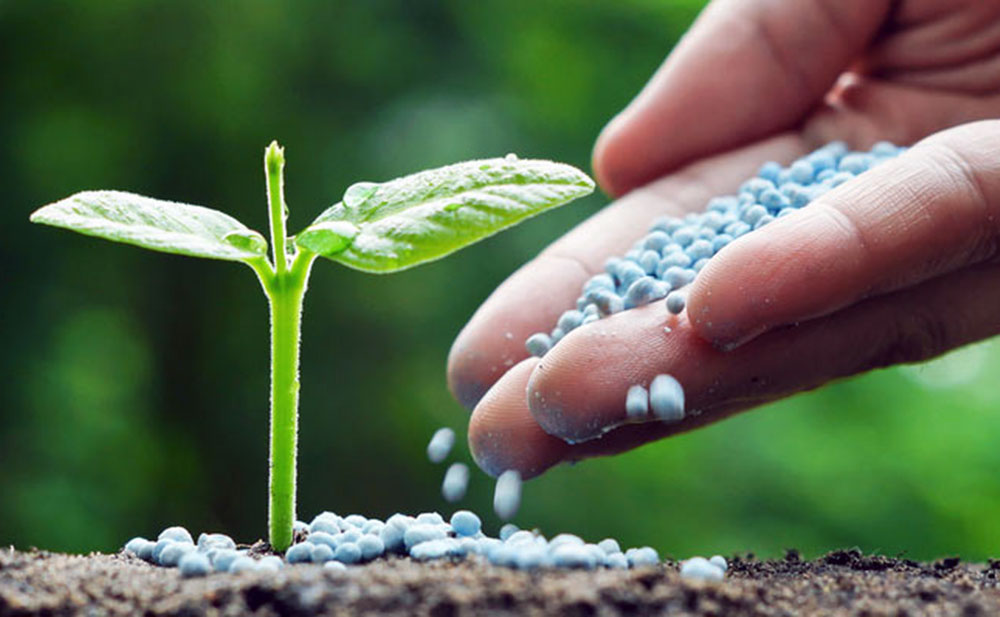
The Best Fertilizers for Cannabis Plants: A Comprehensive Guide
Cannabis cultivation has become increasingly popular, both for medicinal and recreational purposes. To achieve high-quality yields, providing the right nutrients through fertilization is essential. This guide explores the best fertilizers for cannabis plants, covering various types, their benefits, and how to use them effectively.
Understanding Cannabis Nutritional Needs
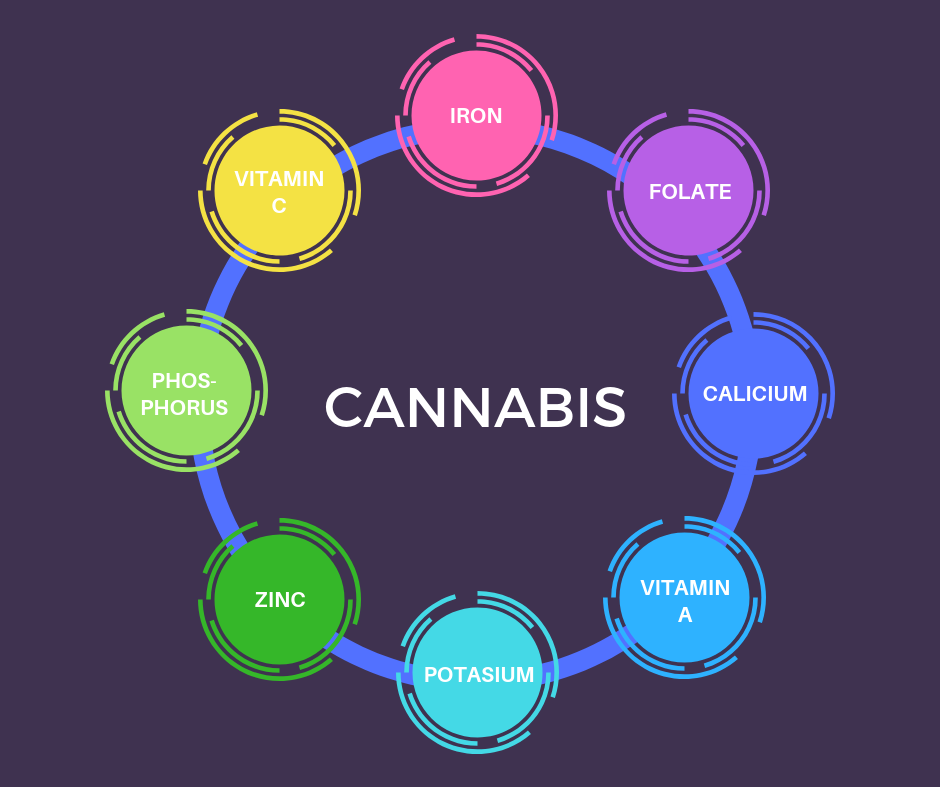
Cannabis plants, like all plants, require a balanced diet of essential nutrients to grow, thrive, and produce high yields. Macroscopic and micronutrient categories are used to categorize these substances. Understanding the specific needs of cannabis during its various growth stages is crucial for optimizing plant health and maximizing yields.
Macronutrients
The primary macronutrients necessary for cannabis growth are nitrogen (N), phosphorus (P), and potassium (K). These are often referred to as N-P-K and are the main components of most fertilizers.
1. Nitrogen (N)
- Role: Nitrogen is crucial for vegetative growth. It is an essential part of amino acids, which are the building blocks of proteins, and chlorophyll, the substance that is involved in photosynthesis.
- Deficiency Symptoms: Yellowing of lower leaves, stunted growth, and pale green foliage.
- Excess Symptoms: Dark green leaves, excessive vegetative growth, delayed flowering, and susceptibility to pests and diseases.
2. Phosphorus (P)
- Role: Phosphorus is essential for energy transfer and storage (ATP), root development, and flowering. It is important for the synthesis of RNA and DNA.
- Deficiency Symptoms: Dark green or purplish leaves, slow growth, poor root development, and reduced flowering.
- Excess Symptoms: Can cause micronutrient deficiencies (e.g., zinc and iron), leaf burn, and overall poor plant health.
3. Potassium (K)
- Role: Potassium regulates various physiological processes, including water uptake, enzyme activation, and photosynthesis. It is vital for overall plant health, disease resistance, and flower development.
- Deficiency Symptoms: Yellowing and browning of leaf edges, weak stems, and reduced resistance to disease and environmental stress.
- Excess Symptoms: Can cause calcium and magnesium deficiencies, leading to leaf burn and poor overall growth.
Secondary Macronutrients
Cannabis plants also need supplementary macronutrients, albeit in smaller amounts than N-P-K, but they are nonetheless necessary for good growth.
1. Calcium (Ca)
- Role: Calcium is crucial for cell wall structure, root development, and nutrient uptake. It also helps regulate enzyme activity and protects against diseases.
- Deficiency Symptoms: Yellow spots on leaves, crinkling of new growth, and poor root development.
- Excess Symptoms: Rarely occurs but can lead to magnesium or potassium deficiencies.
2. Magnesium (Mg)
- Role: Magnesium is a central component of chlorophyll, making it essential for photosynthesis. It also helps with enzyme activation and protein synthesis.
- Deficiency Symptoms: Interveinal chlorosis (yellowing between veins) on older leaves, leading to necrosis if untreated.
- Excess Symptoms: Can cause calcium deficiency and leaf discoloration.
3. Sulfur (S)
- Role: Sulfur is a component of amino acids and vitamins, playing a critical role in protein synthesis and enzyme function.
- Deficiency Symptoms: General yellowing of leaves (similar to nitrogen deficiency), stunted growth, and weak stems.
- Excess Symptoms: Rarely occurs but can cause leaf tip burn and poor overall growth.
Micronutrients
Micronutrients are required in trace amounts but are vital for various physiological functions in cannabis plants. These elements consist of boron (B), copper (Cu), zinc (Zn), iron (Fe), manganese (Mn), zinc (Zn), copper (Cu), and molybdenum (Mo).
1. Iron (Fe)
- Role: Iron is essential for chlorophyll synthesis and electron transport in photosynthesis.
- Deficiency Symptoms: Interveinal chlorosis on young leaves, leading to white or pale yellow new growth.
- Excess Symptoms: Can cause bronzing or necrosis of leaf tips and margins.
2. Manganese (Mn)
- Role: Manganese plays a role in photosynthesis, nitrogen assimilation, and enzyme activation.
- Deficiency Symptoms: Interveinal chlorosis on young leaves, brown spots, and reduced growth.
- Excess Symptoms: Can cause dark brown to black spots on leaves.
3. Zinc (Zn)
- Role: Zinc is important for enzyme function, protein synthesis, and growth regulation.
- Deficiency Symptoms: Stunted growth, small and distorted leaves, and interveinal chlorosis.
- Excess Symptoms: Can cause iron deficiency and leaf chlorosis.
4. Copper (Cu)
- Role: Copper is involved in photosynthesis, respiration, and lignin synthesis.
- Deficiency Symptoms: Wilting, stunted growth, and necrotic leaf tips.
- Excess Symptoms: Can cause root damage and iron deficiency.
5. Molybdenum (Mo)
- Role: Molybdenum is essential for nitrogen fixation and nitrate reduction.
- Deficiency Symptoms: Interveinal chlorosis, twisted leaves, and poor flower development.
- Excess Symptoms: Rarely occurs but can lead to copper deficiency.
6. Boron (B)
- Role: Boron is important for cell wall formation, membrane function, and reproductive growth.
- Deficiency Symptoms: Brittle and deformed leaves, poor flowering, and root tip death.
- Excess Symptoms: Can cause leaf tip burn and chlorosis.
7. Chlorine (Cl)
- Role: Chlorine is involved in osmosis, ionic balance, and photosynthesis.
- Deficiency Symptoms: Wilting, leaf mottling, and reduced growth.
- Excess Symptoms: Can cause leaf burn and salt accumulation in the soil.
Types of Fertilizers for Cannabis
Fertilizers are essential for giving cannabis plants the nutrition they need to grow healthily and yield large amounts of product. Fertilizers come in a variety of forms, each having unique benefits and applications. Selecting the ideal fertilizer for your cannabis plants can be made easier if you are aware of the various kinds available.
1. Organic Fertilizers

Organic fertilizers are derived from natural sources such as plant or animal matter. They improve soil health and provide a slow, steady release of nutrients, promoting sustainable plant growth.
Common Organic Fertilizers
- Compost: Rich in a variety of nutrients and beneficial microorganisms, compost improves soil structure and fertility.
- Manure: Animal manure (e.g., cow, chicken, horse) is high in nitrogen and other essential nutrients. It should be composted to avoid burning plants.
- Bone Meal: Bone meal, which is high in phosphorus, encourages robust root growth and blooming.
- Blood Meal: A potent source of nitrogen, blood meal is excellent for vegetative growth.
- Fish Emulsion: A balanced organic fertilizer that provides nitrogen, phosphorus, and potassium, ideal for overall plant health.
- Bat Guano: Rich in nitrogen and phosphorus, bat guano enhances vegetative growth and flowering.
Benefits of Organic Fertilizers
- Soil Health: The structure, microbiological activity, and water retention of soil are all enhanced by organic fertilizers.
- Environmental Impact: They are eco-friendly and reduce the risk of chemical runoff.
- Slow Release: The possibility of nutritional burn is decreased by the progressive delivery of nutrients.
2. Synthetic Fertilizers
The exact nutrient ratios that synthetic fertilizers give are achieved by chemical formulation. They offer quick nutrient availability, making them popular among commercial growers.
Common Synthetic Fertilizers
- NPK Blends: Formulated with specific ratios of nitrogen, phosphorus, and potassium to cater to different growth stages.
- Liquid Fertilizers: Easy to apply and quickly absorbed by plants, ideal for hydroponic systems.
- Granular Fertilizers: Offer a slow-release option to deliver nutrients continuously.
Benefits of Synthetic Fertilizers
- Precision: Allow for exact nutrient management, optimizing plant growth.
- Quick Results: Nutrients are readily available, promoting rapid growth.
- Consistency: Provide consistent and predictable nutrient delivery.
3. Slow-Release Fertilizers
Reducing the need for frequent applications, slow-release fertilizers deliver nutrients gradually over a longer period of time.
Types of Slow-Release Fertilizers
- Polymer-Coated Granules: Encapsulated nutrients that release based on soil moisture and temperature.
- Organic Slow-Release: Natural materials like bone meal and feather meal that break down slowly.
Benefits of Slow-Release Fertilizers
- Reduced Labor: Fewer applications are needed, saving time and effort.
- Minimized Risk: Lower risk of nutrient burn due to gradual nutrient release.
- Sustained Nutrition: Provide continuous nutrient availability throughout the growing cycle.
4. Liquid Fertilizers
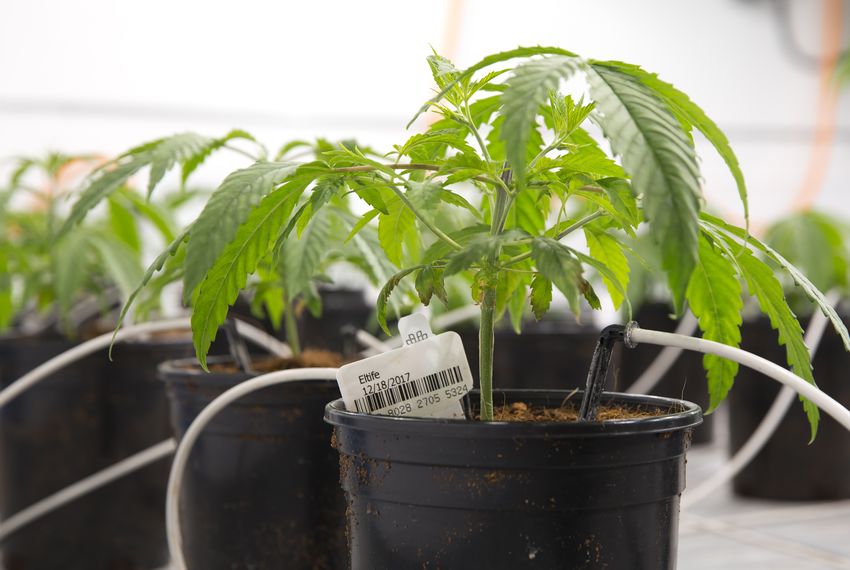
Liquid fertilizers are concentrated solutions that are diluted with water and applied directly to the soil or as foliar sprays. They are quickly absorbed by plants, making them suitable for addressing nutrient deficiencies and for hydroponic systems.
Common Liquid Fertilizers
- Fish Emulsion: Provides a balanced mix of nutrients and is easy to apply.
- Seaweed Extract: Rich in micronutrients and growth hormones, promoting overall plant health.
- Compost Tea: Made from steeping compost in water, providing a boost of beneficial microorganisms and nutrients.
Benefits of Liquid Fertilizers
- Quick Absorption: Nutrients are readily available, promoting rapid growth and correction of deficiencies.
- Ease of Use: Simple to mix and apply, suitable for both soil and hydroponic systems.
- Versatility: Can be used as soil drenches or foliar sprays.
5. Granular Fertilizers
Granular fertilizers are solid, pelletized forms of nutrients that are applied to the soil. They can be either synthetic or organic and provide a slow-release option for sustained nutrient delivery.
Common Granular Fertilizers
- Pelleted Manure: Provides a slow release of nutrients and improves soil structure.
- Organic Blends: Combine various organic materials to provide a balanced nutrient profile.
- Synthetic Granules: Formulated with specific NPK ratios for precise nutrient management.
Benefits of Granular Fertilizers
- Slow Release: Gradually release nutrients, reducing the need for frequent applications.
- Ease of Application: Simple to spread and incorporate into the soil.
- Consistency: Provide a steady supply of nutrients over time.
6. Foliar Fertilizers
Foliar fertilizers are nutrient solutions that are sprayed directly onto the leaves of plants. Rapid nutrition absorption through the stomata is made possible by this mechanism.
Common Foliar Fertilizers
- Liquid Seaweed: Rich in micronutrients and growth hormones.
- Fish Emulsion: Provides a balanced nutrient mix.
- Epsom Salt (Magnesium Sulfate): Used to correct magnesium deficiencies.
Benefits of Foliar Fertilizers
- Rapid Uptake: Nutrients are quickly absorbed through the leaves.
- Correct Deficiencies: Effective for addressing nutrient deficiencies promptly.
- Supplemental Feeding: Can be used alongside soil or hydroponic feeding for an extra nutrient boost.
7. Hydroponic Nutrients
Hydroponic systems require specialized nutrients since plants rely entirely on the nutrient solution for their growth. These nutrients are formulated to be readily available and balanced for optimal uptake.
Common Hydroponic Nutrients
- Three-Part Systems: Typically include separate formulations for vegetative growth, flowering, and micronutrients.
- Single-Part Systems: Provide a balanced mix of nutrients in a single solution for simplicity.
- Organic Hydroponic Nutrients: Derived from natural sources and formulated for hydroponic systems.
Benefits of Hydroponic Nutrients
- Precision: Allow for exact control over nutrient levels.
- Quick Absorption: Nutrients are readily available, promoting rapid growth.
- Ease of Use: Formulated for simplicity and efficiency in hydroponic systems.
Best Fertilizers for Different Growth Stages
Cannabis plants have distinct nutritional requirements at various stages of their growth cycle. Providing the right type and balance of nutrients during each phase is crucial for optimal health and productivity. Here’s a detailed guide on the best fertilizers for the different growth stages of cannabis plants:
Vegetative Stage
Cannabis plants concentrate on growing sturdy stems, lush foliage, and a strong root system during the vegetative stage. High levels of nitrogen are essential during this phase to support leafy growth and overall plant vigor.
Recommended Fertilizers for the Vegetative Stage
- Fox Farm Grow Big: This liquid fertilizer has a high nitrogen content (6-4-4), which promotes vigorous vegetative growth. It also contains trace minerals and nutrients that enhance overall plant health.
- Advanced Nutrients Grow: Part of a three-part nutrient system (Grow, Micro, Bloom), this fertilizer has a balanced NPK formula (3-1-3) with added micronutrients. It’s suitable for both hydroponics and soil.
- General Hydroponics FloraGro: Part of the Flora Series, FloraGro (2-1-6) supports robust vegetative growth with its high nitrogen and potassium content. It’s effective in hydroponic systems and soil-based cultivation.
- Dyna-Gro Foliage-Pro: A complete liquid nutrient solution (9-3-6) designed for all stages of growth but particularly effective during the vegetative phase. It offers a well-balanced combination of micro and macronutrients.
Flowering Stage
The flowering stage is when cannabis plants develop buds and flowers. During this phase, higher levels of phosphorus and potassium are required to support flower development and overall energy transfer within the plant.
Recommended Fertilizers for the Flowering Stage
- Fox Farm Tiger Bloom: A potent bloom booster (2-8-4) with a high phosphorus content, Tiger Bloom promotes abundant and healthy flowers. It also contains important micronutrients for balanced nutrition.
- Advanced Nutrients Bloom: Specifically formulated for the flowering stage, this fertilizer (1-3-4) enhances flower production and overall plant health. It is designed for both hydroponic and soil systems.
- General Hydroponics FloraBloom: Part of the Flora Series, FloraBloom (0-5-4) provides the essential phosphorus and potassium needed for large, healthy flowers. It’s suitable for hydroponic systems and soil-based cultivation.
- Bloom City Organic Bloom Booster: An organic liquid fertilizer rich in phosphorus and potassium, designed to enhance flower production and potency. Additionally, it has healthy bacteria in it that enhance soil quality.
Seedling Stage
Although not always given separate treatment, the seedling stage requires a gentle approach to fertilization. Young plants are delicate and can easily suffer from nutrient burn if over-fertilized.
Recommended Fertilizers for the Seedling Stage
- Fox Farm Big Bloom: This organic liquid fertilizer (0-0.5-0.7) is gentle enough for seedlings and young plants. It promotes healthy root development and provides a mild nutrient boost without the risk of burn.
- General Organics BioRoot: A root booster (1-1-1) designed to promote strong root development in young plants. It contains organic compounds and micronutrients that support early growth.
- Botanicare Pure Blend Pro Grow: A balanced organic nutrient solution (3-2-4) that is gentle enough for seedlings. It provides a mix of essential nutrients and organic matter to support healthy early growth.
All-Purpose Fertilizers
All-purpose fertilizers provide a balanced nutrient profile suitable for both vegetative and flowering stages. These are ideal for growers who prefer a simplified feeding regimen.
Recommended All-Purpose Fertilizers
- Earth Juice Original Grow: An organic liquid fertilizer (2-1-1) that can be used throughout the entire growth cycle. It provides a balanced mix of macronutrients and micronutrients to support healthy plant growth.
- Fox Farm Happy Frog All-Purpose: A granular fertilizer (5-5-5) enriched with beneficial microbes and organic matter. It improves soil health and provides sustained nutrient release.
- Dyna-Gro Foliage-Pro: Although particularly effective during the vegetative stage, this complete liquid nutrient solution (9-3-6) can be used throughout the plant’s life cycle for consistent nutrition.
Special Considerations for Different Growing Mediums
Soil
Soil-based growing offers a natural environment with inherent nutrients and microbial life. Organic fertilizers are often preferred for soil cultivation.
Tips for Soil Fertilization
- Amend Soil: Mix compost or organic matter into the soil before planting.
- pH Management: Maintain soil pH between 6.0 and 7.0 for optimal nutrient uptake.
- Watering: Water thoroughly to ensure nutrients reach the root zone.
Hydroponics
Hydroponic systems require precise nutrient management as plants rely entirely on nutrient solutions.
Tips for Hydroponic Fertilization
- Use Hydroponic-Specific Nutrients: Choose fertilizers designed for hydroponic systems.
- Monitor EC and pH: Maintain electrical conductivity (EC) and pH levels within recommended ranges (pH 5.5-6.5).
- Regular Maintenance: Change nutrient solution regularly to prevent nutrient imbalances.
Coco Coir
Coco coir is a popular soilless medium that requires specific nutrient management due to its unique properties.
Tips for Coco Coir Fertilization
- Cal-Mag Supplement: Coco coir can retain calcium and magnesium, so supplementation is often necessary.
- Coco-Specific Nutrients: Use fertilizers formulated for coco coir to ensure balanced nutrition.
- pH Management: Maintain pH levels between 5.8 and 6.3 for optimal nutrient uptake.
Nutrient Deficiencies and Solutions
For cannabis plants to remain healthy, nutrient deficits must be recognized and remedied.
Common Deficiencies
- Nitrogen Deficiency: Yellowing of lower leaves, stunted growth.
- Phosphorus Deficiency: Leaves dark green or purple, with little root growth.
- Potassium Deficiency: weakened stems, browning and yellowing of the leaf margins.
- Calcium Deficiency: Yellow spots and crinkling of new growth.
- Magnesium Deficiency: Interveinal chlorosis (yellowing between veins) on older leaves.
Solutions
- Adjust Fertilization: Increase the deficient nutrient in the fertilizer regimen.
- pH Management: Ensure pH levels are within the optimal range for nutrient uptake.
- Foliar Feeding: Apply a diluted nutrient solution directly to the leaves for quick absorption.
Organic vs. Synthetic Fertilizers: Pros and Cons
Organic Fertilizers
Pros
- Sustainable: Promote long-term soil health and environmental sustainability.
- Microbial Activity: Enhance soil microbial life, improving nutrient availability.
- Lower Burn Risk: Slow-release nature reduces the risk of nutrient burn.
Cons
- Slower Release: Nutrients are not immediately available, requiring longer to see results.
- Variable Nutrient Content: Nutrient levels can vary, making precise management challenging.
Synthetic Fertilizers
Pros
- Quick Results: Nutrients are readily available, promoting rapid growth.
- Precise Formulations: Allow for exact nutrient management, optimizing plant growth.
- Consistency: Provide predictable and consistent nutrient delivery.
Cons
- Environmental Impact: Can contribute to chemical runoff and soil degradation.
- Nutrient Burn Risk: High concentrations can lead to nutrient burn if not applied correctly.
- Soil Health: May not support long-term soil health and microbial activity.
Choosing the Right Fertilizer
Selecting the best fertilizer for cannabis depends on various factors, including the growth stage, growing medium, and personal preferences.
Factors to Consider
- Growth Stage: Choose fertilizers tailored to the vegetative or flowering stage.
- Growing Medium: Consider the specific needs of soil, hydroponic, or coco coir systems.
- Organic vs. Synthetic: Decide between organic and synthetic based on your cultivation goals and environmental considerations.
- Nutrient Ratios: Look for balanced NPK ratios appropriate for the growth stage.
- Ease of Use: Consider the application method and frequency.
Top Recommendations
- Vegetative Stage: Fox Farm Grow Big, Advanced Nutrients Grow, General Hydroponics FloraGro.
- Flowering Stage: Fox Farm Tiger Bloom, Advanced Nutrients Bloom, General Hydroponics FloraBloom.
- All-Purpose: Earth Juice Original Grow, Fox Farm Happy Frog All-Purpose, Dyna-Gro Foliage-Pro.
Conclusion
Selecting the best fertilizers for cannabis plants is an essential aspect of successful cultivation, whether you are growing for medicinal or recreational purposes. Understanding the nutritional needs of cannabis, which include a balanced supply of macronutrients (nitrogen, phosphorus, and potassium) and micronutrients (such as calcium, magnesium, and iron), is fundamental. Each growth stage—vegetative and flowering—requires specific nutrient ratios to ensure healthy development and maximize yields.
Your plant’s productivity and overall health can be greatly impacted by the sort of fertilizer you use. Organic fertilizers are great for improving soil health and supplying nutrients gradually and steadily because they are made from natural sources like compost, manure, and bone meal. They are environmentally friendly and reduce the risk of nutrient burn. Synthetic fertilizers, on the other hand, offer precise nutrient formulations and quick availability, making them ideal for growers who require exact control over their nutrient management. But they could be harmful to the environment, so you have to handle them carefully to prevent overfertilization.
In addition to lowering the need for frequent applications and lowering the risk of nutrient burn, slow-release fertilizers offer a practical solution for sustained nitrogen delivery. Since liquid fertilizers, such as foliar sprays, are rapidly absorbed, nutrient deficits can be addressed. Granular fertilizers provide a steady supply of nutrients throughout time and are simple to apply. For hydroponic systems, specialized nutrient solutions are essential as they provide the precise balance required for optimal plant growth in a soilless environment.
Each type of fertilizer has its advantages and specific use cases. When choosing the best fertilizer for your cannabis plants, consider factors such as the growth stage, growing medium, and whether you prefer organic or synthetic options. For soil-based cultivation, organic fertilizers often enhance soil structure and microbial activity. In hydroponic systems, synthetic or specially formulated organic nutrients provide the necessary precision and efficiency.
Proper nutrient management also involves monitoring pH levels to ensure optimal nutrient uptake and being vigilant about identifying and addressing nutrient deficiencies and toxicities. Regularly checking and adjusting your fertilization regimen based on plant needs and growth conditions will help you achieve the best results.
By providing the right nutrients at the right time and using the appropriate type of fertilizer, you can ensure your cannabis plants grow vigorously, produce high-quality yields, and remain healthy throughout their life cycle. Whether you are a beginner or an experienced grower, understanding and implementing the best fertilization practices is key to successful cannabis cultivation.
