The 5 Best Ways to Check for Moldy Cannabis, Plus How to Avoid It
Introduction
Mold contamination in cannabis can be a significant concern, particularly in medical use where patient safety is paramount. Moldy cannabis can pose serious health risks, especially to those with weakened immune systems, respiratory conditions, or allergies. Ensuring that cannabis is free from mold is crucial in maintaining its efficacy and safety as a medical product. This guide focuses on the five best ways to check for mold in cannabis and strategies to avoid mold growth, tailored for medical cannabis cultivation and use.
Understanding Mold in Cannabis
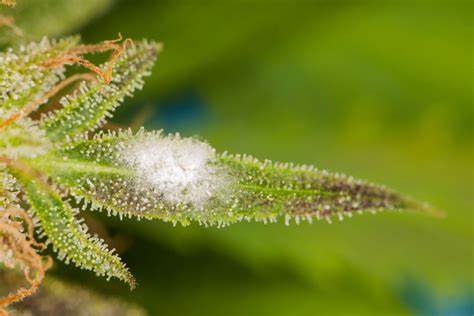
Mold in cannabis typically results from excess moisture, inadequate airflow, or improper storage. Common types of mold that affect cannabis include Botrytis cinerea (commonly known as bud rot), Aspergillus, and Penicillium. These molds can produce mycotoxins, which are harmful to human health. Mold can spread quickly under favorable conditions, so early detection and prevention are crucial in medical cannabis production.
1. Visual Inspection
Visual inspection is the most straightforward and immediate way to detect mold on cannabis. Here’s what to look for:
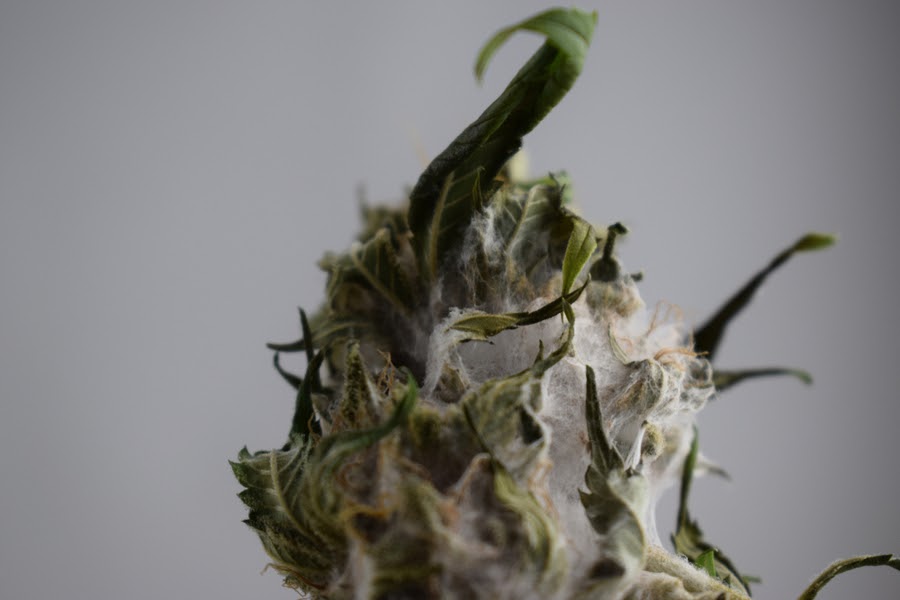
- White or Gray Fuzz: Mold may appear as a fuzzy growth on the cannabis buds, leaves, or stems. This fuzz can be white, gray, or slightly green.
- Powdery Mildew: Often white or gray, powdery mildew looks like a light dusting of flour on the leaves and buds. It typically develops in humid conditions with poor air circulation.
- Dark Spots or Discoloration: Mold can cause the cannabis plant to develop dark spots, often brown or black, which may spread as the mold proliferates.
- Yellowing or Browning Leaves: If the leaves around the buds show signs of yellowing or browning and a crumbly texture, mold could be the cause.
Best Practices for Visual Inspection:
- Conduct inspections under bright, natural light to identify mold growth easily.
- Use a magnifying glass to examine the buds, especially around the stems and inner parts, where mold often begins to grow.
- Include visual checks as part of regular cultivation monitoring, especially in high humidity or low airflow conditions.
2. Smell Test
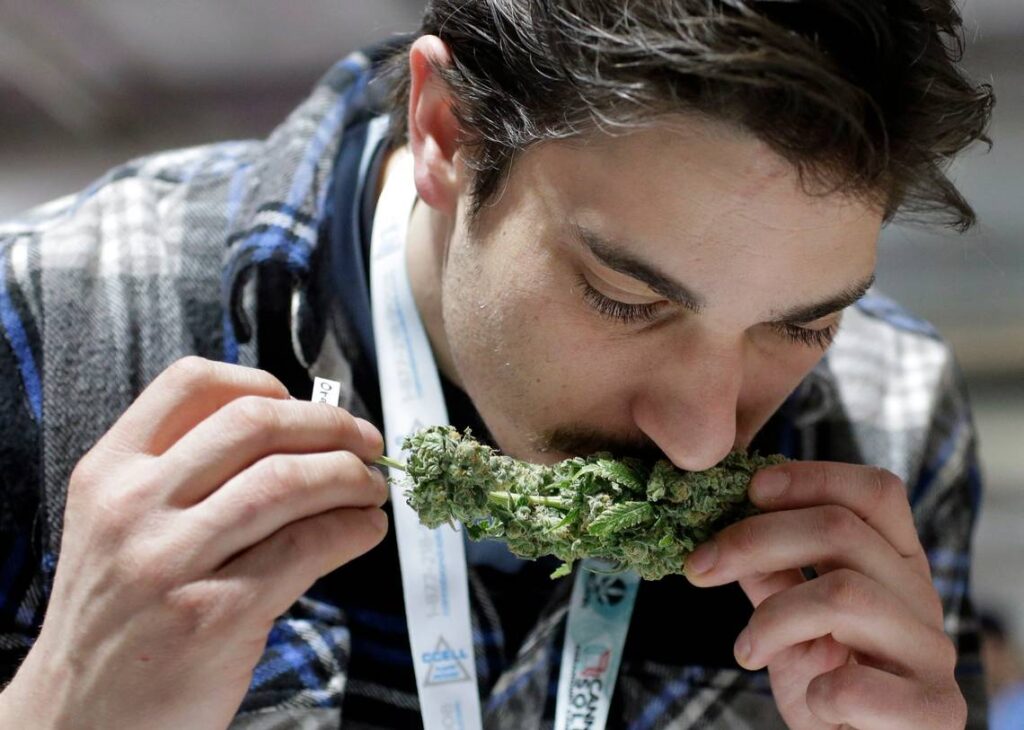
A smell test can be another effective way to detect mold in cannabis. Moldy cannabis often has a distinctive odor that is different from the usual aroma of healthy cannabis.
Key Odors to Detect:
- Musty or Mildew Smell: Moldy cannabis may emit a musty, earthy odor similar to damp cloth or old basements.
- Sharp, Acrid Scent: Some molds produce a sharp or acrid smell, which can be a clear indication of contamination.
How to Perform a Smell Test:
- Break open a small portion of the bud to smell the inner parts, as mold often starts from the inside.
- Conduct smell tests in an environment free from other strong odors to ensure accuracy.
Limitations: While effective, the smell test is subjective and may not always detect mold in the early stages, especially if the contamination is minimal.
3. Microscopic Examination
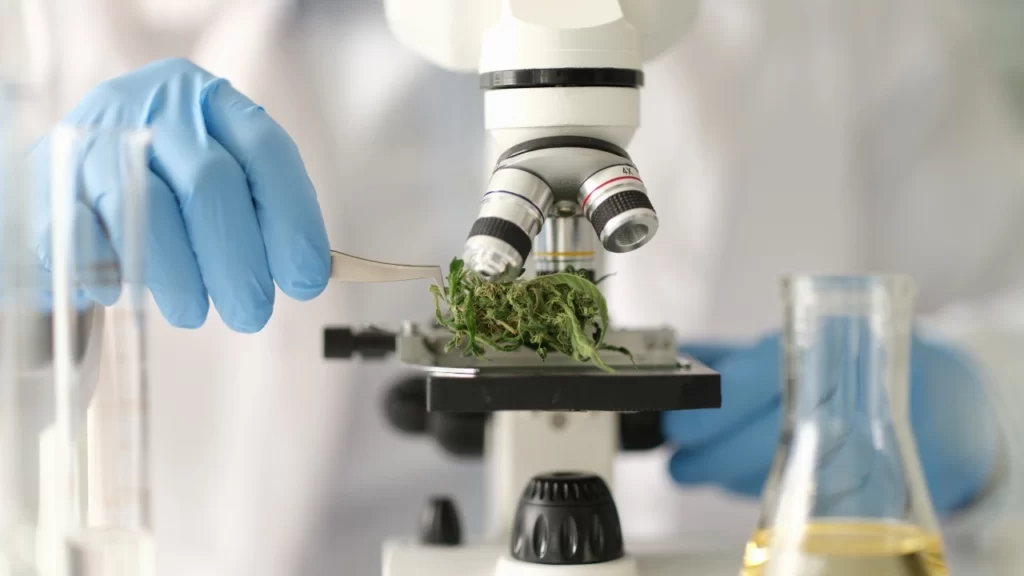
Microscopic examination provides a more scientific and accurate method for detecting mold in cannabis. This technique involves using a microscope or a magnifying tool to identify mold spores that are not visible to the naked eye.
How to Perform Microscopic Examination:
- Obtain a microscope or a portable magnifying tool (like a jeweler’s loupe with at least 60x magnification).
- Take a small sample of the cannabis, preferably from the inner parts of the buds where mold is likely to start.
- Examine the sample under the microscope, looking for signs of mold spores, which can appear as tiny, spherical, or thread-like structures.
Best Practices:
- Train personnel to recognize different types of mold spores.
- Regularly conduct microscopic checks, particularly in humid environments or during periods of high moisture.
Limitations: Microscopic examination requires equipment and training, making it less accessible for home growers but essential for professional medical cannabis cultivators.
4. Laboratory Testing
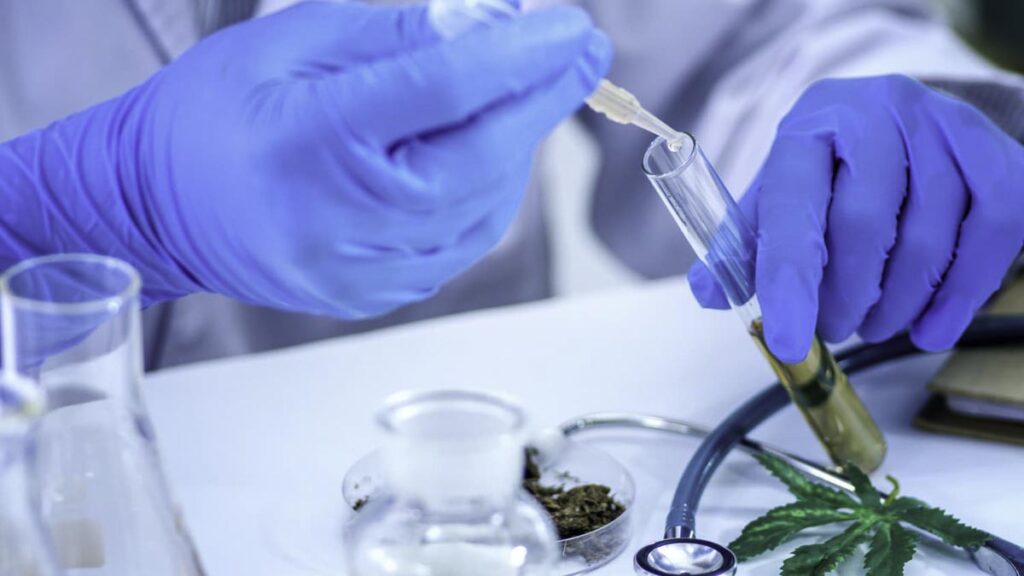
Laboratory testing is the most reliable and accurate way to detect mold in cannabis. Laboratories use advanced techniques like PCR (Polymerase Chain Reaction) and microbial plating to identify the presence and type of mold, including those that might be invisible to the naked eye or undetectable by smell.
Types of Laboratory Tests:
- PCR Testing: Detects the DNA of specific molds, providing a clear indication of contamination even in trace amounts.
- Microbial Plating: Involves placing a cannabis sample in a petri dish with a growth medium to see if mold colonies develop.
When to Use Laboratory Testing:
- When growing cannabis for medical purposes, especially for vulnerable patients.
- In cases of uncertain mold presence where other methods are inconclusive.
- To ensure compliance with medical cannabis regulations that require zero tolerance for mold.
Limitations:
- Laboratory testing is expensive and may not be feasible for every batch, but it is indispensable for medical-grade cannabis production.
5. Using Humidity and Temperature Sensors
Installing humidity and temperature sensors in the growing and storage areas is an indirect but effective way to prevent mold growth. Mold thrives in high humidity (above 60%) and warm temperatures, so keeping these conditions in check can significantly reduce the risk.
How to Use Sensors:
- Place sensors in various parts of the growing area, especially in places prone to moisture accumulation.
- Set alerts for humidity levels exceeding 60% or temperatures outside the optimal range for cannabis growth (typically 20-30°C or 68-86°F).
- Regularly monitor the sensor data and make adjustments to ventilation, air circulation, or dehumidification systems as needed.
Best Practices:
- Combine sensor data with other inspection methods for a comprehensive approach to mold prevention.
- Maintain a stable environment throughout the entire growing and curing process.
How to Avoid Mold in Medical Cannabis Cultivation
Prevention is always better than detection when it comes to mold in cannabis. Here are the best practices to avoid mold in medical cannabis cultivation:
1. Control Humidity and Temperature
Maintaining the right humidity and temperature is crucial to preventing mold growth:
- Keep Humidity Low: Aim for 40-50% relative humidity during the flowering stage and lower during drying and curing.
- Temperature Management: Keep temperatures between 20-25°C (68-77°F) during the growing phase and slightly cooler during drying.
2. Improve Air Circulation
Proper air circulation prevents stagnant air, which can create humid pockets conducive to mold growth:
- Install Fans: Use oscillating fans to keep air moving evenly across the entire growing area.
- Ventilation Systems: Ensure adequate exhaust systems to remove moist air and replenish with fresh, dry air.
3. Watering Practices
Overwatering is a common cause of mold in cannabis:
- Water at the Base: Water plants directly at the base rather than from above to avoid wetting leaves and buds.
- Timing: Water early in the day to allow any excess moisture to evaporate before nightfall.
4. Harvest and Cure Properly
Proper harvesting and curing methods are essential for preventing mold:
- Drying Conditions: Ensure cannabis is dried in a well-ventilated, low-humidity environment.
- Curing Jars: Use airtight glass jars for curing and regularly check for mold during the curing process.
5. Regular Sanitation
Maintain a clean growing environment to reduce the risk of mold:
- Sterilize Tools: Regularly sterilize pruning tools, containers, and other equipment.
- Clean Growing Area: Remove dead leaves, organic debris, and any material that can harbor mold.
Restrictions on Using and Growing Cannabis in the Medical Field as a Last Resort
Cannabis, when used in the medical field, is often regulated under strict guidelines due to its potential psychoactive effects, particularly from its THC (tetrahydrocannabinol) content. These restrictions ensure that cannabis is utilized as a last resort, only when other medical treatments have proven ineffective, and that the THC levels are closely monitored to prevent unwanted psychoactive effects on patients.
1. Regulatory Frameworks Governing Medical Cannabis Use
In many countries, the use of cannabis in the medical field is subject to stringent regulations. These regulations often categorize cannabis as a controlled substance and mandate specific conditions under which it can be prescribed and used.
Key Regulatory Frameworks:
- Controlled Substance Classification: Cannabis is often classified under controlled substances, meaning its use is restricted and heavily monitored. In countries like the United States, cannabis is still a Schedule I substance under federal law, although some states have legalized its medical use with restrictions.
- Prescription as a Last Resort: Medical cannabis is typically prescribed only when conventional treatments fail. Physicians must demonstrate that they have exhausted all other therapeutic options before resorting to cannabis.
- Approval by Regulatory Bodies: Many jurisdictions require cannabis-based medications to be approved by a governing body (such as the FDA in the United States or the EMA in Europe) before being used for medical purposes. This approval process often involves rigorous clinical trials to ensure safety and efficacy.
2. Specific Restrictions on Medical Cannabis Cultivation
Medical cannabis cultivation is also subject to tight controls to ensure that the end product is safe for medical use. These restrictions often focus on the growing environment, plant genetics, and processing methods.
Cultivation Restrictions Include:
- Licensed Growers Only: Only growers who have received specific licenses from government authorities are permitted to cultivate cannabis for medical purposes. These licenses require adherence to strict guidelines regarding plant handling, security, and quality control.
- Genetic Control: Cultivators must use approved cannabis strains with controlled levels of THC and other cannabinoids. Strains with lower THC content are often preferred to minimize psychoactive effects.
- Environmental Controls: Cultivation sites must maintain controlled environments to prevent contamination and ensure product consistency. This includes managing temperature, humidity, and light exposure, which can affect the plant’s chemical composition.
3. Monitoring THC Levels to Prevent Psychoactive Effects
The psychoactive effects of cannabis are primarily due to THC, a compound that can induce euphoria, altered perception, and other cognitive changes. In the medical field, it is crucial to monitor and control THC levels to prevent these effects, especially in vulnerable populations like children, the elderly, or those with mental health conditions.
Methods for Monitoring and Controlling THC Levels:
- Genetic Selection and Breeding: Cultivators select or breed cannabis strains with naturally low THC content and higher levels of other therapeutic cannabinoids, such as CBD (cannabidiol), which does not produce psychoactive effects.
- Regular Testing: Throughout the cultivation and processing stages, samples are regularly tested for THC and other cannabinoids to ensure they fall within the prescribed medical guidelines.
- Standardized Extraction Processes: During the production of cannabis-derived medicines, standardized extraction processes are used to remove or reduce THC content to acceptable levels, while maintaining the desired therapeutic compounds.
4. Patient Monitoring and Dosing Regulations
Patients using medical cannabis are closely monitored to ensure they do not experience adverse effects, including those related to THC. Dosing is often strictly controlled to balance therapeutic benefits with minimal psychoactive impact.
Patient Monitoring Protocols:
- Initial Assessments: Physicians conduct thorough assessments to determine whether cannabis is appropriate for the patient, considering medical history, current condition, and potential risks.
- Dose Titration: Starting with the lowest effective dose, doctors gradually adjust the dosage to find the optimal balance that provides therapeutic relief without causing psychoactive effects.
- Regular Follow-ups: Patients are required to attend regular follow-up appointments to monitor their response to the treatment, adjust dosages, and ensure no adverse effects are occurring.
5. Compliance with International Standards
Many countries align their medical cannabis regulations with international standards set by organizations like the World Health Organization (WHO) or the International Narcotics Control Board (INCB).
International Compliance Requirements:
- Data Reporting: Countries must report data on medical cannabis production, distribution, and use to international bodies, ensuring transparency and accountability.
- Cross-Border Restrictions: Regulations often restrict the import and export of cannabis, allowing it only for medical or scientific purposes with proper documentation and approvals.
6. Legal Consequences for Non-Compliance
Failure to comply with the regulations regarding the medical use and cultivation of cannabis can result in severe legal consequences, including fines, loss of license, and criminal charges. This serves as a deterrent against misuse and ensures that cannabis is used safely and appropriately in the medical field.
Conclusion
The use and cultivation of cannabis in the medical field come with a host of regulations and restrictions designed to ensure patient safety and the appropriate use of this potent therapeutic substance. As medical cannabis has gained acceptance in various countries, its deployment remains carefully controlled to prevent misuse, abuse, and potential psychoactive effects from THC, the compound responsible for the ‘high’ associated with recreational cannabis use.
Understanding the Need for Restrictions
The regulatory frameworks governing medical cannabis reflect a consensus that cannabis should be a treatment of last resort, only considered when conventional therapies have failed. This approach recognizes both the therapeutic potential of cannabis and the risks it may pose, particularly due to its psychoactive properties. In many jurisdictions, cannabis is classified as a controlled substance, necessitating its use under specific conditions that limit its accessibility to those genuinely in need. Medical professionals must adhere to stringent guidelines, demonstrating that all other treatments have been exhausted before prescribing cannabis.
This cautious approach is supported by a body of evidence that, while cannabis can offer substantial benefits for conditions like chronic pain, epilepsy, and multiple sclerosis, it also carries risks, especially for vulnerable populations. By restricting cannabis use to cases where no other options are effective, regulators aim to minimize the risk of adverse effects, including cognitive impairment and dependency, which are primarily associated with THC.
Cultivation Controls: Ensuring Quality and Safety
Medical cannabis cultivation is equally regulated to ensure that the final product is safe, consistent, and effective for patient use. Only licensed growers, who meet strict standards for environmental controls, security, and quality assurance, are permitted to produce medical cannabis. These growers must comply with specific requirements, such as using approved strains with lower THC content and implementing rigorous testing protocols to monitor cannabinoid levels, contaminants, and overall plant health.
Environmental controls play a crucial role in this process. The growing conditions for medical cannabis are tightly managed to prevent mold, mildew, and other contaminants that could compromise patient safety. Cultivators must maintain optimal humidity and temperature levels, provide adequate air circulation, and utilize proper watering techniques to reduce the risk of contamination. Additionally, regular sanitation and sterilization of equipment and growing areas are mandatory to prevent mold and pathogens, ensuring a clean cultivation environment.
Monitoring THC Levels: Preventing Psychoactive Effects
A critical aspect of medical cannabis regulation is the monitoring of THC levels to prevent unwanted psychoactive effects. This is particularly important for patient groups such as children, the elderly, or those with mental health conditions, who may be more susceptible to the psychoactive effects of THC. Medical cannabis strains are often selected or genetically engineered to contain higher levels of CBD (cannabidiol), a non-psychoactive cannabinoid known for its therapeutic properties, and lower levels of THC.
To ensure that THC levels remain within acceptable ranges, growers and manufacturers perform regular testing throughout the cultivation and production processes. These tests include advanced analytical methods, such as gas chromatography and mass spectrometry, to accurately measure cannabinoid concentrations and ensure compliance with regulatory standards. Additionally, standardized extraction and processing techniques are used to maintain the desired cannabinoid profile, allowing medical professionals to dose accurately and effectively.
Patient Monitoring and Dosing: Balancing Benefits and Risks
Patients using medical cannabis are closely monitored to ensure that they receive the therapeutic benefits without experiencing adverse effects. This monitoring process involves thorough initial assessments to determine whether cannabis is appropriate for the patient, careful dose titration to find the minimum effective dose, and regular follow-ups to track the patient’s response to treatment. These measures help medical professionals balance the benefits of cannabis with the need to minimize any potential risks, ensuring that the patient receives the safest and most effective care.
Dosing regulations are particularly strict in the medical field, where the goal is to achieve maximum therapeutic benefit with minimal side effects. Starting with the lowest effective dose, healthcare providers gradually adjust the dosage based on the patient’s response, always aiming to use the least amount of THC necessary to achieve the desired therapeutic outcome. This careful approach helps to prevent the psychoactive effects that could impair the patient’s quality of life or complicate other aspects of their health.
Compliance and Legal Consequences
To ensure that these regulations are followed, there are significant legal consequences for non-compliance. Licensed growers, medical professionals, and patients who fail to adhere to the established guidelines can face severe penalties, including fines, loss of licenses, and even criminal charges. These consequences serve as a deterrent against misuse and ensure that cannabis remains a safe and effective option for patients who truly need it.
Global Standards and Best Practices
Many countries align their medical cannabis regulations with international standards, such as those set by the World Health Organization (WHO) and the International Narcotics Control Board (INCB). These standards help to maintain a uniform approach to medical cannabis use, ensuring that it is treated as a medical treatment rather than a recreational substance. Compliance with these standards involves regular reporting, strict controls on cross-border trade, and rigorous oversight of cultivation and distribution practices.
A Safe Path Forward for Medical Cannabis
The strict regulations and restrictions surrounding the use and cultivation of cannabis in the medical field reflect a careful balancing act between maximizing the therapeutic benefits of cannabis and minimizing its risks. By ensuring that cannabis is used only as a last resort, under close monitoring and within carefully controlled parameters, medical professionals can offer this powerful therapeutic option to patients who truly need it while safeguarding against potential harms. These measures ensure that cannabis can play its rightful role in modern medicine, providing relief and improving quality of life for patients with otherwise untreatable conditions, all within a framework that prioritizes safety, efficacy, and responsible use.
