THC and CBD Comparison: An In-Depth Analysis
Introduction
Tetrahydrocannabinol (THC) and cannabidiol (CBD) are two primary cannabinoids found in the Cannabis sativa plant. Despite their shared origin, these compounds have distinct effects, benefits, and legal statuses, making them significant in both medical and recreational contexts. This comprehensive analysis aims to compare THC and CBD in terms of their chemical structures, mechanisms of action, therapeutic benefits, side effects, and legal considerations.
Chemical Structure
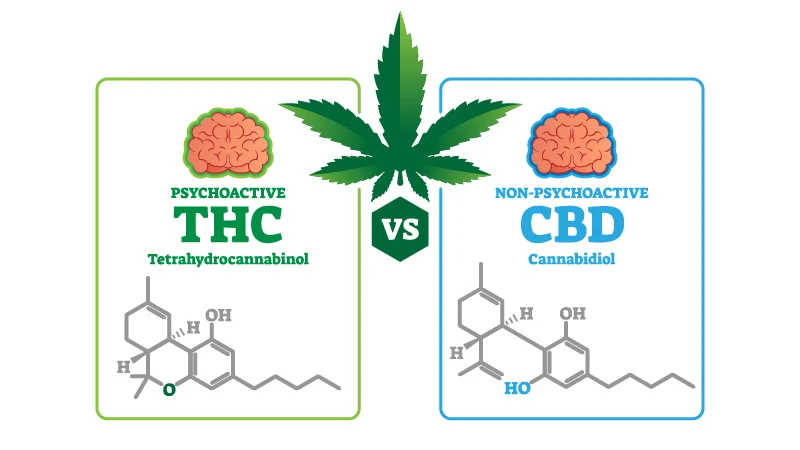
Understanding the chemical structure of THC (tetrahydrocannabinol) and CBD (cannabidiol) is fundamental to comprehending how these cannabinoids interact with the human body and produce their distinctive effects. Despite their similarities, the subtle differences in their molecular arrangements lead to significantly different interactions with the endocannabinoid system (ECS) and other physiological processes.
THC (Tetrahydrocannabinol)
- Chemical Formula: C21H30O2
- Molecular Structure:
- THC contains a tricyclic 21-carbon structure, including a benzopyran ring.
- It has a hydroxyl group (OH) attached to the benzene ring.
- The structure of THC includes a pentyl side chain.
THC’s cyclohexene ring double bond is essential to its psychoactivity. This structural feature allows THC to bind effectively to the CB1 receptors in the brain, leading to the psychoactive effects associated with cannabis use.
CBD (Cannabidiol)
- Chemical Formula: C21H30O2
- Molecular Structure:
- CBD also consists of a 21-carbon structure but differs in the arrangement of atoms.
- It has an open ring structure with two hydroxyl groups attached to its carbon chain.
- Unlike THC, CBD lacks a cyclic ring but features a hydroxyl group and a pentyl side chain.
The open ring structure of CBD prevents it from binding directly to CB1 receptors. Instead, CBD influences the ECS indirectly by interacting with other receptors and modulating the binding of endocannabinoids.
Key Structural Differences
- Ring Structure:
- THC: Contains a closed cyclic ring structure.
- CBD: Features an open ring structure.
- Psychoactive vs. Non-Psychoactive:
- The closed ring structure in THC allows it to bind directly to CB1 receptors, resulting in psychoactive effects.
- The open ring structure of CBD means it does not bind directly to CB1 receptors, and thus, it is non-psychoactive.
- Hydroxyl Groups:
- THC: Has one hydroxyl group attached to the benzene ring.
- CBD: Contains two hydroxyl groups along its carbon chain.
Visual Representation
To provide a clearer understanding, let’s visualize the chemical structures of THC and CBD:
THC (Tetrahydrocannabinol)
H H
\ /
C=C
/ | \
H2C—C C CH3
| | |
C—C—C
\ / \ /
C C
/ \ / \
H2C–C C–CH3
| |
O OH
CBD (Cannabidiol)
H H
\ /
C=C
/ \
H2C–C C–CH2OH
| / \
C C C
\ / \ / \
C C C
/ \ / \
H2C–C C OH
| |
O OH
These visual representations highlight the differences in ring structures and the placement of hydroxyl groups, emphasizing how these small variations lead to different interactions with the human body.
Mechanisms of Action
The mechanisms of action of THC (tetrahydrocannabinol) and CBD (cannabidiol) are rooted in their interactions with the endocannabinoid system (ECS) and other receptors in the human body. These interactions explain their distinct effects, therapeutic benefits, and side effects.
The Endocannabinoid System (ECS)
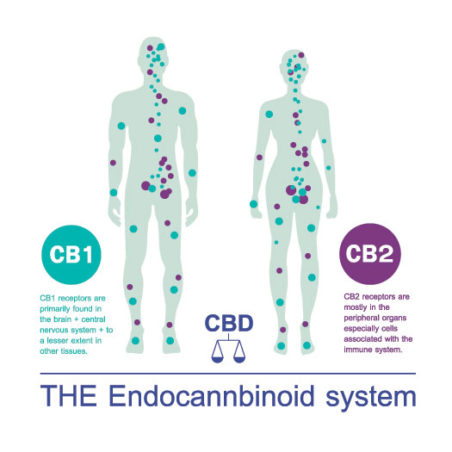
The ECS is a sophisticated cell-signaling system that is essential for controlling a wide range of physiological functions, such as immune response, mood, appetite, and pain. It consists of:
- Endocannabinoids: Endogenous cannabinoids like anandamide and 2-arachidonoylglycerol (2-AG) that bind to cannabinoid receptors.
- Cannabinoid Receptors: CB1 and CB2 receptors located throughout the body.
- Enzymes: Enzymes that synthesize and degrade endocannabinoids, such as FAAH (fatty acid amide hydrolase) and MAGL (monoacylglycerol lipase).
THC (Tetrahydrocannabinol)
Interaction with CB1 Receptors
- Primary Action: CB1 receptors are mostly located in the central nervous system (CNS), and THC functions as a partial agonist of these receptors.
- Psychoactive Effects: When THC binds to CB1 receptors, it activates them, leading to the release of neurotransmitters such as dopamine and serotonin. This activation results in the psychoactive effects of euphoria, altered perception, and relaxation.
- Pain Modulation: By activating CB1 receptors, THC can alter the perception of pain and provide analgesic effects.
- Appetite Stimulation: THC’s activation of CB1 receptors in the hypothalamus can stimulate appetite, known colloquially as “the munchies.”
Interaction with CB2 Receptors
- Secondary Action: THC also has an affinity for CB2 receptors, which are primarily located in the peripheral tissues and immune cells.
- Anti-Inflammatory Effects: Activation of CB2 receptors by THC can modulate immune responses and reduce inflammation, beneficial in conditions like multiple sclerosis and inflammatory bowel disease.
CBD (Cannabidiol)
Interaction with CB1 and CB2 Receptors
- Indirect Modulation: CBD has a low binding affinity for both CB1 and CB2 receptors. Instead of activating these receptors directly, CBD acts as a negative allosteric modulator of CB1 receptors, altering their shape and reducing the efficacy of other agonists like THC.
- Non-Psychoactive: Due to its indirect action on CB1 receptors, CBD does not produce psychoactive effects.
Inhibition of Enzymes
- FAAH Inhibition: CBD inhibits the enzyme FAAH, responsible for breaking down anandamide, an endogenous cannabinoid. This inhibition increases anandamide levels, enhancing its effects on CB1 and CB2 receptors.
- MAGL Inhibition: CBD also inhibits MAGL, which breaks down 2-AG, another endogenous cannabinoid, leading to increased 2-AG levels and prolonged ECS activation.
Interaction with Other Receptors
- Serotonin Receptors (5-HT1A): CBD acts as an agonist at 5-HT1A receptors, which are involved in regulating anxiety, mood, and nausea. This interaction is thought to underlie CBD’s anxiolytic and antidepressant effects.
- TRPV1 Receptors: CBD activates TRPV1 receptors, also known as vanilloid receptors, which play a role in pain perception, inflammation, and body temperature regulation.
- GPR55 Receptors: CBD acts as an antagonist at GPR55 receptors, which are implicated in modulating bone density and blood pressure. This interaction may contribute to CBD’s potential anti-inflammatory and anti-cancer properties.
Therapeutic Benefits
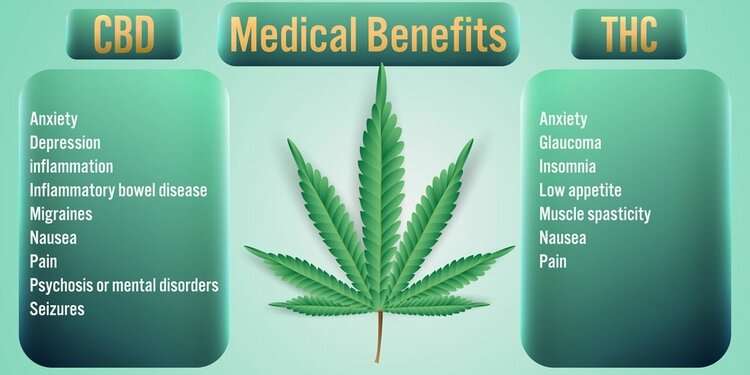
Both THC (tetrahydrocannabinol) and CBD (cannabidiol) offer a wide range of therapeutic benefits, although their effects and applications differ significantly due to their distinct interactions with the endocannabinoid system and other receptors in the body. This section explores the therapeutic benefits of THC and CBD in detail, highlighting their potential applications in various medical conditions.
THC (Tetrahydrocannabinol)
1. Pain Relief
- Mechanism: THC binds to CB1 receptors in the brain and central nervous system, altering pain perception pathways and providing analgesic effects.
- Applications: Effective in managing chronic pain conditions such as neuropathic pain, arthritis, and cancer-related pain.
- Clinical Evidence: Studies have demonstrated THC’s efficacy in reducing pain and improving the quality of life for patients with chronic pain conditions.
2. Appetite Stimulation
- Mechanism: Activation of CB1 receptors in the hypothalamus stimulates appetite and food intake.
- Applications: Beneficial for patients with conditions that cause significant weight loss and reduced appetite, such as HIV/AIDS and cancer.
- Clinical Evidence: THC-containing medications like dronabinol (Marinol) are approved for treating anorexia and cachexia in HIV/AIDS patients and for managing chemotherapy-induced nausea and vomiting.
3. Nausea and Vomiting
- Mechanism: THC’s interaction with CB1 receptors in the brainstem helps suppress the vomiting reflex.
- Applications: Effective in reducing nausea and vomiting in patients undergoing chemotherapy or experiencing severe motion sickness.
- Clinical Evidence: THC-based medications are widely used in oncology to manage chemotherapy-induced nausea and vomiting, improving patient compliance with cancer treatments.
4. Muscle Spasticity
- Mechanism: THC’s activation of CB1 receptors in the brain and spinal cord helps reduce muscle spasms and stiffness.
- Applications: Used in the treatment of muscle spasticity in conditions like multiple sclerosis and spinal cord injuries.
- Clinical Evidence: Medications containing THC, such as Sativex (a THC-CBD combination spray), are approved in several countries for managing spasticity in multiple sclerosis patients.
5. Sleep Disorders
- Mechanism: THC’s sedative effects, mediated through CB1 receptor activation, can help improve sleep quality and duration.
- Applications: Useful for patients with insomnia or sleep disturbances related to chronic pain, PTSD, or other conditions.
- Clinical Evidence: Research has indicated that THC can help those with insomnia by reducing sleep latency and lengthening their overall sleep duration.
CBD (Cannabidiol)
1. Anxiety and Depression
- Mechanism: CBD interacts with serotonin receptors (5-HT1A) and modulates GABA (gamma-aminobutyric acid) activity, contributing to its anxiolytic and antidepressant effects.
- Applications: Effective in managing various anxiety disorders, including generalized anxiety disorder (GAD), social anxiety disorder (SAD), and post-traumatic stress disorder (PTSD).
- Clinical Evidence: Research has demonstrated CBD’s efficacy in reducing anxiety symptoms and improving mood, with a favorable safety profile.
2. Epilepsy
- Mechanism: CBD’s anticonvulsant effects are mediated through multiple pathways, including modulation of GABA and glutamate activity and interaction with TRPV1 receptors.
- Applications: Particularly effective in treatment-resistant epilepsy syndromes such as Dravet syndrome and Lennox-Gastaut syndrome.
- Clinical Evidence: The FDA-approved medication Epidiolex (cannabidiol) has been shown to significantly reduce seizure frequency in patients with treatment-resistant epilepsy.
3. Inflammation and Pain
- Mechanism: CBD’s anti-inflammatory effects are mediated through its interaction with CB2 receptors, TRPV1 receptors, and inhibition of pro-inflammatory cytokines.
- Applications: Used in the management of inflammatory conditions such as arthritis, inflammatory bowel disease (IBD), and autoimmune diseases.
- Clinical Evidence: Studies have shown that CBD can reduce inflammation and pain in animal models and human clinical trials, with a low risk of side effects.
4. Neuroprotection
- Mechanism: CBD’s neuroprotective effects are attributed to its antioxidant properties, modulation of glutamate toxicity, and interaction with CB2 receptors.
- Applications: Potentially beneficial for neurodegenerative diseases such as Alzheimer’s disease, Parkinson’s disease, and amyotrophic lateral sclerosis (ALS).
- Clinical Evidence: Preclinical and early clinical studies suggest that CBD may help protect against neuronal damage and improve cognitive function in neurodegenerative diseases.
5. Skin Conditions
- Mechanism: CBD’s anti-inflammatory and antioxidant properties, along with its interaction with CB2 receptors in the skin, contribute to its therapeutic effects.
- Applications: Effective in managing conditions like acne, psoriasis, and eczema.
- Clinical Evidence: Research has shown that CBD can reduce sebum production, inflammation, and oxidative stress in the skin, making it a promising treatment for various dermatological conditions.
Combined Therapeutic Benefits: The Entourage Effect
When THC and CBD are used together, they can produce a synergistic effect known as the “entourage effect.” This phenomenon enhances the therapeutic benefits of each cannabinoid while mitigating some of their side effects.
Synergistic Effects
- Pain Management: The combination of THC and CBD can provide enhanced analgesic effects compared to either cannabinoid alone.
- Anxiety and Paranoia: CBD can counteract the anxiety and paranoia sometimes induced by THC, making the combination more tolerable for patients.
- Spasticity and Seizures: The THC-CBD combination has been shown to be effective in managing muscle spasticity and reducing seizure frequency, as seen in medications like Sativex and Epidiolex.
Side Effects
Both THC (tetrahydrocannabinol) and CBD (cannabidiol) have side effects that vary in nature and severity. Understanding these side effects is crucial for their safe and effective use in both medical and recreational contexts. This section explores the side effects associated with THC and CBD, highlighting the differences and considerations for their use.
THC (Tetrahydrocannabinol)
1. Psychoactive Effects
- Euphoria: THC induces a feeling of euphoria, which can be enjoyable for recreational users but may be disorienting or uncomfortable for some, especially at high doses.
- Altered Perception: THC can change sensory perception, making sounds and colors more vivid. This effect can impair judgment and coordination.
2. Cognitive Impairment
- Short-Term Memory: THC can impair short-term memory, making it difficult to retain and recall information.
- Concentration: It can affect the ability to concentrate, making tasks that require focus challenging.
3. Anxiety and Paranoia
- Anxiety: THC can induce anxiety, particularly in high doses or in individuals prone to anxiety disorders.
- Paranoia: Some users may experience paranoia, feeling suspicious or fearful without reason.
4. Increased Heart Rate
- Tachycardia: THC can cause an increase in heart rate, known as tachycardia, which may be concerning for individuals with heart conditions or those prone to anxiety.
5. Dry Mouth and Eyes
- Dry Mouth: THC can reduce saliva production, leading to a condition commonly known as “cottonmouth.”
- Red Eyes: It may result in the enlargement of blood vessels in the eyes, giving rise to red, bloodshot eyes.
6. Drowsiness and Fatigue
- Sedation: THC can have sedative effects, making users feel drowsy or tired, which can impair their ability to perform tasks requiring alertness, such as driving.
7. Appetite Stimulation
- Increased Appetite: The increased hunger, or “the munchies”), might cause overeating and probable weight gain in some people, but it can be advantageous for individuals who need to gain weight.
8. Long-Term Use Effects
- Tolerance: Regular use of THC can lead to tolerance, requiring higher doses to achieve the same effects.
- Dependence: Users who quit taking THC may have withdrawal symptoms due to the possibility of dependence.
CBD (Cannabidiol)
1. Sedation and Drowsiness
- Drowsiness: High doses of CBD can cause drowsiness and sedation, which may be beneficial for those with insomnia but can impair daytime activities for others.
2. Drug Interactions
- Enzyme Inhibition: CBD inhibits cytochrome P450 enzymes, which are involved in metabolizing many drugs. This interaction can affect the levels and effectiveness of medications, necessitating dosage adjustments.
- Potential Interactions: CBD can interact with medications such as blood thinners, anti-epileptics, and chemotherapy agents, potentially leading to adverse effects.
3. Gastrointestinal Issues
- Diarrhea: Some users may experience diarrhea, particularly with high doses of CBD.
- Appetite Changes: CBD can cause changes in appetite, leading to increased or decreased food intake.
4. Dry Mouth
- Xerostomia: Like THC, CBD can also cause dry mouth, though it is generally less pronounced.
5. Liver Function
- Liver Enzymes: High doses of CBD have been associated with elevated liver enzymes, indicating potential liver stress or damage. Regular monitoring of liver function may be necessary for individuals using high doses of CBD, especially those with pre-existing liver conditions.
Comparing Side Effects
Psychoactivity
- THC: Causes significant psychoactive effects, including euphoria, altered perception, and cognitive impairment.
- CBD: Non-psychoactive, does not produce euphoria or significant cognitive impairment.
Anxiety and Paranoia
- THC: Can induce anxiety and paranoia, especially at high doses.
- CBD: Generally has anxiolytic effects, reducing anxiety and counteracting the anxiety-inducing effects of THC.
Sedation and Drowsiness
- THC: Can cause drowsiness and sedation, particularly with higher doses.
- CBD: Can also cause drowsiness at high doses, but is generally well-tolerated.
Drug Interactions
- THC: Few significant drug interactions, though it can interact with certain medications like blood thinners.
- CBD: More likely to interact with a range of medications due to its inhibition of cytochrome P450 enzymes.
Mitigating Side Effects
THC
- Dosing: Start with low doses and gradually increase to find the minimum effective dose.
- Balanced Strains: Use strains with a balanced THC
ratio to mitigate psychoactive effects. - Environment: Use THC in a safe, comfortable environment to reduce the risk of anxiety and paranoia.
CBD
- Dosing: Start with low doses and gradually increase to monitor for any adverse effects.
- Drug Monitoring: Consult with a healthcare provider, especially if taking other medications, to monitor for potential drug interactions.
- Liver Function Tests: Regular liver function tests may be necessary for those taking high doses of CBD.
Legal Considerations
The legal status of THC (tetrahydrocannabinol) and CBD (cannabidiol) varies significantly across different countries and states, influenced by factors such as their psychoactive properties, medical benefits, and potential for abuse. This section explores the legal landscape of THC and CBD, highlighting key regulations, international perspectives, and the evolving nature of cannabis laws.
THC (Tetrahydrocannabinol)
United States
- Federal Law: THC is categorized as a Schedule I substance under the Controlled Substances Act (CSA), which means that there is no recognized medical use for it, a significant potential for misuse, and no evidence that using it under medical supervision is safe.
- State Laws: Despite federal prohibition, many states have enacted laws permitting the medical and/or recreational use of cannabis containing THC. Examples include:
- Medical Use: As of 2024, 37 states and the District of Columbia have legalized medical cannabis.
- Recreational Use: 21 states and the District of Columbia have legalized recreational cannabis for adults aged 21 and older.
International Perspectives
- Canada: Canada fully legalized cannabis, including THC, for both medical and recreational use in October 2018.
- European Union: The legal status of THC varies by country. Some countries, like the Netherlands, allow limited recreational use, while others, like Germany, permit medical use but prohibit recreational use.
- Australia: Medical cannabis, including THC, is legal under prescription, while recreational use remains illegal.
- Latin America: Countries like Uruguay and Mexico have taken steps to legalize or decriminalize cannabis, including THC, for both medical and recreational use.
Trends and Future Directions
- Decriminalization: Many jurisdictions are moving towards decriminalizing the possession of small amounts of cannabis, reducing criminal penalties.
- Legalization Initiatives: Efforts to legalize cannabis for medical and/or recreational use continue to gain momentum worldwide, influenced by changing public attitudes and emerging research on the therapeutic benefits of cannabinoids.
CBD (Cannabidiol)
United States
- Federal Law: The 2018 Farm Bill legalized the cultivation and sale of hemp (Cannabis sativa containing less than 0.3% THC) and its derivatives, including CBD. As a result, CBD derived from hemp is legal at the federal level, while CBD derived from marijuana (Cannabis sativa with more than 0.3% THC) remains a Schedule I substance.
- FDA Regulation: The U.S. Epidiolex is a CBD-based medicine that has been approved by the Food and Drug Administration (FDA) to treat epilepsy. The FDA still controls the promotion and distribution of CBD products, albeit it has not authorized the use of CBD in food or nutritional supplements.
State Laws
- Hemp-Derived CBD: Most states have aligned their laws with the federal government, allowing the sale and use of hemp-derived CBD products.
- Marijuana-Derived CBD: States with medical or recreational cannabis laws may permit the sale and use of marijuana-derived CBD products.
International Perspectives
- European Union: The legal status of CBD varies by country. The European Commission classifies CBD as a novel food, requiring authorization before it can be marketed. Some countries have specific regulations permitting the sale of CBD products, while others have stricter controls.
- Canada: CBD is regulated similarly to THC, meaning it is legal for both medical and recreational use under the Cannabis Act.
- Australia: CBD is available as a prescription-only medicine, with recent reforms allowing low-dose CBD products to be sold over-the-counter in pharmacies.
- Asia: The legal status of CBD varies widely, with some countries like Japan permitting its use, while others, such as China and South Korea, have strict regulations.
Trends and Future Directions
- Market Growth: The growing customer desire for natural health and wellness products is fueling the growth of the CBD product market globally.
- Regulatory Developments: Governments and regulatory bodies are continually updating laws and guidelines to ensure the safety, quality, and efficacy of CBD products.
- Research and Innovation: Ongoing research into the therapeutic potential of CBD is likely to influence future regulatory frameworks and expand the range of approved medical uses.
Legal Considerations for Consumers and Businesses
Consumers
- Understanding Local Laws: Consumers should be aware of the legal status of THC and CBD in their jurisdiction, including any restrictions on possession, use, and purchase.
- Product Quality and Safety: With the rapid growth of the cannabis market, consumers should look for products from reputable sources, verify third-party testing, and check for accurate labeling.
- Travel Considerations: Traveling with THC or CBD products can be complicated, as laws vary significantly between jurisdictions. It’s critical to comprehend the laws governing the places of departure and destination.
Businesses
- Compliance: Cannabis businesses must navigate a complex web of regulations, including licensing requirements, product testing, labeling, and advertising restrictions.
- Market Opportunities: The evolving legal landscape presents opportunities for businesses to expand into new markets, develop innovative products, and engage in research and development.
- Risk Management: Businesses should stay informed about regulatory changes, engage with legal experts, and implement robust compliance programs to mitigate legal risks.
Conclusion
THC (tetrahydrocannabinol) and CBD (cannabidiol) are two primary cannabinoids derived from the Cannabis sativa plant, each offering unique therapeutic benefits, mechanisms of action, side effects, and legal considerations. Understanding these differences is crucial for informed use, effective therapeutic applications, and navigating the complex legal landscape surrounding cannabis products.
Chemical Structure
THC and CBD share a similar chemical formula (C21H30O2) but differ in their molecular arrangements. THC features a closed cyclic ring structure, allowing it to bind directly to CB1 receptors in the brain, resulting in psychoactive effects. In contrast, CBD has an open ring structure, which prevents direct binding to CB1 receptors and renders it non-psychoactive.
Mechanisms of Action
THC primarily acts as a partial agonist of CB1 receptors, leading to its well-known psychoactive effects, such as euphoria and altered sensory perception. It also interacts with CB2 receptors, providing anti-inflammatory benefits. CBD, on the other hand, modulates the endocannabinoid system indirectly by inhibiting enzymes like FAAH, which break down endocannabinoids, and interacting with various other receptors, including serotonin and TRPV1, contributing to its wide range of therapeutic effects.
Therapeutic Benefits
Both cannabinoids offer substantial therapeutic benefits. THC is effective for pain relief, appetite stimulation, nausea reduction, muscle spasticity, and improving sleep disorders. CBD excels in treating anxiety, epilepsy, inflammation, neuroprotection, and certain skin conditions. The combination of THC and CBD can produce synergistic effects, enhancing the therapeutic potential and mitigating some adverse effects.
Side Effects
THC’s side effects include psychoactive responses, cognitive impairment, anxiety, paranoia, increased heart rate, dry mouth, red eyes, drowsiness, and potential long-term tolerance and dependence. CBD, generally well-tolerated, may cause drowsiness, drug interactions, gastrointestinal issues, and in rare cases, elevated liver enzymes. Understanding and mitigating these side effects is essential for safe use.
Legal Considerations
The legal standing of CBD and THC differs greatly between states. Although it is permitted in many states and countries for medical and/or recreational use, THC is still classified as a Schedule I controlled substance in many nations, including the US. CBD is more widely accepted and acceptable, especially when extracted from hemp; yet, regulations still exist to guarantee the efficacy and safety of the substance. The evolving legal landscape presents opportunities and challenges for consumers and businesses, emphasizing the need for ongoing research, compliance, and informed decision-making.
Final Thoughts
As scientific understanding and societal attitudes towards cannabis continue to evolve, the therapeutic potential of THC and CBD is becoming increasingly recognized. While THC offers significant benefits for certain medical conditions, its psychoactive effects and potential for abuse necessitate careful regulation and responsible use. CBD’s broad therapeutic applications and favorable safety profile make it an attractive option for a variety of health issues.
The future of cannabis lies in ongoing research, improved regulatory frameworks, and the development of innovative products that harness the full potential of these cannabinoids while ensuring safety and efficacy. By understanding the distinct properties and applications of THC and CBD, stakeholders can make informed decisions, optimize therapeutic outcomes, and contribute to the responsible growth of the cannabis industry.
