Table of Contents
The Thai cannabis strain, also known as “Thai Stick,” is one of the most iconic landrace strains in the cannabis world. Originating in the tropical climates of Thailand, this sativa-dominant strain has gained international recognition for its unique characteristics, rich cultural heritage, and potent effects. Thai cannabis is a cornerstone in the history of cannabis genetics, serving as a parent strain for many popular hybrids. This document delves into the detailed attributes of the Thai strain, exploring its history, cultivation, chemical profile, medical and recreational uses, and the scientific understanding of its effects.
Historical and Cultural Background
Thai cannabis has been cultivated in Southeast Asia for centuries. Historically, the plant played a significant role in Thai culture, being used in traditional medicine, spiritual practices, and as a recreational substance. The term “Thai Stick” refers to a method of preparing cannabis buds by skewering them on bamboo sticks and binding them with fibers, which was a common way to export the strain during the 1960s and 1970s.
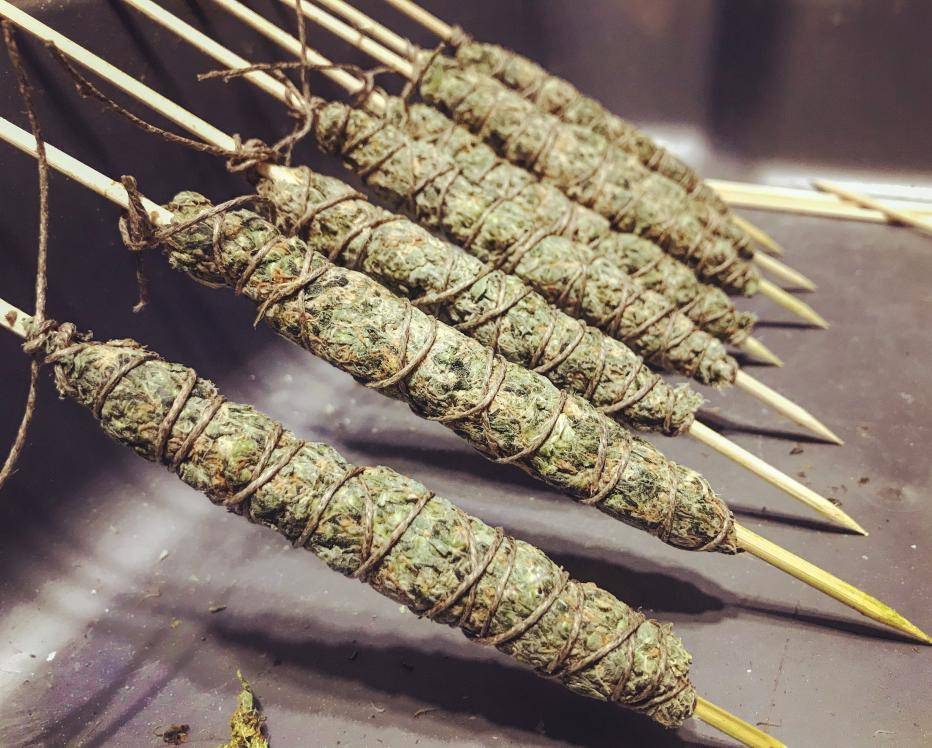
Thai cannabis is renowned for its pure landrace genetics. Unlike hybrid strains developed through selective breeding, landrace strains like Thai have evolved naturally in their native environment, adapting to local conditions. This gives the Thai strain a distinctive terpene and cannabinoid profile that is difficult to replicate elsewhere.
Physical Characteristics
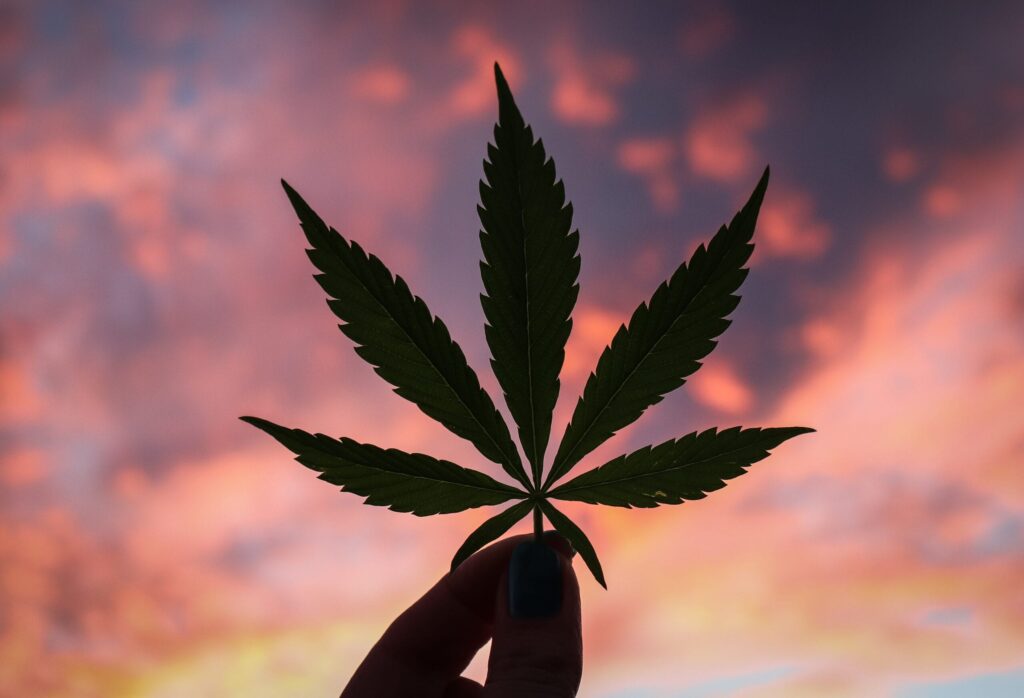
Thai cannabis plants are characterized by their tall and lanky structure, a typical trait of sativa-dominant strains. The leaves are long and thin, with bright green coloration. The buds are fluffy, elongated, and covered with a moderate layer of trichomes. Despite their somewhat sparse appearance compared to modern hybrids, Thai buds are highly aromatic and potent.
Aroma and Flavor Profile
The terpene profile of Thai cannabis gives it a unique aroma and flavor. Users often describe the scent as earthy, woody, and spicy, with hints of citrus and floral undertones. When smoked or vaporized, the flavor is similarly complex, offering a blend of herbal, peppery, and slightly sweet notes.
Chemical Composition
Thai cannabis is known for its high THC content, which typically ranges between 15% and 20%, although this can vary depending on growing conditions. The strain contains minimal CBD, making it primarily psychoactive. Key cannabinoids and terpenes found in Thai cannabis include:
- THC (Tetrahydrocannabinol): The primary psychoactive compound responsible for the strain’s euphoric and stimulating effects.
- CBD (Cannabidiol): Present in trace amounts, contributing to subtle therapeutic effects.
- Terpenes:
- Myrcene: Adds earthy and musky flavors and enhances the sedative effects.
- Limonene: Contributes to citrusy notes and uplifting effects.
- Pinene: Provides piney aromas and promotes mental clarity.
- Caryophyllene: Offers spicy, peppery flavors and has anti-inflammatory properties.
Recreational Uses
The Thai cannabis strain is highly sought after for recreational use due to its uplifting and energizing effects. It’s particularly popular among creative individuals and social users. Key recreational benefits include:
Uplifting and Euphoric Effects
Thai cannabis induces a cerebral high that is both energizing and euphoric. Users often report feelings of happiness, enhanced focus, and a sense of motivation, making it an ideal choice for daytime use or engaging in creative activities.
Enhanced Creativity
The strain’s ability to stimulate the mind makes it a favorite among artists, writers, and musicians. Thai cannabis can help users overcome creative blocks and explore new ideas with greater clarity.
Social Interactions
Thai cannabis can enhance social experiences by reducing inhibitions and promoting feelings of camaraderie. It is a popular choice for gatherings and recreational activities that involve group interaction.
Physical Stimulation
In addition to its mental effects, Thai cannabis provides a mild physical buzz that can complement outdoor activities such as hiking, yoga, or dancing.
Medical Applications
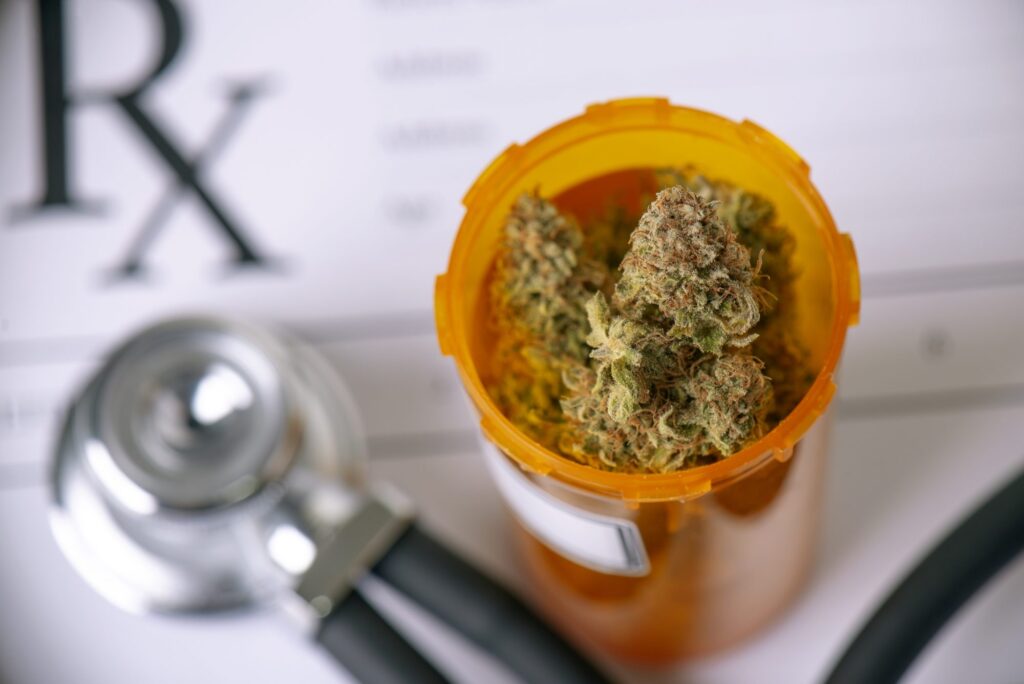
While Thai cannabis is predominantly used for recreational purposes, it also offers several therapeutic benefits. Its unique cannabinoid and terpene profile make it effective for managing specific medical conditions.
Mental Health Benefits
- Depression: The uplifting and mood-enhancing properties of Thai cannabis make it an effective option for individuals suffering from depression. By stimulating the release of dopamine and serotonin, the strain helps alleviate feelings of sadness and hopelessness.
- Anxiety: While high doses of THC can exacerbate anxiety, low to moderate doses of Thai cannabis may encourage relaxation and lessen stress. The strain’s limonene content contributes to its anxiolytic effects.
- ADHD: Thai cannabis’s ability to enhance focus and concentration can be beneficial for individuals with attention deficit hyperactivity disorder (ADHD).
Pain Management
Thai cannabis’s mild analgesic properties can help alleviate chronic pain, migraines, and muscle tension. The presence of caryophyllene enhances its anti-inflammatory effects, making it useful for conditions such as arthritis and fibromyalgia.
Appetite Stimulation
Like many THC-dominant strains, Thai cannabis can stimulate appetite, making it a potential remedy for people suffering from nausea or loss of appetite as a result of eating disorders or chemotherapy.
Fatigue
The energizing effects of Thai cannabis make it an effective natural remedy for combating fatigue. It can help users feel more awake and motivated without the jitters associated with caffeine or other stimulants.
Cultivation
1. Climatic Requirements
Thai cannabis is a landrace strain naturally adapted to the tropical conditions of Thailand. Key climatic factors influencing its cultivation include:
- Temperature: Ideal temperatures range from 24\u00b0C to 30\u00b0C (75\u00b0F to 86\u00b0F). Consistent warmth is crucial as temperature fluctuations can stress the plant.
- Humidity: Thai cannabis thrives in high humidity levels, around 60% to 80%. However, careful humidity management is essential during the flowering stage to prevent mold and bud rot.
- Light Cycle: As a photoperiod strain, Thai cannabis requires long daylight hours during the vegetative stage (16+ hours) and shorter days (12 hours) to induce flowering.
2. Soil and Nutrient Composition
Thai cannabis prefers well-draining, nutrient-rich soil with a slightly acidic to neutral pH (6.0-7.0). Considerations for soil quality include:
- Organic Matter: Adding organic compost or natural fertilizers enhances soil fertility and supports healthy microbial activity.
- Macronutrients: Adequate levels of nitrogen (N), phosphorus (P), and potassium (K) are necessary at different growth stages:
- Vegetative Stage: High nitrogen content for vigorous leaf and stem growth.
- Flowering Stage: Increased phosphorus and potassium to support bud development and resin production.
- Micronutrients: Essential trace elements like magnesium, calcium, and iron are vital for overall plant health.
3. Watering Practices
Thai cannabis requires consistent watering but is sensitive to overwatering. Key points include:
- Water Quality: Use water with minimal chlorine and a neutral pH (around 6.0-6.5).
- Frequency: Adjust watering schedules based on the soil\u2019s moisture level and environmental conditions. Tropical climates may necessitate more frequent watering.
4. Training Techniques
Due to its tall, lanky growth, training is crucial for managing the height and improving light distribution. Popular techniques include:
- Topping: Cutting the main stem promotes lateral growth, creating a bushier plant structure.
- Low-Stress Training (LST): Bending and securing branches horizontally allow for better light penetration and airflow.
- Screen of Green (ScrOG): Using a screen to spread branches horizontally maximizes light exposure and boosts yields.
5. Pest and Disease Management
Although Thai cannabis exhibits natural resistance to pests and diseases, proactive measures are necessary:
- Common Pests: Watch for spider mites, aphids, and caterpillars. Introduce beneficial insects like ladybugs and predatory mites for organic pest control.
- Fungal Issues: High humidity can lead to powdery mildew and bud rot.To prevent moisture buildup, make sure there is adequate ventilation and spacing.
- Natural Remedies: Neem oil and potassium bicarbonate sprays are effective organic treatments.
6. Flowering and Harvesting
Thai cannabis has a notably long flowering period, typically 10-14 weeks. During this phase:
- Environmental Adjustments: Gradually reduce humidity to 40-50% to prevent mold formation.
- Trichome Monitoring: Use a magnifying glass to observe trichome development. Harvest when trichomes turn milky white with amber tips for optimal potency.
- Drying and Curing: Hang buds in a dark, ventilated space with 50-60% humidity. After drying, cure in airtight jars, burping them daily to enhance flavor and potency.
7. Indoor Cultivation Adaptations
Cultivating Thai cannabis indoors requires replicating its natural environment:
- Lighting: Full-spectrum LED or HPS lights can mimic tropical sunlight. Use 18-20 hours of light during vegetative growth and 12 hours during flowering.
- Climate Control: Employ humidifiers, dehumidifiers, and fans to maintain ideal temperature and humidity levels.
- Space Management: Use vertical space efficiently due to the plant\u2019s height. Scrog or LST techniques can help manage growth in confined areas.
Methods of Ingestion
Thai cannabis, like other strains, can be consumed through various methods, each with unique characteristics influencing the onset, duration, and intensity of its effects. The primary methods include:
1. Smoking
- Description: Combustion of dried Thai cannabis flowers in joints, pipes, or bongs.
- Onset: Effects are typically felt within 2-10 minutes.
- Duration: The high lasts approximately 1.5 to 3 hours.
- Bioavailability: Around 30%, depending on the method and depth of inhalation.
- Advantages:
- Quick onset of effects, ideal for immediate relief or recreational use.
- Provides a full flavor profile, allowing users to experience the strain\u2019s unique earthy and spicy terpene profile.
- Disadvantages: Combustion produces harmful byproducts, such as tar and carbon monoxide.
2. Vaporization
- Description: Heating Thai cannabis to a temperature where cannabinoids and terpenes vaporize without combustion (typically 180\u00b0C to 220\u00b0C or 356\u00b0F to 428\u00b0F).
- Onset: Felt within 5-10 minutes.
- Duration: Effects last about 1.5 to 4 hours.
- Bioavailability: Higher than smoking, around 40-50%.
- Advantages:
- Preserves terpenes and cannabinoids for a cleaner, more flavorful experience.
- Lessens exposure to dangerous combustion byproducts.
- Disadvantages: Requires a vaporizer, which can be costly upfront.
3. Edibles
- Description: Thai cannabis is infused into food or beverages, with THC activated through decarboxylation (heating cannabis at 105\u00b0C to 120\u00b0C or 221\u00b0F to 248\u00b0F).
- Onset: Delayed onset of 30 minutes to 2 hours due to digestion and liver metabolism.
- Duration: Long-lasting effects, up to 6-8 hours.
- Bioavailability: Around 4-20%, as cannabinoids pass through the digestive tract and are metabolized by the lessens exposure to dangerous combustion byproducts. liver into a stronger substance called 11-hydroxy-THC.
- Advantages:
- Discreet and convenient.
- Long-lasting results that are appropriate for persistent ailments like pain or sleeplessness.
- Disadvantages: Difficult to dose accurately; delayed onset may lead to overconsumption.
4. Sublingual (Tinctures)
- Description: Cannabis extracts placed under the tongue for absorption through the mucous membranes.
- Onset: Effects are noticeable within 15-30 minutes.
- Duration: Lasts 4-6 hours.
- Bioavailability: Higher than edibles, approximately 15-35%.
- Advantages:
- Faster onset compared to edibles.
- Provides precise dosing.
- Disadvantages: May have a strong taste that some users find unpleasant.
5. Topical Applications
- Description: Cannabis-infused creams, balms, or patches applied directly to the skin.
- Onset: Localized relief felt within 20-30 minutes.
- Duration: Effects last 2-4 hours (patches may last longer).
- Bioavailability: Minimal systemic absorption; cannabinoids primarily interact with CB2 receptors in the skin.
- Advantages:
- Non-psychoactive, ideal for localized pain or inflammation.
- Easy to apply.
- Disadvantages: Limited to topical relief; not effective for systemic conditions.
Onset and Duration of Effects
The onset and duration of Thai cannabis effects depend on the method of ingestion and personal characteristics like body weight, tolerance, and metabolism.
| Method | Onset | Peak Effects | Duration |
|---|---|---|---|
| Smoking | 2-10 minutes | 20-30 minutes | 1.5-3 hours |
| Vaporization | 5-10 minutes | 30-60 minutes | 1.5-4 hours |
| Edibles | 30 minutes-2 hours | 1-2 hours | 6-8 hours |
| Sublingual | 15-30 minutes | 30-90 minutes | 4-6 hours |
| Topical | 20-30 minutes | Localized relief | 2-4 hours (patches: 12-24 hours) |
Effects of Thai Cannabis
Thai cannabis is predominantly a sativa strain, producing characteristic cerebral and uplifting effects. These effects vary depending on dose, tolerance, and the method of ingestion.
1. Cerebral Stimulation
- Effects: Enhanced focus, creativity, and euphoria.
- Mechanism: THC binds to CB1 receptors in the brain, stimulating dopamine release and activating neural pathways associated with creativity and mood.
2. Mood Enhancement
- Effects: Euphoria and a sense of well-being.
- Mechanism: Terpenes like limonene contribute to mood elevation by interacting with serotonin receptors.
3. Physical Effects
- Effects: Mild body buzz, relaxation without sedation.
- Mechanism: Interaction with peripheral CB2 receptors provides subtle physical relief.
4. Therapeutic Benefits
- Mental Clarity: Pinene improves cognitive function and reduces memory impairment associated with THC.
- Anti-Anxiety: Limonene\u2019s anxiolytic properties help manage stress in low doses.
- Pain Relief: Caryophyllene\u2019s interaction with CB2 receptors reduces inflammation and pain.
5. Adverse Effects
- Paranoia and Anxiety: High doses of THC may overstimulate CB1 receptors.
- Dry Mouth (Cottonmouth): THC reduces saliva production by interacting with receptors in the salivary glands.
- Red Eyes: THC dilates blood vessels, increasing blood flow to ocular regions.
- Fatigue: In rare cases, prolonged use or high doses can lead to mental and physical fatigue post-high.
Scientific Understanding of Metabolism
THC and the Liver
- When ingested orally, THC is metabolized by the liver into 11-hydroxy-THC, which is more potent and has a longer half-life.
- This metabolite is responsible for the stronger and longer-lasting effects of edibles.
The Entourage Effect
- Cannabinoids (THC, CBD) and terpenes (limonene, myrcene, pinene) work synergistically to enhance therapeutic and recreational effects. For example, limonene amplifies mood-enhancing properties, while myrcene potentiates THC\u2019s sedative effects.
Variability in Onset and Effects
- Genetic factors (e.g., polymorphisms in the CYP2C9 gene) influence THC metabolism.
- Differences in body fat distribution, enzyme levels, and prior cannabis use can affect individual experiences.
Scientific Understanding of Effects
The psychoactive and therapeutic effects of Thai cannabis are primarily attributed to its high THC content and terpene profile. THC interacts with the endocannabinoid system, particularly the CB1 receptors in the brain, to produce its characteristic euphoria and mental stimulation. The presence of terpenes such as limonene and pinene enhances these effects by modulating the activity of cannabinoids and providing additional benefits like improved mood and mental clarity.
Entourage Effect
The interplay between cannabinoids and terpenes in Thai cannabis exemplifies the “entourage effect,” where the combined action of these compounds produces more pronounced and nuanced effects than individual components alone. For example, the combination of THC and caryophyllene may enhance the strain’s analgesic properties, while limonene and pinene contribute to its uplifting and focus-enhancing effects.
Potential Side Effects
While Thai cannabis offers numerous benefits, it is not without potential drawbacks. Common side effects include:
- Dry Mouth and Eyes: A typical side effect of THC-rich strains, mitigated by staying hydrated.
- Paranoia and Anxiety: High doses may induce paranoia or exacerbate anxiety, particularly in individuals prone to these conditions.
- Dizziness: Some users may experience mild dizziness, especially if consumed in excess.
- Insomnia: Due to its stimulating effects, Thai cannabis is best avoided in the evening to prevent sleep disturbances.
Modern Derivatives and Hybrids
Thai cannabis has been used to develop numerous hybrid strains, combining its unique characteristics with those of other genetics to create new profiles. Notable hybrids include:
- Haze Strains: Thai genetics are a key component in the development of classic Haze strains, known for their potent cerebral effects and complex flavors.
- Chocolate Thai: A phenotype of Thai cannabis with distinct chocolatey flavors and a slightly milder effect profile.
- Durban Thai Highflyer: A hybrid combining the uplifting properties of Thai cannabis with the robust flavors and effects of Durban Poison.
Legal and Ethical Considerations
The legality of Thai cannabis varies depending on the region. In Thailand, recent reforms have decriminalized medical cannabis, and the country is positioning itself as a pioneer in the world of cannabis. However, recreational use remains restricted in many areas. Cultivators and consumers should adhere to local laws and regulations to ensure compliance.
Conclusion
The Thai cannabis strain is a true gem in the world of cannabis, offering a blend of historical significance, unique characteristics, and versatile effects. Its uplifting and energizing properties make it a favorite for recreational use, while its therapeutic benefits provide relief for a range of medical conditions. Despite the challenges of cultivation, Thai cannabis remains a prized strain for those seeking a pure and authentic cannabis experience.
As scientific understanding of cannabis continues to grow, Thai cannabis serves as a reminder of the rich diversity and potential of this remarkable plant. Whether used for recreation, creativity, or medicine, the Thai strain embodies the essence of cannabis’s enduring appeal.
For a complete directory of cultivars, visit our Cannabis Strain Reviews.
