Table of Contents
Tembo Kush is an increasingly popular cannabis strain that has garnered attention for its unique profile and multifaceted benefits. Known for its distinct aroma, robust effects, and versatile applications, this strain offers users an exceptional experience both recreationally and medically. This document provides an in-depth exploration of Tembo Kush, including its origins, genetic composition, cannabinoid and terpene profiles, potential medical applications, and recreational uses.
Origin and Genetics
Tembo Kush is a hybrid strain, leaning slightly toward the indica side, with a genetic lineage that combines the best traits of its parent strains. It is believed to have originated from a cross between Afghan Kush and African Sativa, resulting in a plant that boasts robust growth characteristics and a potent cannabinoid profile. The name “Tembo,” meaning “elephant” in Swahili, reflects its African lineage and alludes to its strong, grounding effects.
Cannabinoid Profile
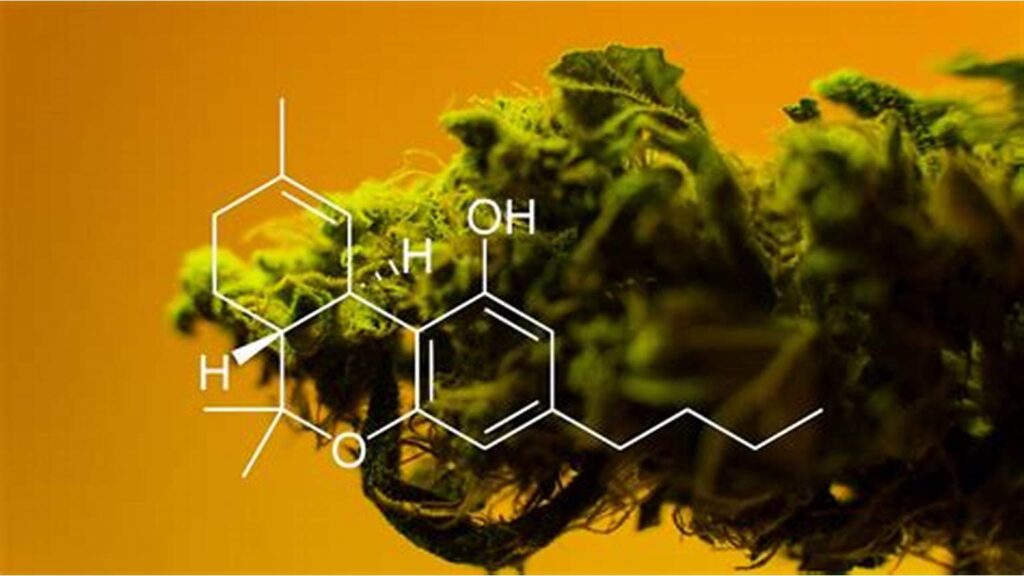
Tembo Kush is characterized by a balanced cannabinoid composition, making it suitable for a wide range of users. Laboratory analyses often show the following average concentrations:
- THC (Tetrahydrocannabinol): 18-22%
- CBD (Cannabidiol): 1-2%
- CBG (Cannabigerol): 0.5-1%
- Other Cannabinoids: Trace amounts of CBN (Cannabinol) and CBC (Cannabichromene)
The moderate to high THC levels ensure a potent psychoactive experience, while the presence of CBD and CBG provides a balancing effect that tempers the intensity of the high and enhances therapeutic benefits.

Terpene Profile
Terpenes are crucial in shaping the aromatic and therapeutic properties of Tembo Kush. The dominant terpenes include:
- Myrcene: Provides earthy and musky notes, contributing to the strain’s relaxing effects.
- Limonene: Adds a citrusy aroma and promotes mood elevation.
- Caryophyllene: Offers a spicy, peppery scent and interacts with CB2 receptors, enhancing anti-inflammatory effects.
- Humulene: Imparts woody and herbal tones, known for appetite-suppressant properties.
- Linalool: Delivers floral and lavender-like aromas, contributing to anti-anxiety effects.
The synergy between these terpenes and cannabinoids produces the “entourage effect,” amplifying the strain’s overall impact.
Medical Uses
Tembo Kush has gained recognition for its broad range of medical applications. Its balanced cannabinoid profile and diverse terpene content make it effective for addressing both physical and psychological conditions.
Pain Management
- Conditions: Chronic pain, arthritis, fibromyalgia, and migraines.
- Mechanism: The high THC content activates CB1 receptors in the brain and spinal cord, altering pain perception. Caryophyllene’s anti-inflammatory properties further reduce swelling and discomfort.
Anxiety and Stress Relief
- Conditions: Generalized anxiety disorder (GAD), social anxiety, and post-traumatic stress disorder (PTSD).
- Mechanism: The calming effects of myrcene and linalool work in tandem with THC’s euphoria-inducing properties to alleviate anxiety and promote relaxation.
Insomnia
- Conditions: Sleep onset and maintenance insomnia.
- Mechanism: The sedative effects of myrcene and linalool, combined with THC’s ability to shorten the time it takes to fall asleep, make Tembo Kush an effective sleep aid.
Appetite Stimulation
- Conditions: Anorexia, cancer-related cachexia, and eating disorders.
- Mechanism: THC’s interaction with CB1 receptors triggers the release of hunger hormones, while limonene’s uplifting effects enhance the desire to eat.
Neurological Disorders
- Conditions: Parkinson’s disease, epilepsy, and multiple sclerosis.
- Mechanism: CBD and CBG’s neuroprotective properties, along with THC’s ability to reduce spasticity, offer symptom relief for various neurological conditions.
Anti-Inflammatory Effects
- Conditions: Irritable bowel syndrome (IBS), Crohn’s disease, and other inflammatory disorders.
- Mechanism: Caryophyllene’s unique ability to bind to CB2 receptors plays a significant role in reducing inflammation at the cellular level.
Recreational Uses
Tembo Kush is equally celebrated in the recreational cannabis community for its versatile effects. Its balanced indica-sativa profile provides an experience that transitions smoothly between cerebral stimulation and physical relaxation.
Onset and Effects
- Initial Onset: Users typically feel an uplifting cerebral buzz within 5-10 minutes of consumption. This phase is characterized by heightened creativity, focus, and euphoria.
- Peak Effects: As the high progresses, the indica properties become more pronounced, inducing a state of deep relaxation and tranquility. Many users report a sense of being “grounded,” which aligns with the strain’s “Tembo” namesake.
- Duration: The effects generally last 2-4 hours, depending on dosage and individual tolerance.
Activities
- Social Settings: Tembo Kush’s uplifting and sociable effects make it ideal for group gatherings or creative brainstorming sessions.
- Creative Endeavors: Artists, writers, and musicians often use this strain to enhance focus and inspire creativity during the initial stages of the high.
- Relaxation: The latter stages of the experience are perfect for unwinding after a long day, meditating, or engaging in light recreational activities such as watching movies or listening to music.
Potential Side Effects
While Tembo Kush is well-tolerated by most users, it’s essential to be aware of potential side effects:
- Dry Mouth and Eyes: Common with cannabis use, these symptoms can be mitigated with hydration and eye drops.
- Dizziness: May occur in individuals sensitive to THC, particularly at higher doses.
- Paranoia or Anxiety: Rare but possible in those prone to anxiety or consuming excessive amounts.
- Mild Sedation: Higher doses may lead to drowsiness, making it unsuitable for daytime use for some individuals.
Cultivation of Tembo Kush
Cultivating Tembo Kush involves specific practices to ensure optimal growth, yield, and quality. Its genetic lineage (Afghan Kush x African Sativa) gives it unique growth characteristics that can be maximized through scientific cultivation techniques. Here’s an in-depth exploration of the cultivation methods for this strain:
1. Growing Environment
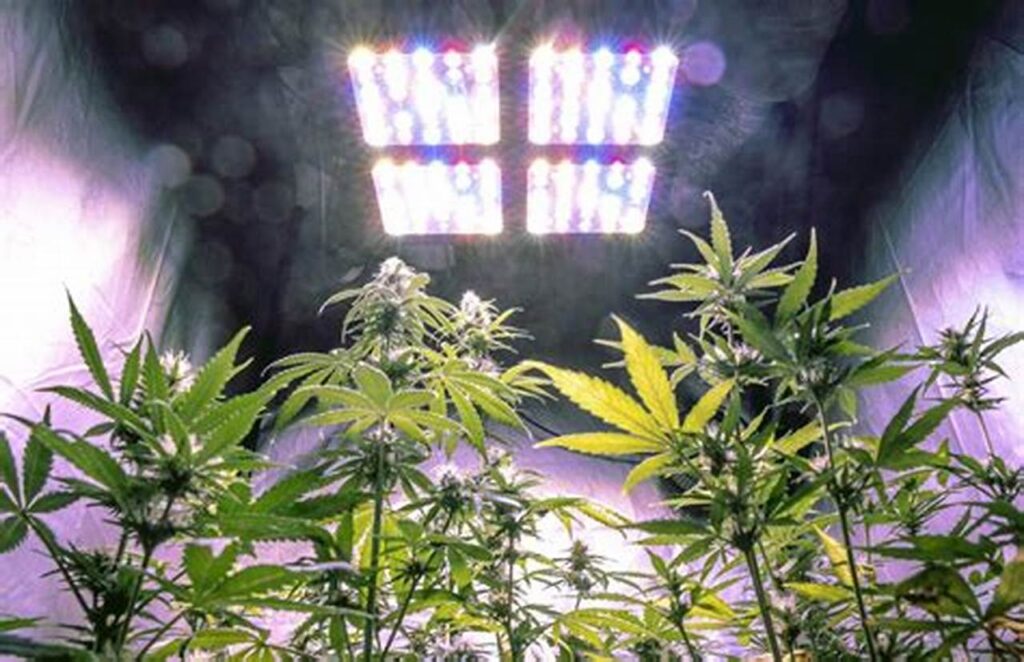
- Preferred Climate: Tembo Kush thrives in temperate to Mediterranean climates. The ideal temperature range is 70-80°F (21-27°C) during the day and no less than 60°F (15°C) at night.
- Humidity Control: During the vegetative stage, a humidity level of 50-60% is ideal, which should be reduced to 40-50% during flowering to prevent mold and mildew on dense buds.
- Indoor vs. Outdoor Cultivation:
- Indoor: Controlled environments with high-intensity lighting and regulated temperatures are recommended for consistency.
- Outdoor: Best suited for areas with warm, sunny climates and low risk of early frost.
2. Soil and Mediums
- Soil: Organic soil rich in nutrients is optimal for Tembo Kush, especially soil mixes containing bat guano, worm castings, and compost.
- Soilless Mediums: Coco coir or hydroponics systems can enhance growth rates, provided nutrient delivery is precise.
- pH Levels: Maintain a pH of 6.0-6.5 in soil and 5.5-6.0 in hydroponic systems to maximize nutrient uptake.
3. Lighting Requirements
- Vegetative Stage: Tembo Kush requires at least 18 hours of light per day during the vegetative phase. High-output LEDs or HPS lights are commonly used for indoor grows.
- Flowering Stage: To encourage flowering, switch to a 12-hour light/12-hour dark cycle. Proper light spectrum management ensures dense bud formation and higher resin production.
- Intensity: Aim for light intensity between 500-700 μmol/m²/s during flowering for maximum photosynthesis efficiency.
4. Nutrients and Feeding
- Nutritional Needs: Tembo Kush benefits from a nutrient regimen tailored to its growth stages:
- Vegetative Stage: High levels of nitrogen (N) to promote vigorous leaf and stem growth.
- Flowering Stage: Higher levels of phosphorus (P) and potassium (K) to support bud development and resin production.
- Micronutrients: Magnesium, calcium, and sulfur are crucial for optimal metabolic function and terpene synthesis.
- Feeding Schedule: Adopt a feed-water-feed schedule to prevent nutrient lockout while keeping roots hydrated.
5. Pruning and Training Techniques
- Topping: Encourages lateral growth and increases the number of main colas, leading to a more even canopy and higher yields.
- Low-Stress Training (LST): Bending stems gently improves light penetration to lower branches, enhancing overall growth and bud production.
- Defoliation: Removing excess fan leaves during flowering improves airflow and light penetration, reducing the risk of mold.
6. Pest and Disease Management
- Common Threats:
- Pests: Aphids, fungus gnats, and spider mites.
- Diseases: Powdery mildew and bud rot.
- Preventive Measures:
- Make use of helpful insects such as predatory mites or ladybugs. Aphids, fungus gnats, and spider mites.
- Maintain proper airflow with oscillating fans.
- Use organic pest control sprays like neem oil during the vegetative stage (avoid during flowering to prevent flavor alteration).
7. Flowering Period
- Duration: Tembo Kush typically flowers in 8-10 weeks indoors. Outdoor harvests are ready by late September to early October in the Northern Hemisphere.
- Signs of Maturity:
- Pistils (hairs) turn amber or reddish-brown.
- Trichomes shift from clear to cloudy or milky, with some becoming amber.
- Aromas intensify as terpenes reach peak production.
8. Harvesting and Curing
- Harvest Timing: Optimal harvesting occurs when 60-70% of trichomes are milky, balancing potency and flavor.
- Drying: Hang buds upside down in a dark, cool environment with humidity levels between 50-60% for 7-10 days.
- Curing: Place dried buds in airtight jars, opening them daily for the first week (“burping”) to prevent mold. The final product’s flavor and smoothness are improved by this technique.
9. Yield Optimization
- Indoor Yields: With optimal conditions, growers can achieve 500-600 grams/m².
- Outdoor Yields: Plants grown outdoors can produce up to 700 grams/plant under ideal conditions.
- Factors Affecting Yield: Light intensity, nutrient consistency, and pest control are critical for maximizing harvests.
Scientific Studies and Research
Tembo Kush’s cannabinoid and terpene profiles make it a subject of interest in cannabis research. Although specific studies on Tembo Kush are limited, findings from related strains and components offer insights:
Cannabinoid Research
- THC and Pain Relief: Studies have consistently demonstrated THC’s efficacy in reducing chronic pain through its interaction with CB1 receptors.
- CBD and Anxiety: Research highlights CBD’s anxiolytic properties, which can complement THC’s effects to create a balanced experience.
Terpene Studies
- Myrcene: A 2014 study published in the Journal of Ethnopharmacology confirmed myrcene’s sedative and muscle-relaxant properties.
- Limonene: Research indicates that limonene can reduce stress and elevate mood, making it a potential adjunct for managing depression.
- Caryophyllene: A unique terpene that acts as a selective CB2 receptor agonist, caryophyllene has shown potential in preclinical research for lowering pain and inflammation.
Methods of Ingestion, Onset, Duration, and Effects of Tembo Kush
Tembo Kush offers a versatile experience for both recreational and medical users, with various ingestion methods that influence its onset, duration, and effects. Here’s a detailed breakdown of its scientific aspects:
1. Methods of Ingestion
A. Smoking
- Description: Combustion of dried flowers using a joint, pipe, or bong.
- Onset: 2-5 minutes.
- Duration: 1.5-3 hours.
- Advantages:
- Immediate effects, allowing for precise dose titration.
- Terpenes are preserved, enhancing flavor and entourage effects.
- Disadvantages:
- Combustion produces harmful byproducts (e.g., tar, carbon monoxide).
- Not appropriate for people with respiratory conditions.
B. Vaping
- Description: Heating cannabis to release cannabinoids and terpenes as vapor without combustion.
- Onset: 2-5 minutes.
- Duration: 2-4 hours.
- Advantages:
- Cleaner experience with fewer respiratory irritants.
- Enhanced terpene preservation due to lower temperatures.
- Disadvantages:
- Requires specialized equipment (vape pens or vaporizers).
- May be more costly initially.
C. Edibles
- Description: Cannabis-infused food or beverages.
- Onset: 30-90 minutes (dependent on individual metabolism and stomach contents).
- Duration: 4-8 hours.
- Advantages:
- Long-lasting effects ideal for sustained symptom management.
- No respiratory impact, suitable for non-smokers.
- Disadvantages:
- Accurate dosing is challenging because of the delayed onset.
- Risk of overconsumption due to latency in effects.
D. Sublingual (Tinctures and Oils)
- Description: Cannabis extracts applied under the tongue for direct absorption into the bloodstream.
- Onset: 15-30 minutes.
- Duration: 3-5 hours.
- Advantages:
- Faster onset compared to edibles.
- Precise dosage control.
- Disadvantages:
- Limited availability in some regions.
- Some people may find the taste unpleasant.
E. Topicals
- Description: Oils, balms, or creams with cannabis added that are applied topically.
- Onset: 15-30 minutes.
- Duration: 2-6 hours (localized effects).
- Advantages:
- Ideal for localized pain and inflammation.
- Since cannabinoids don’t enter the bloodstream, they aren’t psychoactive.
- Disadvantages:
- Limited to physical relief without systemic effects.
2. Onset and Duration
The onset and duration of effects depend on the chosen method of ingestion:
| Method | Onset | Duration |
|---|---|---|
| Smoking | 2-5 minutes | 1.5-3 hours |
| Vaping | 2-5 minutes | 2-4 hours |
| Edibles | 30-90 minutes | 4-8 hours |
| Sublingual | 15-30 minutes | 3-5 hours |
| Topicals | 15-30 minutes | 2-6 hours (localized) |
3. Pharmacokinetics: Absorption and Metabolism
- Smoking and Vaping:
- THC and other cannabinoids are absorbed through the lungs and enter the bloodstream rapidly, resulting in quick effects.
- Bioavailability is approximately 30-50%, depending on inhalation technique.
- Edibles:
- Cannabinoids are metabolized in the liver, where THC is converted to 11-hydroxy-THC, a more potent metabolite with a longer half-life.
- Bioavailability is lower (4-20%) due to first-pass metabolism.
- Sublingual:
- Cannabinoids bypass the digestive system and liver, entering the bloodstream directly via the mucous membranes.
- Bioavailability is higher than edibles, around 20-35%.
- Topicals:
- Cannabinoids interact with CB2 receptors in the skin and do not reach the bloodstream, limiting effects to the applied area.
4. Effects
The effects of Tembo Kush vary based on its balanced indica-sativa properties and the chosen ingestion method.
A. Psychoactive Effects
- Onset (smoking/vaping): Initial effects include an uplifting cerebral buzz, characterized by:
- Enhanced creativity and focus.
- Mild euphoria and mood elevation.
- Peak Effects: Indica properties dominate, leading to:
- Deep relaxation and sedation.
- A sense of physical grounding and tranquility.
B. Medical Effects
- Pain Relief: Activation of CB1 and CB2 receptors helps reduce pain perception and inflammation.
- Anxiety Reduction: The calming effects of myrcene and linalool, combined with THC, reduce stress and anxiety.
- Appetite Stimulation: THC interaction with CB1 receptors enhances hunger and taste perception.
- Sleep Aid: Indica-dominant effects, driven by myrcene and THC, promote restful sleep.
C. Side Effects
Potential adverse effects include:
- Dry Mouth and Eyes: Common due to reduced salivary and tear production.
- Dizziness: More likely at high doses, especially for novice users.
- Paranoia or Anxiety: Possible in individuals sensitive to THC or when consumed in excess.
- Fatigue: Higher doses can lead to sedation.
5. Optimal Uses Based on Method
- Smoking/Vaping: Ideal for immediate relief (e.g., pain, anxiety, or creative activities).
- Edibles: Suitable for long-lasting effects (e.g., chronic pain, insomnia).
- Sublingual: Best for quick, controlled effects without smoking.
- Topicals: Effective for localized conditions like arthritis or skin inflammation.
6. Scientific Considerations for Use
- Titration: Start with a low dose and gradually increase until desired effects are achieved, especially with edibles or tinctures.
- Drug Interactions: Avoid combining with alcohol or sedatives to minimize the risk of adverse effects.
- Set and Setting: Recreational use is most enjoyable in a comfortable, stress-free environment. Medical use should prioritize consistency in dosage and timing.
- Tolerance and Dependency: Regular users may develop tolerance over time, requiring higher doses for the same effect. Periodic breaks (“tolerance resets”) can help mitigate this.
Conclusion
Tembo Kush is a versatile and well-rounded cannabis strain that caters to a wide range of users. Its balanced cannabinoid and terpene profiles make it an excellent choice for both recreational and medical applications. Whether you’re seeking relief from chronic pain, a boost in creativity, or a way to unwind after a stressful day, Tembo Kush delivers a potent and enjoyable experience. As research into cannabis continues to expand, strains like Tembo Kush will undoubtedly play a pivotal role in the therapeutic landscape, offering hope and relief to countless individuals.
For a complete directory of cultivars, visit our Cannabis Strain Reviews.
