Table of Contents
Tangie Dream Book is a cannabis strain that has captured the attention of both medical and recreational users with its intriguing genetics, exceptional terpene profile, and multifaceted effects. Known for its uplifting and creative high, this strain is a standout in the world of cannabis cultivation and consumption. Below, we provide an in-depth exploration of Tangie Dream Book, covering its lineage, appearance, aroma, flavor, and effects, as well as its medical and recreational uses and scientific considerations.
Genetics and Lineage
Tangie Dream Book is a hybrid strain with sativa-dominant characteristics. Its genetics are a cross between Tangie, a beloved citrus-forward sativa, and an undisclosed hybrid known for enhancing relaxation and creativity. Tangie’s heritage traces back to California Orange and Skunk, giving Tangie Dream Book its signature citrus aroma and sativa-like properties. The mystery parent contributes balance and depth to the high, leaning slightly toward hybrid or indica effects, making it suitable for various applications.
Genetic Highlights:
- Parent 1: Tangie (California Orange x Skunk)
- Parent 2: Unnamed Hybrid (confidential lineage)
Appearance
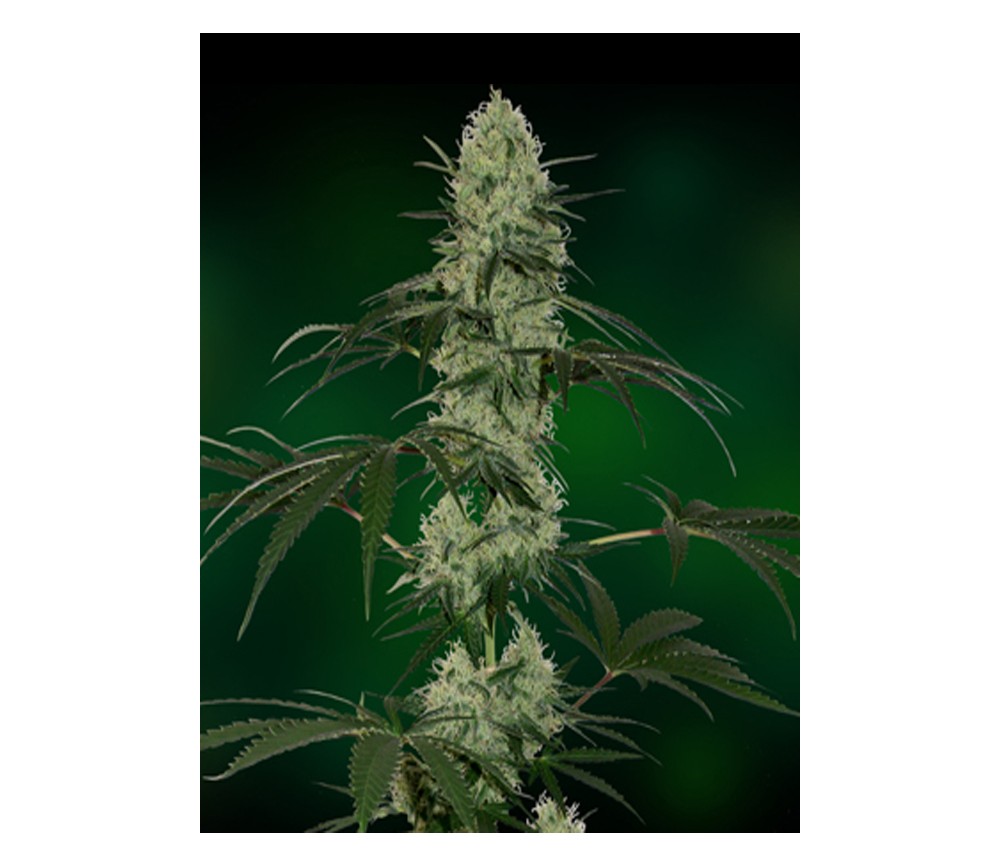
Tangie Dream Book boasts visually appealing buds that are medium to large in size, often described as dense yet fluffy. The buds are adorned with vibrant green hues interspersed with orange and amber pistils. A coating of sparkling trichomes gives the flowers a frosty, crystalline appearance, signaling high cannabinoid content.
Physical Features:
- Shape: Conical, slightly rounded
- Color: Bright green with hints of yellow
- Trichomes: Heavy resin production, giving a frosted look
- Pistils: Bright orange to amber
Aroma and Flavor Profile
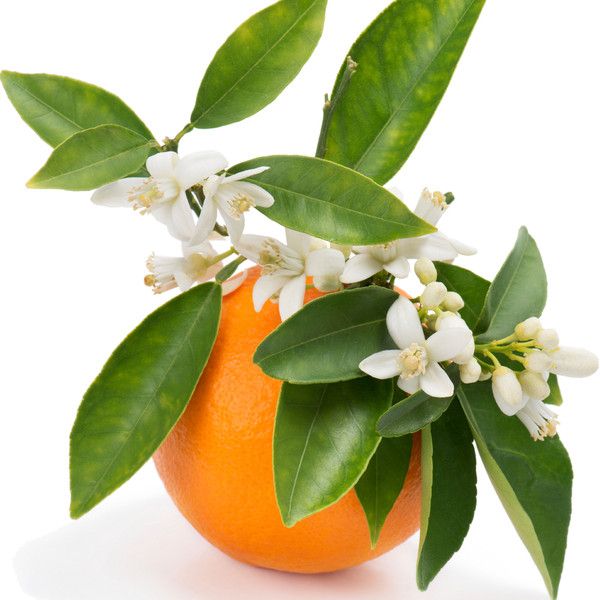
Tangie Dream Book is renowned for its potent and captivating aroma. The scent is dominated by citrus notes reminiscent of fresh tangerines and oranges, underscored by subtle herbal and floral undertones. Upon grinding, users often detect hints of earthiness and spice, adding complexity to the olfactory experience.
The flavor mirrors the aroma, delivering a burst of sweet citrus on the inhale and a smooth, herbal finish on the exhale. This strain’s terpene profile is rich and vibrant, making it a favorite among connoisseurs.
Primary Terpenes:
- Limonene: Adds to the uplifting effects and citrus scent.
- Myrcene: Adds an herbal, earthy undertone and promotes relaxation
- Caryophyllene: Brings a peppery spice and potential anti-inflammatory benefits
- Linalool: Provides floral and calming notes
Effects and Psychoactivity
Tangie Dream Book is celebrated for its well-balanced effects that lean toward the sativa spectrum. The high typically begins with an immediate cerebral uplift, characterized by enhanced mood, creativity, and focus. Users often report a burst of euphoria and energy, making it ideal for daytime use.
As the high progresses, the strain’s hybrid qualities emerge, delivering a gentle body relaxation that doesn’t overpower the mind’s clarity. This balanced effect makes Tangie Dream Book versatile for various activities, from creative pursuits to social gatherings.
Key Effects:
- Euphoric and uplifting
- Enhances focus and creativity
- Gentle body relaxation
- Mild sedation with prolonged use or higher doses
Medical Uses
Tangie Dream Book offers a range of potential therapeutic benefits due to its unique cannabinoid and terpene profile. The strain is particularly effective in managing conditions that require mood elevation, energy enhancement, or pain relief.

Psychological Conditions
- Depression and Anxiety: The uplifting and mood-boosting effects of limonene and other terpenes make Tangie Dream Book a suitable option for alleviating symptoms of mild to moderate depression and anxiety.
- Stress Relief: The calming properties of linalool and myrcene help reduce chronic stress without inducing sedation.
- ADHD and Focus Disorders: The strain’s ability to enhance focus and mental clarity can benefit individuals with attention deficit disorders.
Physical Ailments
- Chronic Pain: Caryophyllene’s anti-inflammatory properties may help alleviate mild to moderate pain, including headaches and muscle soreness.
- Fatigue: The energizing effects of this strain make it ideal for combating fatigue and lethargy.
- Appetite Stimulation: Tangie Dream Book’s cannabinoids can help stimulate appetite, making it a potential option for patients experiencing appetite loss or undergoing chemotherapy.
Neurological Disorders
- Migraines: The combination of pain relief and relaxation can be beneficial for those suffering from migraines or tension headaches.
- PTSD: The calming yet uplifting effects may help manage symptoms of post-traumatic stress disorder.
Recreational Uses
Recreational users appreciate Tangie Dream Book for its ability to enhance experiences and improve overall well-being. The strain is appropriate for a range of activities due to its well-balanced effects.
Creative Activities
Tangie Dream Book is a go-to strain for artists, writers, and musicians. Its cerebral effects encourage out-of-the-box thinking and creative problem-solving. The burst of euphoria can help overcome creative blocks and inspire new ideas.
Social Gatherings
The uplifting and mood-enhancing properties make this strain a favorite for social events. It promotes conversation and laughter without causing over-intoxication or lethargy.
Outdoor Adventures
Many users report that Tangie Dream Book pairs well with outdoor activities like hiking, biking, or simply enjoying nature. Its energizing effects keep users motivated and engaged.
Relaxation and Entertainment
Whether unwinding with a movie or diving into a video game, this strain’s balanced effects provide an enjoyable experience without inducing couch-lock.
Scientific Insights
The efficacy of Tangie Dream Book lies in its rich cannabinoid and terpene profile, which interacts synergistically to produce its distinct effects.
Cannabinoid Profile
- THC Content: Typically ranges from 18% to 24%, offering potent psychoactive effects.
- CBD Content: Low (<1%), providing minimal direct therapeutic effects but contributing to the entourage effect.
- CBG and Other Minor Cannabinoids: Trace amounts of CBG and others may enhance the strain’s anti-inflammatory and neuroprotective properties.
Terpene Science
- Limonene: Associated with mood elevation, stress relief, and potential antimicrobial properties.
- Myrcene: Known for its sedative effects and potential to enhance cannabinoid absorption.
- Caryophyllene: Uniquely binds to CB2 receptors, offering anti-inflammatory and analgesic benefits.
- Linalool: Provides calming and anti-anxiety properties.
Entourage Effect
Tangie Dream Book exemplifies the entourage effect, where cannabinoids and terpenes work together to enhance therapeutic efficacy. This synergy makes the strain highly versatile and effective for both medical and recreational users.
Scientific Studies and Implications
While specific studies on Tangie Dream Book are limited, research on its parent strains and dominant terpenes supports its potential benefits:
- Mood Disorders: Studies on limonene suggest its efficacy in reducing anxiety and elevating mood (Cannabis and Cannabinoid Research, 2020).
- Pain Management: Caryophyllene has demonstrated promise in reducing inflammation and pain in preclinical studies (European Journal of Pain, 2019).
- Focus and Cognitive Benefits: Anecdotal evidence and preliminary research suggest that sativa-dominant strains like Tangie Dream Book may enhance focus and cognitive function.
Methods of Ingestion for Tangie Dream Book
Tangie Dream Book offers versatility in consumption methods, each affecting the onset, duration, and intensity of its effects. Below is a summary of the main techniques:
1. Smoking
- How It’s Done: The dried flower is combusted and inhaled, typically using a pipe, bong, or rolled into joints/blunts.
- Onset: Within 1-3 minutes.
- Duration: Lasts 2-4 hours.
- Effects: Provides an immediate and intense experience, delivering the full flavor profile. Smoking highlights the uplifting and euphoric aspects of the strain.
- Advantages: Quick onset; easy dose control.
- Disadvantages: May irritate the throat and lungs; less discreet.
2. Vaping
How It’s Done: Uses a vaporizer to heat the flower or concentrate to a temperature that doesn’t burn and releases terpenes and cannabinoids.
Onset: 1-5 minutes.
Duration: Typically, 2-4 hours.
Effects: Produces a cleaner, smoother high with enhanced flavor. Preserves terpenes like limonene and linalool, boosting the citrus and floral profile.
Advantages: Reduced lung irritation; discreet and efficient.
Disadvantages: Requires equipment; initial cost can be high.
3. Edibles
How It’s Done: Infuses Tangie Dream Book cannabinoids into food or beverages, such as gummies, baked goods, or infused drinks.
Onset: 30-90 minutes, depending on metabolism and whether taken with food.
Duration: Effects can last 4-8 hours.
Effects: Delivers a more intense body relaxation and prolonged high. The strain hybrid effects manifest as a gradual cerebral uplift followed by full-body relaxation.
Advantages: Long-lasting effects; no lung irritation.
Disadvantages: Harder to dose precisely; delayed onset may lead to overconsumption.
4. Tinctures and Sublinguals
How It’s Done: Tangie Dream Book is processed into an alcohol or oil-based tincture, placed for absorption through the mucous membranes beneath the tongue.
Onset: 15-30 minutes.
Duration: Lasts 3-6 hours.
Effects: Delivers a balanced high with a gradual onset. Ideal for users seeking discretion and precise dosing.
Advantages: Fast absorption without smoking; precise dosage control.
Disadvantages: Taste may be off-putting for some users.
5. Concentrates (Dabbing)
How It’s Done: Uses highly potent extracts of Tangie Dream Book cannabinoids and terpenes, vaporized using a dab rig.
Onset: Immediate (1-3 minutes).
Duration: Typically, 1-3 hours.
Effects: Provides intense and rapid effects, amplifying the strain euphoric and uplifting characteristics.
Advantages: High potency; quick onset.
Disadvantages: Not ideal for beginners; requires specialized equipment.
6. Topicals
How It’s Done: Cannabinoids are infused into balms, lotions, or transdermal patches and applied directly to the skin.
Onset: 10-30 minutes.
Duration: Effects may last 2-6 hours.
Effects: Primarily localized relief without psychoactivity. Ideal for managing pain, inflammation, or skin conditions.
Advantages: No psychoactive effects; discreet and easy to use.
Disadvantages: Limited to localized relief; less effective for systemic conditions.
Scientific Information on Tangie Dream Book’s Methods of Cultivation
Cultivating Tangie Dream Book requires careful attention to its genetic traits, environmental needs, and nutrient requirements. As a sativa-dominant hybrid, it thrives under specific conditions that maximize its terpene production, cannabinoid content, and overall yield.
Optimal Environmental Conditions
| Factor | Optimal Range | Impact on Growth |
|---|---|---|
| Temperature | 70\u00b0F to 85\u00b0F (21\u00b0C to 29\u00b0C) during vegetative stage; 68\u00b0F to 78\u00b0F (20\u00b0C to 26\u00b0C) during flowering stage. | High temperatures promote growth but can degrade terpenes if excessive. Lower temperatures enhance resin production. |
| Humidity | 50-70% during vegetative stage; 40-50% during flowering. | Excess humidity can lead to mold or mildew, while too little may stunt growth. |
| Light Cycle | 18/6 (light/dark) for vegetative stage; 12/12 for flowering. | Light exposure directly influences photosynthesis, growth, and flowering. |
| Air Circulation | Moderate to strong airflow. | Prevents mold, strengthens stems, and promotes healthy development. |
Soil vs. Hydroponics
| Medium | Details | Advantages | Disadvantages |
|---|---|---|---|
| Soil | Prefers nutrient-rich, well-draining soil with a pH of 6.0-6.5. | Natural growth; enhanced terpene production due to organic nutrient profiles. | Slower growth compared to hydroponics. |
| Hydroponics | Grown in inert mediums like coco coir or rockwool with nutrient solutions. | Faster growth; precise nutrient delivery; larger yields. | Expensive setup; risk of root issues if improperly managed. |
Nutrient Requirements
| Growth Phase | Key Nutrients | Specific Needs for Tangie Dream Book |
|---|---|---|
| Seedling Stage | Nitrogen (N), Calcium (Ca), Magnesium (Mg) | Moderate nitrogen levels to support early root and leaf development. |
| Vegetative Stage | High Nitrogen (N), Moderate Phosphorus (P), Moderate Potassium (K) | Nitrogen-heavy feeding encourages robust vegetative growth and strong stems. |
| Flowering Stage | Low Nitrogen (N), High Phosphorus (P), High Potassium (K) | High phosphorus promotes flower production, while potassium supports bud density. |
| Micronutrients | Iron (Fe), Zinc (Zn), Boron (B), and Molybdenum (Mo). | Essential for enzyme activity and chlorophyll production. |
Training Techniques
| Technique | Description | Benefits | Challenges |
|---|---|---|---|
| Low-Stress Training (LST) | Gradually bending and securing branches to increase light exposure. | Maximizes light penetration; increases yield potential. | Requires consistent monitoring and adjustments. |
| Screen of Green (ScrOG) | Using a screen to train plants horizontally and maintain an even canopy. | Enhances light distribution; maximizes yield per square foot. | Needs setup and regular maintenance. |
| Topping/Fimming | Cutting the top of the plant to encourage lateral growth. | Promotes bushier plants; creates multiple colas for higher yields. | Stressful for the plant; can slow growth temporarily. |
| Defoliation | Removing excess fan leaves to improve airflow and light penetration. | Reduces risk of mold; increases bud exposure to light. | Over-defoliation can stress plants and stunt growth. |
Flowering and Harvesting
| Stage | Duration | Key Indicators | Action Steps |
|---|---|---|---|
| Pre-Flowering | 1-2 weeks after the light cycle changes to 12/12. | Appearance of pistils (white hairs) at the nodes. | Ensure adequate phosphorus and potassium levels. |
| Flowering | 8-11 weeks, depending on phenotype. | Buds swell, trichomes develop, and aroma intensifies. | Monitor temperature and humidity to avoid mold. |
| Ripening | Final 1-2 weeks of flowering. | Trichomes change from clear to cloudy or amber. | Flush nutrients and prepare for harvest. |
| Harvesting | When trichomes are mostly cloudy with some amber. | Optimal THC and terpene levels achieved. | Cut branches, trim leaves, and hang to dry. |
Drying and Curing
| Stage | Conditions | Purpose | Steps |
|---|---|---|---|
| Drying | Temperature: 60-70\u00b0F (15-21\u00b0C); Humidity: 50-60%; Duration: 7-14 days. | Removes excess moisture to prevent mold and prepare for curing. | Hang buds in a dark, well-ventilated space with consistent airflow. |
| Curing | Store in airtight jars; Temperature: 65\u00b0F (18\u00b0C); Humidity: 58-62%; Duration: 2-4 weeks. | Enhances flavor, potency, and overall quality by stabilizing cannabinoids and terpenes. | Open jars daily for the first week to release moisture (“burping”). |
Common Cultivation Challenges
| Challenge | Cause | Prevention/Treatment |
|---|---|---|
| Powdery Mildew | High humidity, poor airflow. | Maintain proper ventilation; use sulfur-based fungicides. |
| Pest Infestations | Spider mites, aphids, or whiteflies. | Introduce beneficial insects (e.g., ladybugs); use neem oil or insecticidal soaps. |
| Nutrient Deficiency | Imbalance or lack of essential nutrients. | Regularly test pH and nutrient levels; adjust feeding schedule. |
| Light Burn | Excessively strong light too close to plants. | Adjust light height; use dimmable LED lights if necessary. |
Potential Side Effects
While Tangie Dream Book offers numerous benefits, users should be aware of potential side effects:
- Dry Mouth and Eyes: Common with most cannabis strains; hydration and eye drops can help alleviate symptoms.
- Dizziness: May occur in users sensitive to THC or with low tolerance.
- Paranoia or Anxiety: Overconsumption can lead to heightened anxiety, especially in novice users.
- Sedation: Prolonged use or high doses may result in mild sedation.
Conclusion
Tangie Dream Book is a versatile and well-rounded cannabis strain that excels in both medical and recreational contexts. Its uplifting effects, balanced by gentle relaxation, make it a valuable choice for a wide range of users. The strain’s rich terpene profile, combined with its high THC content, ensures a potent and enjoyable experience.
Whether you’re seeking relief from medical conditions, a boost in creativity, or a memorable social experience, Tangie Dream Book is a strain worth exploring. With proper dosing and responsible use, it has the potential to become a staple in the cannabis community.
For a complete directory of cultivars, visit our Cannabis Strain Reviews.
