Table of Contents
Tangerine Power is a sativa-dominant hybrid cannabis strain that has gained popularity for its uplifting effects, strong citrus aroma, and medicinal benefits. This strain is a cross between Agent Orange and Blue Power, blending the energizing and euphoric properties of its sativa heritage with the calming and soothing effects of its indica lineage. Known for its unique terpene profile and potent cannabinoid content, Tangerine Power is celebrated by recreational and medical users alike.
Genetic Lineage and Composition
Parent Strains:
- Agent Orange: A sativa-dominant hybrid known for its uplifting effects and citrusy flavor profile.
- Blue Power: An indica-dominant hybrid famous for its calming properties and fruity undertones.
Genetic Ratio:
- 70% Sativa / 30% Indica
THC Content:
- Typically ranges from 18% to 25%, offering potent psychoactive effects.
CBD Content:
- Low, usually below 1%, making this strain more suited for recreational use or conditions that respond to THC-dominant strains.
Terpene Profile:
- Limonene: Dominates the profile, contributing to the citrusy aroma and uplifting effects.
- Myrcene: Adds a subtle earthy and herbal undertone, enhancing relaxation.
- Pinene: Provides a refreshing pine scent and may support mental clarity.
- Caryophyllene: Has potential anti-inflammatory qualities and a spicy kick.
Appearance and Aroma
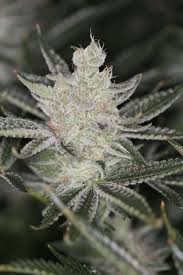
Appearance:
- Buds of Tangerine Power are dense, medium to large in size, and display a vibrant green color with orange pistils. A generous coating of trichomes gives the flowers a frosty appearance, indicative of its high potency.
Aroma:
- True to its name, Tangerine Power exudes a powerful citrus scent reminiscent of freshly peeled tangerines. Subtle earthy and spicy notes balance the sharp citrus aroma, making it both refreshing and complex.

Flavor:
- The taste profile is dominated by sweet, tangy citrus with hints of tropical fruit and a slightly herbal aftertaste.
Recreational Uses
Tangerine Power is a favorite among recreational users for its energizing and mood-enhancing effects. Below are some of its key recreational attributes:
1. Energy Boost:
- The sativa dominance of this strain provides a surge of energy, making it an excellent choice for daytime use or social activities.
- Users report feeling a sense of motivation and drive, ideal for creative pursuits or physical activities like hiking and dancing.
2. Mood Elevation:
- Tangerine Power is known for its euphoric effects, helping users feel uplifted and positive.
- It’s often used to enhance social interactions, as it can induce laughter and reduce social anxiety.
3. Sensory Enhancement:
- The strain can heighten sensory perception, making music, art, and food more enjoyable.
- Its flavor profile also enhances the experience for connoisseurs who enjoy citrus-forward strains.
4. Focus and Clarity:
- In moderate doses, the limonene and pinene content may enhance focus and mental clarity, making it suitable for tasks requiring attention and creativity.
Medical Applications
Tangerine Power’s unique cannabinoid and terpene profile make it effective for managing various medical conditions. While not as high in CBD as some strains, its THC content and terpenes provide significant therapeutic potential.

1. Mental Health Support:
- Depression:
- The uplifting and euphoric effects can alleviate symptoms of depression by boosting mood and promoting a sense of well-being.
- Anxiety:
- While effective in low to moderate doses for reducing stress and anxiety, higher doses may induce paranoia in sensitive individuals.
- PTSD:
- Its mood-stabilizing properties may benefit individuals managing post-traumatic stress disorder.
2. Chronic Pain Relief:
- The presence of caryophyllene may contribute to anti-inflammatory and analgesic effects, making Tangerine Power useful for ailments like muscle spasms, migraines, and arthritis.
- It’s particularly effective for daytime pain relief, as it doesn’t cause heavy sedation.
3. Appetite Stimulation:
- Like many THC-dominant strains, Tangerine Power can stimulate appetite, making it beneficial for individuals with diseases such as eating disorders, HIV/AIDS, or cancer.
4. Fatigue:
- Its energizing effects help combat fatigue, making it a suitable option for individuals with chronic fatigue syndrome or those recovering from illnesses.
5. Headache and Migraine Relief:
- The strain’s relaxing and mildly analgesic properties can help alleviate headaches and migraines.
Scientific Insights
Cannabinoid Synergy:
Tangerine Power’s high THC content works in synergy with its terpene profile to produce a range of effects. For instance:
- Limonene enhances the mood-lifting and stress-relieving properties of THC.
- Caryophyllene interacts with CB2 receptors in the endocannabinoid system, offering potential anti-inflammatory benefits.
Terpenes and Aromatherapy:
- Limonene, a dominant terpene in this strain, is often studied for its role in reducing stress and enhancing mood through interaction with serotonin receptors.
- Pinene may enhance cognitive function and improve airflow in the respiratory system, making it useful for those with mild asthma or respiratory issues.
THC and Neuroprotection:
- Preliminary studies suggest that THC can act as a neuroprotectant, potentially benefiting conditions like Alzheimer’s and Parkinson’s disease. Tangerine Power’s cannabinoid content could be explored further for such applications.
Cultivation Information
Growing Difficulty:
- Intermediate: Tangerine Power is moderately challenging to grow and requires careful attention to environmental conditions.
Climate Preferences:
- Thrives in a Mediterranean-like climate with plenty of sunlight and consistent temperatures.
Growth Characteristics:
- Height: Medium to tall.
- Yield: High, with outdoor plants producing up to 16 ounces per plant and indoor setups, production of about 14 ounces per square meter.
- Flowering Time: Late September to early October outside; 8–9 weeks indoors.
Advanced Cultivation Techniques for Tangerine Power
1. Optimizing Light Conditions:
- Light Spectrum: During the vegetative stage, a blue spectrum (400-500 nm) promotes leafy growth, while the flowering stage benefits from red light (620-750 nm) to enhance bud development.
- Intensity: Maintain a light intensity of 600-1000 PPFD (Photosynthetic Photon Flux Density) for optimal photosynthesis.
- Photoperiod: For indoor growth, use an 18/6 light cycle (18 hours of light, 6 hours of darkness) during the vegetative phase and switch to 12/12 for flowering.
2. Managing Nutrients:
- Macronutrients:
- Nitrogen (N): Crucial during the vegetative stage for leafy growth.
- Phosphorus (P): Essential for flowering and root growth.
- Potassium (K): Promotes bud density and the general health of the plant.
- Micronutrients: Ensure adequate levels of calcium, magnesium, and sulfur to prevent deficiencies.
- pH Levels: Maintain a soil pH of 6.0-6.5 or a hydroponic pH of 5.5-6.0 for nutrient uptake.
3. Environmental Control:
- Temperature: Vegetative stage: 70-85°F (21-29°C). Flowering stage: 65-80°F (18-26°C). Steer clear of temperature swings to avoid stress.
- Humidity: Vegetative stage: 50-70% RH (Relative Humidity). Flowering stage: 40-50% RH to reduce the risk of mold.
- CO2 Levels: Enriching CO2 up to 1200-1500 ppm can boost growth and yield, especially in sealed grow environments.
4. Soil vs. Hydroponics:
- Soil Cultivation: Offers a forgiving medium with natural buffering capacity. Use nutrient-rich organic soil for best results.
- Hydroponics: Provides faster growth and higher yields. Systems like Deep Water Culture (DWC) or Ebb and Flow are suitable for Tangerine Power.
5. Pruning and Training:
- Topping: Encourages lateral growth, increasing the number of colas.
- Low-Stress Training (LST): Bending and tying branches maximize light exposure and airflow.
- Defoliation: Remove excess leaves to focus energy on bud production and improve airflow.
Scientific Insights into Pest and Disease Management
1. Common Pests:
- Spider Mites: Small arachnids that suck plant sap. Use neem oil or predatory insects like ladybugs.
- Aphids: Sap-sucking insects that weaken plants. Treat with insecticidal soap or introduce parasitic wasps.
- Fungus Gnats: Affect root health. Employ sticky traps and maintain dry topsoil.
2. Disease Prevention:
- Powdery Mildew: Prevent by ensuring proper airflow and maintaining low humidity.\n- Root Rot: Common in overwatered conditions. Use well-draining soil and avoid waterlogging.\n- Bud Rot (Botrytis): Keep humidity below 50% during flowering and inspect buds regularly.
3. Biocontrols and Organic Methods:
- Incorporate beneficial microbes like mycorrhizal fungi to enhance nutrient uptake and root health.\n- Use natural repellents like garlic or chrysanthemum extracts to deter pests.
Yield Optimization Techniques
1. Trellising and Support Structures:
- Use SCROG (Screen of Green) techniques to evenly distribute plant growth and maximize canopy light penetration.
2. Harvest Timing:
- Monitor trichomes under a magnifying lens. Harvest when they transition from clear to milky with a hint of amber for optimal potency and effects.
3. Post-Harvest Handling:
- Drying: Maintain 60-70°F and 50-60% humidity to preserve terpenes and cannabinoids.
- Curing: Store dried buds in airtight containers, burping them daily for 2-4 weeks to enhance flavor and potency.
Methods of Ingestion, Onset, Duration, and Effects of Tangerine Power
Methods of Ingestion
The method of ingestion significantly impacts the effects, onset time, and duration of Tangerine Power’s effects. Here are the primary methods:

- Smoking:
- Method: The most traditional form involves rolling the flower in a joint, using a pipe, or smoking through a bong.
- Onset: 1-3 minutes.
- Duration: Lasts 1.5 to 3 hours.
- Effects: Provides rapid onset, delivering the uplifting and energizing effects almost immediately.
- Vaporizing:
- Method: Using a vaporizer to heat the cannabis flower or concentrate to a temperature that releases cannabinoids and terpenes without combustion.
- Onset: 1-3 minutes.
- Duration: 1.5 to 3 hours.
- Effects: Similar to smoking but often described as smoother and more flavorful, preserving Tangerine Power’s citrus-forward terpene profile.
- Edibles:
- Method: Infusing Tangerine Power into food or drink, or consuming pre-made edibles like gummies, cookies, or tinctures.
- Onset: 30-90 minutes, depending on individual metabolism and whether the edible is taken on an empty stomach.
- Duration: 4-8 hours, with some lingering effects up to 12 hours.
- Effects: A slower, more gradual onset with stronger and longer-lasting effects compared to smoking or vaping. Suitable for those seeking prolonged therapeutic benefits.
- Tinctures and Oils:
- Method: Sublingual application by placing drops under the tongue for rapid absorption into the bloodstream.
- Onset: 15-30 minutes.
- Duration: 2-6 hours.
- Effects: Balanced and steady effects with moderate potency; useful for medical patients needing precise dosing.
- Topicals:
- Method: Applying cannabis-infused creams, balms, or patches directly to the skin.
- Onset: 15-45 minutes.
- Duration: 2-4 hours.
- Effects: Localized relief from pain or inflammation without psychoactive effects, as THC doesn’t typically enter the bloodstream through topical application.
Onset and Duration by Ingestion Method
- Smoking/Vaping: Rapid onset and shorter duration (1.5-3 hours), suitable for quick relief or immediate recreational effects.
- Edibles: Delayed onset but longer duration (4-8+ hours), ideal for sustained therapeutic effects.
- Tinctures: Intermediate onset and duration (15-30 minutes, lasting 2-6 hours), offering a balanced option between smoking and edibles.
Effects
The effects of Tangerine Power can vary depending on dosage, individual tolerance, and method of ingestion. Here is a comprehensive breakdown of its typical effects:
- Physical Effects:
- Energizing: As a sativa-dominant strain, Tangerine Power provides a noticeable energy boost, making it excellent for daytime use.
- Mild Relaxation: The indica influence offers subtle body relaxation without sedation, ideal for users seeking relief without a couch-lock effect.
- Cognitive and Emotional Effects:
- Mood Elevation: Promotes happiness, euphoria, and reduced stress, making it effective for combating depression and anxiety in low doses.
- Focus and Creativity: Users report heightened mental clarity and an increase in creative thinking, often attributed to its terpene profile (limonene and pinene).
- Sensory Effects:
- Enhances sensory perception, intensifying the enjoyment of music, art, and food.
- The citrus-dominant terpene profile makes its aroma and flavor highly pleasurable, further elevating the sensory experience.
- Therapeutic Effects:
- Pain Relief: Effective for mild to moderate pain due to its THC content and caryophyllene interaction with CB2 receptors.
- Stress Reduction: Provides a calming effect while maintaining alertness, beneficial for managing daily stressors.
Scientific Insights on Onset and Effects
- THC Absorption: Inhalation delivers THC directly to the lungs, where it enters the bloodstream rapidly, explaining the near-instant effects. In contrast, edibles undergo first-pass metabolism in the liver, converting THC into 11-hydroxy-THC, which is more potent and longer-lasting.
- Terpene Influence: Limonene enhances mood and reduces anxiety through interaction with serotonin receptors, while pinene may counteract short-term memory loss sometimes associated with THC.
- Duration of Effects: Higher doses or slower methods of ingestion (like edibles) result in prolonged effects due to the gradual release and metabolism of cannabinoids.
Potential Side Effects
While Tangerine Power is generally well-tolerated, it’s essential to be mindful of potential side effects, especially at higher doses.
Common Side Effects:
- Dry Mouth and Eyes: Users often report cottonmouth and mild eye dryness.
- Paranoia or Anxiety: High doses may exacerbate anxiety or induce paranoia in sensitive individuals.
- Dizziness: Some users experience mild dizziness, particularly if they are new to cannabis.
Comparisons with Similar Strains
Tangerine Power vs. Tangie:
- While both strains share a citrus-forward flavor, Tangie leans more towards pure sativa effects, whereas Tangerine Power offers a balanced experience with some indica relaxation.
Tangerine Power vs. Agent Orange:
- Agent Orange provides a similar uplifting experience but lacks the indica-derived calming effects found in Tangerine Power.
Tangerine Power vs. Blue Dream:
- Blue Dream is slightly less energizing but provides more pronounced pain relief and relaxation, making it better suited for evening use.
Conclusion
Tangerine Power is a versatile cannabis strain that offers an exceptional balance of uplifting and calming effects. Its energizing properties make it ideal for recreational users seeking a daytime pick-me-up, while its therapeutic benefits provide relief for various medical conditions. With its unique combination of potent cannabinoids, flavorful terpenes, and impressive genetics, Tangerine Power remains one of the most popular among cannabis users.
Whether you’re a medical patient looking for natural symptom relief or a recreational user seeking a flavorful and energizing experience, Tangerine Power delivers on all fronts. Its complex aroma, potent effects, and wide-ranging benefits make it a strain worth exploring for seasoned and novice users alike.
For a complete directory of cultivars, visit our Cannabis Strain Reviews.
