Table of Contents
Tangerine Kush is an indica-dominant hybrid cannabis strain cherished for its sweet citrus aroma, relaxing effects, and potential therapeutic benefits. This strain has gained significant popularity among both medical and recreational cannabis users due to its distinct flavor profile, potent effects, and versatility in addressing various ailments.
Genetic Lineage and Background
Tangerine Kush is the result of crossing two iconic cannabis strains:
- Tangerine Haze
- Pure Kush
The parent strain, Tangerine Haze, contributes its signature sweet and tangy citrus flavor, while the Kush lineage adds the characteristic indica-dominant effects of relaxation and sedation. This genetic combination results in a strain that provides a balanced experience, suitable for users looking for both medical relief and recreational enjoyment.
Tangerine Kush typically boasts a THC content ranging from 18% to 22%, making it a moderately potent strain. It also contains trace amounts of CBD (around 0.2% to 0.5%), which may subtly increase the entourage effect’s medicinal benefits.
Appearance and Aroma
Appearance:
The buds of Tangerine Kush are dense, medium-sized, and have a vibrant green hue. They are often speckled with orange pistils and a thick coating of frosty trichomes, giving the strain a sparkling appearance. This resin-rich quality makes it an excellent choice for cannabis concentrates.
Aroma:
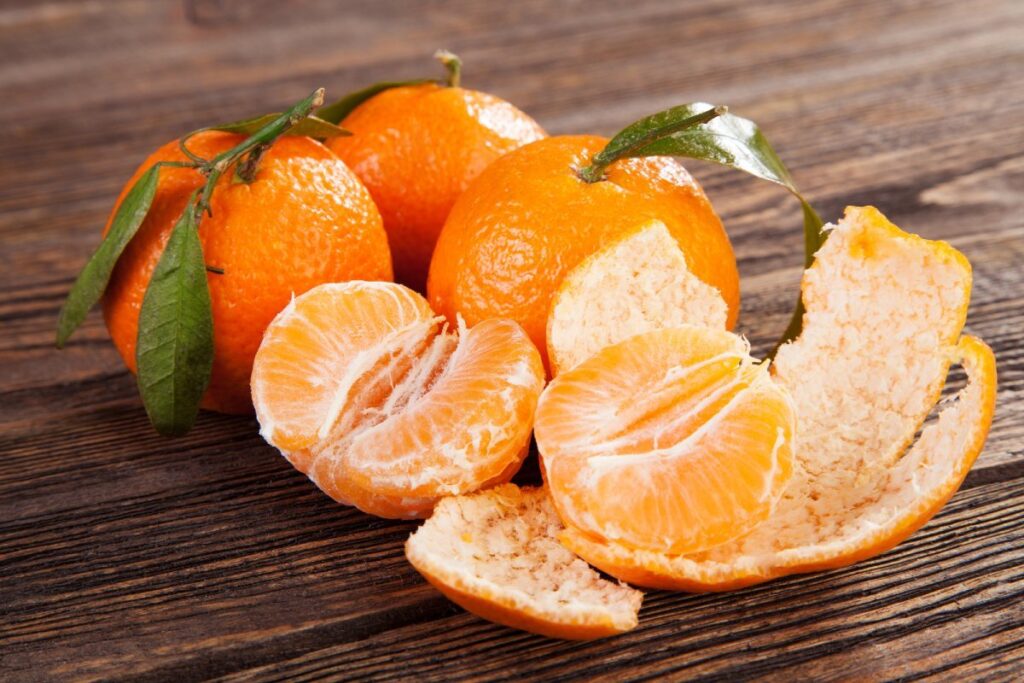
Tangerine Kush is renowned for its unmistakable aroma profile. The primary scent is sweet and citrusy, reminiscent of freshly peeled tangerines. Subtle undertones of earthy pine and herbal spiciness add complexity, making it an aromatic delight for cannabis connoisseurs.
Flavor:
On inhalation, Tangerine Kush delivers a burst of tangy citrus flavor, complemented by hints of sweetness and earthiness. The exhale leaves a lingering, slightly spicy aftertaste, enhancing the overall sensory experience.
Cannabinoid and Terpene Profile
Cannabinoids:
- THC: 18%-22%
- CBD: 0.2%-0.5%
- CBG: Up to 1%
- Minor Cannabinoids: Trace amounts of CBC, THCV, and others
Terpenes:
Terpenes play a crucial role in defining the aroma, flavor, and therapeutic effects of Tangerine Kush. The dominant terpenes in this strain include:
- Myrcene: Known for its sedative and muscle-relaxing properties, myrcene is the primary terpene in Tangerine Kush. It also contributes to the strain’s earthy undertones.
- Limonene: Responsible for the citrus aroma, limonene is associated with mood elevation and stress relief.
- Caryophyllene: This terpene adds a spicy, peppery note and may provide anti-inflammatory benefits.
- Pinene: A subtle presence of pinene enhances focus and provides a refreshing pine scent.
Effects and Recreational Uses
Tangerine Kush’s effects are primarily indica-driven, making it an excellent choice for relaxation and unwinding after a long day. Its high begins with a gentle cerebral uplift, followed by a soothing body high that melts away tension and stress.
Onset and Duration:
- Onset: 10-15 minutes after consumption
- Peak Effects: 45-60 minutes
- Duration: 2-3 hours
Recreational Uses:
- Relaxation: Tangerine Kush’s calming effects make it ideal for evening use or lounging at home. It’s perfect for unwinding without becoming overly sedated.
- Socializing: The mild euphoria and mood-enhancing properties can make social interactions more enjoyable and stress-free.
- Creative Activities: While not overly stimulating, Tangerine Kush’s initial cerebral effects can enhance creativity and provide inspiration for artistic endeavors.
- Sleep Aid: In higher doses, the strain’s sedative qualities may help users drift into a deep and restful sleep.
Medical Benefits
Tangerine Kush has a wide range of potential therapeutic applications, making it a versatile option for medical cannabis patients. Its combination of cannabinoids and terpenes offers relief from various physical and mental health conditions.
Physical Benefits:
- Chronic Pain Relief: The strain’s analgesic properties help alleviate pain caused by conditions such as arthritis, fibromyalgia, and migraines.
- Muscle Relaxation: Tangerine Kush’s high myrcene content aids in reducing muscle spasms and tension.
- Anti-Inflammatory Effects: Caryophyllene and other terpenes contribute to its potential as an anti-inflammatory agent, benefiting diseases like multiple sclerosis and Crohn’s disease.
- Nausea and Appetite Stimulation: The strain may help combat nausea and stimulate appetite, making it suitable for patients undergoing chemotherapy or suffering from eating disorders.
Mental Health Benefits:

- Stress Reduction: Tangerine Kush’s relaxing effects and uplifting euphoria make it effective in reducing stress and anxiety.
- Depression Relief: The mood-enhancing properties of limonene can provide temporary relief from depressive symptoms.
- Insomnia Treatment: Due to its sedative effects, Tangerine Kush is a popular choice for patients struggling with sleep disorders.
Scientific Insights and Research
Research on Tangerine Kush specifically is limited; however, studies on its dominant cannabinoids and terpenes provide insight into its potential effects.
Cannabinoid Research:
- THC: Studies indicate that THC interacts with the endocannabinoid system to modulate pain, mood, and appetite. It is also associated with neuroprotective properties.
- CBD: While present in small amounts, CBD may enhance THC’s therapeutic effects and counteract some of its psychoactive side effects.
- CBG: Emerging research suggests CBG may have antibacterial, anti-inflammatory, and neuroprotective properties.
Terpene Research:
- Myrcene: Known for its sedative effects, myrcene enhances the permeability of the blood-brain barrier, potentially intensifying THC’s effects.
- Limonene: Research indicates limonene has anxiolytic and antidepressant properties, supporting its use for mental health conditions.
- Caryophyllene: As a dietary cannabinoid, caryophyllene binds directly to CB2 receptors, contributing to its anti-inflammatory effects.
- Pinene: Pinene may improve focus and memory while mitigating some of THC’s adverse effects, such as short-term memory impairment.
Methods of Ingestion and Their Effects
Smoking:
- Onset: 2-5 minutes
- Duration: 1-2 hours
- Advantages: Provides rapid relief and allows users to experience the full flavor and aroma of Tangerine Kush. Smoking is a traditional and widely used method for its immediate effects.
Vaporization:
- Onset: 1-3 minutes
- Duration: 1.5-2 hours
- Advantages: Vaporization heats the cannabis without combustion, preserving the terpene profile for a more flavorful experience and reducing exposure to harmful byproducts.
Edibles:
- Onset: 30-90 minutes
- Duration: 4-8 hours
- Advantages: Ideal for prolonged relief from chronic conditions. Edibles convert THC into 11-hydroxy-THC in the liver, resulting in a more potent and long-lasting effect. However, dosage control is critical to avoid overconsumption.
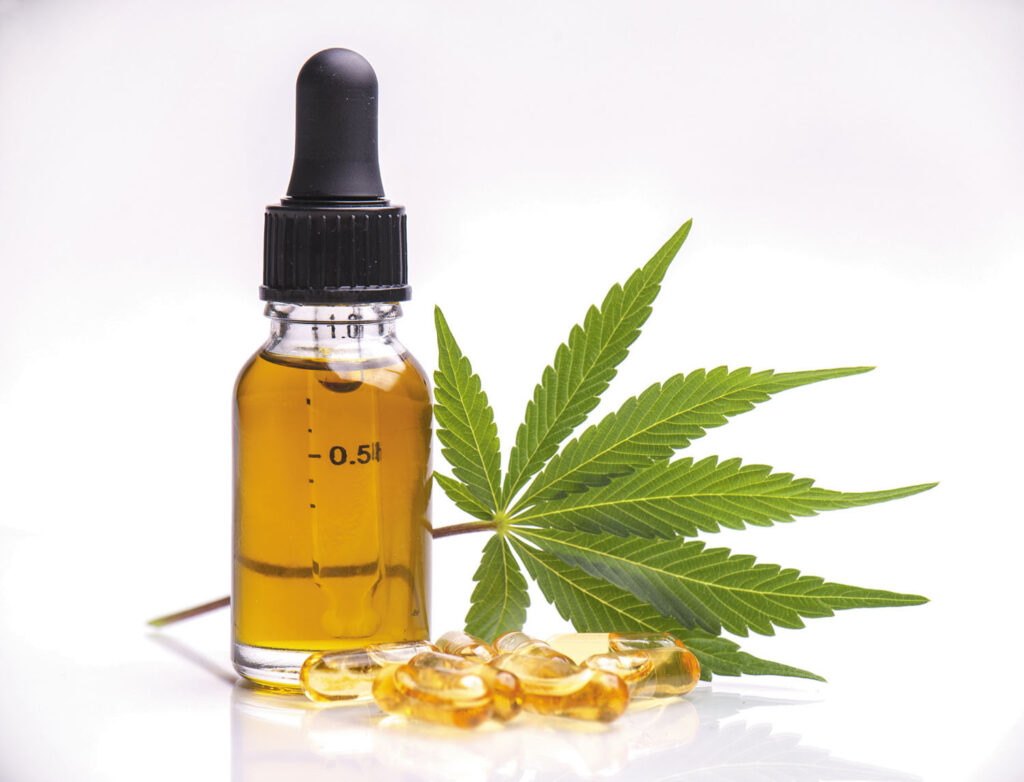
Tinctures and Oils:
- Onset: 15-45 minutes (sublingual administration)
- Duration: 2-4 hours
- Advantages: Tinctures offer a discreet and controlled method of ingestion, with effects appearing faster when held under the tongue compared to swallowing.
Concentrates (e.g., wax, shatter, oils):
- Onset: 2-5 minutes
- Duration: 1-2 hours
- Advantages: Highly potent and efficient. Concentrates deliver higher doses of cannabinoids and terpenes, making them suitable for experienced users seeking immediate relief.
Cultivation Techniques for Tangerine Kush
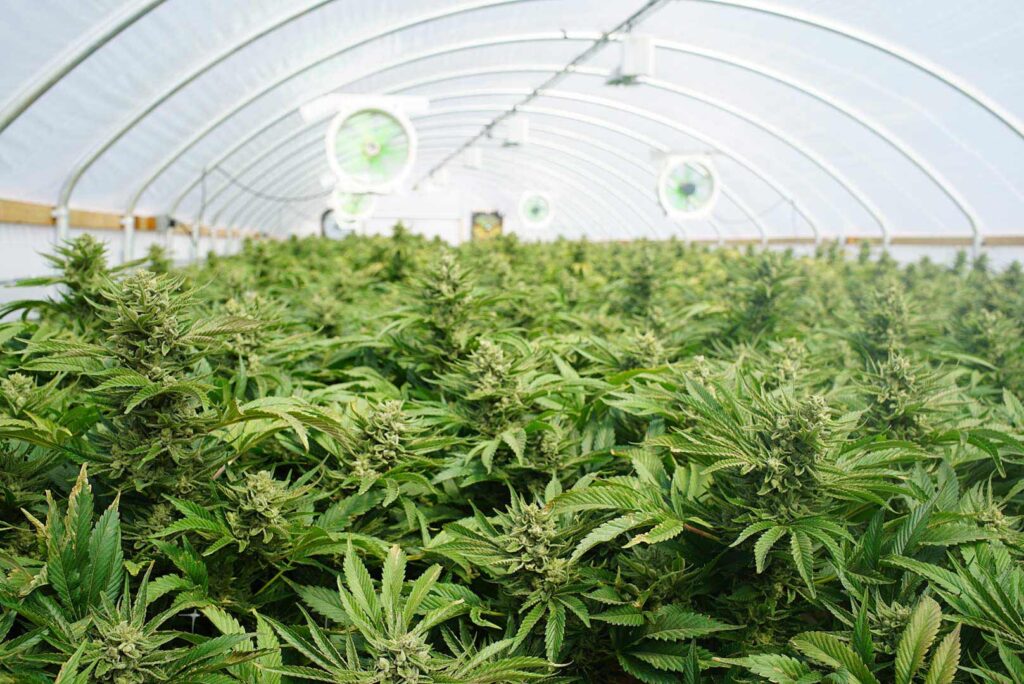
Soil Optimization for Superior Growth
The choice of soil greatly impacts the overall yield and terpene profile of Tangerine Kush. Optimal soil management focuses on achieving a nutrient-rich and aerated environment to support healthy root development and robust growth.
- Preferred Soil Type: Organic, loamy soil enriched with compost or worm castings. These materials improve nutrient availability and water retention while maintaining proper aeration.
- pH Levels: Maintain a slightly acidic soil pH between 6.0-6.8 to ensure optimal nutrient absorption. Adjust pH levels with lime (to increase) or sulfur (to decrease) as needed.
- Additives and Amendments: Incorporate natural soil amendments like bat guano, bone meal, and kelp meal to boost nitrogen, phosphorus, and potassium levels. These macronutrients are essential during the vegetative and flowering phases.
Nutrient Regimen and Feeding Schedules
Tangerine Kush demands specific nutrient concentrations during each stage of growth. Overfeeding or underfeeding can stunt growth or reduce yield.
- Vegetative Stage:
- Nitrogen-heavy fertilizers are crucial for vigorous foliage and stem development.
- Micronutrients such as magnesium, calcium, and iron support enzymatic activities and photosynthesis.
- Ideal feeding frequency: Every 7-10 days, with regular flushing to prevent nutrient lockout.
- Flowering Stage:
- Transition to phosphorus-rich and potassium-dominant nutrients to encourage dense, resinous bud formation.
- Avoid excessive nitrogen, as it may lead to elongated growth and reduced flower production.
- Use blooming stimulants containing sulfur and magnesium to enhance terpene profiles.
Lighting and Photoperiods
Light exposure directly influences the growth rate and bud quality of Tangerine Kush. While it thrives in both natural and artificial light, managing photoperiods is critical.
- Indoor Lighting: Full-spectrum LED lights offer precise control over light intensity and spectrum, mimicking natural sunlight. Use blue light (400-500 nm) for vegetative growth and red light (620-750 nm) for flowering.
- Photoperiod Management: During the vegetative phase, maintain an 18/6 light/dark cycle. Transition to a 12/12 schedule during flowering to trigger bud development.
- Outdoor Growth: Plant in regions with consistent sunlight and minimal temperature fluctuations. Ensure at least 8 hours of direct sunlight daily.
Temperature and Humidity Control
Tangerine Kush thrives in a stable environment with precise temperature and humidity regulation. Fluctuations can stress plants, reducing yields and potency.
- Temperature: Maintain daytime temperatures between 70-85°F (21-29°C) and nighttime temperatures no lower than 65°F (18°C).
- Humidity Levels:
- Vegetative Stage: 50-70% relative humidity to support robust growth.
- Flowering Stage: Gradually reduce to 40-50% to prevent mold and mildew on the buds.
- Ventilation: Use oscillating fans or exhaust systems to improve airflow and minimize humidity pockets, especially in dense canopies.
Advanced Training Techniques
Implementing advanced training techniques can significantly enhance light penetration, airflow, and overall yields.
- Low-Stress Training (LST): Bend and tie down branches to create an even canopy, maximizing light exposure to lower nodes.
- Topping and FIMing: Remove the top growth point to encourage the development of multiple colas, increasing yield potential.
- Screen of Green (SCROG): Spread branches through a horizontal screen, optimizing space and light distribution.
- Defoliation: Prune excess foliage to improve airflow and redirect plant energy to bud production.
Yield Expectations
Under optimal conditions, Tangerine Kush provides impressive yields for both indoor and outdoor cultivation:
- Indoor Yields: 14-16 ounces per square meter with consistent lighting and nutrient management.
- Outdoor Yields: 16-18 ounces per plant in regions with ample sunlight and low humidity.
Pest and Disease Prevention
Tangerine Kush is naturally resistant to many pests and diseases but still requires proactive management to ensure plant health.
- Pests: Use neem oil sprays or introduce beneficial insects such as ladybugs and predatory mites to combat aphids, spider mites, and thrips.
- Diseases: Prevent powdery mildew and root rot by maintaining proper humidity levels, adequate drainage, and good airflow.
- Soil Sterilization: Before planting, sterilize soil with heat or natural fungicides to eliminate harmful pathogens.
Harvest Timing and Techniques
The timing of the harvest is crucial for achieving Tangerine Kush’s peak potency and flavor.
- Trichome Monitoring: To examine trichomes, use a microscope or magnifying glass. Harvest when trichomes are mostly cloudy with some amber for a balanced effect.
- Harvest Timing: Outdoor plants are typically ready in late September to early October, depending on local climate conditions.
- Flushing Period: Discontinue nutrient feeding 1-2 weeks before harvest and water with pH-neutral water to remove excess salts.
Drying and Curing Process
Proper drying and curing enhance Tangerine Kush’s terpene profile, cannabinoid potency, and shelf life.
- Drying:
- Hang trimmed buds in a dark, well-ventilated space at 50-60% humidity and 65-75°F.
- Depending on the environment, drying usually takes 7–10 days.
- Curing:
- Dried buds should be kept in a cold, dark location in sealed jars.
- Open jars daily during the first two weeks to release moisture and prevent mold.
- Continue curing for at least 4-6 weeks for optimal flavor and potency.
By adhering to these advanced cultivation techniques, growers can ensure that Tangerine Kush achieves its full potential, producing high-quality buds with exceptional flavor, aroma, and effects.
User Reviews and Testimonials
Users often praise Tangerine Kush for its pleasant aroma, potent effects, and versatility. Commonly reported experiences include:
- Relaxation and Stress Relief: Many users highlight its ability to induce a state of calm and tranquility.
- Flavorful Experience: The sweet citrus flavor is frequently described as one of its standout features.
- Effective Pain Relief: Medical users report significant relief from chronic pain and muscle tension.
Precautions and Side Effects
While Tangerine Kush is well-tolerated by most users, it can cause some side effects, especially in higher doses. These include:
- Dry Mouth and Eyes: Staying hydrated can help alleviate these common side effects.
- Dizziness or Paranoia: Overconsumption may lead to dizziness or anxiety in sensitive individuals.
- Sedation: Higher doses can cause excessive drowsiness, making it unsuitable for daytime use.
Conclusion
Tangerine Kush is a versatile and flavorful cannabis strain that offers a balanced mix of recreational enjoyment and therapeutic relief. Its combination of sweet citrus flavor, potent effects, and diverse medical applications makes it favored by both patients and cannabis aficionados. Whether you’re seeking relaxation, pain relief, or a boost in mood, Tangerine Kush provides a well-rounded cannabis experience.
With its unique profile and growing popularity, Tangerine Kush continues to solidify its reputation as a must-try strain for both novice and experienced users.
For a complete directory of cultivars, visit our Cannabis Strain Reviews.
