Table of Contents
Tangerine Haze is a well-known Sativa-dominant hybrid cannabis strain, celebrated for its uplifting and euphoric effects. It has gained popularity among both recreational and medical users due to its distinctive citrus aroma, potent cerebral effects, and potential therapeutic applications. Tangerine Haze is a cross between G13 Haze and New York City Diesel, which contributes to its unique combination of energizing and mildly relaxing properties.
Genetic Background
Tangerine Haze is a hybrid strain with a strong Sativa dominance, typically exhibiting 70% Sativa and 30% Indica characteristics. The genetic lineage from G13 Haze provides a robust Haze-like effect, known for mental stimulation, while NYC Diesel imparts citrus terpenes and a slight body relaxation component.
Phenotypic Characteristics
- Appearance: Buds are medium to large in size, fluffy yet dense, covered in a thick layer of trichomes, and display hues of deep green with occasional orange pistils.
- Aroma: As its name suggests, Tangerine Haze is renowned for its distinct sweet tangerine and citrus aroma, often accompanied by subtle undertones of pine and spice.
- Flavor: The flavor profile mirrors its aroma, offering a burst of tangy citrus with hints of sweetness, making it a favorite among users who enjoy fruity strains.
- THC Content: Typically ranges between 18-22%, making it a moderately high-THC strain suitable for experienced users.
- CBD Content: Very low, generally below 1%, making it less effective for conditions requiring high CBD levels.
Recreational Uses
1. Euphoria and Mood Elevation
Tangerine Haze is known for its ability to elevate mood and induce a sense of happiness and well-being. Users often report a burst of creativity and mental clarity, making it a preferred option for social connections or artistic pursuits.

2. Energy and Focus
Due to its Sativa dominance, Tangerine Haze provides a boost in energy and focus, making it an ideal daytime strain. Many users consume Tangerine Haze in the morning or early afternoon to enhance productivity, combat fatigue, and maintain motivation.
3. Sensory Enhancement
The terpenes in Tangerine Haze contribute to heightened sensory experiences. Users often report enhanced appreciation for music, art, and food, making it an excellent strain for social events and artistic endeavors.
4. Mild Relaxation without Sedation
Although it is a Sativa-leaning strain, the Indica lineage provides mild relaxation, allowing users to experience stress relief without feeling overly sedated. This balance makes it suitable for various activities, including outdoor adventures, gaming, and socializing.
Medical Applications
1. Depression and Anxiety Relief
Tangerine Haze is commonly recommended for individuals dealing with depression and anxiety disorders. The uplifting effects can help counter negative thought patterns and promote a more positive outlook. However, due to its high THC content, individuals prone to THC-induced paranoia should use it in moderation.

2. Chronic Fatigue Management
Patients suffering from chronic fatigue syndrome (CFS) or general exhaustion may benefit from the energizing effects of Tangerine Haze. Unlike Indica strains, which can cause sedation, Tangerine Haze provides an alert and invigorated mental state.
3. Pain and Inflammation Relief
While Tangerine Haze not as potent as Indica strains for pain relief, Tangerine Haze has mild analgesic properties that can help alleviate headaches, migraines, and mild chronic pain. Its anti-inflammatory properties may also assist with conditions such as arthritis and muscle soreness.
4. Appetite Stimulation
Users experiencing loss of appetite due to medical conditions or treatments like chemotherapy may benefit from Tangerine Haze’s ability to stimulate hunger. The strain’s citrus terpenes may also aid digestion.
5. ADHD and ADD Support
Some anecdotal evidence suggests that Tangerine Haze may assist individuals with attention deficit disorders (ADHD/ADD) by enhancing focus and mental clarity, allowing better engagement in tasks without the sedative effects of some pharmaceutical alternatives.
Terpene Profile and Scientific Insights
1. Limonene – Dominant Terpene
- Aroma & Flavor: Citrus, tangerine, and lemon zest
- Effects: Uplifting, stress-relieving, mood-enhancing
- Medical Benefits: Known for anti-anxiety and antidepressant properties, also supports digestive health
2. Myrcene
- Aroma & Flavor: Earthy, herbal, slightly musky
- Effects: Mild relaxation, potential sedative properties
- Medical Benefits: Anti-inflammatory, mild analgesic effects
3. Caryophyllene
- Aroma & Flavor: Spicy, peppery, woody
- Effects: Stress relief, anti-inflammatory properties
- Medical Benefits: May help with pain relief and gastrointestinal conditions
4. Pinene
- Aroma & Flavor: Pine, earthy, slightly floral
- Effects: Enhances focus, counteracts THC-induced short-term memory loss
- Medical Benefits: Bronchodilator properties, may assist individuals with asthma
5. Terpinolene
- Aroma & Flavor: Sweet, floral, herbal
- Effects: Energizing, uplifting, slightly sedative in high doses
- Medical Benefits: Antioxidant and potential neuroprotective properties
Potential Side Effects
1. Dry Mouth and Dry Eyes
The most commonly reported side effects of Tangerine Haze include cottonmouth (xerostomia) and dry eyes. Using eye drops and staying hydrated can help lessen these effects.
2. Paranoia and Anxiety (High Doses)
Individuals who are sensitive to THC-induced anxiety should consume Tangerine Haze in small doses, as excessive intake may lead to feelings of paranoia.
3. Mild Dizziness
Some users report experiencing dizziness, particularly if they are new to high-THC strains such as Tangerine Haze or consume it on an empty stomach.
Cultivation Information
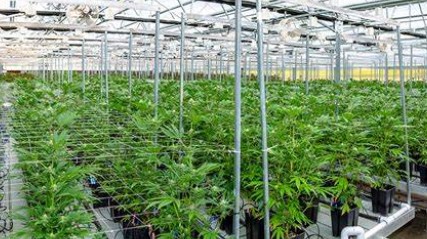
Cultivating Tangerine Haze requires specific scientific techniques to maximize yield, potency, and terpene profile. Below is a detailed breakdown of modern scientific methods used to grow high-quality Tangerine Haze.
Methods of Ingestion and Their Pharmacokinetics
A. Inhalation (Smoking and Vaporization)
Mechanism:
- When inhaled, THC and other cannabinoids enter the bloodstream via the alveoli in the lungs, avoiding the liver’s first-pass metabolism.
- This allows for rapid absorption and high bioavailability (~30-50% of cannabinoids reach systemic circulation).
Onset and Duration:
| Factor | Smoking | Vaporization |
|---|---|---|
| Onset Time | 1-5 minutes | 1-3 minutes |
| Peak Effects | 15-30 minutes | 10-20 minutes |
| Total Duration | 2-4 hours | 1.5-3 hours |
| Bioavailability | 30-35% | 45-50% |
- Vaporization (Vaping) vs. Smoking:
- Vaporization is more efficient since it heats cannabis without combustion, preserving terpenes and cannabinoids.
- Smoking (combustion) at higher temperatures (~800°C) degrades some cannabinoids and introduces carcinogens.
Scientific Considerations:
- Temperature control in vaping affects the effects:
- Low temps (160-180°C): Preserves terpenes → More flavorful, mild effects.
- Medium temps (180-200°C): Maximizes THC activation → Balanced high.
- High temps (200-220°C): Increases CBN production → More sedative effects.
B. Oral Intake (Tinctures, Capsules, and Edibles)
Mechanism:
- THC undergoes hepatic first-pass metabolism, converting into 11-hydroxy-THC (11-OH-THC) in the liver.
- 11-OH-THC is more potent and longer-lasting than THC due to higher lipid solubility, allowing deeper brain penetration.
Onset and Duration:
| Factor | Edibles & Capsules | Tinctures (Sublingual) |
|---|---|---|
| Onset Time | 30-90 minutes | 15-45 minutes |
| Peak Effects | 2-3 hours | 30-90 minutes |
| Total Duration | 6-12 hours | 3-6 hours |
| Bioavailability | 4-12% | 20-35% |
- Why Edibles Last Longer:
- Liver metabolism extends THC’s half-life, producing a stronger and more sedative high.
- Fat-soluble THC is slowly released over time in the bloodstream.
- Tinctures (Sublingual Absorption)
- Absorbed directly into the bloodstream via the oral mucosa.
- Bypasses the liver, leading to a faster onset but shorter duration than edibles.
Scientific Considerations:
- Fat-Based Infusion Increases Bioavailability:
- THC binds to lipids (fats); consuming edibles of Tangerine Haze with high-fat foods (e.g., coconut oil, MCT oil) increases absorption.
- Genetic Factors Affect THC Metabolism:
- CYP2C9 enzyme variations impact THC metabolism, leading to different onset and duration effects among individuals.
C. Transdermal Patches
Mechanism:
- Uses lipophilic THC delivery through the skin and into systemic circulation over several hours.
- Bypasses first-pass metabolism, allowing for consistent dosing.
Onset and Duration:
| Factor | Transdermal Patches |
|---|---|
| Onset Time | 30-90 minutes |
| Peak Effects | 2-4 hours |
| Total Duration | 8-12 hours |
| Bioavailability | 30-50% |
- Best Used for: Chronic pain management and sustained relief without intoxication.
- Scientific Considerations: THC needs carrier molecules (like ethanol or lipophilic enhancers) to pass the skin barrier effectively.
D. Nasal and Buccal Administration (Sprays and Inhalers)
Mechanism:
- Absorbed directly through the mucous membranes in the nose or mouth, allowing for rapid onset without significant liver metabolism.
Onset and Duration:
| Factor | Nasal/Buccal Sprays |
|---|---|
| Onset Time | 5-15 minutes |
| Peak Effects | 20-40 minutes |
| Total Duration | 2-4 hours |
| Bioavailability | 34-46% |
- Used in medical applications for fast-acting relief from nausea, pain, and anxiety.
Factors Affecting Onset and Duration
A. Metabolism and Genetics
- CYP2C9 Enzyme Variability: Individuals with slow metabolism (CYP2C9*3 allele) experience longer and stronger THC effects.
- Body Fat Percentage:
- THC is lipophilic, meaning it stores in fat cells.
- Individuals with higher fat content may experience longer THC clearance times.
B. Terpene Interactions
- Limonene: Enhances mood and alertness.
- Myrcene: Increases sedation and relaxation.
- Caryophyllene: Interacts with CB2 receptors, providing anti-inflammatory effects.
C. Tolerance and Sensitivity
- Frequent cannabis users develop tolerance due to CB1 receptor downregulation.
- THC microdosing (1-2mg doses) can prevent tolerance buildup while still providing therapeutic effects.
Summary: Comparing Onset, Peak, and Duration
| Ingestion Method | Onset Time | Peak Effects | Duration | Bioavailability |
|---|---|---|---|---|
| Smoking | 1-5 min | 15-30 min | 2-4 hours | 30-35% |
| Vaporization | 1-3 min | 10-20 min | 1.5-3 hours | 45-50% |
| Edibles | 30-90 min | 2-3 hours | 6-12 hours | 4-12% |
| Tinctures (Sublingual) | 15-45 min | 30-90 min | 3-6 hours | 20-35% |
| Transdermal Patches | 30-90 min | 2-4 hours | 8-12 hours | 30-50% |
| Nasal Sprays | 5-15 min | 20-40 min | 2-4 hours | 34-46% |
1. Genetic Selection and Propagation
- Seed Selection: Choosing high-quality feminized seeds of Tangerine Haze or clones ensures genetic consistency.
- Cloning: Tissue culture propagation (micropropagation) is an advanced method used to create genetically identical, pathogen-free plants.
- Genetic Testing: Modern breeders use genetic screening to detect optimal phenotypes with high THC content, terpene profiles, and resistance to diseases.
2. Optimizing Growth Conditions
A. Light Management (Photoperiod Control)
- Indoor Cultivation:
- Vegetative Phase: 18-24 hours of light per day using high-intensity LED or HID lights (PPFD: 600-900 µmol/m²/s).
- Flowering Phase: 12 hours of light per day to trigger flowering.
- Spectrum: Full-spectrum LED lights (blue light in veg, red light in flowering) optimize cannabinoid synthesis.
- Outdoor Cultivation:
- Requires 10-12 hours of direct sunlight daily.
- Best grown in Mediterranean climates with consistent temperatures of 22-28°C (72-82°F).
B. Temperature and Humidity Control
| Growth Stage | Temperature | Humidity Level |
|---|---|---|
| Seedling | 22-26°C (72-78°F) | 65-75% RH |
| Vegetative | 24-28°C (75-82°F) | 50-70% RH |
| Flowering | 22-26°C (72-78°F) | 40-50% RH |
| Late Flowering | 18-24°C (64-75°F) | 30-40% RH |
- CO₂ Enrichment: Supplementing with 1200-1500 ppm CO₂ increases photosynthesis, promoting higher THC production.
- Vapor Pressure Deficit (VPD): Maintaining optimal VPD (0.8-1.2 kPa) helps improve nutrient uptake and growth efficiency.
3. Advanced Nutrient and Soil Science
A. Soil vs. Hydroponics
- Soil-Based Growing:
- Uses organic living soil with beneficial mycorrhizal fungi and microbes to enhance nutrient absorption.
- Ideal pH: 6.0-6.5 for soil.
- Hydroponics (Deep Water Culture, NFT, or Aeroponics):
- Faster growth due to direct nutrient availability.
- Ideal pH: 5.5-6.0.
- Uses precise EC (Electrical Conductivity) levels of 1.5-2.5 mS/cm.
- Common nutrient solution: Nitrogen (N), Phosphorus (P), Potassium (K), Magnesium (Mg), Calcium (Ca), and micronutrients.
B. Organic vs. Synthetic Fertilization
- Organic: Compost teas, bat guano, kelp meal, and worm castings improve terpene expression.
- Synthetic: Hydroponic nutrient solutions (General Hydroponics Flora Series, Advanced Nutrients, etc.) provide controlled feeding.
- Foliar Feeding: Spraying calcium and magnesium solutions on leaves improves uptake and prevents deficiencies.
4. Pruning, Training, and Canopy Management
- Low-Stress Training (LST): Increases light exposure to lower bud sites, maximizing yield.
- High-Stress Training (HST): Techniques like topping and supercropping promote bushier growth.
- SCROG (Screen of Green): Uses netting to optimize light penetration and canopy uniformity.
- Defoliation: Removes excess fan leaves for improved airflow and reduced risk of mold.
5. Flowering and Terpene Preservation
- Flowering Time: 9-11 weeks for full maturation.
- UVB Light Exposure: Using UVB light during the last 3 weeks of flowering increases trichome production, boosting THC and terpene levels.
- Flushing (Final 2 Weeks): Using pure water or mild-flushing agents removes excess nutrients, improving flavor.
- Harvest Timing: Monitored using trichome color:
- Clear trichomes: Immature.
- Cloudy trichomes: Peak THC potency.
- Amber trichomes: More sedative effects.
6. Post-Harvest Science
A. Drying and Curing
- Drying Conditions:
- 60°F (15°C), 60% humidity.
- Dried for 7-14 days in darkness.
- Curing Process:
- Stored in glass jars at 62% RH for 4-8 weeks.
- Burping jars releases excess moisture and prevents mold growth.
- Slow curing enhances terpene retention and smoothness.
7. Pest and Disease Management
| Pest/Disease | Prevention/Treatment |
|---|---|
| Spider Mites | Neem oil, predatory mites |
| Powdery Mildew | Proper airflow, sulfur foliar sprays |
| Aphids | Ladybugs, insecticidal soap |
| Root Rot | Beneficial microbes, hydroponic oxygenation |
| Thrips | Sticky traps, spinosad spray |
- Integrated Pest Management (IPM): Uses biological controls (predatory insects) and organic sprays (Neem, insecticidal soap) to reduce chemical pesticide reliance.
8. Yield Optimization and Scientific Data
- Average Indoor Yield: 400-500g/m².
- Average Outdoor Yield: 500-600g per plant.
- Scientific Methods for Yield Enhancement:
- Controlled CO₂ injection improves growth rates by 20-30%.
- Blue and red spectrum LED lighting increases trichome production.
- Deep Water Culture (DWC) hydroponics leads to 30-40% faster growth than soil.
Conclusion
Tangerine Haze is a versatile cannabis strain that combines energizing effects with a unique citrus profile, making it ideal for recreational and medical use. Its ability to enhance mood, focus, and energy makes it a preferred choice for creative and active users, while its therapeutic benefits make it a valuable option for individuals struggling with depression, anxiety, pain, and fatigue. However, due to its potency and potential side effects, users should dose carefully and consider their tolerance levels.
Whether used for its euphoric cerebral effects or its therapeutic properties, Tangerine Haze remains a sought-after strain in the cannabis community, particularly among those who appreciate flavorful and uplifting experiences.
For a complete directory of cultivars, visit our Cannabis Strain Reviews.
