Table of Contents
Tangerine Dream is a renowned cannabis strain celebrated for its balanced effects, citrusy aroma, and versatility in medical and recreational applications. Bred by Barney’s Farm, this strain has gained significant popularity among cannabis enthusiasts and medical users alike due to its unique genetic profile, potent effects, and therapeutic potential. This document provides an in-depth look at Tangerine Dream, covering its origins, genetic composition, chemical profile, medical benefits, recreational uses, and scientific background.
Origins and Genetics
Tangerine Dream is a hybrid strain with a complex lineage. It is the result of crossing three iconic strains:
- G13: Known for its potent indica effects and mysterious origins, G13 contributes to Tangerine Dream’s relaxing properties.
- Afghani: A classic indica strain, Afghani adds to the strain’s robust physical relaxation and earthy undertones.
- Neville’s Haze: A legendary sativa strain, Neville’s Haze imparts uplifting and cerebral effects, along with a spicy, citrus aroma.
The resulting hybrid is slightly sativa-dominant, with a genetic composition that typically leans 60% sativa and 40% indica. This balance provides a harmonious blend of physical relaxation and mental stimulation, making Tangerine Dream a versatile strain for various purposes.
Appearance, Aroma, and Flavor
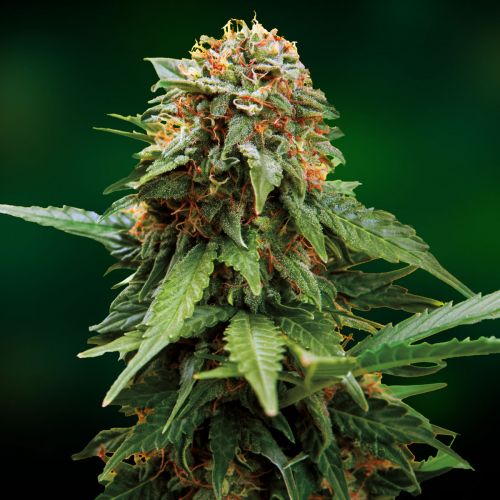
Appearance:
Tangerine Dream is visually striking, with dense, medium-sized buds that are vibrant green, interspersed with fiery orange pistils. A generous coating of trichomes gives the buds a frosty, crystalline appearance, indicative of their potency.
Aroma:
As its name suggests, Tangerine Dream has a dominant citrus aroma reminiscent of freshly peeled tangerines. The scent is complemented by subtle earthy and sweet undertones, creating a refreshing and invigorating olfactory experience.
Flavor:
The flavor profile mirrors its aroma, offering a burst of citrus on the inhale, followed by a smooth, sweet finish with hints of earthiness. This makes Tangerine Dream a favorite among users who appreciate flavorful cannabis strains.

Chemical Profile
The chemical composition of Tangerine Dream contributes to its unique effects and therapeutic potential. Its primary components include:
Cannabinoids:
- THC: Tangerine Dream typically contains THC levels ranging from 17% to 22%, making it moderately potent. This level of THC provides a balanced high that is neither overwhelming nor too mild.
- CBD: With CBD levels around 1-2%, Tangerine Dream offers mild therapeutic benefits without inducing a heavy sedative effect. The presence of CBD also helps modulate the psychoactive effects of THC.
Terpenes:
Terpenes play a crucial role in shaping Tangerine Dream’s effects and aroma. Key terpenes include:
- Myrcene: Responsible for the strain’s earthy undertones and relaxing properties.
- Limonene: Contributes to the energizing effects and zesty scent.
- Caryophyllene: Provides anti-inflammatory properties and adds a spicy, peppery taste.
Effects
Tangerine Dream is celebrated for its balanced effects, which make it suitable for a wide range of users. Its sativa dominance ensures an uplifting and energizing cerebral high, while its indica traits provide soothing physical relaxation.
Onset:
The effects of Tangerine Dream typically begin with a rush of euphoria and mental clarity. Users often report heightened focus, creativity, and a sense of well-being.
Duration:
The high is long-lasting, with the cerebral effects gradually transitioning into a gentle body relaxation. This progression makes it ideal for daytime use, as it doesn’t typically lead to sedation unless consumed in large quantities.
Side Effects:
Like most cannabis strains, Tangerine Dream may cause mild side effects such as dry mouth, dry eyes, and occasional dizziness. These effects are generally well-tolerated and can be managed with proper hydration and dosage control.
Medical Uses
Tangerine Dream’s balanced effects and diverse chemical profile make it a valuable option for medical cannabis patients. Below is a detailed exploration of its potential therapeutic applications:
1. Pain Relief:
The strain’s moderate THC levels and caryophyllene content provide effective pain relief without excessive sedation. It is particularly useful for managing chronic pain conditions, including:
- Arthritis
- Migraines
- Muscle spasms
2. Stress and Anxiety Reduction:
Tangerine Dream’s uplifting and euphoric effects help alleviate stress and anxiety, making it a popular choice for individuals with:
- Generalized Anxiety Disorder (GAD)
- Post-Traumatic Stress Disorder (PTSD)
- Chronic stress
3. Depression:
The energizing and mood-enhancing properties of Tangerine Dream make it beneficial for combating symptoms of depression. Its ability to promote focus and creativity can also help users overcome motivational blocks.
4. Fatigue:
Thanks to its sativa-driven energy boost, Tangerine Dream is effective in combating fatigue. It provides a gentle but sustained increase in energy levels without the jitteriness associated with caffeine or stimulants.
5. Appetite Stimulation:
This strain may help stimulate appetite, making it suitable for patients dealing with:
- Appetite loss brought on by chemotherapy or other medical procedures
- Eating disorders such as anorexia
6. Inflammation:
The anti-inflammatory properties of caryophyllene make Tangerine Dream a potential option for conditions like:
- Inflammatory Bowel Disease (IBD)
- Fibromyalgia
- Autoimmune disorders
Recreational Uses
Tangerine Dream’s balanced high and vibrant flavor profile make it a favorite among recreational users. These are a few typical recreational uses:
1. Social Settings:
The strain’s uplifting and euphoric effects make it ideal for social gatherings. It encourages conversation, laughter, and a sense of connection without causing paranoia or overstimulation.
2. Creative Activities:
Artists, writers, and musicians often use Tangerine Dream to enhance creativity and focus. Its cerebral effects help users think outside the box and stay engaged in their creative pursuits.
3. Daytime Use:
Unlike many indica-heavy strains, Tangerine Dream’s energizing properties make it suitable for daytime use. It’s a great choice for activities like hiking, yoga, or exploring new hobbies.
4. Relaxation:
While it’s energizing in smaller doses, higher doses of Tangerine Dream can induce a pleasant level of relaxation, which makes it ideal for settling down after a demanding day.
Scientific Insights
Tangerine Dream’s effects and therapeutic potential can be better understood through its interaction with the endocannabinoid system (ECS). This system, present in all humans, regulates various physiological processes, including mood, pain perception, and immune response.

1. THC and CB1 Receptors:
THC, the primary psychoactive compound in Tangerine Dream, binds to CB1 receptors in the brain. This interaction results in the euphoric and mood-enhancing effects that the strain is known for.
2. CBD and Modulation of THC:
Although CBD levels in Tangerine Dream are relatively low, they play a crucial role in modulating THC’s effects. CBD interacts with CB1 and CB2 receptors, reducing the likelihood of anxiety or paranoia associated with high-THC strains.
3. Terpene Synergy:
The entourage effect is a phenomenon in which terpenes and cannabinoids cooperate to intensify one another’s effects, is particularly evident in Tangerine Dream. For example:
- Limonene’s uplifting properties complement THC’s euphoria.
- Myrcene enhances relaxation and sedation, balancing the strain’s energizing effects.
4. Potential for Neuroprotection:
Preliminary research suggests that cannabinoids like THC and CBD may have neuroprotective properties. This could make Tangerine Dream a candidate for further study in conditions like Alzheimer’s disease and Parkinson’s disease.
Scientific Cultivation Insights for Tangerine Dream
Genetics and Growth Characteristics:
- Strain Type: Sativa-dominant hybrid.
- Lineage: Cross between G13, Afghani, and Neville’s Haze.
- Growth Traits: Medium height with sturdy branches, ideal for indoor and outdoor growing environments.
Optimal Growing Environment:
- Temperature:
- Ideal range: 68°F to 80°F (20°C to 27°C).
- Resilient to moderate fluctuations but performs best in stable environments.
- Humidity Levels:
- Vegetative stage: 55%-70% relative humidity (RH).
- Flowering stage: 40%-50% RH to prevent mold in dense colas.
- Late flowering: Reduce to 30%-40% RH to maximize resin production.
- Light Requirements:
- Indoor: Full-spectrum LED lights or high-pressure sodium (HPS) lights (600-1000W).
- Outdoor: Thrives in sunny, Mediterranean-like climates.
Soil and Nutrient Needs:
- Soil: Well-draining, nutrient-rich soil with a pH range of 6.0-6.5.
- Nutrients:
- Vegetative stage: High nitrogen (N), calcium, and magnesium.
- Flowering stage: Increased phosphorus (P) and potassium (K).
- Supplements like kelp or molasses enhance terpene development.
Watering Techniques:
- Maintain consistent cycles, letting the soil dry slightly between sessions.
- Water pH: 5.8-6.5 for optimal nutrient absorption.
- Avoid overwatering during late flowering to enhance flavor and potency.
Pruning and Training:
- Pruning: Remove lower leaves for airflow; trim excess foliage to direct energy to bud production.
- Training: Techniques like Low-Stress Training (LST) or Screen of Green (ScrOG) can maximize yields and light exposure.
Pest and Disease Management:
- Common Pests: Spider mites, aphids and whiteflies.
- Prevention: Use neem oil or insecticidal soaps; maintain ventilation.
- Mold/Disease: Ensure proper humidity and airflow to prevent powdery mildew and bud rot.
Harvesting:
- Monitor trichome color with a magnifying glass:
- Clear trichomes: Immature.
- Milky trichomes: Peak THC levels.
- Amber trichomes: More relaxing effects.
- Harvest window: 8-10 weeks after flowering begins.
Post-Harvest Processing:
- Drying: 60°F-70°F (15°C-21°C) with 50%-60% RH for 7-14 days.
- Curing: Store in airtight jars, opening daily for the first week to release moisture. Cure for 3-8 weeks to optimize flavor and potency.
Yields:
- Indoor: ~500 grams per square meter.
- Outdoor: ~600 grams per plant under optimal conditions.
Consumer Insights
Popularity:
Tangerine Dream has consistently ranked among the top cannabis strains due to its unique combination of effects, flavor, and therapeutic potential. It is particularly popular in regions with legalized cannabis markets, such as the United States, Canada, and parts of Europe.
Ideal For:
- Individuals seeking a balanced high.
- Medical patients looking for pain relief and mood enhancement.
- Recreational users who enjoy flavorful and versatile strains.
Conclusion
Tangerine Dream is a standout cannabis strain that offers the best of both worlds: a balanced high that combines mental clarity with physical relaxation, and a delightful flavor profile that appeals to a wide range of users. Its therapeutic potential makes it a valuable option for medical patients, while its recreational appeal ensures its place as a favorite among cannabis enthusiasts.
Whether you’re seeking relief from chronic pain, a boost in creativity, or simply a flavorful and enjoyable cannabis experience, Tangerine Dream is a strain that delivers on all fronts. Its rich genetic lineage, balanced effects, and diverse applications underscore its status as a modern cannabis classic.
For a complete directory of cultivars, visit our Cannabis Strain Reviews.
