Table of Contents

Tahoe OG is a legendary cannabis strain that stands as a quintessential example of premium-quality indica-dominant hybrids. Renowned for its powerful effects and rich lineage, Tahoe OG is a favorite among both recreational and medical cannabis users. This strain combines the best characteristics of its OG Kush heritage, offering a potent, relaxing high with complex flavor and aroma profiles. In this guide, we will explore the origins, effects, medical and recreational uses, and the scientific aspects of Tahoe OG, providing a detailed analysis for cannabis enthusiasts and professionals alike.
Origins and Lineage
Tahoe OG was first bred in the Lake Tahoe region of California, which gave the strain its name. It is a phenotype of the world-famous OG Kush strain. The genetics of Tahoe OG are indica-dominant, typically comprising about 90% indica and 10% sativa. This genetic makeup is a key factor in its powerful sedative effects and its ability to induce deep relaxation.
- Parent Strain: OG Kush
- Phenotype: Tahoe OG is a unique expression of OG Kush, bred for its distinct characteristics, such as enhanced potency and a terpene profile tailored for relaxation.
- Breeder: Tahoe OG was popularized by the breeder “Ganja Guru” and has since been cultivated and refined by multiple growers worldwide.
Appearance, Aroma, and Flavor
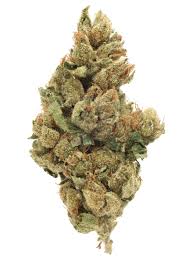
Appearance:
- Buds: Dense, chunky, and tightly packed buds typical of indica-dominant strains.
- Color: Bright green hues interspersed with deep orange pistils and a thick layer of frosty trichomes, which give it a glossy, resinous look.
- Texture: Sticky to the touch due to its high resin content, ideal for making concentrates and extracts.
Aroma:
Tahoe OG’s aroma is robust and complex, combining earthy, citrus, and pine scents. The scent profile often features:
- Earthiness: A grounding, natural aroma that evokes fresh soil.
- Citrus: Zesty lemon notes that add a refreshing sharpness.
- Pine: A classic OG Kush characteristic, reminiscent of a dense forest.
Flavor:
The flavor of Tahoe OG is just as sophisticated as its aroma, delivering a smooth and rich smoking or vaping experience. Key flavor notes include:
- Lemon: A sharp citrus tang that lingers on the palate.
- Spice: Subtle herbal and peppery undertones.
- Pine: A crisp, refreshing pine flavor that enhances its earthy profile.
Cannabinoid and Terpene Profile
Cannabinoids:
- THC Content: Tahoe OG typically boasts THC levels ranging between 18% and 22%, with some high-potency phenotypes reaching up to 25%.
- CBD Content: Low CBD content, usually below 1%, making it less suitable for users seeking non-psychoactive relief.
- Other Cannabinoids: Trace amounts of CBG and CBC contribute to the strain’s therapeutic effects.
Terpenes:
Terpenes play a significant role in Tahoe OG’s effects and sensory profile. Dominant terpenes include:
- Myrcene: Known for its sedative properties, contributing to Tahoe OG’s relaxing effects.
- Limonene: Provides the citrus aroma and may enhance mood and stress relief.
- Caryophyllene: Has a spicy flavor and anti-inflammatory properties.
- Pinene: Adds the pine scent and may improve focus and respiratory function.
Effects and Experience
Recreational Effects:
Tahoe OG is renowned for its powerful and long-lasting effects, making it a go-to choice for experienced users seeking a deep, relaxing high. Key recreational effects include:
- Relaxation: A deeply calming sensation that soothes both body and mind.
- Euphoria: Initial feelings of happiness and upliftment.
- Sedation: As the high progresses, users often experience a tranquil, almost couch-locking effect.
- Creativity: For some, the initial cerebral high may inspire creativity before the sedative effects take over.
- Hunger: Like many potent indicas, Tahoe OG is known to stimulate appetite, often referred to as the “munchies.”
Medical Benefits:
Tahoe OG’s therapeutic properties make it highly valuable for patients managing various conditions. Its effects address both physical and mental ailments, including:

- Chronic Pain: The high THC content and presence of caryophyllene make Tahoe OG effective in alleviating pain caused by conditions such as arthritis, fibromyalgia, and migraines.
- Insomnia: Its sedative properties are ideal for individuals struggling with sleep disorders or difficulty falling asleep.
- Anxiety and Stress: The combination of limonene and myrcene helps reduce stress and anxiety, promoting a sense of calm.
- Appetite Stimulation: Useful for patients undergoing chemotherapy or dealing with eating disorders.
- Muscle Spasms: The strain’s relaxing properties are beneficial for reducing muscle tension and spasms.
- PTSD and Depression: Tahoe OG’s euphoric and mood-lifting effects can help patients with PTSD or depressive symptoms find relief.
Scientific Insights
Mechanism of Action:
Tahoe OG’s effects are primarily driven by its interaction with the endocannabinoid system (ECS). The high THC content binds to CB1 receptors in the brain, leading to psychoactive effects such as euphoria and relaxation. Simultaneously, the terpenes interact synergistically with cannabinoids, enhancing the entourage effect.
- Myrcene: Enhances the permeability of cell membranes, allowing THC to cross the blood-brain barrier more efficiently, which may explain the strain’s quick onset.
- Limonene: May increase serotonin and dopamine levels, contributing to its mood-lifting properties.
- Caryophyllene: Binds to CB2 receptors, providing anti-inflammatory effects without psychoactivity.
Pharmacokinetics:
- Onset Time: Effects typically begin within 5–10 minutes of smoking or vaping.
- Duration: The high lasts for 2–4 hours, with lingering sedative effects that can extend up to 6 hours in some users.
- Absorption: High bioavailability when inhaled, with a rapid peak in plasma THC levels.
Potential Side Effects:
- Dry Mouth: Commonly reported due to reduced saliva production.
- Dry Eyes: A frequent side effect, especially among new users.
- Dizziness: Can occur in users with low THC tolerance.
- Paranoia: Rare but possible in individuals prone to anxiety or when consumed in high doses.
- Couch-Lock: Due to its potent indica effects, users should avoid tasks requiring focus or physical activity.
Cultivation of Tahoe OG Cannabis Strain
Cultivating Tahoe OG, like any high-quality cannabis strain, requires a comprehensive understanding of its genetic traits, environmental needs, and biological growth patterns. Below is an in-depth look at the scientific methodologies and considerations for cultivating this strain.

Genetic and Phenotypic Considerations
Tahoe OG is a phenotype of the OG Kush family, characterized by its Indica-dominant traits. This means growers can expect compact plants with dense foliage and a relatively short flowering cycle. The strain’s high resin production is a genetic trait that makes it appealing to cultivators aiming for potent cannabinoid and terpene yields.
- Genetic Stability:
- Breeders often select stable Tahoe OG phenotypes to ensure consistent traits, such as high THC levels, robust terpene profiles, and mold resistance.
- Tissue culture methods can be employed to propagate genetically identical plants, ensuring uniformity across crops.
- Phenotypic Variability:
- Although Tahoe OG typically expresses Indica-dominant traits, environmental factors such as light exposure, nutrient availability, and stress can influence phenotypic expressions, including plant height and bud structure.
Environmental Requirements
Tahoe OG thrives in a controlled environment where temperature, humidity, and light are meticulously managed. The strain’s origin in the Lake Tahoe region suggests a preference for cooler climates, though it adapts well to indoor cultivation.
- Temperature:
- Optimal daytime temperatures: 70°F to 80°F (21°C to 27°C).
- Nighttime temperatures: 60°F to 70°F (15°C to 21°C).
- Sudden temperature fluctuations can stress the plant, affecting terpene production and overall yield.
- Humidity:
- Vegetative stage: 50% to 60% relative humidity (RH).
- Flowering stage: 40% to 50% RH to reduce the risk of mold and mildew.
- Late flowering stage: 30% to 40% RH for optimal resin production.
- Light Intensity:
- Tahoe OG requires a light intensity of 600 to 1000 µmol/m²/s for optimal photosynthesis.
- Photoperiod:
- Vegetative stage: Light for 18–24 hours a day.
- Flowering stage: 12 hours of light and 12 hours of darkness per day to induce flowering.
- Air Circulation:
- Proper airflow prevents the buildup of excess humidity and ensures even CO2 distribution. Oscillating fans and exhaust systems are essential.
Nutritional Requirements
Tahoe OG’s nutrient needs vary depending on its growth stage. Maintaining the right balance of macronutrients (NPK) and micronutrients ensures healthy growth and optimal yield.
- Vegetative Stage:
- High nitrogen (N) levels for robust leaf and stem growth.
- moderate potassium (K) and phosphorus (P) levels.
- Recommended nutrient ratio: 3:1:2 (N:P:K).
- Flowering Stage:
- Decreased nitrogen levels to avoid overgrowth of foliage.
- Increased phosphorus and potassium for bud development and resin production.
- Recommended nutrient ratio: 1:3:4 (N:P:K).
- Micronutrients:
- Essential elements like calcium (Ca), magnesium (Mg), and sulfur (S) play critical roles in cell wall formation, chlorophyll production, and enzyme activation.
- Chelated forms of micronutrients ensure better absorption by the plant.
- pH Levels:
- Soil medium: Maintain a pH range of 6.0 to 6.5.
- Hydroponic systems: Maintain a pH range of 5.5 to 6.0.
Growing Mediums
The choice of growing medium significantly impacts Tahoe OG’s growth rate, nutrient absorption, and overall yield.
- Soil:
- High-quality organic soil with added compost or worm castings provides a rich source of nutrients.
- Soil with good drainage prevents root rot and overwatering issues.
- Hydroponics:
- Systems like Deep Water Culture (DWC) and Ebb and Flow allow precise control over nutrient delivery.
- Faster growth rates and higher yields compared to soil, but require more maintenance and monitoring.
- Coco Coir:
- A sustainable alternative to soil that offers excellent water retention and aeration.
- Requires supplemental calcium and magnesium.
Pest and Disease Management
Tahoe OG is susceptible to common cannabis pests and diseases, particularly in high-humidity environments. Integrated Pest Management (IPM) strategies are crucial for healthy cultivation.
- Common Pests:
- Spider mites: Regular inspections and the use of neem oil or predatory mites can prevent infestations.
- Aphids and whiteflies: Biological controls like ladybugs or insecticidal soaps are effective.
- Fungus gnats: Sticky traps and proper watering practices reduce the risk.
- Diseases:
- Powdery mildew: Maintain low humidity levels and apply sulfur-based fungicides if necessary.
- Botrytis (bud rot): Ensure proper airflow and remove infected buds immediately.
- Preventative Measures:
- Sterilize tools and equipment to prevent cross-contamination.
- Quarantine new plants before introducing them to the grow area.
- Rotate crops and avoid monoculture to reduce pest and disease buildup.
Advanced Cultivation Techniques
Implementing advanced techniques can significantly improve the yield and quality of Tahoe OG.
- Low-Stress Training (LST):
- Bending and tying branches to improve light penetration and canopy spread.
- Encourages the development of multiple colas, increasing yield.
- Screen of Green (ScrOG):
- Using a screen to train plants horizontally, maximizing light exposure to all bud sites.
- Perfect for indoor arrangements where vertical space is at a premium.
- Defoliation:
- Removing excess fan leaves to improve airflow and light penetration to lower bud sites.
- Best performed during the vegetative and early flowering stages.
- Flushing:
- In the final two weeks of flowering, flushing the growing medium with pure water removes surplus nutrients, boosting the blooms’ taste and fragrance.
Harvesting and Post-Harvest Processes
Proper harvesting and post-harvest techniques are crucial for preserving Tahoe OG’s potency, flavor, and aroma.
- Harvest Timing:
- Harvest when trichomes are mostly cloudy with some turning amber, indicating peak THC levels.
- Use a magnifying tool like a jeweler’s loupe to inspect trichomes.
- Drying:
- Hang branches upside down in a dark, well-ventilated room with temperatures between 60°F to 70°F and humidity around 50%.
- Drying time: 7 to 10 days.
- Curing:
- Place dried buds in airtight containers (e.g., glass jars) and store them in a cool, dark place.
- Open jars daily for the first week to release excess moisture (burping).
- Curing time: 2 to 4 weeks for optimal flavor and potency.
Recreational Applications
- Social Settings: While primarily sedative, Tahoe OG can be enjoyable in small doses for relaxed social gatherings, promoting a calm and euphoric atmosphere.
- Creative Endeavors: Artists and writers may find the initial cerebral high inspiring for short bursts of creativity.
- Relaxation: Perfect for unwinding after a long day, whether through solo use or shared with friends.
- Culinary Pairings: The strain’s citrus and pine notes pair well with foods like lemon-infused dishes, herbal teas, and light desserts.
Medical Applications
Case Studies:
- Chronic Pain: In a 2020 study focusing on cannabis’ role in pain management, patients using high-THC strains like Tahoe OG reported significant reductions in pain severity compared to control groups.
- Insomnia Relief: Anecdotal reports and surveys highlight Tahoe OG as a favorite among medical marijuana patients struggling with sleep disorders.
- Anxiety Reduction: Its high myrcene content has been shown to induce relaxation and reduce anxiety in preclinical studies.
Dosage Recommendations:
- Beginners: Start with 1–2 mg THC (via vaping or edibles) and gradually increase as tolerance builds.
- Intermediate Users: 5–10 mg THC for noticeable effects without overwhelming sedation.
- Experienced Users: 15–20 mg THC or more for deep relaxation and pain relief.
Comparisons with Similar Strains
- OG Kush: While Tahoe OG shares much of OG Kush’s DNA, it is often considered more relaxing and sedative.
- Northern Lights: Both strains are indica-dominant, but Northern Lights leans more towards full-body relaxation without the cerebral uplift of Tahoe OG.
- Skywalker OG: Offers similar sedative effects but with a slightly sweeter and more floral flavor profile.
Conclusion
Tahoe OG is a versatile and potent strain that excels in delivering deep relaxation, making it a favorite among recreational and medical users alike. Its rich cannabinoid and terpene profiles contribute to its wide array of effects, from stress relief to pain management. Though it requires some expertise to cultivate, the rewards are well worth the effort, with high yields of resinous, aromatic buds. Whether you’re seeking a peaceful night’s sleep or relief from chronic pain, Tahoe OG offers a reliable and enjoyable cannabis experience.
For a complete directory of cultivars, visit our Cannabis Strain Reviews.
