Table of Contents
Tahoe OG Kush is a well-known cannabis strain celebrated for its potent effects, rich lineage, and diverse therapeutic potential. As a member of the OG Kush family, Tahoe OG Kush offers users a unique combination of mental stimulation and physical relaxation, making it highly sought after by both recreational and medical cannabis enthusiasts.
Origin and Genetics
Tahoe OG Kush is a hybrid strain that leans slightly towards indica dominance (approximately 60% indica and 40% sativa). It is a phenotype of OG Kush, one of the most iconic strains in cannabis history. Tahoe OG was reportedly bred by combining OG Kush with a robust Afghani indica strain. This genetic combination results in a strain that retains OG Kush’s signature effects while adding heightened relaxation and sedation properties.
The strain was initially cultivated in the Lake Tahoe region of California, hence its name. It is recognized for its high THC content, often ranging between 20% and 25%, with some phenotypes exceeding these levels. Its CBD content is typically low, usually below 1%, but it still offers significant therapeutic benefits due to its terpene profile and synergistic cannabinoid interactions.
Appearance, Aroma, and Flavor
Appearance: Tahoe OG Kush features dense, medium-sized buds with a forest green color. The buds frequently have bright orange pistils and a thick layer of frosty trichomes, indicating its potency. The dense structure is typical of indica-dominant strains, with a sticky and resinous texture.
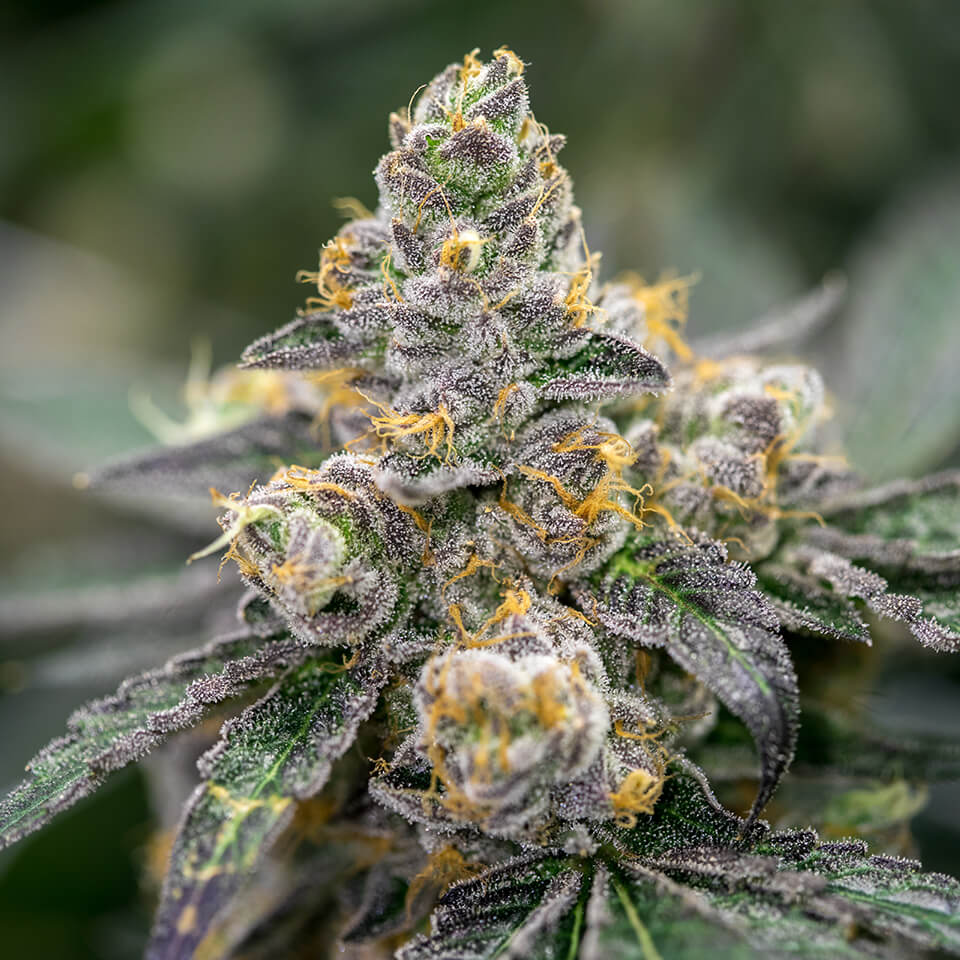
Aroma: The aroma of Tahoe OG Kush is complex and robust. It combines earthy and piney notes with a hint of citrus and a subtle skunky undertone. When the buds are broken apart, the pungent scent intensifies, releasing a rich mix of diesel and lemony fragrance.
Flavor: The flavor profile mirrors its aroma, with earthy pine and citrus dominating the palate. On exhale, users often detect a slightly spicy or herbal aftertaste, which adds to its appeal.
Effects
Tahoe OG Kush is renowned for its fast-acting and long-lasting effects. Its high THC content delivers a potent combination of cerebral euphoria and physical relaxation. The strain is known for:
- Euphoria and Upliftment: Tahoe OG Kush provides an initial cerebral rush that uplifts mood, enhances creativity, and brings about a feeling of joy.
- Relaxation and Sedation: As the high progresses, the indica traits become more pronounced, leading to deep physical relaxation and a sense of calm profound physical relaxation and serenity. This makes it an excellent strain for unwinding after a stressful day.
- Sleep Induction: In higher doses, Tahoe OG Kush’s sedative effects can induce sleep, making it a well-liked option for people with insomnia.
The effects typically last several hours, making it suitable for evening or nighttime use. Because of its strength, beginners should use caution when handling this strain.
Medical Uses
Tahoe OG Kush has a wide range of therapeutic applications, making it a valuable strain for medical cannabis patients. Its effects address both physical and psychological conditions. Below is a detailed exploration of its medical uses:

- Pain Management:
- Tahoe OG Kush is highly effective for managing chronic pain, including conditions such as arthritis, fibromyalgia, and migraines. Its analgesic properties stem from its high THC content and complementary terpenes like myrcene and caryophyllene.
- Stress and Anxiety Relief:
- The strain’s calming effects help alleviate stress, anxiety, and symptoms of PTSD. The initial cerebral euphoria provides a mental escape, while the subsequent physical relaxation reduces tension.
- Depression:
- Tahoe OG Kush’s uplifting effects can help counteract feelings of sadness, hopelessness, and lack of motivation, making it a useful tool for managing depression.
- Insomnia:
- Due to its sedative properties, Tahoe OG Kush is frequently used as a sleep aid. It helps users fall asleep faster and stay asleep longer, making it beneficial for those who suffer from sleep disorders such as insomnia.
- Appetite Stimulation:
- Like many indica-dominant strains, Tahoe OG Kush can stimulate appetite, making it useful for individuals suffering from illnesses like anorexia or those undergoing chemotherapy.
- Muscle Spasms and Tension:
- The strain’s relaxing effects can ease muscle spasms, cramps, and tension, providing relief for conditions such as multiple sclerosis or spasticity disorders.
Recreational Uses
Recreational users prize Tahoe OG Kush for its versatile effects. It is a strain that caters to a wide range of experiences:
- Relaxation:
- After a long day, Tahoe OG Kush is the ideal way to relax. Whether it’s watching a movie, listening to music, or simply lounging, the strain’s calming effects enhance relaxation.
- Social Settings:
- In moderate doses, Tahoe OG Kush can promote sociability and laughter, making it a good choice for low-key gatherings with friends.
- Creativity:
- The initial cerebral stimulation can boost creativity and focus, making it appealing for artistic endeavors or brainstorming sessions.
- Outdoor Activities:
- The uplifting effects can enhance enjoyment of nature and outdoor activities, though users should be mindful of the eventual sedative effects.
Scientific Insights
The therapeutic and recreational properties of Tahoe OG Kush are largely attributed to its cannabinoids and terpenes. Below is a detailed breakdown of the scientific aspects of this strain:

Cannabinoids:
- THC:
- THC is the primary psychoactive compound in Tahoe OG Kush. It binds to CB1 receptors in the brain, producing euphoria, relaxation, and pain relief.
- CBD:
- Although Tahoe OG Kush contains low levels of CBD, this cannabinoid enhances the strain’s therapeutic potential through the entourage effect, modulating THC’s psychoactive effects.
- CBG and CBN:
- Trace amounts of CBG (cannabigerol) and CBN (cannabinol) may contribute to the strain’s relaxing and anti-inflammatory effects.
Terpenes:
- Myrcene:
- Myrcene is the most abundant terpene in Tahoe OG Kush. Known for its sedative and muscle-relaxing properties, it enhances the strain’s indica effects.
- Limonene:
- Limonene adds a citrusy aroma and provides uplifting and stress-relieving effects.
- Caryophyllene:
- Caryophyllene, a spicy and peppery terpene, interacts with CB2 receptors to offer anti-inflammatory and analgesic benefits.
- Pinene:
- Pinene contributes to the earthy and piney aroma and may improve focus and counteract short-term memory impairment caused by THC.
Pharmacodynamics:
When consumed, the cannabinoids and terpenes in Tahoe OG Kush interact with the endocannabinoid system (ECS) to produce its effects. THC activates CB1 receptors, leading to the euphoric and psychoactive effects, while terpenes modulate the experience by enhancing specific therapeutic properties. For example, myrcene’s sedative effects synergize with THC to promote relaxation.
Cultivation Techniques for Tahoe OG Kush
Tahoe OG Kush thrives when cultivated with precision and care. Below are advanced methods and techniques to optimize its growth:
1. Soil vs. Hydroponics
- Soil: Using organic soil enriched with nutrients like nitrogen, phosphorus, and potassium can enhance terpene production, amplifying the strain’s aroma and flavor profile.
- Hydroponics: Through the direct delivery of nutrients, this technique enables quicker growth and greater yields the plant roots. Hydroponic systems also provide better control over pH levels and nutrient balance.
2. Light Cycles
- During the vegetative stage, Tahoe OG Kush requires 18-24 hours of light daily. Switching to a 12/12 light cycle triggers flowering, with the strain responding well to high-intensity discharge (HID) lights or LEDs that mimic natural sunlight.
3. Nutrient Management
- Vegetative Stage: High levels of nitrogen are essential for promoting healthy foliage.
- Flowering Stage: Reduce nitrogen levels and increase phosphorus and potassium to enhance bud development and resin production.
- Use of micronutrients like calcium and magnesium can prevent deficiencies, especially in hydroponic systems.
4. Temperature and Humidity Control
- Maintain temperatures between 70°F and 85°F (21°C to 29°C) during the day and slightly cooler at night. Humidity levels should range from 40-50% during flowering to prevent mold and mildew.
5. Training Techniques
- Topping: Cutting off the main stem promotes lateral growth, which makes the plant bushier and produces more colas.
- Low-Stress Training (LST): Bending and securing branches horizontally improves light penetration to lower buds, increasing overall yield.
- Screen of Green (SCROG): Using a screen to guide the plant’s growth ensures even canopy distribution and maximized light exposure.
6. Airflow and Ventilation
- Good airflow prevents mold and pests while strengthening plant stems. Use oscillating fans and ensure proper exhaust systems to maintain fresh air circulation.
7. Flushing
- Two weeks before harvest, flush the plants with pH-balanced water to remove residual nutrients, improving the buds’ final flavor and scent.
8. Harvesting and Curing
- Harvest when trichomes turn milky with some amber hues, indicating peak potency.
- Dry the buds in a dark, cool room with 50% humidity for 7-10 days, then cure them in airtight jars, opening them periodically to release moisture and enhance flavor.
Methods of Ingestion, Onset, Duration, and Effects of Tahoe OG Kush
Methods of Ingestion
- Smoking:
- Smoking Tahoe OG Kush (in a joint, pipe, or bong) is one of the most common methods of ingestion.
- Advantages: Quick onset of effects, ease of use.
- Drawbacks: Can irritate the lungs and throat; less efficient in preserving cannabinoids and terpenes compared to other methods.
- Vaporizing:
- Using a vaporizer allows users to heat the cannabis flower or concentrate without combustion.
- Advantages: Preserves terpenes and cannabinoids, delivering a cleaner and more flavorful experience; less harsh on the lungs.
- Ideal Temperature: Between 356°F (180°C) and 392°F (200°C) to activate THC and terpenes without combustion.
- Edibles:
- Tahoe OG Kush can be infused into oils, butter, or other consumable forms to create edibles like cookies, gummies, or beverages.
- Advantages: Long-lasting effects; no inhalation required.
- Drawbacks: Longer onset time; precise dosing is essential to avoid overconsumption.
- Tinctures and Oils:
- Extracts of Tahoe OG Kush can be taken sublingually (under the tongue) or mixed into food and drinks.
- Advantages: Discreet; faster onset compared to edibles; easier dosing.
- Drawbacks: Effects may vary based on absorption rates.
- Topicals:
- Infused creams or balms can be applied to the skin for localized relief without psychoactive effects.
- Advantages: Ideal for pain and inflammation; no psychoactive effects.
- Drawbacks: Limited to surface-level application.
Onset and Duration of Effects
- Smoking or Vaporizing:
- Onset: 2-5 minutes after inhalation.
- Peak Effects: 30-60 minutes.
- Duration: 2-3 hours, depending on dose and user tolerance.
- Edibles:
- Onset: 30 minutes to 2 hours (depending on metabolism and whether taken on an empty stomach).
- Peak Effects: 2-4 hours after ingestion.
- Duration: 6-8 hours, with lingering effects for some users.
- Tinctures:
- Onset: 15-45 minutes when taken sublingually.
- Peak Effects: 1-2 hours.
- Duration: 3-6 hours.
- Topicals:
- Onset: 10-30 minutes.
- Duration: Effects may last up to 4-6 hours, varying based on the application area and the product’s formulation.
Effects by Consumption Method
- Smoking or Vaporizing:
- Produces the full spectrum of Tahoe OG Kush’s effects, including immediate euphoria and progressive physical relaxation.
- Users report heightened sensory experiences and faster transition to a sedative state.
- Edibles:
- Induces a stronger body high due to the conversion of THC into 11-hydroxy-THC by the liver, which is more potent and long-lasting.
- Preferred for extended pain relief, deep relaxation, and managing insomnia.
- Tinctures:
- Provides a balanced effect similar to smoking but with less respiratory irritation.
- Easier to control dosing for consistent therapeutic or recreational use.
- Topicals:
- Does not induce psychoactive effects but offers localized relief from pain, inflammation, and muscle spasms.
Potential Side Effects
Like any potent cannabis strain, Tahoe OG Kush may cause side effects, especially in inexperienced users or when consumed in high doses. Common side effects include:
- Dry Mouth and Eyes:
- These are the most frequently reported side effects and can be mitigated by staying hydrated and using eye drops.
- Dizziness and Paranoia:
- Some users may experience dizziness or heightened anxiety, particularly if they are sensitive to THC or consume excessive amounts.
- Sedation:
- The strain’s sedative effects can be overwhelming for some users, making it unsuitable for daytime use in certain scenarios.
Conclusion
Tahoe OG Kush stands out as a versatile and potent cannabis strain with a rich history and wide-ranging effects. Its blend of uplifting euphoria and deep relaxation makes it a favorite among recreational users, while its therapeutic properties address a variety of medical conditions. Whether used for stress relief, pain management, or simply unwinding, Tahoe OG Kush offers the buds’ final flavor and scent.a special and fulfilling experience for cannabis users.
For a complete directory of cultivars, visit our Cannabis Strain Reviews.
