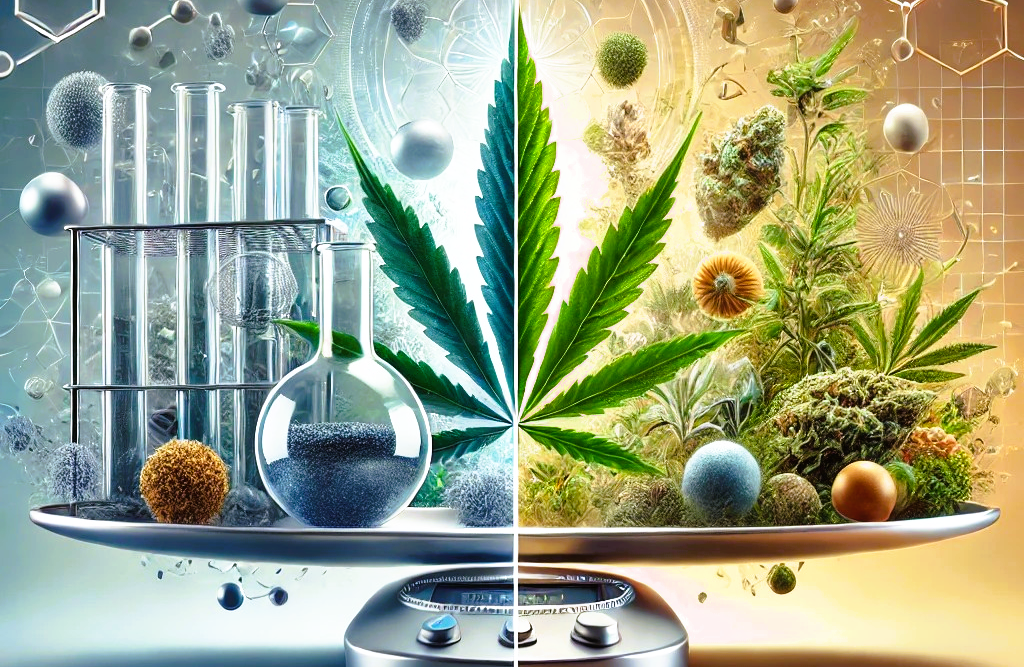
Synthetic vs. Plant-Derived Cannabinoids: Efficacy and Safety in Medical Applications
Cannabinoids, the biologically active compounds found in Cannabis sativa and Cannabis indica, have garnered significant interest in medical research and clinical applications due to their unique interactions with the human endocannabinoid system (ECS). The ECS, a complex signaling network comprising endocannabinoids, receptors (primarily CB1 and CB2), and enzymes, plays a pivotal role in maintaining physiological homeostasis. It regulates functions such as pain perception, immune response, appetite, mood, and inflammation. Consequently, cannabinoids—whether derived naturally from the plant or synthesized chemically in laboratories—have become central to the development of therapeutic interventions for numerous medical conditions.
The question of whether plant-derived cannabinoids (phytocannabinoids) or synthetic cannabinoids offer greater efficacy and safety in clinical contexts remains critical, as medical professionals and researchers aim to optimize patient outcomes while minimizing risks. Both classes of cannabinoids have demonstrated therapeutic potential, yet they differ significantly in their molecular composition, mechanisms of action, pharmacokinetics, and safety profiles. This detailed analysis explores the medical applications of synthetic and plant-derived cannabinoids, comparing their efficacy and safety to inform evidence-based clinical decision-making.
Plant-Derived Cannabinoids: Overview and Medical Applications

Plant-derived cannabinoids, or phytocannabinoids, are extracted from the cannabis plant. The most studied and clinically relevant of these are delta-9-tetrahydrocannabinol (THC) and cannabidiol (CBD). These cannabinoids are accompanied by a diverse array of secondary compounds, including other minor cannabinoids (e.g., cannabigerol [CBG], cannabinol [CBN], tetrahydrocannabivarin [THCV]) and terpenes, which may contribute to their pharmacological effects through what is termed the “entourage effect.” This synergistic interaction between cannabinoids and terpenes has been proposed as a mechanism by which whole-plant extracts provide therapeutic benefits that isolated compounds might not achieve.
Efficacy of Plant-Derived Cannabinoids in Medical Contexts
- Pain Management
Cannabis-based medicines have demonstrated substantial efficacy in managing chronic pain, particularly neuropathic pain, which is often resistant to conventional analgesics. THC, the psychoactive component of cannabis, binds directly to CB1 receptors in the central nervous system, modulating pain perception and reducing nociceptive signaling. CBD, on the other hand, interacts with multiple non-cannabinoid receptors (e.g., TRPV1, 5-HT1A) and inhibits the reuptake of anandamide, an endogenous cannabinoid, thereby exerting anti-inflammatory and analgesic effects. Clinical trials and meta-analyses suggest that plant-derived cannabinoid formulations such as nabiximols (a 1:1 THC-CBD oromucosal spray) are effective in treating multiple sclerosis (MS)-related spasticity and pain, as well as cancer-related pain. - Epilepsy
CBD has emerged as a revolutionary treatment for certain forms of drug-resistant epilepsy, including Lennox-Gastaut syndrome and Dravet syndrome. In this context, plant-derived CBD has demonstrated unparalleled efficacy. The FDA-approved pharmaceutical-grade CBD product, Epidiolex, is derived directly from cannabis. Randomized, double-blind, placebo-controlled trials have shown that CBD significantly reduces seizure frequency, with a favorable safety profile. Its non-psychoactive nature and minimal binding to CB1 receptors make it a preferred option for pediatric and adult patients alike. - Neurodegenerative Disorders
Phytocannabinoids have shown promise in managing symptoms of neurodegenerative diseases such as Alzheimer’s and Parkinson’s. THC’s ability to reduce amyloid-beta plaques and its neuroprotective effects via CB1 receptor activation may slow disease progression. CBD’s antioxidant, anti-inflammatory, and anti-apoptotic properties further complement this therapeutic potential. Studies suggest that the combination of THC and CBD may improve motor function, reduce tremors, and alleviate non-motor symptoms such as sleep disturbances and anxiety in Parkinson’s patients. - Cancer and Palliative Care
Cannabinoids are increasingly utilized as adjuncts in cancer treatment. Beyond symptom management (e.g., alleviating nausea, vomiting, and pain), preclinical studies suggest that THC and CBD possess anticancer properties, including apoptosis induction, anti-proliferative effects, and inhibition of metastasis. While the exact mechanisms remain under investigation, cannabinoids are thought to modulate tumor microenvironments and interact with signaling pathways such as PI3K/AKT/mTOR and MAPK/ERK. - Anxiety and PTSD
CBD, due to its anxiolytic properties mediated via serotonin receptors, is particularly effective in reducing symptoms of anxiety disorders and post-traumatic stress disorder (PTSD). Unlike THC, which can exacerbate anxiety in some individuals, CBD has been shown to improve emotional regulation and reduce hyperarousal and intrusive memories in PTSD patients.
Safety Profile of Plant-Derived Cannabinoids
The safety of plant-derived cannabinoids largely depends on the specific compound, dose, and individual patient characteristics. CBD is generally well-tolerated, with side effects such as fatigue, diarrhea, and changes in appetite occurring at high doses. THC, however, carries a higher risk of adverse effects, including psychoactivity, dizziness, tachycardia, and potential dependency in predisposed individuals. Long-term use of THC-dominant products may impair cognitive function and exacerbate psychiatric conditions such as psychosis in vulnerable populations. Nonetheless, the safety of whole-plant extracts, which often include a balanced ratio of THC to CBD, may be enhanced by the moderating effects of CBD.
Synthetic Cannabinoids: Overview and Medical Applications

Synthetic cannabinoids are laboratory-engineered compounds that mimic the structure and function of naturally occurring cannabinoids. These compounds can be designed to target specific cannabinoid receptors (CB1, CB2) with varying degrees of selectivity, potency, and efficacy. Synthetic cannabinoids used in medical contexts include FDA-approved drugs such as dronabinol, nabilone, and synthetic CBD.
Efficacy of Synthetic Cannabinoids in Medical Contexts
- Appetite Stimulation and Wasting Syndromes
Dronabinol (synthetic THC) and nabilone are primarily used to treat chemotherapy-induced nausea and vomiting (CINV) and anorexia associated with HIV/AIDS. Dronabinol, approved by the FDA in the 1980s, has shown efficacy in increasing appetite and reducing nausea by directly activating CB1 receptors. Nabilone, a THC analogue, provides similar benefits with a longer half-life, making it useful for patients requiring prolonged antiemetic effects. - Pain Management
Synthetic cannabinoids have also been evaluated for pain relief. Nabilone has demonstrated efficacy in reducing fibromyalgia-associated pain and improving sleep. However, synthetic cannabinoids typically lack the entourage effect observed with plant-derived cannabinoids, potentially reducing their overall effectiveness in treating complex pain syndromes. - Neurological Disorders
Synthetic CBD formulations are being developed to target neurological conditions such as epilepsy and autism spectrum disorders. Preclinical and clinical studies suggest that synthetic CBD offers the same anticonvulsant benefits as plant-derived CBD, with the advantage of precise dosing and purity. Furthermore, synthetic cannabinoids with CB2 receptor selectivity are being explored for their potential to reduce neuroinflammation in conditions such as multiple sclerosis and traumatic brain injury. - Emerging Applications
Synthetic cannabinoids with tailored receptor affinities are being developed to address specific pathologies. For instance, CB2-selective agonists are under investigation for autoimmune diseases, as they modulate immune responses without the psychoactive effects associated with CB1 activation. Similarly, dual-action cannabinoids targeting both CB1 and CB2 receptors are being explored for cancer pain and neurodegenerative diseases.
Safety Profile of Synthetic Cannabinoids
Synthetic cannabinoids pose distinct safety challenges compared to their plant-derived counterparts. While pharmaceutical-grade synthetic cannabinoids such as dronabinol and nabilone have undergone rigorous testing and are generally considered safe when used as prescribed, other synthetic cannabinoids (often encountered in illicit or unregulated products) have been associated with severe adverse effects, including seizures, cardiovascular complications, and psychosis. These adverse effects are likely due to their high potency and full agonist activity at CB1 receptors, which can overstimulate the ECS.
Additionally, synthetic cannabinoids lack the natural balance provided by the entourage effect, which may exacerbate side effects. For example, synthetic THC (dronabinol) often causes more pronounced psychoactive effects and anxiety than plant-derived THC, as it lacks the moderating influence of CBD. Moreover, the long-term safety of novel synthetic cannabinoids remains uncertain, as they may interact with off-target receptors or have unanticipated metabolic consequences.
Comparative Analysis: Efficacy and Safety
- Therapeutic Efficacy
Plant-derived cannabinoids, particularly whole-plant extracts, may provide superior efficacy in some conditions due to the entourage effect. This phenomenon allows the combination of THC, CBD, minor cannabinoids, and terpenes to act synergistically, enhancing therapeutic benefits while reducing adverse effects. In contrast, synthetic cannabinoids offer precision and consistency in dosing, which is advantageous for pharmaceutical development but may lack the nuanced pharmacological interactions of phytocannabinoids.
For conditions such as epilepsy, plant-derived CBD (Epidiolex) remains the gold standard due to its proven clinical efficacy. However, synthetic cannabinoids, especially those targeting specific receptors, hold promise for emerging applications where plant-derived cannabinoids may not be sufficiently selective.
- Safety Considerations
The safety profiles of both plant-derived and synthetic cannabinoids depend on factors such as receptor selectivity, dosing, and patient-specific variables. Plant-derived cannabinoids, particularly those with a balanced THC-to-CBD ratio, are generally safer due to the mitigating effects of CBD on THC-induced adverse effects. Synthetic cannabinoids, particularly those with high potency or full agonist activity at CB1 receptors, pose greater risks of severe adverse events, especially when used inappropriately or without medical supervision. - Regulatory and Accessibility Issues
Synthetic cannabinoids benefit from precise standardization and regulatory approval processes, making them more accessible in medical settings. However, the natural complexity and variability of plant-derived cannabinoids present challenges in achieving consistent dosing and regulatory approval, despite their therapeutic advantages.
Restrictions on Using Cannabis in the Medical Field as a Last Resort

The use of cannabis in the medical field has gained significant attention in recent years, driven by its therapeutic potential in treating conditions such as chronic pain, epilepsy, and multiple sclerosis. However, due to its psychoactive effects and potential for misuse, medical cannabis remains a highly regulated treatment option in most parts of the world. This regulation ensures that cannabis-based therapies are prescribed only as a last resort after other conventional treatments have failed. Furthermore, monitoring tetrahydrocannabinol (THC) levels in medical cannabis is critical to preventing psychoactive side effects, ensuring patient safety, and maintaining clinical efficacy. These restrictions and measures form the cornerstone of responsible cannabis use in the medical field.
Cannabis as a Last-Resort Treatment
Medical cannabis is generally regarded as an option of last resort due to its potential side effects, variability in individual responses, and the stigma surrounding its psychoactive properties. Many regulatory agencies and medical institutions mandate that cannabis-based treatments should only be considered when patients fail to respond to conventional medications or when existing therapies cause intolerable side effects. This policy is intended to limit unnecessary exposure to THC and other cannabinoids while ensuring that cannabis is reserved for those who truly need its unique therapeutic effects.
For example, in chronic pain management, cannabis is typically introduced after patients have failed to find relief from non-opioid analgesics, physical therapy, or interventional procedures. Similarly, in epilepsy treatment, cannabidiol (CBD) products such as Epidiolex are prescribed only for severe, drug-resistant forms of the disorder, such as Lennox-Gastaut syndrome or Dravet syndrome, after multiple antiepileptic drugs have proven ineffective.
Restricting cannabis to last-resort use also aligns with the principle of risk minimization in medicine. While cannabinoids have shown promise in various medical applications, their long-term effects are not yet fully understood, particularly in vulnerable populations such as children, the elderly, and individuals with psychiatric conditions. By limiting cannabis use to situations where no other treatment has succeeded, healthcare providers can better weigh the risks and benefits on a case-by-case basis.
Monitoring THC Levels to Prevent Psychoactive Effects
One of the most significant challenges in medical cannabis use is the psychoactive effect of THC, the compound primarily responsible for the “high” associated with recreational cannabis. In medical applications, minimizing or eliminating psychoactivity is crucial to maintaining patient safety, functionality, and quality of life. High levels of THC can lead to side effects such as anxiety, paranoia, dizziness, and impaired cognitive and motor function, which can be particularly problematic in vulnerable patients.
To address this, strict monitoring of THC content in medical cannabis products is essential. Many medical cannabis formulations now include a balanced ratio of THC to CBD, with CBD serving to mitigate some of the psychoactive effects of THC. CBD is non-intoxicating and has anxiolytic and neuroprotective properties, making it a valuable component in cannabinoid-based treatments. For example, nabiximols (Sativex), a cannabis-based oral spray used to treat spasticity in multiple sclerosis, contains a 1:1 ratio of THC to CBD to ensure efficacy while minimizing psychoactivity.
Regulatory bodies in various countries have established THC content limits for medical cannabis products. In the European Union, THC concentrations in some therapeutic cannabis formulations are capped at specific levels to prevent psychoactive effects. Similarly, in the United States, states with medical cannabis programs often require products to undergo laboratory testing to verify THC content. Patients prescribed cannabis-based medications are typically started on low-THC formulations, with gradual titration if needed, under the supervision of a healthcare provider.
Clinical Monitoring and Patient Education
In addition to monitoring THC levels in medications, healthcare providers play a critical role in ensuring the safe and effective use of medical cannabis. Physicians prescribing cannabis must closely monitor patients for both therapeutic outcomes and adverse effects. Regular follow-up appointments are necessary to assess efficacy, adjust dosages, and identify any potential side effects early.
Patient education is equally important in preventing misuse and minimizing risks. Patients should be informed about the potential psychoactive effects of THC, the importance of adhering to prescribed doses, and the risks of combining cannabis with other medications. Education also extends to setting realistic expectations for treatment outcomes, as cannabis is not a cure-all but rather a symptom-management tool.
Conclusion
Cannabis, whether plant-derived or synthetic, holds immense potential as a medical treatment, offering unique therapeutic benefits for conditions such as chronic pain, epilepsy, multiple sclerosis, and cancer-related symptoms. However, its medical use is surrounded by significant challenges and stringent restrictions to ensure safety, efficacy, and responsible application.
Plant-derived cannabinoids provide a broad spectrum of therapeutic effects, driven by the entourage effect, which enhances their efficacy through the synergistic interaction of THC, CBD, and other minor cannabinoids and terpenes. This holistic approach is particularly valuable in managing complex conditions such as neuropathic pain and drug-resistant epilepsy. On the other hand, synthetic cannabinoids offer precision, consistency, and receptor selectivity, making them suitable for tightly controlled pharmaceutical use. However, synthetic options often lack the natural balance and moderation provided by the entourage effect, which can lead to higher risks of adverse effects.
Given the psychoactive properties of THC, one of the most potent cannabinoids, strict regulations are necessary to prevent unintended effects such as cognitive impairment, anxiety, or dependency. Monitoring THC levels in medical cannabis formulations is an essential step in reducing psychoactivity, ensuring patient safety, and maintaining clinical functionality. Many cannabinoid-based medications, such as nabiximols (Sativex), have adopted a balanced THC-to-CBD ratio to optimize therapeutic outcomes while minimizing risks.
The decision to use cannabis as a treatment is further constrained by its status as a last-resort option in many medical settings. This restriction aligns with the principle of minimizing risk and ensures that cannabis is only prescribed when other conventional therapies fail. By reserving cannabis for patients who cannot find relief through traditional treatments, healthcare providers can more effectively balance its potential benefits against the risks.
Furthermore, robust clinical monitoring and patient education are key to the safe and effective use of cannabis in medical practice. Regular follow-ups, individualized dosing, and education on the potential risks and benefits of cannabis therapy empower patients to make informed decisions while allowing physicians to manage and mitigate adverse effects.
In conclusion, the medical use of cannabis requires a nuanced, evidence-based approach that integrates rigorous regulation, careful patient selection, and ongoing monitoring. Both synthetic and plant-derived cannabinoids have advantages and disadvantages, and their application must be customized to meet the demands of each patient and the specific clinical situation. As research continues to uncover the complexities of the endocannabinoid system and the therapeutic potential of cannabinoids, a balanced and cautious approach will remain essential to ensure that cannabis-based therapies contribute positively to modern medicine while safeguarding patient health.
