Table of Contents
Sweet Lafayette is a celebrated cannabis strain known for its delightful balance of therapeutic benefits and recreational allure. As a hybrid with indica dominance, Sweet Lafayette offers users a nuanced experience that combines soothing relaxation with a gentle cerebral uplift. This strain’s unique aroma, flavor profile, and well-rounded effects make it a favorite among both medicinal and recreational users.
Sweet Lafayette boasts a rich lineage, believed to descend from the popular Lemon OG and a yet-to-be-confirmed indica strain. Its genetic makeup results in a blend of about 70% indica and 30% sativa characteristics. This balance provides a versatile experience that caters to a wide range of needs and preferences.
Genetic Background and Cultivation
Sweet Lafayette’s parent strains contribute to its robust profile:
- Lemon OG: Known for its citrusy flavor and uplifting effects, Lemon OG lends Sweet Lafayette its zesty, lemon-forward aroma and energetic onset.
- Unknown Indica: This contributes to the strain’s deep relaxation and full-body effects, typical of indica-dominant hybrids.
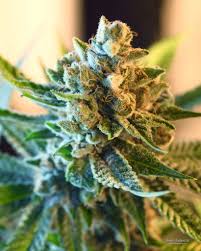
The plant’s growth patterns reflect its indica dominance:
- Appearance: Sweet Lafayette plants typically exhibit dense, resin-coated buds with vibrant green leaves and occasional purple hues. The trichomes give the buds a frosted appearance, a testament to their high cannabinoid content.
- Cultivation Requirements: This strain thrives in both indoor and outdoor environments, though indoor setups allow for better control over temperature and humidity. Sweet Lafayette has a flowering period of about 8-10 weeks and yields moderately high harvests.
Chemical Composition
Sweet Lafayette is celebrated for its diverse cannabinoid and terpene profile, contributing to its complex effects and flavors:
Cannabinoid Content:
- THC: Levels typically range from 18% to 22%, delivering potent psychoactive effects suitable for experienced users.
- CBD: Low to moderate levels (0.5% to 1%), offering subtle therapeutic benefits without overshadowing THC’s effects.
- CBG and Minor Cannabinoids: Trace amounts of CBG and other minor cannabinoids enhance the entourage effect, amplifying the strain’s overall efficacy.
Terpene Profile:
- Limonene: Responsible for the citrusy aroma and uplifting mood effects.
- Myrcene: Contributes to the strain’s sedative and relaxing properties.
- Caryophyllene: Provides a spicy undertone and potential anti-inflammatory benefits.
- Linalool: Adds floral notes and helps promote relaxation and stress relief.
Medical Uses of Sweet Lafayette
Sweet Lafayette’s indica dominance and terpene-rich profile make it a versatile option for medical cannabis patients. Its effects address a broad spectrum of physical and mental health conditions:

Pain Management:
- Sweet Lafayette’s high THC content and presence of caryophyllene work synergistically to provide significant relief from chronic pain. Patients suffering from conditions such as arthritis, migraines, and fibromyalgia may find this strain particularly effective.
Stress and Anxiety Relief:
- The combination of limonene and linalool promotes a calming effect, helping to alleviate symptoms of stress, anxiety, and PTSD. The gentle cerebral uplift also aids in managing negative thought patterns.
Insomnia Treatment:
- With its relaxing indica effects, Sweet Lafayette is a go-to choice for those struggling with sleep disorders. Its ability to calm the mind and body can help users transition into restful sleep.
Appetite Stimulation:
- For individuals dealing with appetite loss due to chemotherapy, eating disorders, or chronic illness, Sweet Lafayette’s appetite-stimulating properties provide much-needed relief.
Nausea and Digestive Issues:
- The anti-emetic effects of this strain can be beneficial for patients undergoing treatments that cause nausea or those with gastrointestinal disorders.
Mood Disorders:
- Sweet Lafayette’s balanced effects make it suitable for managing mood disorders such as depression and bipolar disorder. Its uplifting qualities help counter depressive symptoms, while its calming aspects prevent overstimulation.
Recreational Uses of Sweet Lafayette
Sweet Lafayette is equally appealing to recreational users, offering an enjoyable and well-rounded experience:
Relaxation and Stress Relief:
- The strain’s indica-leaning effects make it ideal for unwinding after a long day. Users often report a sense of full-body relaxation that pairs well with activities like watching movies, listening to music, or meditating.
Social Settings:
- While not overly sedative, Sweet Lafayette provides just enough mental clarity and relaxation to enhance social interactions. It’s a great choice for small gatherings or intimate conversations.
Creative Inspiration:
- The mild cerebral stimulation offered by the strain’s sativa side can spark creativity, making it a popular option for artists, writers, and other creative professionals.
Enhanced Sensory Experiences:
- Sweet Lafayette’s terpene profile heightens sensory perceptions, making activities like cooking, painting, or simply enjoying nature more immersive.
Sweet Lafayette Cultivation
1. Growing Environment
- Temperature: Sweet Lafayette thrives in a temperature range of 70-80°F (21-27°C) during the day. Nighttime temperatures should not drop below 65°F (18°C), as this can stress the plant and reduce yield.
- Humidity: During the vegetative stage, maintain a relative humidity (RH) of 50-70%. Lower it to 40-50% during the flowering stage to prevent mold and mildew on the dense buds.
- Light Requirements: This strain responds well to both natural and artificial lighting. Use high-intensity discharge (HID) lights or full-spectrum LED grow lights, maintaining a light cycle of 18/6 during vegetative growth and 12/12 for flowering.
- Airflow and Ventilation: Good airflow prevents the accumulation of moisture and ensures even CO2 distribution. Oscillating fans and an exhaust system are recommended.
2. Soil and Nutrient Management
- Soil Composition: Sweet Lafayette prefers a well-draining soil rich in organic matter. A mix of loam soil, perlite, and compost provides a suitable base.
- pH Levels: Maintain soil pH between 6.0 and 6.5 for optimal nutrient uptake. Hydroponic setups require a slightly lower pH range of 5.5 to 6.0.
- Nutrients:
- Nitrogen (N): Crucial during the vegetative stage for healthy leaf and stem growth.
- Phosphorus (P): Essential during the flowering stage to promote bud development.
- Potassium (K): Supports overall plant health and resistance to stress.
- Micronutrients like calcium, magnesium, and sulfur should be supplemented to avoid nutrient deficiencies.
3. Watering Practices
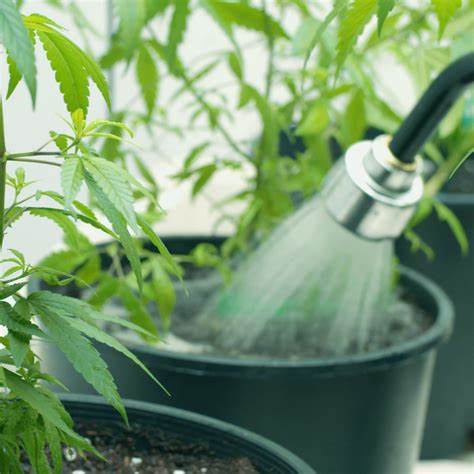
- Overwatering is a common issue that can lead to root rot and nutrient lockout. Allow the top inch of soil to dry out between watering.
- pH-balanced water (6.0-6.5) is critical to prevent nutrient imbalances.
- Implement a drip irrigation system for consistency, especially in larger grow operations.
4. Training and Pruning
- Low-Stress Training (LST): Bending and tying branches can optimize light exposure and encourage even canopy development.
- Topping: Cutting the top of the plant promotes lateral growth and results in more bud sites.
- Defoliation: Removing excess fan leaves increases airflow and light penetration to lower parts of the plant, reducing the risk of mold.
5. Flowering Stage
- Sweet Lafayette has a flowering period of 8-10 weeks, with indoor cultivation offering better control over conditions.
- During flowering, ensure:
- Phosphorus-Rich Fertilizers: Boost bud growth and resin production.
- Humidity Control: Maintain RH around 40-50% to prevent mold.
- Temperature Regulation: Keep daytime temperatures in the 68-75°F (20-24°C) range to preserve terpenes and cannabinoids.
6. Pest and Disease Management
- Common threats include spider mites, aphids, and powdery mildew. Integrated pest management (IPM) strategies include:
- Introducing beneficial insects like ladybugs and predatory mites.
- Using organic solutions such as neem oil or insecticidal soaps.
- Ensuring proper sanitation in the grow area to prevent contamination.
7. Harvesting and Curing
- Harvest Timing: Use a magnifying loupe to observe trichomes. Harvest when they shift from clear to cloudy, with some amber trichomes for a more relaxing effect.
- Drying: Hang buds in a dark, ventilated space at 60-70°F (15-21°C) with RH around 50-60%.
- Curing: Place dried buds in airtight glass jars, burping them daily for the first 2 weeks to release excess moisture and enhance flavor and potency.
8. Advanced Cultivation Techniques
- Hydroponics: Growing Sweet Lafayette in hydroponic systems can accelerate growth and increase yield due to precise nutrient control. However, it requires more attention to pH and EC (electrical conductivity) levels.
- CO2 Enrichment: Increasing CO2 levels during the flowering stage (to around 1200-1500 ppm) can boost photosynthesis, leading to larger buds.
- SCROG (Screen of Green): This technique maximizes yield by training the plant to grow horizontally through a mesh screen, optimizing light distribution.
Scientific Insights and Research
Recent studies into cannabis and its active compounds provide valuable context for understanding Sweet Lafayette’s effects:
The Entourage Effect:
- Sweet Lafayette’s balanced cannabinoid and terpene profile underscores the importance of the entourage effect. Research suggests that the interplay between THC, CBD, and terpenes like limonene and myrcene enhances the strain’s therapeutic potential.
Cannabinoid-Terpene Synergy:
- Studies on limonene indicate its role in reducing stress and anxiety. Similarly, caryophyllene’s ability to bind directly to CB2 receptors supports its anti-inflammatory effects.
Neurological Benefits:
- Emerging research highlights THC’s potential in neuroprotection and its ability to modulate mood and cognition. Sweet Lafayette’s THC dominance, complemented by its terpene profile, makes it a candidate for addressing neurological conditions.
Pain and Inflammation:
- The strain’s efficacy in pain management aligns with findings that THC and caryophyllene can reduce chronic pain and inflammation by interacting with the endocannabinoid system.
Sleep Science:
- Myrcene’s sedative properties have been validated in studies, explaining Sweet Lafayette’s popularity among insomnia patients.
Flavor and Aroma Profile
Sweet Lafayette’s sensory appeal is a major factor in its popularity:
- Aroma: A blend of citrus, earthiness, and floral notes. The limonene and linalool create a refreshing and calming scent profile.
- Flavor: Users often describe the flavor as sweet and tangy, with prominent lemon undertones complemented by a hint of spice and herbal sweetness.
Methods of Ingestion, Onset, Duration, and Effects
Understanding the pharmacokinetics (how the strain affects the body and brain) and the dynamics of ingestion methods can help users tailor their Sweet Lafayette experience to suit their specific needs.
Methods of Ingestion
1. Smoking
- Description: Combusting dried Sweet Lafayette flower and inhaling the smoke.
- Onset: Effects typically begin within 1-3 minutes after inhalation.
- Duration: Peaks at around 10-30 minutes, with a total duration of 2-3 hours.
- Pros:
- Rapid onset makes it ideal for immediate relief (e.g., pain or stress).
- Efficient for delivering the full terpene profile.
- Cons:
- Combustion byproducts can irritate the respiratory system.
- Less discreet compared to other methods.
2. Vaporizing
- Description: Heating the flower or concentrate to release cannabinoids and terpenes without combustion.
- Onset: Rapid, similar to smoking (1-3 minutes).
- Duration: Effects last 2-3 hours, comparable to smoking.
- Pros:
- Preserves more cannabinoids and terpenes.
- Reduces exposure to harmful byproducts of combustion.
- Cons:
- Requires a vaporizer, which can be an additional expense.
- Effects may be slightly milder compared to smoking.
3. Edibles
- Description: Consuming Sweet Lafayette-infused foods or beverages, such as gummies, brownies, or oils.
- Onset: Slow, taking 30-90 minutes due to digestion and liver metabolism (first-pass effect).
- Duration: Prolonged, lasting 4-8 hours, with a gradual decline.
- Pros:
- Long-lasting effects suitable for chronic conditions like pain or insomnia.
- No respiratory irritation.
- Cons:
- Delayed onset makes dosing more challenging.
- Overconsumption can lead to intense or prolonged effects.
4. Sublingual (Tinctures and Oils)
- Description: Placing tinctures or oils under the tongue for rapid absorption through oral mucosa.
- Onset: Faster than edibles, typically 15-30 minutes.
- Duration: Effects last around 4-6 hours.
- Pros:
- Precise dosing.
- Faster onset than edibles with less variability.
- Cons:
- Taste may be unappealing to some users.
- Effects may not be as immediate as smoking or vaping.
5. Topicals
- Description: Applying Sweet Lafayette-infused creams, balms, or lotions to the skin.
- Onset: Effects begin within 15-30 minutes, depending on the area of application.
- Duration: Typically lasts 2-4 hours.
- Pros:
- Targets localized pain, inflammation, or skin conditions without psychoactive effects.
- Discreet and non-intoxicating.
- Cons:
- Limited to localized relief.
- Ineffective for systemic conditions or psychoactive effects.
6. Concentrates (Dabbing or Cartridges)
- Description: Using concentrated forms of Sweet Lafayette, such as wax, shatter, or distillates, for dabbing or vaping.
- Onset: Extremely rapid, within 1-2 minutes.
- Duration: Effects last 2-3 hours.
- Pros:
- High potency delivers stronger and more immediate effects.
- Efficient for experienced users seeking maximum cannabinoids.
- Cons:
- May be overwhelming for novice users.
- Requires specialized equipment like dab rigs.
Onset and Duration of Effects by Method
| Method | Onset | Peak Effects | Total Duration |
|---|---|---|---|
| Smoking | 1-3 minutes | 10-30 minutes | 2-3 hours |
| Vaporizing | 1-3 minutes | 10-30 minutes | 2-3 hours |
| Edibles | 30-90 minutes | 1-3 hours | 4-8 hours |
| Sublingual | 15-30 minutes | 1-2 hours | 4-6 hours |
| Topicals | 15-30 minutes | 1-2 hours | 2-4 hours |
| Concentrates | 1-2 minutes | 10-30 minutes | 2-3 hours |
Effects of Sweet Lafayette
Sweet Lafayette delivers a range of effects influenced by its THC content (18-22%), low CBD content (0.5-1%), and terpene profile.
Initial Onset (Phase 1)
- Cerebral Euphoria: The first noticeable effect is a mild uplift in mood, attributed to limonene. Users report feelings of happiness and reduced stress.
- Mental Clarity: Though indica-dominant, Sweet Lafayette offers a brief phase of mental alertness, which may stimulate creativity or focus.
Peak Effects (Phase 2)
- Physical Relaxation: As myrcene and caryophyllene effects kick in, users experience a sense of deep relaxation. This phase often includes relief from muscle tension and pain.
- Sensory Enhancement: The terpene profile heightens sensory experiences, making colors, tastes, and sounds more vivid.
Prolonged Effects (Phase 3)
- Sedation: Over time, the indica dominance becomes more pronounced. Users often feel drowsy and calm, making this strain ideal for evening use.
- Body High: The “melted into the couch” sensation is common, accompanied by a warm, tingling effect throughout the body.
Pharmacodynamics
The effects of Sweet Lafayette are driven by its interaction with the endocannabinoid system (ECS):
- CB1 Receptors (CNS): THC binds to CB1 receptors, causing psychoactive effects, mood elevation, and pain relief.
- CB2 Receptors (Peripheral): Caryophyllene acts on CB2 receptors, reducing inflammation and offering therapeutic benefits without psychoactivity.
- Terpene Synergy: Limonene, myrcene, and linalool modulate the effects of THC, contributing to relaxation, mood enhancement, and sedation.
Therapeutic Recommendations Based on Ingestion Method
- Pain Relief: Vaporizing or smoking for rapid onset; edibles for sustained relief.
- Anxiety and Stress: Sublingual tinctures for precise dosing and moderate effects.
- Insomnia: Edibles or smoking before bedtime for extended sedation.
- Localized Pain or Inflammation: Topicals for non-systemic relief without psychoactive effects.
- Recreational Relaxation: Smoking or vaping for an enjoyable, quick experience.
Key Takeaways
- Onset and duration vary significantly by ingestion method, with smoking and vaporizing offering the fastest effects and edibles providing the longest duration.
- The balance of THC, terpenes, and minor cannabinoids ensures Sweet Lafayette is both versatile and effective for various needs.
- Users should carefully choose their ingestion method based on the desired onset, duration, and intensity of effects.
Potential Side Effects
While Sweet Lafayette is generally well-tolerated, users should be aware of potential side effects:
- Dry Mouth and Eyes: Common with many cannabis strains, these can be mitigated with hydration and eye drops.
- Dizziness: Overconsumption or sensitivity to THC may cause dizziness, especially in new users.
- Paranoia or Anxiety: High doses may trigger these effects in individuals prone to anxiety. Starting with a low dose is recommended.
- Sedation: The strain’s indica effects can be overwhelming for some users, particularly in high doses.
Popularity and User Reviews
Sweet Lafayette has garnered a loyal following thanks to its balanced effects and versatile applications. User testimonials often highlight:
- The strain’s ability to alleviate chronic pain and improve sleep quality.
- Its pleasant flavor and aroma, enhancing the overall experience.
- A moderate high that suits both daytime and evening use, depending on the dosage.
Conclusion
Sweet Lafayette is a standout strain that seamlessly bridges the gap between medicinal and recreational cannabis. Its rich terpene and cannabinoid profile deliver a range of benefits, from pain relief and stress reduction to enhanced creativity and relaxation. Whether used for therapeutic purposes or leisure, Sweet Lafayette offers a reliable and enjoyable experience for a wide variety of users.
As research into cannabis continues to expand, strains like Sweet Lafayette exemplify the potential of carefully balanced hybrids to meet diverse needs. Whether you’re seeking relief from specific conditions or simply a pleasant way to unwind, Sweet Lafayette is a strain worth exploring.
For a complete directory of cultivars, visit our Cannabis Strain Reviews.
