Table of Contents
Sweet Island, also known by the more descriptive moniker Sweet Island Skunk, is a sativa-dominant hybrid that stems from a lineage rich in uplifting and aromatic genetics. The strain is typically bred by crossing Sweet Pink Grapefruit and Island Skunk, though variations may exist depending on the breeder. It is highly favored for its combination of tropical flavor, energetic cerebral effects, and moderate THC potency, typically ranging between 14% to 19%, though some phenotypes can exceed 20%.
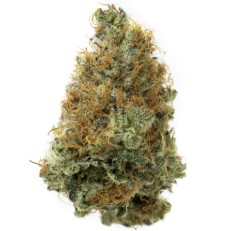
- Classification: Sativa-dominant hybrid (approximately 70% sativa / 30% indica)
- Breeders: Originally developed by Federation Seed Company
- Lineage: Sweet Pink Grapefruit × Island Skunk
Cannabinoid Profile
Sweet Island’s cannabinoid profile plays a major role in its energizing and mood-lifting characteristics:
| Cannabinoid | Typical Concentration |
|---|---|
| THC | 14–19% (can exceed 20%) |
| CBD | <1% |
| CBG | ~0.5% |
| CBC | ~0.1–0.3% |
| THCV | Trace to moderate |
While THC is the dominant cannabinoid, the presence of CBG and THCV contributes to unique neurocognitive and metabolic interactions, enhancing Sweet Island’s profile as a daytime strain for focus and creative productivity.
Terpene Composition
Sweet Island’s signature sweet, fruity, and tropical aroma is largely a product of its rich terpene spectrum. Lab analyses indicate a dominant presence of myrcene, limonene, and pinene, among others.
| Terpene | Role & Effects |
|---|---|
| Myrcene | Sedative in high doses, anti-inflammatory, enhances THC uptake |
| Limonene | Elevates mood, antifungal, anti-anxiety properties |
| Alpha-Pinene | Bronchodilator, promotes alertness, memory retention |
| Caryophyllene | Anti-inflammatory, binds to CB2 receptors |
| Humulene | Appetite suppressant, anti-inflammatory |
The interaction of these terpenes with cannabinoids supports a range of medical uses, notably mood stabilization, anti-inflammatory effects, and neurological clarity.
Flavor and Aroma Profile
Sweet Island is celebrated for its intensely tropical and citrusy bouquet, reminiscent of grapefruit, pineapple, and skunky earth. The taste is sweet and tangy, with a slightly herbal exhale that reflects its skunk lineage.
- Aroma: Tropical fruit, citrus zest, sweet skunk
- Flavor: Grapefruit, mango, pine, with earthy undertones
- Smoke quality: Smooth with a sharp, citrusy finish
Psychoactive Effects: Scientific Insights
The high from Sweet Island is fast-acting, often felt within minutes of inhalation. It starts with a heady euphoria, gradually building into mental stimulation and enhanced sensory perception. The following are its scientifically relevant psychoactive traits:
a. Cognitive Activation
- Mechanism: Sweet Island’s sativa dominance promotes dopaminergic activity in the prefrontal cortex, facilitating heightened focus and creative thinking.
- Clinical potential: May assist patients with ADHD, fatigue, or mild cognitive dysfunction.
b. Mood Elevation
- Mechanism: The interaction of THC and limonene synergistically elevates serotonin levels through the endocannabinoid system and monoamine oxidase inhibition.
- Clinical potential: Useful for depression, seasonal affective disorder (SAD), and stress relief.
c. Low Sedation
- Unlike heavy indicas, Sweet Island rarely induces couch-lock. The pinene and THCV content counteract THC’s sedative effects, making it ideal for daytime use.
Medical Uses and Therapeutic Potential
Sweet Island’s medical profile stems from its sativa-dominant nature, moderate THC levels (14–19%), and a terpene-rich profile. It lacks significant CBD content, but compensates with minor cannabinoids (CBG, THCV) and functional terpenes (limonene, pinene, myrcene, caryophyllene). This creates a targeted therapeutic spectrum ideal for neurocognitive, mood, pain, and inflammatory conditions.
Neurological and Cognitive Disorders
A. Attention Deficit Hyperactivity Disorder (ADHD)
Mechanism:
- THC and THCV modulate dopaminergic and endocannabinoid signaling in the prefrontal cortex, which is implicated in executive function and impulse control.
- Alpha-pinene may enhance working memory and attention by inhibiting acetylcholinesterase, improving cholinergic transmission.
Therapeutic Benefits:
- Improves attention span
- Reduces distractibility
- Supports task initiation and completion
Scientific Insight:
Studies show low-dose THC can enhance frontal lobe activation in some ADHD patients, especially in adults. THCV has also demonstrated stimulant-like effects without intoxication.
B. Depression and Mood Disorders
Mechanism:
- Limonene enhances serotonin and dopamine release in key areas such as the hippocampus and amygdala.
- THC also promotes dopamine in the nucleus accumbens, contributing to mood elevation and anhedonia relief.
Therapeutic Benefits:
- Reduces low mood and apathy
- Enhances motivation and pleasure response
- May counter seasonal affective disorder (SAD)
Scientific Insight:
Limonene and THC exhibit antidepressant-like effects in animal models via modulation of monoaminergic systems and hypothalamic-pituitary-adrenal (HPA) axis regulation, reducing cortisol.
C. Anxiety (Situational or Mild Generalized)
Mechanism:
- Low doses of THC + limonene and caryophyllene yield anxiolytic effects.
- Limonene has shown GABAergic modulation, helping to balance excitatory neural states.
- Caryophyllene activates CB2 receptors, reducing neuroinflammation and enhancing stress resilience.
Caution:
- High doses may exacerbate anxiety due to THC-induced amygdala hyperactivation.
Therapeutic Use:
- Ideal for performance anxiety, stress management, or low-level GAD in controlled dosages.
Pain Management
Sweet Island’s moderate THC content and caryophyllene presence offer a dual-approach for analgesia:
A. Neuropathic Pain
Mechanism:
- THC binds to CB1 receptors in the CNS, modulating nociceptive signal transmission.
- Caryophyllene binds CB2 receptors, reducing inflammatory cytokines in peripheral nerves.
- Myrcene provides a mild sedative/analgesic synergy through GABA potentiation.
Clinical Indications:
- Fibromyalgia
- Diabetic neuropathy
- Sciatic pain
- Postherpetic neuralgia
B. Migraine and Tension Headaches
Mechanism:
- THC acts as a vasodilator, countering cerebral vasoconstriction.
- Pinene and limonene reduce neuroinflammation.
- THC also inhibits trigeminovascular nociception, a migraine trigger.
Benefits:
- Reduces attack frequency (with regular use)
- Alleviates aura and photophobia
- Aids in sleep following migraine onset
Evidence:
Clinical reviews have found that inhaled cannabis, particularly THC-dominant strains with limonene, may significantly reduce migraine duration and intensity.
Anti-Inflammatory and Immune Regulation
A. Inflammatory Conditions
Sweet Island’s caryophyllene, myrcene, and CBG content makes it suitable for chronic inflammatory disorders.
Mechanism:
- Caryophyllene activates CB2 receptors in immune cells → downregulates cytokine release.
- Myrcene inhibits NF-κB, a pro-inflammatory transcription factor.
- CBG affects PPARγ (nuclear receptor), reducing inflammatory markers in gut and skin.
Clinical Applications:
- Rheumatoid arthritis
- Irritable bowel syndrome (IBS)
- Lupus (adjunct therapy)
- Psoriasis (via systemic inflammation reduction)
B. Asthma and Bronchial Inflammation
Mechanism:
- Alpha-pinene acts as a bronchodilator, increasing airflow and easing mild asthma symptoms.
- THC also exhibits bronchodilation in low doses, although smoke is not ideal for asthmatics — vaporization preferred.
Note:
This use is best achieved via non-smoking methods, and pinene-rich vapor can support breathing capacity in conditions involving mild inflammation or exercise-induced asthma.
Appetite and Digestive Disorders
A. Appetite Stimulation
Though not as potent as heavy indicas, Sweet Island can still induce modest appetite stimulation:
Mechanism:
- THC stimulates ghrelin release and activates hypothalamic appetite centers.
- Limonene may enhance gastric motility and reduce nausea.
Beneficial For:
- Cancer patients undergoing chemotherapy
- HIV/AIDS-related anorexia
- GI disorders with nausea (e.g., Crohn’s, IBS)
B. Nausea and Vomiting
Mechanism:
- THC interacts with CB1 receptors in the dorsal vagal complex, reducing nausea signals.
- Limonene helps settle gastric spasms.
Use Cases:
- Early morning nausea
- Chemotherapy-induced nausea
- Mild hyperemesis gravidarum (in carefully controlled medical use)
Sleep Support (Mild)
Although it is a sativa-dominant strain, Sweet Island may help certain patients fall asleep faster due to its mental relaxation and mood-enhancing effects:
Mechanism:
- Myrcene may promote sedation at higher doses.
- THC reduces REM sleep, which may be beneficial for patients with nightmares (e.g., PTSD).
Use Scenarios:
- Patients with racing thoughts before bed
- PTSD-related sleep disturbances
- Shift workers needing circadian realignment
However, indica-dominant strains are generally more effective for long-term insomnia treatment.
Mental Resilience and PTSD
Sweet Island offers cognitive and emotional benefits for patients with PTSD or trauma-related anxiety:
Mechanism:
- THC modulates fear extinction pathways via CB1 activity in the amygdala and hippocampus.
- Limonene reduces emotional volatility.
- Caryophyllene offers anti-inflammatory neuroprotection, reducing long-term trauma-related stress reactivity.
Patient Outcomes:
- Reduced flashbacks
- Lower baseline anxiety
- Increased emotional control and stress recovery
Mild Neuroprotection
A. Antioxidant and Neuroprotective Properties
Sweet Island’s cannabinoids (especially CBG and THCV) and terpenes like pinene and limonene have neuroprotective and anti-oxidative effects:
Mechanisms:
- CBG reduces oxidative stress and supports mitochondrial function
- THCV may modulate glutamate excitotoxicity, a key factor in neurodegeneration
- Terpenes cross the blood-brain barrier and may directly reduce ROS (reactive oxygen species)
Emerging Therapeutic Areas:
- Early-stage Alzheimer’s or Parkinson’s (supportive use)
- Mild cognitive decline
- Age-related oxidative stress
Summary: Medical Uses of Sweet Island by Condition
| Condition | Key Cannabinoids/Terpenes | Therapeutic Effect |
|---|---|---|
| ADHD | THC, THCV, Pinene | Focus, executive function |
| Depression | THC, Limonene, CBG | Mood elevation, motivation |
| Mild Anxiety | Limonene, Caryophyllene | Anxiolytic, calming (low dose) |
| Neuropathic Pain | THC, Caryophyllene | Pain suppression, anti-inflammatory |
| Migraines | THC, Pinene | Headache relief, vasodilation |
| Arthritis / Inflammation | Caryophyllene, Myrcene, CBG | Cytokine reduction, joint relief |
| IBS and Gut Inflammation | CBG, Caryophyllene | Anti-inflammatory, gut regulation |
| Chemotherapy Nausea | THC, Limonene | Anti-emetic, appetite stimulation |
| PTSD | THC, Limonene, Caryophyllene | Emotional regulation, fear extinction |
| Mild Sleep Disturbance | THC, Myrcene (at higher dose) | Sleep onset and relaxation |
appetite and reduce nausea, making it helpful for chemotherapy patients or those with digestive disorders like IBS.
Recreational Appeal
Sweet Island has long held a place in the cannabis community for those seeking a social, creative, and energetic high. Its upbeat nature makes it a favorite for:
- Creative pursuits: Music, painting, brainstorming
- Outdoor activities: Hiking, biking, or beach outings
- Social use: Enhances sociability without inducing laziness or sleepiness
- Microdosing: Small doses can offer clarity and motivation for daily tasks
Its non-overwhelming THC levels make it a good introductory strain for those easing into higher-functioning sativas.
Comprehensive Scientific Cultivation of Sweet Island Cannabis Strain
Genotype-Phenotype Expression
Sweet Island’s genotype leans heavily toward sativa morphology — tall stature, narrow fan leaves, and extended flowering times. However, due to its Skunk lineage, it may show intermediate traits that impact cultivation dynamics:
- Genetic Influences:
- Island Skunk: Brings skunky vigor, resin production, and resilience.
- Sweet Pink Grapefruit: Contributes to citrus aroma and shorter internodal spacing.
Phenotypically, growers often report two dominant expressions:
- Tropical leaner (Grapefruit-dominant): More compact, high limonene, faster flowering (~8 weeks).
- Skunk leaner: Taller, more pungent, slightly longer flowering (~9–10 weeks).
Understanding these phenotypes early in veg (via leaf structure and aroma) enables tailored growing approaches.
Environmental Parameters
Sweet Island thrives under mediterranean-like climates, but it’s responsive to controlled environments as well. Scientific best practices suggest:
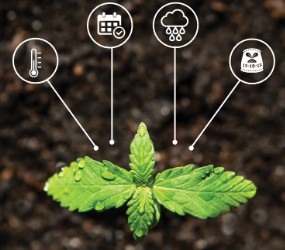
a. Temperature & Humidity
- Vegetative phase: 22–28°C (optimal: 25°C); RH: 55–65%
- Flowering phase: 20–26°C (optimal: 23°C); RH: 40–50%
- Late flowering: 18–22°C at night to encourage color expression and trichome density
Note: Humidity control is vital to prevent botrytis (bud rot), especially in dense colas with skunkier phenotypes.
b. Lighting
- PPFD target (photosynthetic photon flux density):
- Vegetative: 400–600 µmol/m²/s
- Flowering: 700–900 µmol/m²/s (can tolerate >1000 µmol/m²/s with supplemental CO₂)
- Light schedule:
- Vegetative: 18/6 or 20/4 (light/dark hours)
- Flowering: 12/12 strict cycle to induce bloom
Spectrum-rich full-spectrum LEDs (or MH in veg + HPS in flower) support optimized cannabinoid biosynthesis.
Nutritional Requirements and Soil Science
Sweet Island exhibits moderate nutrient demand but responds favorably to organic and living soil systems that enhance terpene profiles.
a. Macronutrients (N-P-K Ratios)
- Vegetative phase: 3-1-2 (balanced N for foliage)
- Early flower: 1-3-2 (shift to P and K)
- Late flower: 0-3-3 (maintain P/K, cut N)
b. Micronutrients
- Needs balanced levels of:
- Calcium and Magnesium (Ca/Mg) for structural integrity and photosynthesis
- Sulfur (S) to enhance thiol-based terpene synthesis (especially skunk and citrus profiles)
c. pH Targets
- Soil: 6.2–6.8
- Hydro/Coco: 5.6–6.1
pH monitoring is crucial to avoid nutrient lockout, particularly with iron and magnesium.
Mediums and Growing Techniques
a. Soil vs. Hydroponics
- Soil (especially super soil): Enhances flavor and terpene richness; ideal for connoisseur crops
- Coco coir: Hybrid between soil and hydro; faster growth than soil but less terpene expression
- Deep water culture (DWC)/NFT: Maximal growth rates and yield, but may reduce flavor complexity
b. Recommended Growing Method:
- Living soil + no-till system with microbial-rich compost, mycorrhizal fungi, and cover crops boosts:
- Terpene expression
- Root efficiency
- Disease resistance
Training & Canopy Management
Due to Sweet Island’s sativa-leaning vertical growth, training is crucial:
a. Low-Stress Training (LST)
- Apply bending techniques early in veg to:
- Promote even canopy
- Enhance light penetration
- Maximize flower site production
b. Topping / FIMing
- Perform in week 3–4 of veg to create bushier structure
- Best to top once, then transition to ScroG (Screen of Green)
c. ScroG Method
- Effective in managing vertical growth
- Increases lateral bud development and uniformity
- Requires early training and maintenance throughout flowering
d. Defoliation
- Performed early and mid-flowering to reduce humidity and increase airflow/light to lower buds
- Must be cautious with sativas to avoid stress-induced hermaphroditism
Flowering Stage Management
Sweet Island’s flowering stage is highly dependent on phenotype and environmental control:
| Parameter | Description |
|---|---|
| Duration | 8–10 weeks (some phenos finish faster) |
| Pistil maturity | 75–90% browning = peak THC |
| Trichome cues | Cloudy with 10–15% amber = ideal harvest |
Late-stage considerations:
- Lower temperatures enhance anthocyanin (purple) expression in cooler climates
- Proper flushing (10–14 days before harvest) enhances flavor and removes excess nutrients
Post-Harvest: Curing and Storage
Proper drying and curing preserves terpenes and cannabinoid potency.
a. Drying
- 10–14 days at 18–20°C, 50–60% RH in dark, ventilated space
- Avoid fans directly on buds (preserves trichomes)
b. Curing
- Use glass jars, burp daily for 2 weeks, then taper off
- Curing at 58–62% RH in jars for 4–8 weeks enhances:
- Terpene stability (limonene and myrcene are volatile)
- Cannabinoid decarboxylation and smoothing of flavor
c. Storage
- Best kept in dark, cool environments
- Avoid plastic or light exposure to prevent terpene degradation
Pest and Disease Management
Sweet Island, though moderately resistant, may face common cannabis threats:
| Threat | Prevention/Treatment |
|---|---|
| Powdery Mildew | Maintain airflow; use sulfur sprays or potassium bicarbonate |
| Spider Mites | Neem oil, predatory mites (Phytoseiulus) |
| Bud Rot (Botrytis) | Prune dense growth, control RH < 50%, use fans |
| Fungus Gnats | Top-dress with sand or diatomaceous earth; use Bacillus thuringiensis israelensis (BTi) |
Organic integrated pest management (IPM) is strongly recommended to protect terpene and cannabinoid integrity.
Maximizing Cannabinoid and Terpene Yields
Scientific research supports various practices for enhancing chemotypic output:
a. Light spectrum modulation
- UVB exposure late in flower can increase trichome and THC production
- Red/Far-red light ratios influence flowering speed and bud density
b. Stress-induced enhancement
- Mild stressors like temperature swings or drought stress in late flower can spike secondary metabolite production (especially terpenes)
c. Microbial soil boosters
- Mycorrhizal fungi and Trichoderma promote nutrient uptake and resilience
- Use of compost teas (actively aerated) enhances microbial diversity and root vitality
Yield Optimization
Growers might anticipate the following under ideal indoor conditions:
- 400–500 g/m² in ScroG setups
- Outdoor plants in large containers or directly in-ground can yield 500–700 g/plant, especially with long vegetative periods
Yield drivers include:
- Proper canopy training
- Light intensity above 700 µmol/m²/s
- CO₂ supplementation (1200–1500 ppm during flowering)
- Nutrient timing (especially phosphorus and potassium)
Pharmacological Interactions
Sweet Island’s chemical profile enables several pharmacological effects through the entourage effect, where cannabinoids and terpenes act synergistically.
a. THC and Myrcene
Myrcene may enhance the permeability of the blood-brain barrier, allowing THC to cross more efficiently, resulting in faster onset of effects.
b. Limonene and Neurochemistry
Limonene has shown anxiolytic and antidepressant effects in preclinical studies through modulation of the HPA axis, reducing cortisol levels and promoting serotonin activity.
c. Caryophyllene as a CB2 Agonist
This terpene is one of the few known to act directly on the CB2 receptor, making it useful in regulating immune function and inflammation, without central nervous system effects.
Potential Adverse Effects
While Sweet Island is generally well-tolerated, it may induce adverse effects, particularly at high doses:
| Side Effect | Mechanism | Risk Factor |
|---|---|---|
| Dry mouth | THC interaction with salivary glands | Common to most strains |
| Dry eyes | THC-induced vasodilation | Manageable with eye drops |
| Paranoia | Excessive THC, low tolerance | Sensitive individuals or high doses |
| Anxiety or jitteriness | Overactivation of limbic system | High doses in sativa-sensitive users |
Mitigation strategies include starting with low doses and titrating upward as tolerance is established.
Comparative Analysis with Similar Strains
| Strain | Comparison Notes |
|---|---|
| Green Crack | More intense sativa effects, less fruity |
| Pineapple Express | Similar tropical flavor, more cinematic fame |
| Lamb’s Bread | Uplifting and Jamaican-rooted, but less skunky |
| Island Sweet Skunk | Often confused or overlapping with Sweet Island |
Sweet Island stands out for its balance of tropical sweetness, moderate potency, and broad-spectrum terpenes.
Research and Scientific Studies
While strain-specific studies are rare, several components of Sweet Island have been studied individually:
- Limonene has demonstrated antidepressant effects in animal models, likely via monoaminergic system enhancement.
- Pinene shows promise in memory retention and anti-inflammatory effects, possibly mitigating some THC-induced memory impairment.
- Caryophyllene is under clinical investigation for its role in treating inflammatory bowel disease and chronic pain.
Research on THCV and CBG—both present in small amounts—indicates neuroprotective, anti-epileptic, and anti-obesity potential, suggesting wider therapeutic applications with more targeted breeding.
Final Summary
Sweet Island is a vibrant, well-balanced sativa-dominant hybrid that blends tropical flavors with functional euphoria. With a moderate THC profile and a terpene-rich chemistry, it stands out as both a recreational staple and a versatile medicinal option. Particularly suitable for daytime use, it uplifts mood, sharpens focus, and reduces mild physical discomforts, all without the overpowering sedation of heavy indicas.
Its cannabinoid-terpene interplay, especially the presence of limonene, myrcene, pinene, and caryophyllene, allows for therapeutic versatility—ranging from mental health support to anti-inflammatory action. Meanwhile, its cultivation appeal and widespread adaptability make it a favorite among growers and users alike.
Sweet Island exemplifies how thoughtfully bred cannabis can meet the needs of both the medical community and recreational connoisseurs, representing the tropical and functional elegance of modern cannabis genetics.
For a complete directory of cultivars, visit our Cannabis Strain Reviews.
