Table of Contents
Sweet Dream is an exceptional cannabis strain celebrated for its well-rounded effects, unique terpene profile, and therapeutic potential. This hybrid strain, which leans slightly toward the indica spectrum, is a cross between Blueberry and a mystery indica parent. Known for its relaxing yet mildly euphoric effects, Sweet Dream has garnered popularity among both recreational and medical cannabis users. Below is an in-depth exploration of its genetic background, physical characteristics, chemical composition, and specific uses.
Genetic Background
Sweet Dream is a hybrid strain with approximately 60% indica and 40% sativa lineage. Its genetics are rooted in Blueberry, a classic strain renowned for its sweet flavor and relaxing effects. The mystery indica parent adds an element of intrigue, likely contributing to its deeply soothing properties and unique terpene profile. This genetic combination ensures a balance of physical relaxation and cerebral stimulation, making Sweet Dream versatile for different uses.
Physical Characteristics
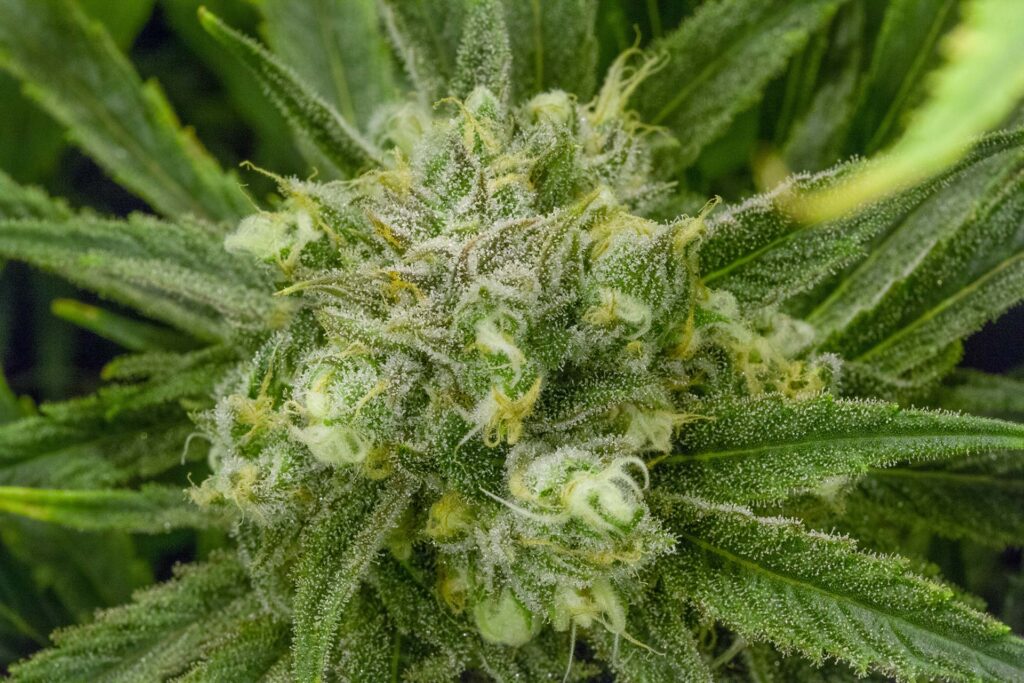
The buds of Sweet Dream are visually stunning, boasting dense, medium-sized nugs that are often cone-shaped. Their color palette includes shades of forest green interspersed with deep purple hues, a trait inherited from its Blueberry parent. These buds are coated with a generous layer of trichomes, giving them a frosty, sticky appearance. Their visual appeal is enhanced by the bright orange pistils that weave among the buds.
Aroma and Flavor Profile
Sweet Dream is aptly named for its delightful aroma and flavor. This strain greets you as you open a jar with a pleasant and fruity fragrance reminiscent of ripe berries, with subtle undertones of earthy spice. Upon inhalation, the flavor mirrors the aroma, delivering a burst of sweetness complemented by hints of herbal and citrus notes. The exhale leaves a lingering taste of berries and a touch of vanilla, making it a favorite among connoisseurs.

Chemical Composition
The chemical profile of Sweet Dream is key to its wide-ranging effects. Below is a breakdown of its primary cannabinoids and terpenes:
Cannabinoids
- THC (Tetrahydrocannabinol): Sweet Dream typically contains THC levels ranging from 18% to 22%, making it a moderately potent strain. This ensures effective psychoactive effects without overwhelming most users.
- CBD (Cannabidiol): The CBD content is relatively low, usually under 1%. However, its presence contributes to modulating the effects of THC, reducing anxiety and enhancing relaxation.
- Minor Cannabinoids: Trace amounts of CBG, CBC, and THCV are also present, which may offer additional therapeutic benefits.
Terpenes
- Myrcene: Dominant in Sweet Dream, myrcene contributes to its relaxing and sedative effects. It also enhances the sweet, fruity aroma.
- Limonene: This terpene imparts citrusy notes and elevates mood, balancing the sedative effects of myrcene.
- Caryophyllene: Known for its spicy, peppery aroma, caryophyllene provides anti-inflammatory benefits and interacts with the body’s endocannabinoid system.
- Pinene: Present in smaller amounts, pinene adds a hint of herbal freshness and may improve focus.
- Linalool: This floral terpene enhances the strain’s calming properties, making it ideal for stress relief and sleep support.
Ingestion Techniques, Duration, Effects, and Onset
Sweet Dream can be consumed in various ways, each with specific onset times, duration, and effects. Here is a detailed analysis:
1. Smoking:
- Method: Smoking involves inhaling the combusted flower using a joint, pipe, or bong.
- Onset: 1–3 minutes.
- Duration: 1–2 hours.
- Effects: Provides a rapid onset of euphoria and relaxation. Smoking is ideal for users seeking immediate relief from stress or pain.
2. Vaporization:
- Method: Vaporizing heats the flower or concentrate to a temperature that releases cannabinoids and terpenes without combustion.
- Onset: 1–5 minutes.
- Duration: 1.5–2.5 hours.
- Effects: Similar to smoking but smoother on the throat and lungs. Vaporization preserves more terpenes, enhancing flavor and therapeutic effects.
3. Edibles:

- Method: Consuming infused products like gummies, chocolates, or baked goods.
- Onset: 30–90 minutes.
- Duration: 4–6 hours.
- Effects: Delayed onset with longer-lasting, body-focused effects. Perfect for treating sleeplessness or chronic discomfort.
4. Tinctures:
- Method: Sublingual administration involves placing drops under the tongue for direct absorption.
- Onset: 15–45 minutes.
- Duration: 2–4 hours.
- Effects: Offers a middle ground between smoking and edibles, with a balanced onset and duration. Useful for precise dosing.
5. Topicals:
- Method: Applied directly to the skin in the form of creams, balms, or patches.
- Onset: 5–20 minutes.
- Duration: Up to 6 hours.
- Effects: Non-psychoactive and effective for localized pain or inflammation. Suitable for arthritis or muscle soreness.
Effects and Recreational Uses
Sweet Dream delivers a balanced high that begins with a cerebral uplift, followed by a wave of physical relaxation. Its effects unfold in stages, making it suitable for various recreational purposes:
- Euphoria and Mood Elevation:
- Sweet Dream’s initial effects include a burst of euphoria and a sense of mental clarity. This makes it a popular choice for social gatherings, creative activities, or simply unwinding after a stressful day.
- Relaxation and Body High:
- As the high progresses, the indica properties take center stage, inducing a profound sense of relaxation. This body high is soothing without being overly sedative, making it ideal for evening use.
- Mild Psychoactive Stimulation:
- The balanced THC levels ensure a pleasant psychoactive experience that enhances sensory perception, making it enjoyable for activities like watching movies, listening to music, or savoring a meal.
- Sleep Support:
- In higher doses, Sweet Dream can act as a sleep aid, helping users drift into a restful slumber.
Medical Applications
Sweet Dream has a wide range of therapeutic applications, making it a go-to strain for medical cannabis users. Below are some of its most common medical uses:
1. Chronic Pain Relief:

The myrcene and caryophyllene content work synergistically to provide anti-inflammatory and analgesic effects. This makes Sweet Dream effective for conditions such as:
- Arthritis
- Fibromyalgia
- Migraines
- Muscle spasms
2. Stress and Anxiety Management:
The calming properties of linalool and limonene help alleviate symptoms of stress, anxiety, and mild depression. Users report feeling a sense of calm and contentment without the risk of couch lock or lethargy.
3. Insomnia Treatment:
In moderate to high doses, Sweet Dream’s sedative effects can assist individuals struggling with insomnia or disrupted sleep patterns. Its ability to induce relaxation and reduce overthinking is particularly beneficial for sleep onset.
4. Appetite Stimulation:
THC’s interaction with the endocannabinoid system stimulates appetite, making Sweet Dream a suitable option for individuals dealing with:
- Loss of appetite brought on by chemotherapy or other medical procedures
- Eating disorders like anorexia
5. Neurological Conditions:
Preliminary research suggests that Sweet Dream’s combination of cannabinoids and terpenes may be helpful for controlling neurological disease symptoms, including:
- Multiple Sclerosis (MS)
- Epilepsy
- Parkinson’s disease
Scientific Insights
The effects of Sweet Dream are primarily attributed to its unique interaction with the body’s endocannabinoid system (ECS). Below is a scientific overview of its mechanisms:
- Cannabinoid Receptor Interaction:
- THC binds to CB1 receptors in the brain, resulting in mood elevation and mild euphoria.
- Caryophyllene acts as a CB2 receptor agonist, contributing to its anti-inflammatory effects.
- Entourage Effect:
- The combination of cannabinoids and terpenes creates an “entourage effect,” where the therapeutic benefits are enhanced due to their synergistic interaction.
- Neuroprotective Properties:
- The presence of minor cannabinoids and antioxidants in Sweet Dream may offer neuroprotective benefits by reducing oxidative stress and inflammation in the brain.
- Terpene Influence on Effects:
- Myrcene and linalool modulate the psychoactive effects of THC, creating a more balanced and user-friendly experience.
Cultivation Information
Sweet Dream is a moderately challenging strain to cultivate, making it suitable for growers with some experience. Here are the key cultivation details:
- Growing Environment:
- This strain thrives in both indoor and outdoor environments, but controlled indoor conditions are preferred for maximizing yield and potency.
- Optimal temperature range: 70–85°F (21–29°C).
- Flowering Time:
- Indoor: 8–10 weeks
- Outdoor: Late September to early October (in the Northern Hemisphere)
- Yield:
- Indoor: Approximately 400–500 grams per square meter
- Outdoor: 600 grams or more per plant
- Plant Characteristics:
- Medium height with sturdy branches
- Has to be pruned frequently to guarantee enough light penetration and air circulation.
- Pest and Mold Resistance:
- Sweet Dream is moderately resistant to pests and mold but benefits from preventive measures such as proper ventilation and humidity control.
User Testimonials
Sweet Dream has received overwhelmingly positive feedback from users. Below are some anecdotal experiences:
- Recreational User:
- “I love Sweet Dream for its ability to relax my body while keeping my mind clear. It’s perfect for winding down after work without feeling groggy.”
- Medical User:
- “Sweet Dream was a fantastic introduction for someone who was new to cannabis. I can finally enjoy a good night’s sleep without relying on over-the-counter meds.”
- First-Time User:
- “Sweet Dream was a fantastic introduction for someone who was new to cannabis. The effects were gentle yet noticeable, and the taste was amazing!”
Potential Side Effects
While Sweet Dream is well-tolerated by most users, some potential side effects include:
- Dry Mouth and Eyes:
- These typical adverse effects might be lessened by drinking plenty of water.
- Mild Anxiety or Paranoia:
- High doses may cause anxiety in individuals sensitive to THC.
- Drowsiness:
- In larger quantities, Sweet Dream’s sedative effects may lead to excessive drowsiness.
Conclusion
Sweet Dream is a versatile cannabis strain that offers a harmonious blend of relaxation and euphoria. Its balanced effects, delightful flavor, and therapeutic potential make it a standout choice for both recreational and medical users. Whether you’re seeking relief from pain, stress, or insomnia, or simply want to enhance your leisure activities, Sweet Dream delivers a reliable and enjoyable experience.
For a complete directory of cultivars, visit our Cannabis Strain Reviews.
