Table of Contents
Sweet Deep Grapefruit is a hybrid cannabis strain known for its delightful fruity aroma and balanced effects. Created by crossing two iconic parent strains, Grapefruit and Blueberry, Sweet Deep Grapefruit combines the best traits of its lineage. This strain is particularly favored by users seeking a flavorful and aromatic experience, complemented by a balanced high that suits both recreational and medical users.
With its sativa-indica hybrid profile, Sweet Deep Grapefruit leans slightly toward the indica side, typically presenting a 60% indica and 40% sativa composition. The strain is characterized by its vibrant, dense buds, which are covered in a generous layer of resinous trichomes, signaling its potency and appeal.
Genetic Lineage
- Parent Strain 1: Grapefruit Grapefruit is a sativa-dominant strain known for its sharp, citrusy aroma and energizing effects. It contributes the fruity zest and uplifting qualities to Sweet Deep Grapefruit.
- Parent Strain 2: Blueberry Blueberry, a classic indica strain, is famous for its sweet berry flavors and relaxing effects. It provides the calming, body-focused high and enhances the overall sweetness of Sweet Deep Grapefruit.
Appearance, Aroma, and Flavor
Appearance: Sweet Deep Grapefruit buds are compact and dense, displaying a mix of vibrant green hues with hints of purple. The buds are often accentuated by bright orange pistils and a heavy coating of icy trichomes, which make them look glistening.
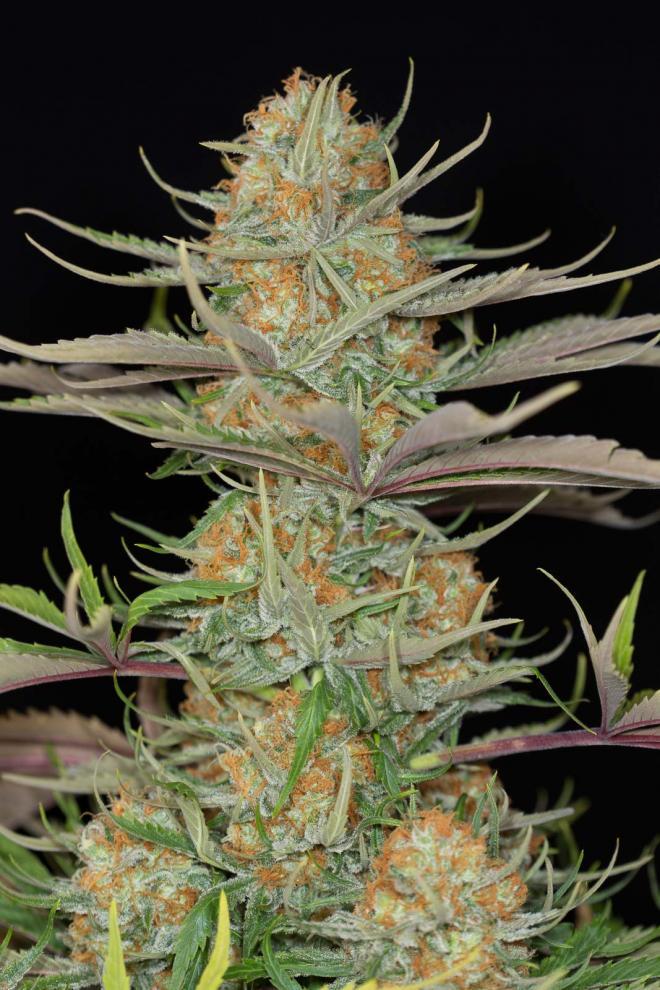
Aroma: One of the strain’s most unique characteristics is its scent. As the name suggests, Sweet Deep Grapefruit offers a robust citrus scent reminiscent of fresh grapefruit, balanced by undertones of sweet berries and earthy notes. When broken apart, the buds release a more complex bouquet of fruity and herbal fragrances.
Flavor: The flavor profile mirrors its aroma, with dominant notes of citrus and sweetness. Upon inhalation, users are greeted with the tangy zest of grapefruit, followed by a smooth, sugary finish that leaves a lingering berry aftertaste.
Terpene Profile
The unique aroma and flavor of Sweet Deep Grapefruit are attributed to its rich terpene profile. Key terpenes include:
- Limonene: Dominant in Sweet Deep Grapefruit, limonene is responsible for its citrusy aroma and uplifting effects. This terpene is also associated with stress relief and mood enhancement.
- Myrcene: Commonly found in indica strains, myrcene contributes to the strain’s relaxing and sedative properties. It also adds earthy undertones to the aroma.
- Pinene: Pinene lends a hint of piney freshness to the strain’s profile and is known for its possible bronchodilatory and anti-inflammatory properties.
- Caryophyllene: This spicy, peppery terpene is known for its potential anti-inflammatory and analgesic properties. It adds a subtle kick to the flavor profile.
Cannabinoid Content
Sweet Deep Grapefruit typically boasts a THC content ranging between 18% and 22%, making it reasonably strong and appropriate for a variety of consumers. The strain’s CBD levels are generally low, often below 1%, but its balanced effects make it a flexible option for both medical and recreational users.
Breakdown of Cannabinoids:
- THC: 18-22%
- CBD: <1%
- CBG: ~0.5% (varies by cultivation conditions)
Effects and Uses
Recreational Effects: Sweet Deep Grapefruit’s balanced hybrid profile delivers a high that begins with a cerebral buzz, courtesy of its sativa genetics, before transitioning into a calming body high from its indica side. Key recreational effects include:
- Euphoria and Upliftment: The initial onset is characterized by a burst of happiness and positivity, making it perfect for creative projects or social situations.
- Relaxation: As the high progresses, a soothing body relaxation sets in, helping users unwind after a long day.
- Sensory Enhancement: The strain’s flavor and aroma, combined with its effects, enhance sensory experiences, making it a popular choice for activities like listening to music or enjoying nature.
Medical Applications: Sweet Deep Grapefruit is celebrated for its therapeutic potential, offering relief from a variety of conditions. These are a few of its main medical applications.
- Stress and Anxiety Relief: The uplifting and calming effects of this strain make it effective for managing stress, anxiety, and mild depression. The limonene content further contributes to its mood-enhancing properties.
- Pain Management: The indica-dominant effects provide relief from chronic pain, migraines, and muscle spasms. Caryophyllene, with its potential anti-inflammatory properties, enhances this benefit.
- Insomnia: For users struggling with sleep issues, the strain’s relaxing body high can help induce sleep when consumed in higher doses.
- Appetite Stimulation: Sweet Deep Grapefruit may help increase appetite, making it beneficial for patients undergoing treatments like chemotherapy.
Sweet Deep Grapefruit Cultivation Guide
Plant Characteristics
- Type: 60% indica and 40% sativa make up this indica-dominant mix.
- Height: Medium to tall growth, typically reaching 1.5 to 2 meters outdoors.
- Structure: Dense and bushy, with strong lateral branching.
- Flowering Time: 55-65 days indoors; harvest typically occurs in late September to early October outdoors.
- Yield: High-yielding strain, producing 500-600 grams per square meter indoors and up to 800 grams per plant outdoors under optimal conditions.
Optimal Growing Conditions
Climate
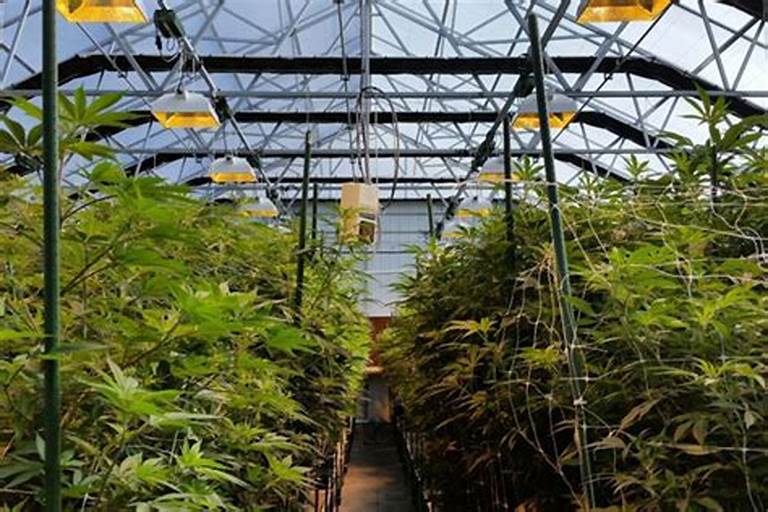
- Sweet Deep Grapefruit thrives in Mediterranean-like climates with warm temperatures, low humidity, and plenty of sunlight.
- Ideal temperature range: 20-28°C (68-82°F).
- Relative humidity (RH):
- Vegetative stage: 50-70%.
- Flowering stage: 40-50% (to prevent mold and mildew).
Light Requirements
- Indoor: Responds well to high-intensity lights such as LEDs or HPS systems with a light cycle of 18/6 (vegetative stage) and 12/12 (flowering stage).
- Outdoor: Requires 6-8 hours of direct sunlight daily for optimal growth.
Soil and Growing Mediums
Soil
- Prefers nutrient-rich, well-draining soil with a slightly acidic pH of 6.0-6.5.
- Adding organic amendments like compost, bat guano, or worm castings enhances soil fertility and improves flavor.
Hydroponics
- Sweet Deep Grapefruit can be grown hydroponically for faster growth and higher yields.
- Recommended pH for hydroponic systems: 5.5-6.0.
- Ensure sufficient oxygenation of the root zone using air stones or other aeration systems.
Coco Coir
- Offers a balance between soil and hydroponics, providing better control over nutrient delivery and water retention.
Nutrient Requirements
Vegetative Stage
- Nitrogen (N): High levels are essential for healthy foliage and vigorous growth.
- Phosphorus (P) and Potassium (K): Moderate levels support root development and overall plant health.
Flowering Stage
- Reduce nitrogen levels and increase phosphorus and potassium to promote bud development and resin production.
- Supplement with calcium (Ca) and magnesium (Mg) to prevent deficiencies, especially in hydroponic systems.
Micronutrients
- Trace elements such as iron, zinc, and manganese are vital for metabolic processes and terpene synthesis.
Feeding Schedule
- Use a balanced NPK formula (e.g., 3-1-2) during the vegetative stage and switch to a bloom formula (e.g., 1-3-2) during flowering.
- Flush the plants with plain water 1-2 weeks before harvest to improve flavor by removing excess nutrients.
Watering Practices
- Watering frequency depends on the growing medium and environmental conditions.
- Avoid overwatering, as Sweet Deep Grapefruit’s dense root system is prone to root rot in waterlogged conditions.
- Use pH-balanced water (6.0-6.5 for soil; 5.5-6.0 for hydroponics) to prevent nutrient lockout.
- Install drip irrigation systems to ensure that moisture is delivered consistently.
Training Techniques
Low-Stress Training (LST)
- To increase light exposure and provide an equal canopy, tie down branches.
- Promotes larger yields by increasing bud sites.
Screen of Green (ScrOG)
- Use a screen to train the plant horizontally, encouraging even growth and maximizing light penetration.
Topping and Pruning
- Topping: Cut the main stem during the vegetative stage to encourage lateral growth.
- Pruning: Remove lower leaves and small branches to focus the plant’s energy on upper bud development.
Pest and Disease Management
Common Pests
- Aphids, whiteflies, and spider mites are common pests.
- Use organic insecticides like neem oil or introduce natural predators like ladybugs for control.
Diseases
- Prone to powdery mildew and bud rot in high-humidity conditions.
- Improve airflow with oscillating fans and ensure proper spacing between plants.
- Apply fungicides or sulfur sprays as preventive measures during early growth stages.
Harvesting and Post-Harvest Care
Harvesting
- Sweet Deep Grapefruit is ready for harvest when trichomes transition from clear to milky white with a few turning amber (indicative of peak potency).
- Pistils should be mostly brown or orange, with minimal white hairs remaining.
Drying
- Hang trimmed branches upside-down in a dark, well-ventilated room with a temperature of 20-22°C (68-72°F) and RH of 50-60%.
- Drying typically takes 7-10 days, ensuring buds are crisp on the outside but not brittle.
Curing
- Place dried buds in airtight glass jars, opening daily for the first two weeks to release moisture and allow air exchange.
- Cure for 2-4 weeks to enhance flavor, aroma, and smoothness.
Yield Optimization Tips
- Use high-quality genetics from reputable seed banks to ensure consistent results.
- Optimize light intensity and spectrum during the flowering stage to boost resin production.
- Maintain a stable environment with minimal temperature and humidity fluctuations.
- Regularly inspect for pests and diseases to prevent infestations.
Scientific Insights
Cannabinoid Interactions: The high THC content in Sweet Deep Grapefruit interacts with the endocannabinoid system’s CB1 receptors, leading to its psychoactive effects. Meanwhile, the presence of minor cannabinoids like CBG can modulate these effects, potentially enhancing its therapeutic value.
Terpene-Cannabinoid Synergy: The combination of terpenes and cannabinoids in Sweet Deep Grapefruit exemplifies the “entourage effect,” where the compounds work together to enhance the strain’s overall effects. For instance, limonene and THC synergize to uplift mood, while myrcene amplifies relaxation.
Cultivation Factors: Sweet Deep Grapefruit is a relatively easy strain to cultivate, making it a favorite among growers. It thrives in both indoor and outdoor environments, with a flowering period of 55-65 days. The strain’s resistance to common pests and diseases further adds to its appeal. When grown under optimal conditions, it can produce generous yields of resin-rich buds.
Methods of Ingestion
Sweet Deep Grapefruit can be consumed in several forms, each offering unique experiences based on onset time, duration, and bioavailability:
1. Smoking
- Mechanism: Combustion of the flower produces smoke, which is inhaled into the lungs.
- Onset: Effects are felt within 1-5 minutes due to rapid absorption through the alveoli in the lungs.
- Duration: Typically lasts 2-4 hours.
- Advantages:
- Immediate relief, ideal for acute pain or stress.
- Full experience of the strain’s terpene profile.
- Disadvantages:
- The respiratory system may become irritated by combustion byproducts.
- Reduced terpene retention compared to other methods.
2. Vaporization
- Mechanism: Heats the cannabis to a temperature that vaporizes cannabinoids and terpenes without combustion.
- Onset: Similar to smoking, effects are felt within 1-5 minutes.
- Duration: Effects last 2-4 hours.
- Advantages:
- Preserves terpenes and cannabinoids, offering a cleaner flavor and experience.
- Reduces exposure to harmful combustion byproducts.
- Disadvantages:
- Requires a vaporizer, which may not be accessible to all users.
3. Edibles
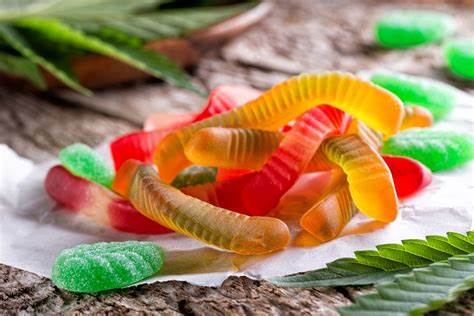
- Mechanism: Cannabis is infused into food or drink, undergoing digestion and liver metabolism.
- Onset: Delayed onset of 30 minutes to 2 hours, depending on metabolic rate and stomach contents.
- Duration: Prolonged effects lasting 6-8 hours, with some residual effects persisting for up to 12 hours.
- Advantages:
- Long-lasting effects make it suitable for chronic conditions like pain or insomnia.
- No respiratory irritation.
- Disadvantages:
- Difficult to dose accurately.
- Overconsumption risk because to delayed onset.
4. Tinctures and Sublingual Sprays
- Mechanism: Administered under the tongue for absorption through the oral mucosa.
- Onset: Effects are felt within 15-30 minutes.
- Duration: Lasts 4-6 hours.
- Advantages:
- Faster onset than edibles, with easier dosing.
- Discreet and convenient.
- Disadvantages:
- Potentially irritate delicate oral tissues.
5. Topicals
- Mechanism: Cannabis-infused creams or balms applied to the skin for localized relief.
- Onset: Effects felt within 15-30 minutes.
- Duration: Effects last 2-4 hours.
- Advantages:
- Non-psychoactive, ideal for localized pain or inflammation.
- Disadvantages:
- Limited to peripheral effects, not systemic.
Onset and Duration by Ingestion Method
| Method | Onset Time | Duration | Use Case |
|---|---|---|---|
| Smoking | 1-5 minutes | 2-4 hours | Quick relief for acute symptoms. |
| Vaporization | 1-5 minutes | 2-4 hours | Cleaner, flavorful experience with fast relief. |
| Edibles | 30 minutes to 2 hours | 6-8 hours | Chronic pain, extended relief, or sleep support. |
| Sublingual/Tincture | 15-30 minutes | 4-6 hours | Moderate onset speed with easier dosing. |
| Topicals | 15-30 minutes | 2-4 hours | Localized relief for pain, inflammation, or skin issues. |
Effects Based on Onset and Duration
Sweet Deep Grapefruit’s balanced hybrid nature produces distinct effects depending on the method of ingestion, dose, and user tolerance.
Short-Term Effects
- Cerebral Uplift: The sativa-dominant onset delivers a euphoric, uplifting mental buzz that can enhance mood and creativity.
- Relaxation: The indica properties follow, leading to a soothing body high that eases tension and promotes relaxation.
- Sensory Enhancement: Users often report heightened sensory perception, making it suitable for engaging activities like music or art.
- Appetite Stimulation: The strain’s terpenes and THC content can induce hunger, often referred to as the “munchies.”
Long-Term Effects
- Prolonged Relaxation: Ingesting Sweet Deep Grapefruit in forms like edibles extends its sedative effects, aiding in chronic pain and insomnia.
- Mood Stability: Regular use may contribute to improved stress management and reduced anxiety levels over time.
Mechanisms Behind Effects
Onset Dynamics
- Smoking and vaporization offer rapid onset because cannabinoids are absorbed directly into the bloodstream through the lungs.
- Edibles have delayed onset due to the metabolic conversion of THC into 11-hydroxy-THC in the liver, which is more potent and longer-lasting than delta-9 THC.
Duration Factors
- Rapid onset methods (e.g., smoking) have shorter durations as cannabinoids are metabolized and excreted quickly.
- Slower onset methods (e.g., edibles) allow cannabinoids to be released gradually, extending the effects.
Cannabinoid-Terpene Interaction
- The synergy between THC and terpenes like limonene and myrcene enhances Sweet Deep Grapefruit’s effects:
- Limonene + THC: Boosts mood and reduces stress.
- Myrcene + THC: Promotes sedation and pain relief.
- Caryophyllene: Modulates inflammation through CB2 receptor activation, complementing THC’s analgesic effects.
Scientific Observations on Dosage and Tolerance
Dosage Guidance
- Beginner Users: Start with 1-2 mg of THC via sublingual or edibles to avoid overwhelming psychoactive effects.
- Intermediate Users: 5-10 mg of THC, smoked or vaped, offers balanced effects suitable for relaxation or social activities.
- Experienced Users: 15-25 mg of THC, in any form, caters to those with higher tolerance, providing full-bodied effects.
Tolerance Build-Up
- Regular use of Sweet Deep Grapefruit may lead to increased tolerance, requiring higher doses to achieve the same effects.
- To prevent this: Rotate strains with varying cannabinoid profiles.
- Incorporate tolerance breaks of 48-72 hours periodically.
Potential Side Effects
While Sweet Deep Grapefruit is generally well-tolerated, some users may experience mild side effects, especially if consumed in large quantities. These include:
- Dry Mouth and Eyes: Common with most cannabis strains, users should stay hydrated to mitigate these effects.
- Dizziness or Anxiety: In rare cases, high doses may lead to feelings of dizziness or anxiousness, especially in those who are THC sensitive.
- Mild Paranoia: Overconsumption can occasionally cause paranoia, emphasizing the importance of starting with a low dose, especially for beginners.
Sweet Deep Grapefruit in Popular Culture
Sweet Deep Grapefruit has gained a loyal following in cannabis communities due to its unique flavor and balanced effects. It is frequently praised in online forums and reviews, with users highlighting its versatility for both day and evening use. The strain’s popularity has also led to its presence in various cannabis competitions and dispensary menus worldwide.
Conclusion
Sweet Deep Grapefruit stands out as a premium cannabis strain, offering a harmonious blend of flavors, aromas, and effects. Its genetic lineage ensures a rich sensory experience, while its balanced high caters to both recreational and medical users. Whether you’re a seasoned cannabis enthusiast or a newcomer, Sweet Deep Grapefruit provides a delightful and therapeutic journey worth exploring.
For a complete directory of cultivars, visit our Cannabis Strain Reviews.
