Table of Contents
Sweet Baby Jane is a popular cannabis strain celebrated for its balanced effects, distinctive aroma, and diverse therapeutic potential. As a hybrid strain, Sweet Baby Jane offers a harmonious blend of indica and sativa characteristics, making it versatile for both medical and recreational users. This document provides an in-depth exploration of the strain, covering its genetic background, cannabinoid profile, terpenes, effects, and specific applications for medical and recreational purposes.
Genetic Background
Sweet Baby Jane is the result of a careful crossbreeding process, typically involving prominent indica and sativa parents. While exact lineage details may vary depending on the grower, the strain often combines a sweet, dessert-like sativa with a relaxing and earthy indica. This hybridization aims to capture the best attributes of both lineages, resulting in a strain that is flavorful, potent, and well-balanced.
Cannabinoid Profile
Sweet Baby Jane boasts a diverse and potent cannabinoid profile:
- THC Content:
- Typically ranges between 18-24%, providing a moderate to strong psychoactive effect suitable for experienced users and those seeking robust therapeutic effects.
- CBD Content:
- CBD levels are generally low, averaging less than 1%. However, this doesn’t diminish its medical value, as its high THC content often works synergistically with other cannabinoids and terpenes to enhance therapeutic outcomes.
- Minor Cannabinoids:
- CBG (Cannabigerol): Typically, around 1%, contributing anti-inflammatory and neuroprotective effects.
- CBC (Cannabichromene): Often found in trace amounts, offering additional mood-enhancing and analgesic benefits.
Terpene Profile
The terpene profile of Sweet Baby Jane plays a significant role in its flavor, aroma, and effects:
- Myrcene:
- Dominant terpene, lending earthy and musky notes with a hint of fruitiness. It is well-known for having tranquil and relaxing effects.
- Limonene:
- Provides a citrusy, refreshing aroma and is associated with mood elevation and stress relief.
- Caryophyllene:
- Adds a spicy, peppery undertone. This terpene also interacts with the body’s endocannabinoid system, offering anti-inflammatory benefits.
- Pinene:
- Contributes a piney aroma and promotes mental clarity and focus.
- Linalool:
- Offers floral and lavender notes, enhancing the strain’s relaxing effects.
Aroma and Flavor Profile

Sweet Baby Jane lives up to its name with a sweet, dessert-like aroma that combines fruity, citrusy, and earthy undertones. Upon inhalation, users often detect:
- A sweet, sugary taste that makes you think of baked foods.
- Citrus highlights, particularly lemon and orange.
- Earthy and herbal backnotes that ground the flavor.
- Subtle floral and spicy hints on the exhale.
Effects and Experience
The effects of Sweet Baby Jane are well-balanced, making it a favorite among users seeking a combination of physical rest and cerebral stimulation:
- Onset:
- Users often report a quick onset of effects, starting with a cerebral buzz that promotes euphoria and creativity.
- Mid-Experience:
- The sativa-like uplift transitions into a calm, focused state, making it ideal for daytime use without inducing couch lock.
- Conclusion:
- As the effects wane, a gentle wave of relaxation spreads throughout the body, leaving users feeling at ease without excessive sedation.
Specific Medical Uses
Sweet Baby Jane is widely recognized for its therapeutic potential, addressing a range of medical conditions:

- Mental Health:
- Stress and Anxiety: The strain’s uplifting and calming effects make it effective for alleviating stress and mild to moderate anxiety.
- Depression: Sweet Baby Jane’s mood-enhancing properties can help reduce feelings of sadness and improve emotional balance.
- Pain Management:
- Chronic pain conditions such as arthritis, migraines, and fibromyalgia often respond well to the strain’s analgesic properties.
- Acute pain relief is also achievable, thanks to its potent THC content.
- Sleep Disorders:
- While not as sedative as pure indicas, Sweet Baby Jane’s myrcene content can help users unwind and improve sleep quality for those with mild insomnia.
- Appetite Stimulation:
- The strain is known to induce hunger, making it beneficial for individuals undergoing chemotherapy or dealing with eating disorders.
- Neurological Conditions:
- The presence of minor cannabinoids like CBG may offer neuroprotective benefits, potentially aiding conditions like multiple sclerosis or Parkinson’s disease.
Recreational Uses
Sweet Baby Jane is equally popular among recreational users due to its enjoyable effects and versatility:
- Social Settings:
- The strain’s uplifting and euphoric properties make it ideal for social gatherings, enhancing conversations and laughter without overwhelming the user.
- Creative Activities:
- Artists, writers, and musicians often turn to Sweet Baby Jane for its ability to spark creativity and focus.
- Outdoor Adventures:
- The mild energy boost and mental clarity it provides are perfect for hiking, picnics, or other light recreational activities.
- Relaxation:
- Whether at the end of a long day or during a leisurely weekend, Sweet Baby Jane helps users unwind without inducing excessive drowsiness.
Methods of Ingestion, Duration, Onset, and Effects for Sweet Baby Jane Cannabis Strain
1. Methods of Ingestion
Sweet Baby Jane can be consumed in a variety of ways, each impacting the onset, duration, and intensity of effects differently:
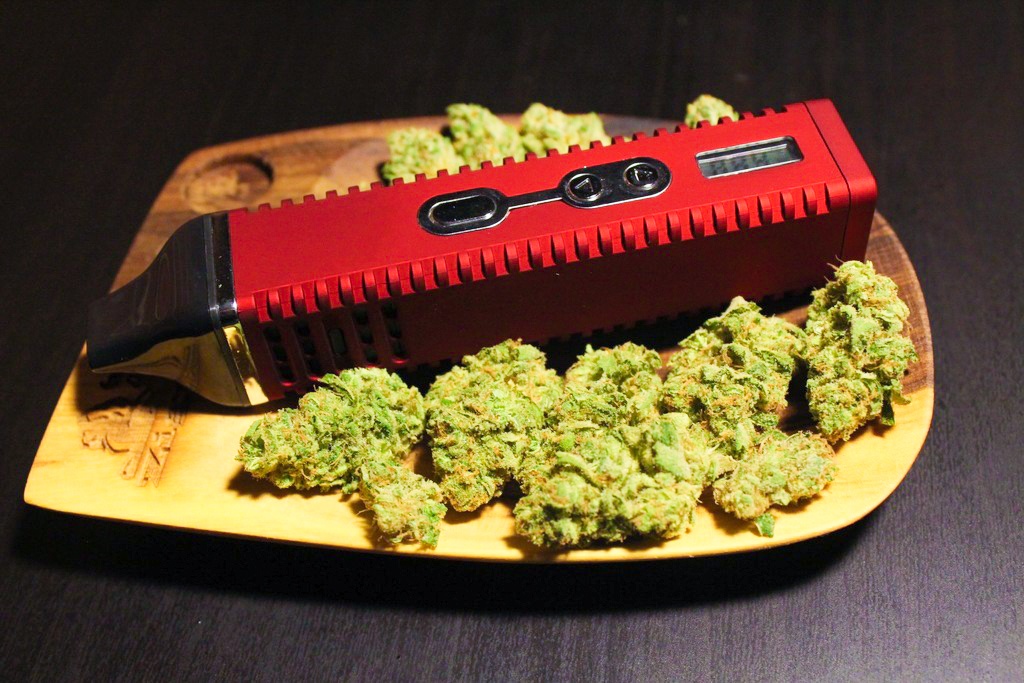
- Smoking: The most common method, smoking provides a rapid onset of effects due to direct absorption into the bloodstream via the lungs. Effects are typically felt within 1-5 minutes and last 1-3 hours.
- Vaporizing: Similar to smoking but considered healthier, vaporizing heats the flower or concentrate to release cannabinoids without combustion. Effects are immediate, lasting 1-3 hours.
- Edibles: Edible forms include gummies, chocolates, and baked goods. Effects take longer to manifest (30 minutes to 2 hours) due to digestion and liver processing but last much longer, typically 4-8 hours.
- Tinctures and Sublingual: For quick absorption, liquid cannabis extracts are applied beneath the tongue. Onset is usually 15-45 minutes, with effects lasting 2-4 hours.
- Topicals: Creams and balms infused with cannabinoids are applied to the skin. They do not produce psychoactive effects but provide localized relief lasting up to several hours.
- Dabbing: Concentrates like wax or shatter are heated and inhaled. This method delivers a potent and immediate effect, ideal for experienced users.
2. Duration and Onset of Effects
The timing of effects varies based on the chosen ingestion method:
- Smoking/Vaping:
- Onset: Within 1-5 minutes.
- Duration: Effects taper off after 1-3 hours.
- Edibles:
- Onset: Delayed, usually 30 minutes to 2 hours.
- Duration: Sustained effects lasting 4-8 hours, with a peak around 2-4 hours after ingestion.
- Tinctures:
- Onset: Moderate, typically 15-45 minutes.
- Duration: Effects last 2-4 hours, depending on the dose.
- Topicals:
- Onset: Immediate to 30 minutes.
- Duration: Lasts for up to 4 hours, depending on the application area.
3. Effects
Sweet Baby Jane offers a balanced profile of effects:
- Initial Phase: A cerebral buzz with euphoric and uplifting sensations. Users may feel more talkative and sociable, making it ideal for creative or social activities.
- Middle Phase: A shift to calm focus and relaxation without sedation. Suitable for tasks requiring mild concentration or for unwinding during the day.
- Final Phase: As effects wane, a gentle body relaxation becomes more prominent, promoting tranquility without couch lock or drowsiness.
Key Considerations for Each Method:
- Smoking and Vaping: Best for immediate symptom relief.
- Edibles: Suitable for sustained effects, ideal for chronic conditions.
- Topicals: Effective for localized issues like joint pain or skin inflammation.
Cultivation Methods for Sweet Baby Jane Cannabis Strain
1. Cultivation Techniques
Sweet Baby Jane can be grown using various methods, each tailored to optimize its unique characteristics, such as terpene profile, yield, and cannabinoid content.
- Soil Cultivation:
- Growing in organic soil enhances the strain’s terpene profile, resulting in more pronounced flavors and aromas.
- Nutrient-rich soil with appropriate pH levels (6.0-6.8) ensures optimal growth and health.
- Hydroponics:
- Gives exact control over the distribution of nutrients, encouraging quicker growth and greater harvests.
- Requires careful monitoring of pH and electrical conductivity (EC) levels.
- Aeroponics:
- To maximize oxygen absorption, roots are misted with nutritional solutions and suspended in the air.
- While this method is resource-intensive, it often results in superior cannabinoid and terpene content.
- Greenhouse Cultivation:
- Combines natural sunlight with controlled indoor conditions, striking a balance between cost-efficiency and quality.
- Beneficial for climates with unpredictable weather, allowing for extended growing seasons.
- Outdoor Cultivation:
- Best suited for regions with Mediterranean climates.
- Requires attention to pest control and weather conditions, as plants are more exposed to environmental variables.
2. Lighting Requirements
Lighting plays a critical role in the growth and development of Sweet Baby Jane plants:
- Vegetative Stage:
- Requires 18-24 hours of light daily to promote robust leaf and stem development.
- LED or high-intensity discharge (HID) lights are commonly used indoors.
- Flowering Stage:
- Light cycles are reduced to 12 hours on and 12 hours off to trigger flowering.
- Adequate lighting during this phase enhances bud density and cannabinoid production.
3. Nutritional Needs
- Vegetative Phase:
- High levels of nitrogen (N) are required to support foliage growth.
- Moderate levels of phosphorus (P) and potassium (K) are also essential.
- Flowering Phase:
- Nutritional focus shifts to higher phosphorus and potassium levels to stimulate bud production.
- Excessive nitrogen during flowering can inhibit bud growth and reduce resin production.
- Micronutrients:
- Calcium, magnesium, and sulfur are critical throughout all stages.
- Regular supplementation prevents deficiencies that can hinder growth.
4. Environmental Conditions
- Temperature:
- Ideal range: 70-85°F (21-29°C).
- Nighttime temperatures should not drop below 60°F (15°C) to prevent stress.
- Humidity:
- Vegetative stage: 60-70% relative humidity.
- Flowering stage: 40-50% to reduce the risk of mold and mildew.
- Air Circulation:
- Adequate airflow prevents the accumulation of excess moisture, reducing mold risks.
- Fans and ventilation systems ensure consistent temperature and humidity levels.
5. Training Techniques
Cultivators often use training methods to optimize light exposure and boost yields:
- Low-Stress Training (LST):
- Involves gently bending and securing branches to increase light penetration.
- Topping:
- To promote the growth of several colas, cut off the main stem.
- Screen of Green (ScrOG):
- A screen is used to spread branches horizontally, ensuring even light distribution.
- Defoliation:
- Removing excess leaves to improve airflow and light access to lower branches.
6. Pest and Disease Management
While Sweet Baby Jane is relatively resistant to common pests, proactive measures are essential:
- Integrated Pest Management (IPM):
- Aphids and spider mites can be managed by using natural predators such as ladybugs.
- Organic Sprays:
- Neem oil or insecticidal soap can deter pests without harming plants.
- Disease Prevention:
- Maintain optimal humidity levels to prevent powdery mildew and botrytis (bud rot).
7. Harvesting and Post-Harvest Processing
- Harvest Timing:
- Monitor trichomes with a magnifying glass. Milky trichomes indicate peak THC levels, while amber trichomes suggest more sedative effects.
- Drying:
- Hang buds in a dark, well-ventilated area at 60-70°F with 50-60% humidity for 7-10 days.
- Curing:
- Store dried buds in airtight jars, burping them daily to release excess moisture and enhance flavor and potency.
Scientific Basis for Effects
The effects of Sweet Baby Jane are grounded in its unique interaction with the endocannabinoid system (ECS):
- THC Interaction:
- THC binds to CB1 receptors in the brain, triggering the release of dopamine and producing euphoria and relaxation.
- Terpene Synergy:
- Terpenes like myrcene enhance THC’s permeability, intensifying its effects.
- Limonene and caryophyllene contribute to stress relief and anti-inflammatory effects.
- Entourage Effect:
- The combined action of cannabinoids and terpenes creates a synergistic effect, amplifying therapeutic benefits beyond what individual compounds can achieve.
- Neuroprotective Potential:
- Research suggests that cannabinoids like CBG and CBC may protect neurons and reduce inflammation, offering hope for neurodegenerative conditions.
Precautions and Side Effects
While Sweet Baby Jane is generally well-tolerated, users should be aware of potential side effects:
- Common Side Effects:
- Dry mouth and eyes.
- Mild dizziness or headaches, especially in new users or those sensitive to THC.
- Overconsumption:
- Excessive use may lead to heightened anxiety or paranoia.
- To determine their tolerance, beginners should begin with a little dosage.
- Drug Interactions:
- Users on medications should consult a healthcare provider, as THC can interact with certain drugs, including blood thinners and antidepressants.
Market Availability
Sweet Baby Jane is widely available in legal cannabis markets. It is available for purchase in a number of ways:
- Flower:
- Dried buds for smoking or vaporizing.
- Concentrates:
- Extracts like wax, shatter, or oils for more potent effects.
- Edibles:
- Drinks, chocolates, and gummies that have been infused.
- Topicals:
- balms and creams that relieve regional pain without having a psychotropic effect.
- Pre-rolls:
- Conveniently rolled joints for immediate use.
Conclusion
Sweet Baby Jane is a versatile and well-balanced hybrid cannabis strain, offering a wide range of various advantages for both recreational and medical users. Its harmonious effects, delightful aroma, and manageable growth requirements make it a favorite among cultivators and consumers alike. Whether used to alleviate pain, reduce stress, or enhance a social gathering, Sweet Baby Jane continues to stand out as a reliable and enjoyable strain.
Ongoing research into its cannabinoid and terpene interactions holds promise for unlocking even more therapeutic potential, solidifying its place in the ever-evolving cannabis industry.
For a complete directory of cultivars, visit our Cannabis Strain Reviews.
