Table of Contents
Sweet and Sour Widow is a balanced hybrid strain that stands out for its unique 1:1 THC to CBD ratio, making it an exceptional choice for individuals seeking the benefits of cannabis without overpowering psychoactive effects. Developed by CBD Crew, this strain is a variant of the famed White Widow lineage, modified to emphasize therapeutic applications and a more approachable user experience. Below is an in-depth examination of Sweet and Sour Widow, including its genetics, cultivation, chemical composition, effects, medical uses, recreational appeal, and scientific background.
Genetics and Origins
Sweet and Sour Widow originates from a cross between White Widow, a strain celebrated for its potency and resin production, and an undisclosed hybrid that lends additional sativa qualities. The strain maintains a 70% indica to 30% sativa ratio, reflecting its dominance in relaxing and soothing effects, while still offering a mild uplifting edge characteristic of sativas.
CBD Crew, a collaboration between Mr. Nice Seedbank and Resin Seeds, specifically bred Sweet and Sour Widow to provide a balanced cannabinoid profile. By adjusting the genetics to emphasize CBD content, the breeders created a strain that caters to medicinal and recreational consumers seeking a less psychoactive experience.
Appearance, Aroma, and Flavor Profile
Visual Characteristics
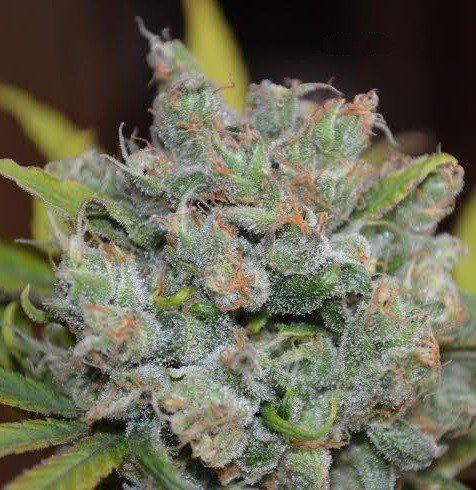
The buds of Sweet and Sour Widow are visually striking, showcasing a compact and fluffy structure typical of indica strains. They are olive green with a frosty layer of trichomes, giving the plant a crystalline appearance. Vibrant orange pistils intertwine with the buds, adding a visual contrast that enhances its appeal.
Aroma
The aroma of Sweet and Sour Widow is both sweet and savory, offering a complex blend of fragrances. Users often describe the smell as a mixture of fresh herbs, earthy musk, and a hint of sour citrus. A mild onion-like scent may also be detected, adding a savory layer to its overall profile.
Flavor
When consumed, the strain delivers a nuanced flavor profile. The inhale reveals a mix of sweetness and herbal notes, while the exhale leaves a slightly tangy and woody aftertaste. Subtle hints of mint and spice linger on the palate, making each experience rich and layered.
Cannabinoid and Terpene Profile
Cannabinoids
Sweet and Sour Widow’s defining feature is its balanced cannabinoid content, with THC and CBD levels typically ranging between 5-11%. This ratio creates a synergistic effect known as the “entourage effect,” where THC and CBD work together to enhance therapeutic benefits while moderating psychoactivity.
- THC (Tetrahydrocannabinol): At its peak, THC levels may reach 11%, providing mild euphoria and relaxation without inducing overwhelming intoxication.
- CBD (Cannabidiol): CBD levels match THC levels, contributing to the strain’s calming effects, reduced anxiety, and pain relief.
- Other Cannabinoids: Trace amounts of CBG (Cannabigerol) and CBC (Cannabichromene) are often present, further contributing to its medicinal properties.
Terpenes
The terpene profile of Sweet and Sour Widow enhances its effects and flavor:
- Myrcene: Known for its sedative and anti-inflammatory properties, myrcene dominates the profile, amplifying relaxation.
- Caryophyllene: This spicy terpene interacts with CB2 receptors in the body, providing anti-inflammatory and analgesic effects.
- Pinene: Offering a refreshing, pine-like aroma, pinene can improve focus and respiratory function.
- Limonene: This citrus-scented terpene may elevate mood and reduce stress.
Effects and User Experience
Sweet and Sour Widow is known for its gentle yet effective effects, making it an excellent choice for various consumer needs.
Onset and Duration
The effects typically begin with a mild cerebral uplift, accompanied by a sense of mental clarity and calm. As the experience progresses, the indica characteristics become more pronounced, leading to full-body relaxation without sedation. The balanced cannabinoid ratio ensures a functional and pleasant high that lasts 2-3 hours.
Recreational Effects
- Mild Euphoria: The strain offers a subtle but noticeable mood boost, perfect for socializing or creative activities.
- Relaxation: Ideal for unwinding after a long day, Sweet and Sour Widow provides a gentle relaxation that doesn’t overwhelm.
- Focus: The presence of CBD tempers the psychoactive effects of THC, allowing users to remain clear-headed and engaged.
Side Effects
Due to its balanced profile, side effects are minimal and generally limited to dry mouth and dry eyes. Novice users and those sensitive to THC are unlikely to experience anxiety or paranoia.
Medical Applications
The 1:1 THC to CBD ratio makes Sweet and Sour Widow a versatile option for treating a variety of medical conditions. Below is a detailed look at its therapeutic potential:
Pain Management
CBD is widely recognized for its analgesic properties, while THC enhances its efficacy by activating CB1 receptors in the brain. Sweet and Sour Widow is particularly effective for:
- Chronic pain conditions like arthritis, fibromyalgia, and neuropathy.
- Post-operative or injury-related discomfort.
Mental Health
Sweet and Sour Widow’s calming properties make it an excellent choice for managing anxiety, depression, and PTSD. The CBD component counteracts the potential anxiety-inducing effects of THC, creating a soothing mental state.
Neurological Conditions
CBD’s neuroprotective properties may provide relief for patients with conditions like multiple sclerosis (MS), epilepsy, or Parkinson’s disease. Additionally, the strain’s mild psychoactivity can improve mood and quality of life.
Sleep Aid
The strain’s indica dominance supports relaxation and helps in managing insomnia. Users often report improved sleep quality and reduced night-time anxiety.
Appetite Stimulation and Digestive Health
Both THC and CBD can stimulate appetite and reduce nausea, making Sweet and Sour Widow advantageous for people with eating issues or receiving chemotherapy.
Cultivating Sweet and Sour Widow
Cultivating Sweet and Sour Widow requires understanding its specific genetic characteristics, environmental needs, and growth patterns. As an indica-dominant hybrid with a balanced THC to CBD ratio, Sweet and Sour Widow offers growers a unique opportunity to produce a versatile, therapeutic strain. Below is an in-depth exploration of its cultivation, focusing on scientific principles and best practices.
Genetic Traits and Growth Characteristics
- Genetics: Sweet and Sour Widow is derived from a cross of the legendary White Widow and a CBD-rich hybrid. This results in a plant with a 70% indica and 30% sativa genetic profile.
- Plant Structure:
- Indica Traits: Compact growth with a bushy structure and dense foliage.
- Sativa Influence: Slightly longer internodal spacing and lighter bud structure compared to pure indicas.
- Flowering Time: Typically 8-10 weeks indoors; outdoor growers can expect harvests in mid-to-late October, depending on the local climate.
Optimal Environmental Conditions
Light Requirements
- Photoperiod: Sweet and Sour Widow is photoperiod-dependent, meaning it requires specific light cycles (e.g., 18/6 for vegetative growth and 12/12 for flowering) to transition between growth stages.
- Intensity:
- Vegetative Phase: A light intensity of 400-600 µmol/m²/s is ideal for robust growth.
- Flowering Phase: Light intensity should increase to 600-1000 µmol/m²/s to promote bud development.
- Spectrum: Blue light (400-500 nm) supports vegetative growth, while red light (620-700 nm) enhances flowering.
Temperature and Humidity

- Vegetative Phase:
- Optimal temperature: 20-25°C (68-77°F).
- Humidity: 50-70%.
- Flowering Phase:
- Optimal temperature: 18-24°C (64-75°F).
- Humidity: 40-50% to prevent mold and mildew on buds.
- Night/Day Differential: A temperature drop of 5-10°C (9-18°F) between day and night cycles mimics natural conditions and enhances terpene production.
Air Circulation and Ventilation
Proper air circulation is crucial to prevent fungal infections, especially during the flowering phase when buds are denser. Oscillating fans and ventilation systems help maintain airflow and regulate humidity.
Soil and Medium Considerations

Soil
- pH: The ideal soil pH for Sweet and Sour Widow is between 6.0 and 6.5, ensuring nutrient availability.
- Nutrient-Rich Mix: A mix containing organic matter (e.g., compost, worm castings) and perlite for aeration supports healthy root development.
Hydroponics
- pH Range: 5.5-6.0.
- Advantages: Faster growth and higher yields due to precise nutrient delivery and oxygenation.
- Considerations: Requires close monitoring of nutrient solution and EC (Electrical Conductivity) levels.
Coco Coir
- Provides a neutral pH environment with excellent water retention and aeration properties.
- Ideal for growers seeking a middle ground between soil and hydroponic systems.
Nutrient Management
Sweet and Sour Widow’s nutrient needs vary throughout its life cycle. Understanding the macronutrient and micronutrient requirements ensures optimal growth.
Macronutrients
- Nitrogen (N): Crucial during the vegetative phase for leaf and stem development. Excess nitrogen during flowering can inhibit bud growth.
- Phosphorus (P): Essential for the growth of roots and the production of flowers. Phosphorus uptake increases during the flowering phase.
- Potassium (K): Supports overall plant health, flower density, and terpene production.
Micronutrients
- Calcium and Magnesium: Essential for cell wall strength and photosynthesis.
- Iron, Zinc, and Manganese: Support enzymatic activities and chlorophyll production.
Feeding Schedule
Flowering Phase
- Nutrients:
- High phosphorus and potassium are essential during the flowering stage to encourage robust bud formation and terpene synthesis.
- Nitrogen should be reduced gradually to avoid excessive foliage growth and focus the plant’s energy on producing flowers.
- Micronutrient Monitoring: Regular supplementation of magnesium and calcium is essential during flowering to prevent deficiencies that can manifest as leaf discoloration or stunted bud growth.
- Flushing: In the final two weeks before harvest, many growers “flush” the plants with pure water to remove excess nutrients, ensuring a cleaner taste in the final product.
Training Techniques
Proper training methods can significantly enhance the yield and quality of Sweet and Sour Widow. These methods optimize light penetration, airflow, and space utilization.
Low-Stress Training (LST)
- Technique: Gently bending and tying down branches to encourage horizontal growth.
- Benefits:
- Increases the amount of light that reaches lower bud locations.
- Encourages uniform canopy development.
- Application: Ideal for small grow spaces or growers looking to optimize yield without aggressive pruning.
Topping and FIMing
- Technique: Removing the top growth of the plant (topping) or pinching part of the growth tip (FIMing) to encourage multiple colas.
- Benefits:
- Increases the number of flowering sites.
- Promotes bushier growth, ideal for indoor grows.
Screen of Green (ScrOG)
- Technique: Using a horizontal screen to train plants horizontally as they grow through the mesh.
- Benefits:
- Guarantees that light is distributed evenly throughout the canopy.
- Maximizes yields in limited vertical space.
Defoliation
- Technique: Removing excess leaves, particularly during the flowering phase.
- Benefits:
- Improves airflow and light penetration to lower buds.
- Lowers the possibility of pest and mold problems.
Pest and Disease Management
Sweet and Sour Widow is moderately resistant to pests and diseases but can still be susceptible under poor growing conditions.
Common Pests
- Spider Mites: Tiny arachnids that feed on plant sap, leaving speckled damage on leaves.
- Aphids: Sap-sucking insects that weaken plants and can spread diseases.
- Fungus Gnats: Larvae feed on roots, stunting plant growth.
Preventative Measures
- Integrated Pest Management (IPM):
- Check plants frequently for early indications of pests.
- Use natural predators like ladybugs or predatory mites.
- Neem Oil: A natural, organic insecticide effective against common pests.
- Sterilization: Clean tools and growing spaces thoroughly in between to prevent cross-contamination.
Diseases
- Powdery Mildew: A fungus that causes leaves to get white, powdery patches.
- Prevention: Maintain low humidity and ensure proper airflow.
- Root Rot: Caused by inadequate drainage or excessive watering.
- Prevention: Use well-draining soil or hydroponic media and avoid overwatering.
Harvesting and Post-Harvest Processing
Harvest Timing
Sweet and Sour Widow should be harvested when trichomes reach peak maturity:
- Milky White Trichomes: Indicate maximum cannabinoid content.
- Amber Trichomes: Signify a more sedative effect due to THC degradation into CBN.
Growers typically monitor trichomes using a jeweler’s loupe or microscope to determine the optimal harvest window.
Drying
- Process:
- Buds should be hung upside down in a well-ventilated, dark area.
- Maintain 18-20°C (65-70°F) with 50-60% humidity.
- Duration: 7-14 days, depending on environmental conditions.
- Importance: Proper drying preserves terpenes and cannabinoids while preventing mold.
Curing
- Process:
- Place the dried buds in glass jars that are airtight.
- Open jars daily (burping) during the first 1-2 weeks to release moisture.
- Duration: 2-8 weeks.
- Importance: Curing enhances flavor, aroma, and smoothness by allowing terpenes to mature and chlorophyll to degrade.
Yield and Performance
Indoor Cultivation
- Yield: Approximately 400 grams per square meter, depending on training techniques and environmental conditions.
- Advantages: Controlled environment allows for precise manipulation of light, temperature, and humidity.
Outdoor Cultivation
- Yield: 500 grams or more per plant, depending on climate and care.
- Advantages: Natural sunlight promotes robust growth, though outdoor plants are more susceptible to pests and weather fluctuations.
Scientific Considerations
Cannabinoid and Terpene Optimization
- UV-B Light Exposure:
- Research indicates that exposure to UV-B light during flowering can increase cannabinoid and terpene production.
- Stress Responses:
- Controlled stress, such as light defoliation or changes in light cycles, can enhance resin production as the plant reacts defensively.
Environmental Control Technology
- Smart Sensors: Advanced grow rooms use sensors to monitor pH, humidity, temperature, and CO2 levels in real-time.
- CO2 Supplementation: Increasing CO2 levels to 1200-1500 ppm during flowering can boost photosynthesis and yield.
Scientific Insights
Pharmacology of Cannabinoids
The 1:1 THC to CBD ratio is scientifically significant because it promotes the entourage effect, wherein cannabinoids and terpenes work synergistically to enhance therapeutic outcomes. CBD mitigates THC’s psychoactive effects by modulating CB1 receptor activity, resulting in a balanced experience. This interaction also reduces the likelihood of side effects like paranoia or memory impairment.
Terpene Influence
Studies indicate that myrcene and caryophyllene may enhance the strain’s sedative and anti-inflammatory effects, while limonene contributes to mood elevation. These terpenes interact with the endocannabinoid system, amplifying the strain’s overall efficacy.
Potential Research Areas
Sweet and Sour Widow is an excellent candidate for research into cannabinoid therapies for pain management, anxiety disorders, and neurodegenerative diseases. Its balanced profile allows for controlled studies without the confounding effects of high THC levels.
Recreational Uses and Appeal
Sweet and Sour Widow offers a unique recreational experience tailored for those seeking a mellow, enjoyable high. Its moderate THC levels make it ideal for casual use, allowing consumers to socialize, engage in creative activities, or simply relax. The strain’s flavor and aroma profile enhance its appeal, providing a sensory experience that complements its effects.
Sweet and Sour Widow, like most cannabis strains, can be consumed using various methods, each offering distinct onset times, durations, and effects. The method of ingestion significantly impacts the way cannabinoids interact with the body.
1. Smoking
- Description: Smoking involves combusting the flower and inhaling the smoke. The most conventional and popular approach is this one.
- Onset: Immediate to 5 minutes.
- Duration: 1-3 hours.
- Effects: Smoking provides rapid relief, with effects peaking within 10-20 minutes. Users often experience an initial cerebral buzz, followed by full-body relaxation. The balanced THC and CBD levels ensure that the psychoactive effects remain mild, making it suitable for managing acute pain, stress, or anxiety.
- Considerations: Smoking may not be suitable for individuals with respiratory issues due to potential irritation from combustion byproducts.
2. Vaporization (Vaping)
- Description: Vaporizers heat cannabis to a temperature that releases cannabinoids and terpenes without combustion.
- Onset: 5-10 minutes.
- Duration: 1-3 hours.
- Effects: Vaping Sweet and Sour Widow enhances the terpene profile, providing a flavorful experience. The effects are similar to smoking but smoother, with less potential for respiratory irritation. This method is ideal for users seeking rapid onset without the harshness of smoke.
- Scientific Note: Vaporization preserves the terpenes and cannabinoids, allowing for a more efficient and controlled delivery of active compounds.
3. Edibles
- Description: Edibles involve infusing cannabis into food or drinks. Sweet and Sour Widow’s balanced THC and CBD profile makes it an excellent candidate for edible preparations.
- Onset: 30 minutes to 2 hours.
- Duration: 4-8 hours.
- Effects: Edibles produce a more gradual and long-lasting experience, characterized by full-body relaxation and a gentle mental uplift. The effects can feel more intense compared to smoking or vaping due to the liver’s transformation of THC into the more powerful 11-hydroxy-THC.
- Considerations: Dosing is crucial with edibles. Beginners are advised to start with 5-10 mg of THC and wait for the effects before consuming more.
4. Tinctures and Oils
- Description: Tinctures are cannabis extracts taken sublingually (under the tongue) or added to food and drinks. Sweet and Sour Widow is often used in CBD-dominant tinctures.
- Onset: 15-45 minutes (sublingual) or 1-2 hours (ingested).
- Duration: 4-6 hours.
- Effects: Sublingual administration provides a quicker onset and allows for precise dosing. Effects are mild and relaxing, making it suitable for daytime use or managing chronic conditions.
- Scientific Note: Sublingual application allows cannabinoids to enter the bloodstream directly, bypassing first-pass metabolism and leading to quicker and more consistent results.
5. Topicals
- Description: Sweet and Sour Widow can be infused into creams, balms, or oils applied directly to the skin.
- Onset: 5-30 minutes.
- Duration: 1-6 hours.
- Effects: Topicals are non-psychoactive, as cannabinoids do not reach the bloodstream. They are effective for localized pain, inflammation, or skin conditions like eczema. The presence of CBD enhances anti-inflammatory and analgesic effects.
- Scientific Note: The endocannabinoid system’s CB2 receptors in the skin mediate the effects of topicals, making them highly targeted and effective for specific areas.
6. Capsules
- Description: Capsules contain cannabis oil or decarboxylated flower, offering a discreet and controlled dosage method.
- Onset: 30 minutes to 2 hours.
- Duration: 6-8 hours.
- Effects: Capsules provide long-lasting relief with consistent dosing. They are ideal for patients managing chronic conditions such as pain or anxiety.
Onset and Duration of Effects
The onset and duration of effects vary depending on the method of ingestion:
| Method | Onset | Peak Effects | Duration |
|---|---|---|---|
| Smoking | Immediate-5 min | 10-20 min | 1-3 hours |
| Vaping | 5-10 min | 10-20 min | 1-3 hours |
| Edibles | 30-120 min | 2-4 hours | 4-8 hours |
| Tinctures (Sublingual) | 15-45 min | 1-2 hours | 4-6 hours |
| Topicals | 5-30 min | N/A (localized) | 1-6 hours |
| Capsules | 30-120 min | 2-4 hours | 6-8 hours |
Detailed Effects by Cannabinoid Interaction
Psychoactive Effects (THC)
- Low THC Levels: Sweet and Sour Widow’s THC levels are mild (5-11%), producing gentle psychoactive effects. This makes the strain accessible for novice users and those seeking to avoid strong intoxication.
- Cerebral Effects: Users often report a light mental uplift, enhanced focus, and improved mood. These effects are particularly noticeable during the first 30-60 minutes.
- Body Effects: As the high progresses, the indica traits emerge, leading to a warm, soothing sensation in the body that is not too sedative.
Non-Psychoactive Effects (CBD)
- Anxiolytic (Anti-Anxiety): CBD modulates THC’s interaction with CB1 receptors, reducing anxiety and paranoia.
- Anti-Inflammatory: CBD’s interaction with CB2 receptors mitigates inflammation, making it effective for conditions like arthritis.
- Pain Relief: The balanced ratio ensures effective pain relief without heavy sedation, suitable for daytime use.
Scientific Insights into Sweet and Sour Widow’s Mechanism of Action
- Endocannabinoid System (ECS):
- The cannabinoids in Sweet and Sour Widow interact with the ECS, a network of receptors (CB1 and CB2) and endocannabinoids in the body.
- CB1 Receptors: Found primarily in the brain, they mediate THC’s psychoactive effects, such as euphoria and relaxation.
- CB2 Receptors: Found in peripheral tissues, they are activated by CBD to reduce inflammation and pain.
- Entourage Effect:
- The balanced THC and CBD levels exemplify the entourage effect, where cannabinoids and terpenes work synergistically to amplify therapeutic benefits.
- Myrcene enhances THC’s sedative effects, while caryophyllene’s anti-inflammatory properties complement CBD.
- First-Pass Metabolism in Edibles:
- When consumed orally, THC is converted into 11-hydroxy-THC by the liver, increasing its potency and duration. This explains the stronger effects of edibles compared to smoking or vaping.
- Terpene Influence:
- Terpenes in Sweet and Sour Widow, such as limonene and pinene, contribute to its mood-enhancing and focus-improving properties. They also enhance bioavailability and absorption of cannabinoids.
Consumer Demographics
Sweet and Sour Widow is popular among:
- First-Time Users: Its balanced effects and minimal side effects make it a non-intimidating introduction to cannabis.
- Medical Patients: The strain’s therapeutic potential addresses a wide range of conditions.
- Casual Recreational Consumers: Those looking for a mild, enjoyable high without heavy intoxication.
Conclusion
Sweet and Sour Widow CBD cannabis strain is a testament to the advancements in cannabis breeding and research. Its unique balance of THC and CBD, combined with a pleasant aroma, flavor, and diverse effects, makes it a versatile choice for both medical and recreational use. Whether you’re seeking relief from chronic pain, managing anxiety, or looking for a relaxing evening, Sweet and Sour Widow delivers a well-rounded and satisfying experience. Its cultivation characteristics further add to its appeal, ensuring that this strain will remain a favorite among growers and consumers alike.
For a complete directory of cultivars, visit our Cannabis Strain Reviews.
