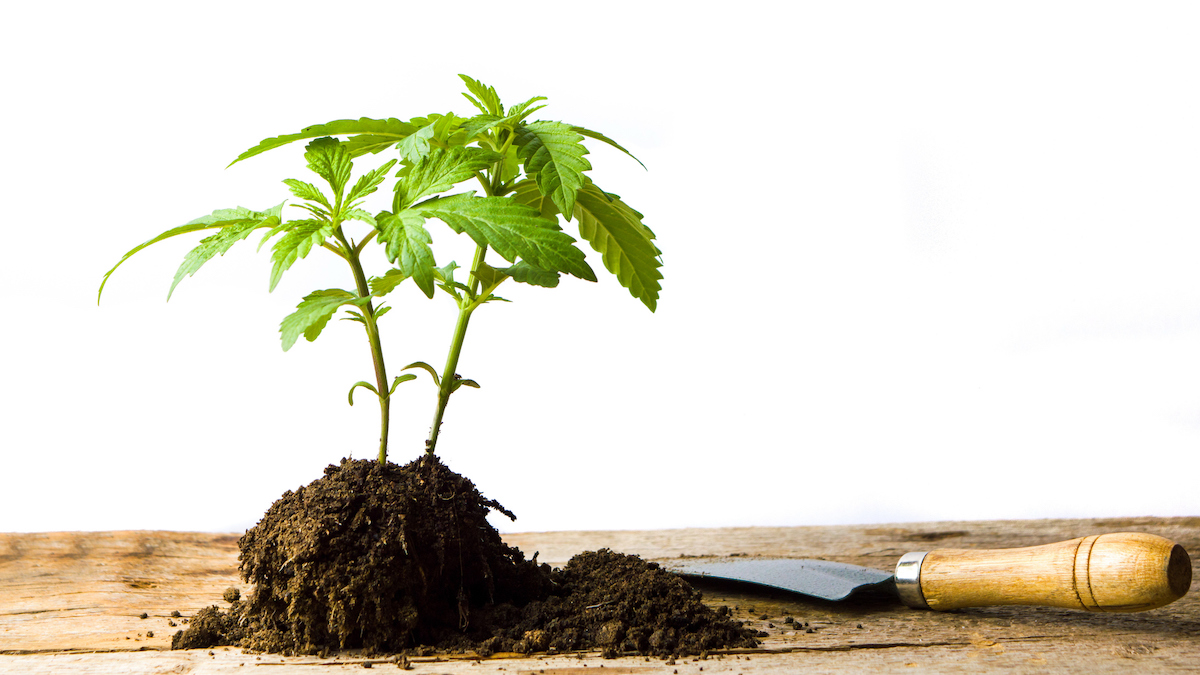
Sustainable and Organic Medical Cannabis Cultivation: An In-Depth Guide for Medical Use
Introduction
As the demand for medical cannabis continues to rise, sustainable and organic cultivation methods have gained attention for their positive environmental impact and potential to enhance the medical properties of cannabis. Sustainable and organic practices in cannabis cultivation emphasize eco-friendly growing techniques, using natural resources, reducing waste, and improving plant health without harmful chemicals. This approach ensures that patients receive cleaner, more potent, and therapeutically beneficial cannabis for their medical needs. This detailed guide will explore the principles, benefits, and best practices for sustainable and organic medical cannabis cultivation, emphasizing medical use and excluding any recreational applications or consumption methods.
1. Principles of Sustainable Cannabis Cultivation
Sustainability in cannabis cultivation involves methods that meet the present demand for medical cannabis without compromising the ability of future generations to cultivate and benefit from it. These techniques, which are aimed at lessening the environmental impact of cannabis cultivation, consist of:
1.1. Water Conservation
Cannabis plants require significant water, and water scarcity is a growing concern globally. Sustainable growers implement water conservation practices such as:
- Drip irrigation systems: These prevent water wastage by supplying water straight to the plant roots.
- Rainwater harvesting: Collecting rainwater can significantly reduce reliance on municipal water supplies.
- Mulching: Using organic materials such as straw or wood chips around the base of cannabis plants to retain moisture and reduce evaporation.
1.2. Renewable Energy Use
Many commercial cannabis growers rely on artificial lighting, heating, and ventilation, which can consume vast amounts of energy. Switching to renewable energy sources like solar, wind, or geothermal power reduces greenhouse gas emissions and operational costs.
1.3. Soil Health Management
Healthy, organic soil is the cornerstone of sustainable cannabis cultivation. Avoiding synthetic fertilizers and pesticides helps maintain soil structure, fertility, and biodiversity. Sustainable practices include:
- Composting: Organic waste from various sources, including cannabis plants, breaks down and returns to the soil as compost that is high in nutrients.
- Crop rotation: Alternating cannabis with other plants helps prevent soil depletion and reduces pest and disease pressure.
- Cover cropping: Planting cover crops like clover or rye in between cannabis growth cycles helps fix nitrogen, protect soil from erosion, and suppress weeds.
1.4. Minimizing Carbon Footprint
Utilizing energy, fertilizers, and water wisely lowers the carbon footprint associated with growing medical cannabis. Indoor growing facilities, which require significant power for lighting and climate control, should explore options for improving energy efficiency. Outdoor or greenhouse cultivation minimizes the need for artificial energy inputs.
2. Organic Cannabis Cultivation
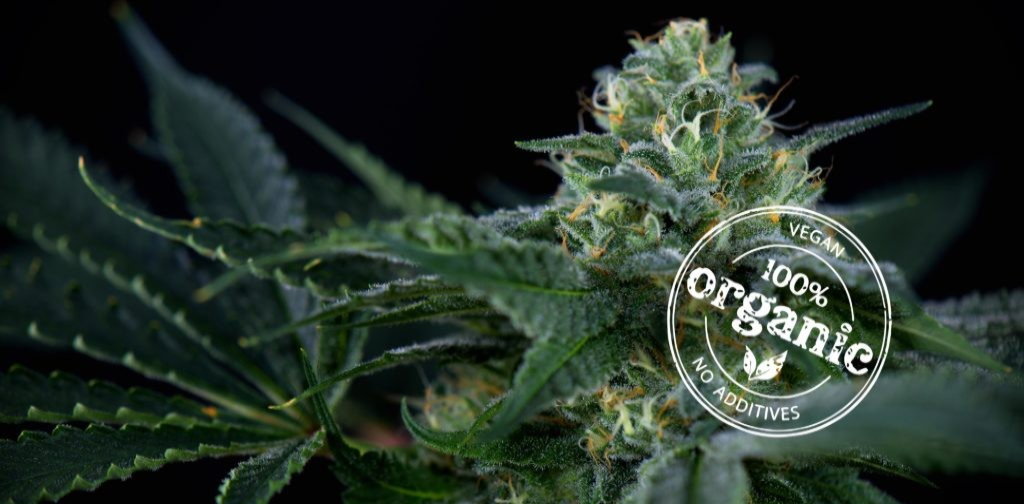
Organic cannabis cultivation avoids synthetic pesticides, herbicides, and fertilizers, focusing instead on natural and sustainable inputs. This method produces cleaner, safer, and more potent medical cannabis, making it especially important for patients with compromised immune systems or who are sensitive to chemicals.
2.1. Organic Soil and Nutrients
The cornerstone of robust cannabis plants is the soil. Organic growers rely on nutrient-rich soil that is alive with beneficial microbes. This contrasts with conventional farming, which often relies on sterile, nutrient-poor soils supplemented by chemical fertilizers.
- Living soil: A mixture of organic matter, microorganisms, and minerals, living soil mimics natural ecosystems and provides a balanced environment for cannabis plants. It fosters strong root development, enhances nutrient uptake, and improves plant health.
- Organic fertilizers: Organic growers use natural amendments like bat guano, kelp meal, bone meal, and fish emulsion to provide essential nutrients like nitrogen, phosphorus, and potassium.
2.2. Pest and Disease Management in Organic Cultivation
Pests and diseases are common challenges in cannabis cultivation. Organic growers use integrated pest management (IPM) techniques, relying on biological, cultural, and mechanical controls rather than synthetic chemicals.
- Companion planting: Growing plants like marigold, basil, or garlic alongside cannabis can naturally repel pests and attract beneficial insects.
- Biological controls: Aphids and spider mites are among the detrimental pests that are consumed by beneficial insects like ladybugs and predatory mites.
- Neem oil: This organic pesticide derived from the neem tree can be used to control various pests without harming the environment or beneficial organisms.
2.3. Disease Prevention Through Organic Practices
Common diseases in cannabis cultivation include powdery mildew, root rot, and botrytis. Organic practices to prevent disease include:
- Proper spacing and airflow: Ensuring plants have enough space between them allows for good air circulation, which reduces the risk of fungal infections.
- Maintaining proper humidity levels: High humidity can promote mold growth, so maintaining optimal humidity levels, particularly during flowering, is crucial.
- Use of organic fungicides: Without damaging the environment, products like potassium bicarbonate or sulfur can aid in the control of fungal illnesses.
3. Choosing the Right Strains for Sustainable and Organic Cultivation
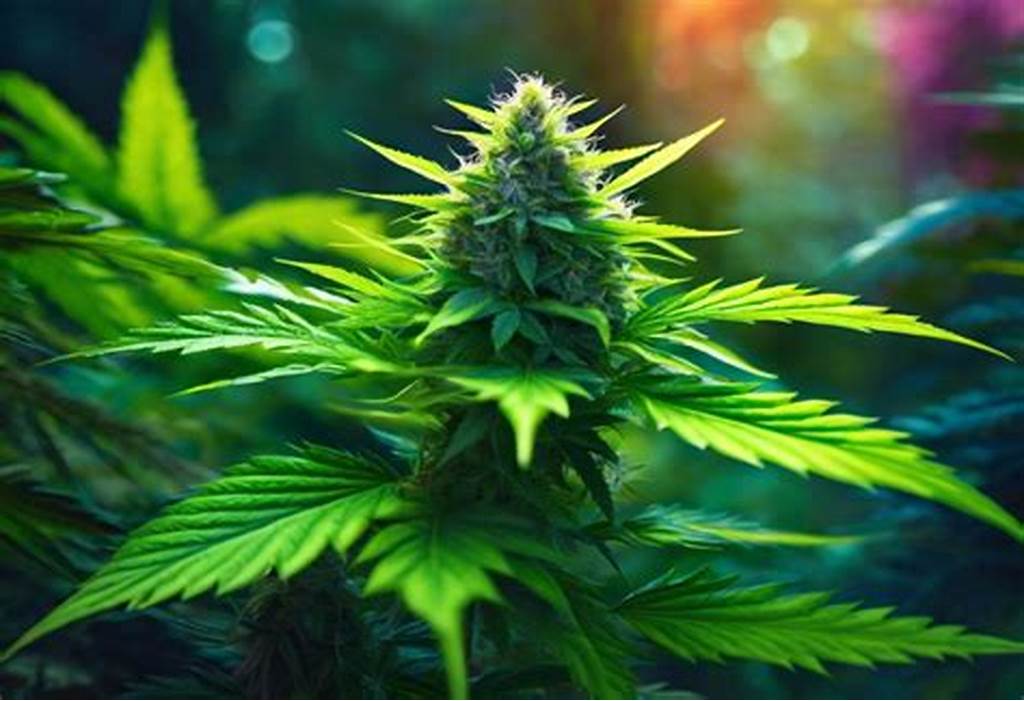
Selecting the appropriate cannabis strains is crucial for successful organic and sustainable cultivation. Medical cannabis growers must choose strains that are not only effective for treating specific medical conditions but also well-suited to their growing environment and conditions.
3.1. Climate-Resilient Strains
Some cannabis strains are naturally more resistant to environmental stressors such as drought, extreme temperatures, or high humidity. Strains that thrive in outdoor conditions, with minimal inputs, are particularly suited for sustainable cultivation.
- Landrace strains: These are strains that have naturally adapted to their native environments and are often more resilient to local climate conditions. Examples include Afghan Kush (for cooler climates) and Durban Poison (for warmer, more tropical climates).
3.2. Disease-Resistant Strains
Some cannabis strains have been engineered to be resistant to common ailments including bud rot and powdery mildew. Cultivating disease-resistant strains can reduce the need for chemical treatments and improve the overall sustainability of the growing process.
3.3. High-Yield Medical Strains
For medical growers, the yield is an important factor, especially when cultivating cannabis for patients requiring large amounts of cannabinoids like CBD. High-yield strains reduce the need for multiple growing cycles, making the process more efficient and sustainable.
4. Sustainable Indoor vs. Outdoor Medical Cannabis Cultivation
The choice between indoor and outdoor cultivation is another critical decision for sustainable medical cannabis growers. Both methods offer unique advantages and challenges in terms of environmental impact and sustainability.
4.1. Outdoor Cultivation
Outdoor cultivation is considered the most sustainable option, as it relies primarily on natural resources like sunlight and rainwater. Key benefits include:
- Energy efficiency: The absence of artificial lighting, heating, or cooling during outdoor cultivation results in a significant reduction of energy usage.
- Natural pest control: Outdoor environments typically support a balanced ecosystem with natural predators to control pests. However, outdoor cultivation also poses challenges, including:
- Unpredictable weather: Extreme weather events, such as storms, droughts, or frost, can damage crops.
- Limited growing seasons: Outdoor cultivation is restricted to certain months of the year, particularly in temperate climates.
4.2. Indoor Cultivation
Indoor cultivation offers growers more control over the environment, allowing for year-round growing. While indoor growing can have a higher environmental impact due to energy use, sustainable practices can mitigate this.
- Energy-efficient lighting: LED lights consume less energy and generate less heat than traditional HID lamps, making them a more sustainable option for indoor grows.
- Climate control systems: Advanced systems can optimize temperature, humidity, and CO2 levels, leading to healthier plants with fewer inputs.
- Sustainable substrates: Coco coir and peat moss are popular growing mediums for indoor cannabis. While peat moss is non-renewable and should be used sparingly, coco coir is a more sustainable option as it is derived from coconut husks.
5. Certifications for Organic and Sustainable Cannabis
As the demand for sustainably and organically grown medical cannabis increases, certification programs have emerged to help growers demonstrate their commitment to eco-friendly practices. Some notable certifications include:
5.1. USDA Organic Certification
While cannabis cannot be certified as organic by the USDA due to its federal status, many states have developed their own organic certification programs. These certifications ensure that cannabis is grown without synthetic chemicals and meets specific environmental standards.
5.2. Clean Green Certification
This is a widely recognized certification program for cannabis that mirrors the USDA’s organic program. It covers aspects such as pesticide use, soil quality, water conservation, and energy efficiency. Cannabis grown under Clean Green certification is held to high environmental and health standards, ensuring that it is safe for medical use.
5.3. Demeter Biodynamic Certification
An all-encompassing method of farming, biodynamic farming places a strong emphasis on biodiversity, soil health, and sustainable resource usage. Cannabis grown under Demeter certification follows rigorous standards that go beyond organic farming, incorporating ecological principles into every aspect of cultivation.
6. The Role of Technology in Sustainable Cannabis Cultivation
Technological advancements play a critical role in improving the sustainability of cannabis cultivation. Many innovations help growers optimize resource use, reduce waste, and improve plant health.
6.1. Automated Irrigation Systems
Automated drip irrigation systems help growers conserve water by delivering precise amounts directly to plant roots. These systems reduce runoff, prevent overwatering, and ensure that plants receive just the right amount of moisture, promoting healthier growth.
6.2. LED Lighting Technologies
LED grow lights are far more energy-efficient than traditional HID or HPS lighting, making them a popular choice for indoor cultivators. They generate less heat, reducing the need for additional cooling systems, and can be fine-tuned to provide the optimal spectrum of light for each growth stage of cannabis.
6.3. Data-Driven Growing Systems
Sophisticated environmental control systems allow growers to monitor and adjust temperature, humidity, CO2 levels, and nutrient delivery in real-time. These systems optimize growing conditions and reduce the amount of energy and water needed to produce high-quality medical cannabis.
7. Benefits of Sustainable and Organic Medical Cannabis
Organic and sustainable cannabis cultivation provides a range of benefits for medical cannabis patients, growers, and the environment.
7.1. Cleaner, Healthier Cannabis
By avoiding synthetic pesticides and fertilizers, organic cultivation ensures that the final product is free from harmful residues that could compromise patient health. This is especially important for medical cannabis users with chronic illnesses or weakened immune systems.
7.2. Enhanced Medical Potency
Organic cultivation methods can improve the terpene and cannabinoid profile of cannabis plants, enhancing their medicinal properties. Patients may benefit from a more robust entourage effect, where the combination of cannabinoids and terpenes works together to provide more effective relief.
7.3. Positive Environmental Impact
Sustainable farming methods lessen the environmental impact of the plant while preserving natural resources, preserving ecosystems, and reducing the effects of climate change. These procedures guarantee that the therapeutic benefits of cannabis will be available to future generations.
7.4. Increased Soil Health and Biodiversity
Organic farming techniques, such as composting and crop rotation, improve soil health and encourage biodiversity. Healthy soil produces stronger, more resilient cannabis plants, reducing the need for external inputs and chemical interventions.
Restrictions on Growing and Using Cannabis in the Medical Field as a Last Resort
Cannabis use in the medical field is highly regulated, with specific restrictions aimed at ensuring patient safety and controlling the psychoactive effects, particularly from THC. Some key restrictions include:
- Medical-Only Use: Cannabis can only be prescribed for medical purposes in certain conditions, such as chronic pain, epilepsy, or chemotherapy-related symptoms, and is often considered a last-resort treatment. Physicians may recommend cannabis only after other conventional treatments have proven ineffective.
- Strict Licensing for Cultivation: Growing cannabis for medical use requires strict government licensing and oversight. Licensed producers must adhere to stringent guidelines on cultivation, testing, and processing to ensure product quality and patient safety.
- Monitoring THC Levels: One of the most critical aspects is monitoring THC levels in medical cannabis products. This helps prevent psychoactive effects, which can be detrimental to some patients. Many medical formulations focus on high CBD, low THC ratios to offer therapeutic benefits without the psychoactive high associated with THC.
- Dosage Control: Medical cannabis is typically administered in controlled doses, with clear instructions to prevent overconsumption of THC. Health professionals closely monitor patients to avoid any potential psychoactive effects.
- Prescription and Medical Supervision: Only licensed medical professionals can prescribe cannabis, and its use is monitored through regular checkups. Physicians track both the efficacy and any side effects, including unwanted psychoactivity.
Conclusion: Sustainable and Organic Medical Cannabis Cultivation
Sustainable and organic medical cannabis cultivation represents a critical shift in how we approach the growing demand for medical cannabis. The transition towards eco-friendly, chemical-free farming methods not only helps protect the environment but also ensures that patients receive cleaner, safer, and more therapeutically effective cannabis. By incorporating sustainable practices such as water conservation, renewable energy use, and soil health management, growers can drastically reduce their environmental impact while maintaining high standards of quality and efficacy in their medical cannabis products.
Sustainability begins with responsible water management. Techniques such as drip irrigation and rainwater harvesting help conserve water, ensuring that the cannabis cultivation process remains environmentally friendly and sustainable in areas where water resources are limited. Renewable energy use, such as solar or wind power, reduces the energy consumption typically associated with indoor cannabis cultivation, further enhancing the sustainability of these operations. For outdoor growers, leveraging natural sunlight and organic pest control methods significantly lowers the need for artificial inputs, making the cultivation process more energy-efficient and ecologically sound.
One of the foundational elements of organic cannabis cultivation is maintaining soil health through organic inputs like compost, living soil, and natural fertilizers. By avoiding synthetic pesticides and fertilizers, growers can foster a healthier environment for the cannabis plants, which translates to more potent and pure medical cannabis products. The use of integrated pest management (IPM) strategies, such as companion planting and biological controls, ensures that pests and diseases are kept in check without the harmful side effects of chemical interventions.
In addition, the choice of cannabis strains plays a crucial role in ensuring the success of sustainable and organic cultivation. Climate-resilient and disease-resistant strains help growers reduce the need for interventions, allowing for more natural growth cycles. This is especially crucial for medical cannabis growing, since patients rely on reliable and high-quality medication. Strains that are well-suited to the local environment also promote sustainability by requiring fewer external inputs like water or energy.
The decision to cultivate medical cannabis indoors or outdoors also affects sustainability. While outdoor cultivation is generally more sustainable due to its reliance on natural resources, indoor cultivation can be made more sustainable through energy-efficient technologies such as LED lighting, automated irrigation systems, and climate control technologies. By carefully managing resources, indoor growers can minimize their environmental impact while still producing high-quality medical cannabis year-round.
Certifications such as Clean Green and Demeter Biodynamic provide growers with a way to verify their sustainable practices. These certifications reassure patients that the cannabis they are using has been grown under environmentally responsible conditions, free from harmful chemicals and synthetic inputs. For medicinal cannabis users who could be sensitive to pesticides or other chemical residues, this is especially crucial.
Monitoring THC levels is essential for ensuring that medical cannabis does not produce unwanted psychoactive effects. Medical cannabis products are often formulated with high CBD and low THC concentrations to provide therapeutic benefits without causing a psychoactive high. The close monitoring of THC levels in both cultivation and processing stages ensures that patients receive the intended medical benefits safely.
Restrictions on growing and using cannabis in the medical field are designed to protect patients and ensure that cannabis is only used when absolutely necessary, often as a last resort. Licensed growers are subject to stringent regulations that ensure the purity, safety, and consistency of the medical cannabis they produce. Medical professionals must closely monitor THC levels to avoid psychoactive effects, while the legal framework provides a safeguard for the responsible use of cannabis in medical treatments.
In conclusion, sustainable and organic medical cannabis cultivation is not only an ethical choice but also a practical approach to producing high-quality medicine for patients. By integrating sustainability principles such as water conservation, renewable energy, soil health, and organic pest management, growers can ensure that their operations have a minimal environmental impact. At the same time, patients benefit from cleaner, more potent medical cannabis that provides therapeutic relief without harmful residues. By embracing sustainable and organic practices, the medical cannabis industry can lead the way in responsible agriculture, ensuring the well-being of both patients and the planet for generations to come.
