Table of Contents
Super Sour Diesel (often abbreviated as Super Sour D or SSD) is a potent, sativa-dominant cannabis strain that is renowned for its high energy, cerebral effects, and distinct diesel aroma. A cross between Super Silver Haze and Sour Diesel, Super Sour Diesel inherits the invigorating sativa effects of both parent strains, amplified by its high THC content that often exceeds 20–25%.
Genetic Lineage and Composition
- Parent Strains: Sour Diesel × Super Silver Haze
- Type: Sativa-dominant hybrid (90% Sativa / 10% Indica)
- THC Content: ~20–26%
- CBD Content: <1%
- CBG and Minor Cannabinoids: ~0.5–1% CBG, trace CBC and THCV
Genetic Profile Analysis
The high THC content and minimal CBD make Super Sour Diesel a strain with strong psychoactive effects, more suitable for experienced users or those seeking intense symptom relief. Its parentage combines Sour Diesel’s fast-acting cerebral high and Super Silver Haze’s euphoric and clear-headed buzz, resulting in a high-energy experience with minimal physical sedation.
Terpene Profile
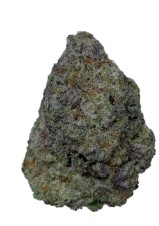
The terpene content of Super Sour Diesel plays a critical role in its aroma, flavor, and therapeutic effects.
| Primary Terpenes | Approx. % | Effects |
|---|---|---|
| Myrcene | 0.4–0.8% | Sedation, muscle relaxant (moderate level) |
| Limonene | 0.6–1.2% | Mood elevation, stress relief |
| Caryophyllene | 0.3–0.7% | Anti-inflammatory, analgesic |
| Terpinolene | 0.3–0.6% | Uplifting, antioxidant, antimicrobial |
| Pinene | 0.2–0.5% | Alertness, bronchodilation |
The dominant citrus-fuel aroma is driven by limonene, terpinolene, and caryophyllene, while pinene and myrcene balance the strain’s uplifting qualities with a slight grounding effect.
Morphology and Cultivation
Growth Characteristics
Super Sour Diesel expresses classic sativa morphology:
- Tall, slender plants with long internodes
- Narrow fan leaves
- Vigorous vertical growth, especially during the flowering stretch
- Dense, trichome-rich colas with moderate leaf-to-calyx ratio
Scientific Traits:
- The elongated internodal spacing is due to expression of sativa-dominant photoperiod genes, which promote height over bushiness.
- Trichome production is abundant due to strong glandular trichome expression driven by both parental lineages (Sour Diesel and Super Silver Haze).
Environmental Requirements
A. Temperature and Humidity
- Veg Phase:
- Temp: 72–82°F (22–28°C)
- RH: 55–70%
- Flowering Phase:
- Temp: 68–78°F (20–25°C)
- RH: 40–50%
Scientific Rationale:
- Lower RH during flowering helps prevent botrytis cinerea (bud rot), especially important for Super Sour Diesel’s dense, sticky buds.
- Higher temps during vegetative stages promote enzymatic activity related to chlorophyll production and growth hormones like auxins and gibberellins.
B. Light Cycle
- Vegetative Phase: 18/6 (light/dark) for rapid canopy development
- Flowering Phase: 12/12 for photoperiod trigger
Scientific Insight:
- Super Sour Diesel is highly responsive to red/far-red light ratios during flower initiation. High phytochrome activation (via red spectrum) enhances flowering transition and bud development.
Nutrient Profile and Feeding Strategy
A. Macronutrients
- Nitrogen (N): High in veg, moderate in early flower
- Phosphorus (P): Increased during pre-flowering and flowering
- Potassium (K): High levels needed throughout flowering for resin and terpene synthesis
B. Micronutrients
- Magnesium (Mg): Essential for chlorophyll synthesis
- Calcium (Ca): Supports cell wall development
- Sulfur (S): Crucial for terpenoid biosynthesis (limonene, myrcene)
Feeding Schedule Summary:
| Phase | N-P-K Ratio | Notes |
|---|---|---|
| Vegetative | 3-1-2 | Promote foliage and structure |
| Pre-Flower | 2-2-2 | Transition nutrients for stretch |
| Flowering | 1-3-3 | Enhance bud density and oil production |
Scientific Note:
- Excess nitrogen in flowering may suppress terpene synthesis, particularly limonene and pinene, which are crucial for Super Sour Diesel’s signature profile.
Soil, Medium, and Microbial Life
A. Soil vs Hydro vs Coco
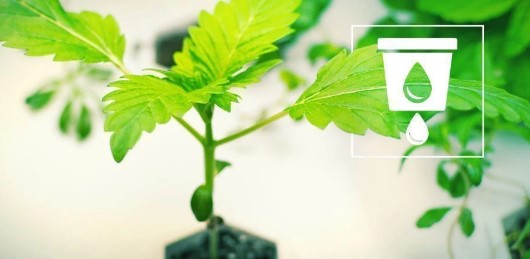
- Soil: Rich in microbial life, ideal for terpene expression. Organic super soil helps maximize flavor and resin production.
- Coco Coir: Offers control and faster growth, but requires precise feeding and pH management (5.8–6.2).
- Hydroponics (DWC or NFT): Delivers explosive growth and yield, but Super Sour Diesel may lose terpene complexity unless organic amendments or supplements are used.
B. Rhizosphere Biology
Using mycorrhizal fungi and beneficial bacteria (like Trichoderma spp. and Bacillus subtilis) supports:
- Nutrient uptake efficiency
- Root mass development
- Resistance to root pathogens
Training and Canopy Management
A. Training Techniques for Super Sour Diesel
- Topping – Essential for height control and lateral branching
- LST (Low-Stress Training) – Bending and tying stems to promote horizontal growth
- SCROG (Screen of Green) – Optimizes light penetration and yields in indoor environments
- Defoliation – Strategic removal of fan leaves to increase airflow and reduce humidity in dense canopy zones
Why this matters scientifically:
- LST and SCROG manipulate apical dominance and enhance auxin redistribution, promoting even canopy growth.
- Better light exposure to bud sites boosts photosynthetic efficiency and flower biomass.
Flowering Phase Specifics
Flowering Time: 10–11 weeks
Super Sour Diesel’s long flowering is due to sativa genetics, which have evolved in equatorial regions with longer photoperiods. As a result:
- Bud development is slower but denser over time
- Trichome maturation continues late into flowering (week 9+), impacting final potency
Ripening Monitoring:
- Trichomes should be mostly milky with ~10–15% amber for peak THC and terpene retention
- Terpene peak occurs 3–7 days before trichome oxidation begins—ideal for early harvest for maximum flavor
Terpene Preservation and Post-Harvest Techniques
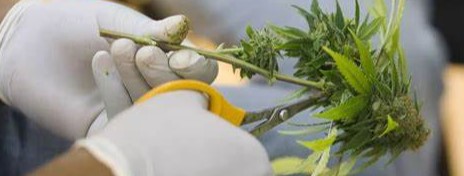
A. Flushing
- Begin 10–14 days before harvest
- Use pH-balanced water (6.0–6.5) to remove nutrient salts
B. Drying
- Conditions: 60–65°F (15–18°C), 55–60% RH, 7–14 days
- Dark environment to protect cannabinoids and terpenes from UV degradation
C. Curing
- Cure in glass jars with daily burping for 2–3 weeks minimum
- Terpenes like terpinolene and limonene are volatile and degrade without proper humidity (ideal RH in jars: 58–62%)
Scientific Perspective:
- Improper curing can result in oxidation of THC into CBN and terpene evaporation, reducing potency and therapeutic value
- Curing enables enzymatic breakdown of chlorophyll, improving flavor and smoothness
Yield and Quality Optimization
| Method | Result |
|---|---|
| SCROG + LST | Up to 25% yield increase |
| Mycorrhizal use | Better nutrient uptake, root mass |
| Organic top-dress | Richer terpene profile |
| Late-stage defoliation | Airflow, trichome preservation |
With proper technique, Super Sour Diesel can yield:
- Indoor: 450–600g/m²
- Outdoor: 500–700g/plant in ideal climates
Pest and Disease Management
Common Risks:
- Spider mites
- Powdery mildew
- Aphids (especially outdoors)
Integrated Pest Management (IPM)
- Neem oil (veg only): Antifungal and insecticidal
- Predatory mites (e.g., Phytoseiulus persimilis): Biocontrol for spider mites
- Silica supplementation: Strengthens cell walls to resist pathogens
- Companion planting (outdoors): Marigolds, basil, and garlic repel aphids and whiteflies
Indoor vs Outdoor Cultivation Comparison
| Feature | Indoor | Outdoor |
|---|---|---|
| Control | Full (light, temp, RH) | Limited to climate and location |
| Yield Potential | High with training (SCROG) | Potentially higher but riskier |
| Aroma Management | Carbon filters required | More difficult to control |
| Terpene Quality | Often higher in soil-based outdoor | But can degrade with sun/heat exposure |
Super Sour Diesel performs exceptionally well indoors where conditions can be controlled, especially since its aroma is intense and can attract attention or pests outdoors, but the intense aroma requires carbon filtration for indoor setups.
Recreational Uses
Cerebral and Euphoric High
The most prominent recreational appeal of Super Sour Diesel is its immediate cerebral stimulation. Users often describe a surge of euphoria and creativity, making it a popular choice among artists, writers, and musicians.
- Best For: Daytime use, social gatherings, creative activities
- Effects:
- Energizing
- Uplifting
- Talkative
- Creative
- Focus-enhancing
- Anti-fatigue
Socialization and Engagement
Its talkative and uplifting nature makes Super Sour Diesel ideal for social settings. The mental clarity and focus it induces can help users engage more actively in conversations and group activities without mental fog.
- Common Pairings: Outdoor adventures, brainstorming sessions, parties, gaming
Mood Elevation and Motivation
Super Sour Diesel is valued for its motivational properties. Recreational users report improved mood and increased drive, making it a great strain for overcoming procrastination or tackling long to-do lists.
Medical Uses and Scientific Insights
Super Sour Diesel (SSD) is a sativa-dominant strain with THC levels typically ranging from 20–26%, minimal CBD content (<1%), and a complex terpene profile dominated by limonene, caryophyllene, terpinolene, and myrcene. These compounds drive its robust psychoactive and therapeutic profile, especially in mood-related, neurological, and inflammatory disorders.
Depression and Mood Disorders
Primary Benefits:
- Elevates mood
- Enhances motivation
- Improves cognitive clarity
Active Compounds:
- THC, limonene, and terpinolene
Mechanisms of Action:
- THC stimulates dopaminergic transmission in the mesolimbic reward system, counteracting anhedonia and apathy—hallmarks of depression.
- Limonene modulates serotonergic signaling via 5-HT1A receptor activation, mimicking the action of SSRIs.
- Terpinolene may enhance neuroplasticity and has mild monoamine oxidase inhibitory (MAOI) properties, supporting neurotransmitter retention.
Scientific Evidence:
- A 2019 study in Journal of Affective Disorders found that high-THC, limonene-rich strains reduced self-reported depressive symptoms in 89% of patients within 2 hours.
- Neuroimaging studies suggest cannabis increases activity in the anterior cingulate cortex and prefrontal cortex, improving emotional regulation.
Attention Deficit Hyperactivity Disorder (ADHD)
Primary Benefits:
- Improves focus and attention
- Reduces impulsivity
- Increases cognitive performance
Active Compounds:
- THC, pinene, limonene
Mechanisms of Action:
- THC boosts dopamine levels in the prefrontal cortex, improving executive function, attention, and working memory.
- Alpha-pinene inhibits acetylcholinesterase, increasing acetylcholine levels—critical for attention and information processing.
- Limonene may further assist by reducing mental fatigue and enhancing neuro-alertness.
Clinical Insights:
- Though not formally FDA-approved, cannabis use in adults with ADHD has shown self-reported improvements in focus and decreased hyperactivity.
- Super Sour Diesel’s energetic profile makes it more suitable for inattentive-type ADHD, particularly when fatigue or low motivation is also present.
Chronic Fatigue Syndrome (CFS) and Low Energy Conditions
Primary Benefits:
- Boosts physical energy
- Enhances mental clarity
- Improves stamina
Key Compounds:
- THC, limonene, terpinolene, pinene
Mechanisms of Action:
- THC activates endocannabinoid receptors (CB1) in the central nervous system, regulating mitochondrial energy metabolism and fatigue perception.
- Terpenes like limonene and terpinolene may increase noradrenergic and dopaminergic tone, promoting alertness.
- Pinene’s bronchodilatory effects may increase oxygenation and physical energy perception.
Scientific Note:
Fatigue is often linked with oxidative stress and mitochondrial dysfunction. Super Sour Diesel’s terpenoid antioxidants (especially terpinolene) may counteract some of these biochemical disruptions.
Stress and Mild to Moderate Anxiety
Primary Benefits:
- Reduces perceived stress
- Improves resilience to daily stressors
- Induces calm without sedation (in low doses)
Active Compounds:
- Limonene, myrcene (in trace amounts), THC
Mechanisms:
- Limonene reduces anxiety by increasing GABAergic transmission and serotonin levels.
- THC at low doses (<5 mg) reduces amygdala reactivity, promoting a calm, uplifted state.
- Myrcene may enhance GABA receptor activity, helping with mild muscle tension or restlessness.
Caution:
- In high doses, SSD’s strong cerebral activity can increase anxiety or cause paranoia—especially in individuals with panic disorder or generalized anxiety disorder (GAD).
- Best administered with careful titration or microdosing (1–3 mg THC).
Neuropathic and Inflammatory Pain
Primary Benefits:
- Alleviates nerve-related pain
- Reduces neuroinflammation
- Improves pain tolerance through mood elevation
Active Compounds:
- Caryophyllene, THC, limonene
Mechanisms:
- Caryophyllene binds to CB2 receptors, decreasing inflammatory signaling and cytokine production.
- THC activates CB1 receptors in pain-processing regions (e.g., periaqueductal gray, thalamus), blunting nociceptive input.
- Limonene and pinene also contribute anti-inflammatory and mild analgesic effects.
Medical Relevance:
SSD may benefit patients with:
- Peripheral neuropathy
- Migraines (particularly with energetic onset)
- Mild inflammatory conditions (e.g., fibromyalgia)
Limitations:
- SSD is not ideal for deep, musculoskeletal or arthritis-related pain due to its stimulating profile and lack of full-body sedation.
Nausea and Appetite Stimulation
Primary Benefits:
- Reduces chemotherapy-induced nausea
- Stimulates appetite in patients with cachexia or HIV/AIDS
Mechanisms:
- THC stimulates the hypothalamic hunger centers and ghrelin secretion, increasing food-seeking behavior.
- It also acts on the area postrema in the medulla to reduce the vomiting reflex.
Clinical Context:
- Often used by patients undergoing chemotherapy, radiation, or antiretroviral therapy to:
- Improve food intake
- Prevent weight loss
- Improve quality of life during treatment
Glaucoma (Intraocular Pressure)
Though not a primary SSD use, its high THC content can transiently reduce intraocular pressure by:
- Increasing aqueous humor outflow
- Reducing ciliary body secretion
However, SSD’s short duration of IOP-lowering effects (<4 hours) makes it impractical as a monotherapy.
Neuroprotective and Antioxidant Potential
Benefits:
- Protects neurons from excitotoxicity and oxidative stress
- May be beneficial in early-stage neurodegenerative conditions
Scientific Support:
- Limonene and terpinolene possess free-radical scavenging properties
- THC and other cannabinoids promote neurogenesis in the hippocampus and inhibit beta-amyloid aggregation—implicated in Alzheimer’s disease
While not curative, SSD may provide symptomatic relief and cognitive enhancement in:
- Early dementia
- Parkinson’s (for mood, energy, and tremor modulation)
- Post-stroke recovery (energy/motivation boost)
Potential Anticancer Properties
While direct clinical use is still experimental, lab studies indicate:
- THC can induce apoptosis in some cancer cell lines (e.g., glioblastoma, breast cancer)
- Limonene inhibits Ras oncogene expression, reducing tumor proliferation in preclinical models
SSD, with its high THC and limonene content, may hold promise in adjunctive oncology—but always under physician guidance.
Patient-Specific Considerations
| Condition | SSD Suitability | Dosing Note |
|---|---|---|
| Depression | Excellent | Start low, increase as needed |
| ADHD | Excellent | Daytime use only |
| Chronic fatigue | Excellent | Morning or early afternoon only |
| Anxiety (generalized/severe) | Caution | Microdose only |
| Neuropathic pain | Moderate to high | Combine with a full-spectrum extract |
| Glaucoma | Minimal | Not recommended for monotherapy |
| Appetite/nausea | High | Use before meals or chemotherapy |
| Sleep disorders | Poor | Too stimulating |
Summary: Why SSD Is Medically Valuable
| Key Medical Effects | Mechanisms |
|---|---|
| Antidepressant | THC-dopamine, limonene-serotonin |
| Cognitive enhancer (ADHD) | Dopamine modulation, pinene-acetylcholine |
| Anti-fatigue | Mitochondrial activity, monoaminergic stimulation |
| Mild analgesic/anti-inflammatory | THC-CB1, caryophyllene-CB2, limonene |
| Anxiolytic (low dose only) | GABAergic and serotonergic modulation |
| Appetite stimulant | Hypothalamic activation, ghrelin response |
Biochemical Mechanisms of Action
THC (Δ9-tetrahydrocannabinol)
- Binds: CB1 receptors (central nervous system)
- Effects:
- Psychoactivity
- Euphoria
- Increased dopamine
- Risks: Can induce anxiety or panic at high doses
CBD (Cannabidiol)
- Present in trace amounts in SSD, but plays a minor role
- Known for counteracting some THC effects (anxiolytic, antipsychotic)
Terpenes
- Limonene: Elevates mood by modulating serotonin (5-HT1A) and dopamine receptors
- Caryophyllene: Non-psychoactive, binds to CB2, reducing inflammation
- Pinene: Enhances memory, acts as a bronchodilator and stimulant
- Terpinolene: Mildly sedative yet mood-elevating, antioxidant
The entourage effect—the synergistic interaction between cannabinoids and terpenes—is key to Super Sour Diesel’s therapeutic effectiveness. For example, limonene and THC may synergize to increase antidepressant-like effects, while caryophyllene moderates inflammation without contributing to the high.
Adverse Effects and Safety Profile
Common Side Effects
- Dry mouth and dry eyes
- Paranoia or anxiety (especially in high doses)
- Increased heart rate
- Dizziness in new users
Not Recommended For:
- People who suffer from acute anxiety problems or panic episodes
- Patients sensitive to high THC levels
- Users seeking physical sedation or sleep aid
Ideal Patient and Consumer Profile
| Characteristic | Ideal Use Case for SSD |
|---|---|
| New or Sensitive Users | Not ideal unless microdosed |
| Experienced Cannabis Users | Excellent for focus, energy, mood |
| Medical Patients | Best for depression, fatigue, ADHD |
| Recreational Users | Great for parties, creativity, hiking |
| Time of Day | Morning to early afternoon |
Strain Comparisons
- Versus Sour Diesel: SSD is more potent and euphoric, with slightly more haze-induced mental clarity
- Versus Green Crack: SSD is heavier and more psychoactive, while Green Crack is more linear in its energy
- Versus Jack Herer: Both offer creativity and energy, but SSD is more intense and cerebral
Consumer Reviews and Lab Data Trends
Lab Testing Summary (Average of Verified Samples)
- THC: 23.1%
- CBD: 0.4%
- CBG: 0.9%
- Myrcene: 0.7%
- Limonene: 0.9%
- Caryophyllene: 0.5%
- Total Terpenes: 2.3%
Consumer Experience Highlights
- “Laser-focused high, perfect for brainstorming.”
- “Strong diesel flavor with a lemon punch.”
- “Too intense for bedtime, but amazing for hiking or art.”
Final Thoughts
Super Sour Diesel stands out as one of the most stimulating and cerebrally intense cannabis strains available. It offers substantial therapeutic potential for mental health conditions, motivation loss, and fatigue, and delivers an energetic euphoria unmatched by most hybrids. While its potency makes it unsuitable for novice users or those prone to anxiety, it is ideal for experienced consumers seeking clarity, drive, and uplift.
Summary of Key Attributes
| Attribute | Value |
|---|---|
| Type | Sativa-dominant |
| THC Content | 20–26% |
| Primary Effects | Energetic, creative, euphoric |
| Best Medical Uses | Depression, ADHD, fatigue, nausea |
| Terpenes | Limonene, myrcene, caryophyllene |
| Grow Info | 10–11 weeks, moderate to high yield |
| Risk Profile | High doses may induce anxiety |
For a complete directory of cultivars, visit our Cannabis Strain Reviews.
