Table of Contents
Super Snow Dog, also known as “Snow Dog” or simply “G6,” is a sativa-dominant hybrid cannabis strain cherished for its uplifting effects, invigorating aroma, and versatility in both recreational and medical contexts. This strain is a product of meticulous crossbreeding and boasts a compelling profile that appeals to both recreational and therapeutic uses.
Genetic Lineage and Phytochemical Profile
Super Snow Dog stems from an illustrious genetic lineage that includes Chemdawg, a foundational strain in the cannabis world, and Super Skunk, a classic known for its potency and pungency. The resulting hybrid combines the best traits of both parents, making it a powerful and aromatic strain.
- Cannabinoid Profile:
- THC Content: Ranges from 18% to 23%, with some phenotypes testing even higher. The high THC content is responsible for its strong psychoactive effects.
- CBD Content: Typically low (<1%), meaning the strain’s effects are predominantly psychoactive rather than balancing.
- Other Cannabinoids: Minor cannabinoids like CBG (Cannabigerol) and CBC (Cannabichromene) may be present in trace amounts, potentially contributing to its entourage effect.
- Terpene Composition:
- Myrcene: Found in high concentrations, contributing to its earthy and musky aroma.
- Limonene: Adds a citrusy tang, enhancing its uplifting effects.
- Caryophyllene: A spicy, peppery terpene known for its anti-inflammatory properties.
- Pinene: Provides pine-like freshness, which may support focus and respiratory benefits.
- Humulene: Adds subtle woody undertones, complementing the strain’s overall complexity.
These terpenes work synergistically with cannabinoids to produce a multifaceted experience, often referred to as the entourage effect.
Aroma, Flavor, and Visual Characteristics
- Aroma: Super Snow Dog is known for its intensely pungent aroma. Dominated by herbal pine and citrus, its scent profile is accented by sweet, floral, and skunky undertones. This aroma is a testament to its Super Skunk parentage.
- Flavor: On inhalation, users describe a sweet and earthy pine taste, followed by sharp citrus notes. On exhalation, the strain leaves a lingering sweetness with a slightly herbal finish.
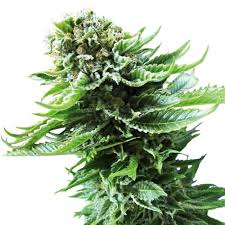
- Appearance: The buds are dense and spade-shaped, with a dark forest-green hue. The frosty trichome coating gives the buds a snow-covered appearance, which is visually striking and contributes to its name. Sparse amber pistils add contrasting highlights.
Recreational Uses and Psychoactive Effects
Super Snow Dog is prized for its sativa-dominant effects, making it a go-to choice for daytime use or social gatherings. The effects can be described as uplifting, energizing, and creativity-boosting.
Primary Effects
- Euphoria and Mood Elevation:
- The high begins with a cerebral rush, instilling an immediate sense of joy and well-being. Users often report that it helps clear negative thoughts and improves their overall mood.
- Enhanced Focus and Creativity:
- The strain’s ability to stimulate mental clarity makes it an excellent choice for artistic projects, brainstorming sessions, or engaging in intellectually stimulating activities.
- Mild Body Relaxation:
- Although predominantly cerebral, Super Snow Dog offers a gentle body buzz, keeping users physically at ease without causing sedation.
- Sociability:
- Its uplifting properties make it ideal for social events, fostering open communication and reducing social anxiety.
Medical Applications and Potential Benefits
Super Snow Dog’s cannabinoid-terpene synergy makes it a popular choice among medical cannabis users. Here is a detailed breakdown of its therapeutic potential:
Neurological and Psychological Benefits
- Depression:
- The strain’s uplifting and euphoric effects are valuable for managing symptoms of depression. The limonene terpene, in particular, has been studied for its potential to reduce stress and improve mood.
- Chronic Stress:
- Myrcene and caryophyllene, known for their calming properties, may help mitigate the physical and emotional symptoms of stress.
- Anxiety:
- While some sativa-dominant strains can exacerbate anxiety, Super Snow Dog’s balanced profile offers relief for mild anxiety when consumed in moderation.
Physical Benefits
- Chronic Pain:
- Caryophyllene acts as a partial agonist to CB2 receptors, providing anti-inflammatory effects that can alleviatediscomfort brought on by diseases like fibromyalgia or arthritis.
- Fatigue:
- As a stimulating strain, Super Snow Dog combats fatigue, promoting wakefulness and energy.
- Appetite Stimulation:
- The strain is effective in treating appetite loss, often seen in conditions like cancer or HIV/AIDS.
Miscellaneous Benefits
- Nausea:
- Commonly used for nausea, Super Snow Dog’s antiemetic properties are beneficial for patients undergoing chemotherapy or suffering from gastrointestinal issues.
- Migraines:
- The strain’s combination of THC and terpenes like pinene may reduce the intensity and frequency of migraines.
Scientific Insights and Mechanisms of Action
Cannabis exerts its effects by interacting with the endocannabinoid system (ECS), which plays a crucial role in maintaining homeostasis. Super Snow Dog’s high THC content binds to CB1 receptors in the brain, triggering psychoactive effects. Meanwhile, terpenes like caryophyllene interact with CB2 receptors, contributing to its anti-inflammatory benefits.
- Entourage Effect: The interaction between cannabinoids and terpenes amplifies the strain’s overall effects. For instance, limonene enhances mood, while pinene counters THC-induced cognitive impairment by improving focus and memory retention.
- Neuroprotective Properties: Studies suggest that THC and CBD may offer neuroprotective benefits by reducing oxidative stress and inflammation in the brain. This has implications for conditions like Alzheimer’s or multiple sclerosis.
Potential Side Effects
Despite its many benefits, Super Snow Dog is not without potential drawbacks. The following adverse effects should be noted by users:
- Dry Mouth and Dry Eyes: Common with most cannabis strains, these can be alleviated with hydration and proper eye care.
- Paranoia or Anxiety: At higher doses, its potent THC content may lead to feelings of paranoia or exacerbated anxiety, particularly in those prone to such conditions.
- Dizziness: Rare but possible, especially for novice users or those with a low tolerance for THC.
Cultivation of Super Snow Dog
Cultivating Super Snow Dog requires a nuanced understanding of cannabis horticulture, given its sativa-dominant traits and specific environmental needs. Below is a comprehensive exploration of its cultivation methods, supported by scientific principles and best practices.
1. Genetic Background and Growth Characteristics
- Genetic Lineage: A cross between Chemdawg and Super Skunk, Super Snow Dog inherits traits like sativa-like growth patterns (tall and lanky) and dense trichome production.
- Plant Morphology:
- Height: Sativa-dominant strains like Super Snow Dog tend to grow taller, often reaching heights of 5 to 6 feet indoors and even taller outdoors.
- Leaf Structure: Thin, finger-like leaves characteristic of sativa strains, optimizing photosynthesis in bright light environments.
- Flowering Time: Typically 9 to 10 weeks indoors, with outdoor harvests occurring in mid to late October.
- Yield: Produces moderate to high yields with proper care.
2. Optimal Growing Conditions
Indoor Cultivation
Indoor cultivation offers controlled conditions, which are ideal for maximizing Super Snow Dog’s yield and potency. Key considerations include:

- Lighting:
- Requires high-intensity lighting (e.g., full-spectrum LED or HPS lights) to mimic natural sunlight.
- Optimal photoperiod during the vegetative stage: 18–24 hours of light per day.
- During the flowering stage: 12 hours of light and 12 hours of darkness to trigger bud development.
- Temperature:
- Ideal daytime temperatures: 70–80°F (21–27°C).
- Nighttime temperatures: 5–10°F lower than daytime temperatures to mimic natural diurnal cycles.
- Avoid temperatures above 85°F, which can stress the plant and reduce terpene and cannabinoid production.
- Humidity:
- Vegetative stage: 50–70% relative humidity to support rapid growth.
- Flowering stage: Reduce to 40–50% to prevent mold and mildew on dense buds.
- Ventilation and Air Circulation:
- Adequate airflow is crucial to prevent mold and pests.
- Use oscillating fans and exhaust systems to maintain airflow and CO₂ exchange.
- Soil vs. Hydroponics:
- Soil: Super Snow Dog thrives in nutrient-rich organic soil for enhanced terpene profiles.
- Hydroponics: Accelerates growth and allows precise nutrient control but requires expertise in pH and EC (electrical conductivity) management.
Outdoor Cultivation
Outdoor cultivation leverages natural sunlight and can result in larger plants and higher yields.
- Climate:
- Prefers a Mediterranean-like climate with long, sunny days.
- Hardy enough to withstand slight fluctuations in temperature but should be protected from frost.
- Soil:
- Requires well-draining, loamy soil with a pH of 6.0–7.0.
- Amend soil with organic compost, bat guano, or fish meal to enrich nitrogen levels during vegetative growth.
- Pest and Mold Management:
- Common outdoor threats include spider mites, aphids, and powdery mildew.
- Employ natural deterrents like neem oil or companion planting (e.g., marigolds) to reduce pest infestations.
3. Nutrient Requirements
Super Snow Dog, like most cannabis strains, benefits from a carefully tailored nutrient regimen throughout its life cycle:
Macronutrients:
- Nitrogen (N):
- Essential during the vegetative stage for robust leaf and stem development.
- Deficiency results in yellowing leaves (chlorosis).
- Phosphorus (P):
- Crucial during the flowering stage for bud development and resin production.
- Deficiency causes stunted growth and dark, curling leaves.
- Potassium (K):
- Promotes water control, disease resistance, and general plant health.
- Deficiency leads to weak stems and leaf scorching.
Micronutrients:
- Calcium (Ca): Strengthens cell walls and prevents blossom-end rot.
- Magnesium (Mg): Essential for photosynthesis and the synthesis of chlorophyll.
- Sulfur (S): Contributes to terpene synthesis, enhancing Super Snow Dog’s pungent aroma.
Feeding Schedule:
- Vegetative Stage: High potassium, moderate phosphorus, and high nitrogen.
- Flowering Stage: Reduce nitrogen, increase phosphorus and potassium to support bud growth and resin production.
pH Management:
- Soil: Maintain a pH range of 6.0–6.5.
- Hydroponics: Maintain a slightly lower pH of 5.5–6.0.
- Improper pH can lead to nutrient lockout, where plants cannot absorb nutrients effectively.
4. Training and Pruning Techniques
Super Snow Dog benefits from advanced horticultural techniques to optimize yield and quality.
Low-Stress Training (LST):
- Involves bending and tying down branches to create an equal canopy.
- Ensures equal light distribution and maximizes bud sites.
Screen of Green (ScrOG):
- A screen or net is used to guide plant growth horizontally, maximizing light exposure and increasing yields in limited spaces.
Defoliation:
- Selectively removing fan leaves improves airflow and light penetration, reducing the risk of mold.
Topping and FIMing:
- Cutting the main stem encourages lateral growth, resulting in more colas and increased yield.
5. Flowering Stage and Resin Production
The flowering stage is critical for Super Snow Dog’s trichome and terpene development.
- Light Stress and Trichome Production:
- Exposing plants to UV-B light during the late flowering stage can increase trichome density.
- Stress triggers a defense mechanism, prompting the plant to produce more resin.
- Flushing:
- Cease feeding nutrients 1–2 weeks before harvest to remove residual chemicals, enhancing flavor and aroma.
6. Harvesting and Curing
Proper harvesting and curing techniques ensure Super Snow Dog’s full terpene and cannabinoid potential is preserved.
Harvest Timing:
- Monitor trichomes with a magnifying glass:
- Clear trichomes: Not ready.
- Cloudy trichomes: Peak THC levels.
- Amber trichomes: More sedative effects due to THC degradation into CBN.
Drying:
- Hang buds upside down in a dark, well-ventilated room at 60–70°F with 50–60% relative humidity.
- Drying typically takes 7–10 days.
Curing:
- Transfer dried buds to airtight glass jars, opening them daily for the first week to release excess moisture (burping).
- Cure for 2–4 weeks to allow chlorophyll to break down and terpenes to stabilize, enhancing flavor and potency.
7. Challenges in Cultivation
- Pest Resistance:
- Super Snow Dog is moderately resistant to pests but still susceptible to common cannabis pests like spider mites and aphids.
- Regular inspections and organic pesticides help mitigate infestations.
- Climate Sensitivity:
- Sativa-dominant strains like Super Snow Dog are less tolerant of cold or overly humid environments, making indoor control advantageous in temperamental climates.
- Nutrient Burn:
- Overfeeding can lead to nutrient burn, characterized by browning leaf tips. Regular monitoring and precise dosing are essential.
Methods of Ingestion
Super Snow Dog, like other cannabis strains, can be consumed in multiple ways, each affecting its onset, intensity, and duration of effects. Here is a summary of the main techniques:

1. Smoking (Combustion)
- Mechanism: Burning the flower produces smoke that delivers cannabinoids and terpenes directly to the lungs, where the bloodstream absorbs them.
- Onset: Effects are felt within 1 to 3 minutes due to rapid absorption via the pulmonary system.
- Duration: Effects last 2 to 4 hours, with peak intensity at around 30 to 60 minutes post-inhalation.
- Pros: Rapid onset and ease of titration (users can stop after achieving desired effects).
- Cons: Potential respiratory irritation and loss of some cannabinoids/terpenes during combustion.
2. Vaporization
- Mechanism: Heating the flower or concentrate to a temperature that vaporizes cannabinoids and terpenes without combustion.
- Onset: Similar to smoking, effects are felt within 1 to 3 minutes.
- Duration: Effects last 2 to 4 hours, with a sharp peak.
- Pros: Preserves more cannabinoids and terpenes compared to smoking, offering a cleaner flavor and less lung irritation.
- Cons: Requires a vaporizer, which may be cost-prohibitive for some users.
3. Edibles
- Mechanism: Cannabinoids are metabolized by the liver after oral ingestion. THC is converted into 11-hydroxy-THC, a more potent psychoactive compound.
- Onset: Slow onset of 30 minutes to 2 hours, depending on individual metabolism and whether the stomach is empty.
- Duration: Effects last 6 to 8 hours, with some lingering effects for up to 12 hours.
- Pros: Long-lasting effects; suitable for sustained symptom relief.
- Cons: Difficult to titrate due to delayed onset; overdosing is more likely.
4. Tinctures and Sublingual Administration
- Mechanism: Cannabis extracts are absorbed through mucous membranes under the tongue, bypassing the gastrointestinal tract.
- Onset: Faster than edibles, typically 15 to 30 minutes.
- Duration: Impacts last four to six hours.
- Pros: Discreet, easier to dose than edibles, and offers faster relief.
- Cons: Limited availability of sublingual products for specific strains like Super Snow Dog.
5. Topicals
- Mechanism: Applied to the skin, cannabinoids interact with local CB2 receptors but do not enter the bloodstream (non-psychoactive).
- Onset: 15 to 30 minutes for localized relief.
- Duration: Effects last 2 to 4 hours.
- Pros: Ideal for targeted pain relief without psychoactive effects.
- Cons: Not suitable for systemic effects or psychoactivity.
6. Dabbing
- Mechanism: Superheated concentrates, like wax or shatter derived from Super Snow Dog, are vaporized and inhaled.
- Onset: Rapid, within 1 to 3 minutes.
- Duration: Effects last 2 to 4 hours, with an intense peak.
- Pros: Delivers high doses of cannabinoids quickly.
- Cons: Requires specialized equipment and may be overwhelming for novice users.
Onset, Duration, and Effects
Onset of Effects
The onset of effects for Super Snow Dog varies depending on the method of ingestion. Key factors include:
- Method of Consumption: Inhalation provides rapid effects due to direct bloodstream absorption, while oral ingestion takes longer due to first-pass metabolism in the liver.
- Individual Metabolism: Enzyme activity, body weight, and genetic factors influence how quickly effects are felt.
- Cannabinoid and Terpene Content: High THC concentrations and the presence of fast-acting terpenes like limonene and pinene accelerate onset for some users.
Duration of Effects
The following factors affect how long effects last:
- Dose: Larger doses result in prolonged effects, especially in edibles where THC is metabolized into more potent compounds.
- Tolerance: Frequent users may experience shorter and less intense effects due to desensitization of CB1 receptors.
- Consumption Method: Edibles last the longest due to sustained release during digestion, while inhalation methods taper off more quickly.
Pharmacokinetics and Dynamics
- THC Absorption and Distribution:
- After inhalation, THC peaks in plasma within 10 minutes.
- Oral consumption leads to peak plasma levels at around 1 to 2 hours.
- Metabolism:
- THC is metabolized in the liver into 11-hydroxy-THC, which is more psychoactive and contributes to the prolonged effects of edibles.
- Secondary metabolism produces inactive metabolites excreted through urine and feces.
- Terpene Synergy:
- Myrcene enhances THC’s permeability across the blood-brain barrier, amplifying its effects.
- Limonene contributes to the uplifting and anti-anxiety properties, while pinene counteracts THC-induced memory impairment.
Specific Effects of Super Snow Dog
Immediate Effects (Within Minutes for Inhalation)
- Euphoria: A surge of positivity and mood enhancement is typical.
- Mental Stimulation: Increased focus, creativity, and an uplifted mindset are frequently reported.
- Energy Boost: Initial effects are invigorating, making the strain suitable for daytime use.
Intermediate Effects (30 Minutes to 1 Hour)
- Cognitive Clarity: Users experience heightened mental clarity and motivation, which is beneficial for work, art, or socializing.
- Mild Body Relaxation: While primarily cerebral, the strain provides a gentle body buzz, keeping physical tension at bay.
Peak Effects (1 to 2 Hours)
- Enhanced Creativity: Many users report an ability to think outside the box or engage deeply in creative pursuits.
- Sociability: Its uplifting nature fosters conversation and reduces social anxiety.
Later Effects (After 2 Hours)
- Tapering Energy: Energy levels gradually decrease, leading to a balanced state of calmness.
- Mild Sedation (In High Doses): Overconsumption can lead to slight physical lethargy or couch-lock.
Unique Pharmacological Considerations
1. Cerebral Dominance
- The high THC content and terpenes like limonene and pinene enhance cerebral stimulation, which is why Super Snow Dog is highly favored for daytime use.
- Excessive doses may overstimulate CB1 receptors in the brain, causing dizziness or anxiety in sensitive individuals.
2. Anti-Anxiety Effects (In Low Doses)
- Limonene, in conjunction with moderate THC levels, interacts with serotonin receptors, potentially reducing anxiety. However, high doses may have the opposite effect, leading to overstimulation or paranoia.
3. Appetite Stimulation
- The strain’s THC content activates CB1 receptors in the hypothalamus, increasing hunger. This is often referred to as the “munchies” effect and is particularly helpful for patients with appetite loss.
Conclusion
Super Snow Dog is a versatile and powerful cannabis strain that offers an invigorating and euphoric experience. With its rich genetic history, complex terpene profile, and significant therapeutic potential, it caters to a wide range of users. Recreational consumers appreciate its ability to enhance mood, creativity, and focus, while medical patients turn to it for relief from depression, chronic pain, and fatigue. However, its potency requires mindful consumption, particularly for those new to cannabis.
In the context of modern cannabis science, Super Snow Dog exemplifies the synergy between cannabinoids and terpenes. Its balanced effects and robust genetic lineage make it a staple in the repertoire of both casual and medicinal users, ensuring its continued popularity in the ever-evolving cannabis landscape.
