Table of Contents
Super Jack, also known as “Super Jack Herer,” is a potent Sativa-dominant hybrid that combines Jack Herer and Super Silver Haze are two legendary strains. This strain is celebrated for its uplifting cerebral effects, making it a popular choice for both medical and recreational users.
Super Jack is known for its invigorating and creative high, often used during the day to enhance productivity, boost mood, and provide a sense of mental clarity. Its high THC content, typically ranging from 18% to 24%, ensures a potent experience, while its terpene profile contributes to its distinct aromatic and therapeutic properties.
Genetics and Origin
Parent Strains:
- Super Silver Haze: A Sativa-dominant hybrid renowned for its uplifting and euphoric effects, with a genetic lineage of Skunk #1, Northern Lights, and Haze.
- Jack Herer: Another Sativa-dominant hybrid with legendary status, known for its clear-headed, blissful, and creative high. It was named after the cannabis activist Jack Herer and is a cross between Haze, Shiva Skunk #5 with Northern Lights.
Genetic Breakdown:
- 70% Sativa / 30% Indica
- THC Levels: 18% – 24%
- CBD Levels: <1%
Super Jack inherits the best qualities of its parent strains, offering an energetic and focused high with mild body relaxation.
Scientific Composition and Chemical Profile
Cannabinoids:
- THC: 18% – 24%
- CBD: Less than 1%
- CBG: ~0.5%
- CBC, CBN, THCV: Present in trace amounts
Terpene Profile:
The dominant terpenes in Super Jack contribute to its distinct flavor and therapeutic effects.
- Terpinolene (dominant) – Found in lilacs, nutmeg, and apples, it provides a citrusy, floral, and herbal aroma. It is known for its sedative and antioxidant properties.
- Limonene – Offers citrus and lemon flavors; known for its anti-anxiety and mood-enhancing effects.
- Pinene – Found in pine trees; enhances alertness and memory retention.
- Caryophyllene – Has a spicy, peppery aroma and interacts with CB2 receptors, providing anti-inflammatory benefits.
- Myrcene – A common terpene in cannabis, known for its relaxing and pain-relieving properties.
Effects on the Endocannabinoid System (ECS)
The high THC content of Super Jack binds primarily to CB1 receptors in the brain, leading to euphoria, increased focus, and creativity. The presence of caryophyllene contributes to anti-inflammatory effects via CB2 receptor interaction.
Medical Uses of Super Jack
Due to its potent cerebral effects and moderate body relaxation, Super Jack is widely used for medical purposes. Below are some specific conditions it may help manage:
1. Mental Health Benefits
- Depression: The uplifting and mood-enhancing properties of Super Jack make it beneficial for individuals experiencing depression. It can help promote positive thoughts and motivation.
- Anxiety & Stress: Limonene and terpinolene work synergistically to reduce anxiety levels, promoting a relaxed but alert state.
- ADHD/ADD: The strain’s ability to enhance focus and cognitive function makes it suitable for individuals struggling with attention disorders.
- PTSD: Its uplifting effects can help mitigate symptoms related to trauma, nightmares, and emotional distress.
2. Neurological Disorders
- Migraines & Headaches: The analgesic properties of myrcene and pinene help alleviate headaches and chronic migraines.
- Alzheimer’s Disease & Cognitive Decline: Pinene, which improves memory retention, may offer neuroprotective benefits for individuals experiencing cognitive impairment.
- Multiple Sclerosis (MS): Although not highly sedative, Super Jack can help reduce neuropathic pain and muscle stiffness.

3. Pain Management
- Chronic Pain: Caryophyllene and myrcene contribute to pain relief, making it effective for arthritis, fibromyalgia, and joint pain.
- Nerve Pain (Neuropathy): The interaction of THC and caryophyllene with the ECS can help mitigate nerve pain.
- Menstrual Cramps: Mild body relaxation can ease cramps and tension.
4. Appetite Stimulation & Gastrointestinal Relief
- Nausea: THC’s anti-nausea properties make Super Jack helpful for individuals undergoing chemotherapy or experiencing gastrointestinal issues.
- Appetite Loss: While not as hunger-inducing as Indica strains, Super Jack can still help those experiencing appetite suppression.
Recreational Uses
1. Daytime Use & Productivity
Super Jack is often preferred by creative professionals, students, and individuals needing a mental boost for tasks requiring focus and motivation. Its clear-headed effects make it ideal for work, studying, or brainstorming.
2. Social Engagement
Due to its uplifting nature, Super Jack is great for social activities, helping users feel talkative, cheerful, and engaged without heavy sedation.
3. Physical Activities & Outdoor Adventures
Many users enjoy Super Jack for hiking, cycling, and other physical activities, as it enhances energy and endurance without causing couch-lock.
4. Artistic & Creative Expression
The heightened sense of creativity makes it a go-to strain for artists, musicians, and writers.
Methods of Ingestion
Super Jack can be consumed using various delivery methods, each affecting bioavailability, absorption rate, and duration of effects.
A. Inhalation (Smoking & Vaping)
Method: Combusting or vaporizing cannabis flower or concentrates and inhaling the cannabinoids.
- Bioavailability: 25 to 50 percent
- Onset: 1 to 5 minutes
- Peak Effects: 15 to 30 minutes
- Duration: 2 to 4 hours
Scientific Explanation:
- Upon inhalation, THC (delta-9-tetrahydrocannabinol) enters the lungs and diffuses rapidly into the bloodstream via alveolar absorption.
- First-pass metabolism is bypassed, allowing cannabinoids to reach the brain quickly via systemic circulation.
- Vaporization at lower temperatures (300 to 400 degrees Fahrenheit or 150 to 200 degrees Celsius) preserves terpenes such as limonene and pinene, enhancing flavor and therapeutic benefits.
Pros and Cons
Advantages:
- Rapid onset for immediate relief
- Efficient absorption due to high bioavailability
- Preserves terpenes, especially with vaping
Disadvantages:
- Potential lung irritation, especially from combustion
- Shorter duration compared to edibles
B. Oral Ingestion (Edibles & Capsules)
Method: Consuming cannabis-infused food, beverages, or capsules, allowing cannabinoids to be processed by the digestive system.
- Bioavailability: 4 to 20 percent
- Onset: 30 to 90 minutes
- Peak Effects: 2 to 3 hours
- Duration: 6 to 8 hours, sometimes up to 12 hours
Scientific Explanation:
- THC is metabolized by the liver (first-pass metabolism), converting delta-9-THC into 11-hydroxy-THC, a more potent psychoactive compound.
- This metabolite crosses the blood-brain barrier more efficiently, leading to stronger and longer-lasting effects compared to inhalation.
Pros and Cons
Advantages:
- Longer-lasting effects, ideal for chronic conditions
- No respiratory irritation
- More potent due to 11-hydroxy-THC conversion
Disadvantages:
- Delayed onset may lead to overconsumption
- Lower bioavailability due to digestive degradation
C. Sublingual Administration (Tinctures, Oils, Sprays)
Method: Placing cannabis tinctures or oils under the tongue for absorption via oral mucosa.
- Bioavailability: 10 to 35 percent
- Onset: 15 to 45 minutes
- Peak Effects: 45 to 90 minutes
- Duration: 4 to 6 hours
Scientific Explanation:
- Sublingual administration bypasses first-pass metabolism, allowing cannabinoids to be absorbed directly into the bloodstream through capillaries under the tongue.
- This results in a faster onset than edibles but a longer duration than inhalation.
Pros and Cons
Advantages:
- Moderate onset and duration, making it an ideal balance
- Higher bioavailability than edibles
- Discreet and easy to dose
Disadvantages:
- Bitter taste, which some users dislike
- The effects take longer to manifest than with smoking or vaping.
D. Topical & Transdermal Application
Method: Applying cannabis-infused creams, balms, or patches to the skin for localized relief or systemic absorption.
- Bioavailability: Varies, with 5 to 20 percent for localized application and up to 50 percent for transdermal patches
- Onset: 10 to 60 minutes
- Peak Effects: 1 to 2 hours
- Duration: 6 to 12 hours
Scientific Explanation:
- Topicals, such as creams and balms, do not enter the bloodstream. Instead, cannabinoids bind to CB2 receptors in the skin, providing localized relief for pain and inflammation.
- Transdermal patches, which use ethanol or carrier oils, allow THC to penetrate the bloodstream, leading to systemic effects.
Pros and Cons
Advantages:
- Ideal for localized pain relief such as arthritis and muscle pain
- Non-psychoactive when used as a topical
Disadvantages:
- Transdermal patches may cause mild psychoactive effects
- Topicals provide relief only at the application site
Onset and Duration Comparison by Ingestion Method
| Method | Onset Time | Peak Effects | Total Duration | Bioavailability |
|---|---|---|---|---|
| Smoking/Vaping | 1 to 5 min | 15 to 30 min | 2 to 4 hours | 25 to 50 percent |
| Edibles | 30 to 90 min | 2 to 3 hours | 6 to 12 hours | 4 to 20 percent |
| Sublingual | 15 to 45 min | 45 to 90 min | 4 to 6 hours | 10 to 35 percent |
| Topical | 10 to 60 min | 1 to 2 hours | 6 to 12 hours | 5 to 20 percent (localized) |
| Transdermal | 30 to 60 min | 1 to 3 hours | 6 to 12 hours | Up to 50 percent |
Factors Influencing Onset, Duration, and Potency
Several physiological and external factors affect how Super Jack cannabis is processed in the body:
- Metabolism – Individuals with faster metabolism experience quicker onset and shorter duration of effects.
- Body Fat Percentage – THC is stored in fat cells, affecting how long it stays in the system.
- Tolerance Level – Frequent cannabis users may require higher doses for the same effect.
- Food Intake – Consuming edibles on an empty stomach leads to a faster onset but may increase side effects.
- Cannabinoid and Terpene Content – Higher THC strains like Super Jack have stronger and more immediate psychoactive effects.
- Method of Ingestion – As detailed above, the choice of ingestion method determines how quickly and how long the effects last.
Potential Side Effects
While Super Jack is well-tolerated by most users, some may experience side effects, particularly with high doses.
Common Side Effects:
- Dry Mouth (Cottonmouth): Due to THC’s effect on saliva production.
- Dry Eyes: Can cause mild irritation and redness.
- Paranoia & Anxiety: Higher doses may lead to an increase in racing thoughts or restlessness, particularly in those prone to anxiety.
- Mild Dizziness: Some users report a brief sense of dizziness upon standing.
How to Mitigate Side Effects:
- Keep eye drops handy and drink plenty of water.
- Particularly for novices, start with a low dosage.
- Pair with CBD if prone to anxiety.
Cultivation Information
1. Understanding Super Jack’s Growth Characteristics
Growth Profile:
- Plant Type: Sativa-dominant hybrid (Tall, Stretchy)
- Flowering Time: 9-10 weeks (Indoor) | Mid-Late October (Outdoor)
- Yield: 400-500g/m² (Indoor) | 500-700g per plant (Outdoor)
- Structure: Thin, long branches with narrow leaves
- Nutrient Demand: Moderate to High
- Light Requirement: High-intensity full-spectrum light
Super Jack’s Sativa nature means it has a longer flowering period and prefers a warm, controlled environment to produce high levels of THC and terpenes.
2. Controlled Environmental Conditions
Maintaining a consistent environment is key to maximizing THC production, resin development, and terpene expression.
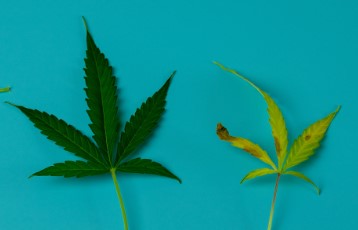
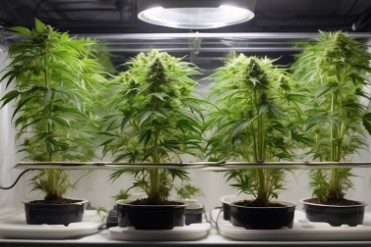
Indoor Cultivation Setup
For growers looking to cultivate Super Jack indoors, precision control over light, humidity, CO₂ levels, and nutrients is crucial.
Optimal Conditions:
- Temperature Range:
- Vegetative Stage: 70-80°F (21-27°C)
- Flowering Stage: 65-75°F (18-24°C)
- Late Flowering: 60-70°F (15-21°C) (Enhances terpene profile)
- Humidity Levels:
- Seedling: 65-70% RH
- Vegetative: 55-65% RH
- Flowering: 40-50% RH
- Late Flowering: 30-40% RH (Prevents mold, enhances resin production)
- Light Cycle:
- Vegetative Stage: 18/6 (18 hours light, 6 hours dark)
- Flowering Stage: 12/12 (12 hours light, 12 hours dark)
- Light Intensity:
- Optimal PPFD (Photosynthetic Photon Flux Density): 600-900 µmol/m²/s
- Recommended Light Type: Full-Spectrum LED or HID (High-Pressure Sodium for flowering)
- CO₂ Supplementation:
- Optimal Levels: 1200-1500 ppm
- Benefit: Increases photosynthesis and yield, leading to higher THC and terpene production.
Outdoor Cultivation Setup
Super Jack thrives outdoors in a Mediterranean-like climate with ample sunlight.
Ideal Outdoor Conditions:
- Climate: Warm, dry with plenty of sunshine
- Soil Type: Well-draining, aerated, nutrient-rich loamy soil
- Soil pH: 6.0 – 6.5 (Optimizes nutrient uptake)
- Sunlight Exposure: 8-12 hours/day
- Wind Protection: Super Jack’s tall structure makes it susceptible to strong winds, so plant near natural windbreaks or use stakes.
- Pest and Disease Prevention:
- Use companion plants (e.g., basil, marigold) to deter pests.
- Apply Neem oil or organic insecticides to prevent spider mites and powdery mildew.
3. Advanced Cultivation Techniques
A. High-Stress Training (HST) & Low-Stress Training (LST)
- Topping: Cutting the apical meristem encourages lateral growth, reducing vertical stretching.
- Screen of Green (ScrOG): Uses a mesh screen to train plants, improving light penetration and bud uniformity.
- Supercropping: Bending stems gently without breaking to enhance cannabinoid production.
B. Hydroponics vs. Soil Cultivation
- Hydroponic Growing:
- Increases nutrient uptake efficiency.
- Requires pH monitoring (5.5-6.0) and EC/TDS control.
- Common Systems: Deep Water Culture (DWC), Ebb & Flow, Aeroponics.
- Soil Growing:
- Because of microbial action, terpene complexity is enhanced.
- Use organic super soil to promote a natural ecosystem.
4. Nutrient Management for Maximum THC and Terpenes
Essential Macronutrients
- Nitrogen (N):
- Vegetative Stage: High levels promote healthy foliage.
- Flowering Stage: Reduce nitrogen to prevent leafy buds.
- Phosphorus (P):
- Enhances root strength and bud development.
- Potassium (K):
- Critical for resin and terpene production.
Micronutrients & Supplements
- Silica: Strengthens cell walls, improving pest resistance.
- Calcium & Magnesium (Cal-Mag): Prevents deficiencies that affect bud structure.
- Sulfur: Enhances terpene synthesis.
- Amino Acids & Enzymes: Aid in nutrient absorption and plant metabolism.
Feeding Schedule
| Growth Stage | N-P-K Ratio | Frequency |
|---|---|---|
| Seedling | 2-1-2 | Low, every other watering |
| Vegetative | 3-1-2 | Every 3-4 days |
| Early Flowering | 1-3-2 | Every 3-4 days |
| Mid Flowering | 0-3-3 | Every 2-3 days |
| Late Flowering | 0-2-3 | Flush with water |
5. Enhancing Terpene and THC Production
Environmental Stress Techniques
- Temperature Drop: Lower night temperatures during late flowering to boost anthocyanin and terpene expression.
- UV-B Light Exposure: Stimulates resin and THC production (Use during last 2 weeks of flowering).
- Defoliation: Removing fan leaves enhances light penetration and increases bud density.
- Drought Stressing: Short periods of intentional water deprivation before harvest trigger cannabinoid production.
6. Harvesting & Curing for Maximum Potency
Optimal Harvest Time
- Trichome Color Check:
- Clear: Too early
- Milky White: Peak THC levels (Ideal)
- Amber: More sedative effect
- Target: 70% Milky, 30% Amber for a balanced Super Jack high.
Drying Process
- Temperature: 60-70°F (15-21°C)
- Humidity: 45-55%
- Airflow: Moderate, using fans
- Time: 7-10 days
Curing Process
- Jars: Store in glass jars with humidity packs (58-62% RH).
- Burping: Open jars for 5-10 minutes daily for 2-3 weeks.
- Long-Term Storage: Maintain at 55-62% RH in a cool, dark place.
Final Thoughts
Super Jack is an exceptional Sativa-dominant strain that offers a combination of mental stimulation, mood enhancement, and mild physical relaxation. It is ideal for daytime use, providing an energizing experience that promotes focus, creativity, and social interaction. Its therapeutic benefits make it a valuable option for those dealing with depression, anxiety, chronic pain, and neurological disorders.
Whether used for medical relief, creative pursuits, or recreational enjoyment, Super Jack remains a top choice among cannabis enthusiasts. Its balanced effects, combined with a rich terpene profile and high THC content, making it a unique strain in the cannabis industry.
For a complete directory of cultivars, visit our Cannabis Strain Reviews.
