Table of Contents
Super Bud is an indica-dominant hybrid cannabis strain recognized for its potent effects, high yield, and fast flowering time. Bred by Green House Seeds, Super Bud is a cross between Big Bud and Skunk #1, both legendary cannabis strains known for their powerful effects and impressive resin production. Super Bud has gained popularity among both medical and recreational cannabis users for its strong sedative properties, intense body high, and therapeutic benefits.
This document provides an in-depth analysis of Super Bud, covering:
- Genetics and Composition
- Growth Characteristics
- Cannabinoid and Terpene Profile
- Medical Applications
- Recreational Uses
- Scientific Research and Pharmacology
- Potential Side Effects and Precautions
Genetics and Composition
Super Bud is a hybrid strain with a genetic composition that leans heavily toward indica dominance (80% indica, 20% sativa). This genetic makeup gives the strain its well-known relaxing and body-numbing effects.
Parent Strains:
- Big Bud – An indica strain famous for its massive yields and high resin production. It contributes to Super Bud’s impressive bud structure and growth efficiency.
- Skunk #1 – A hybrid strain with strong euphoric and uplifting effects. It lends Super Bud its pungent aroma and mental clarity properties, though the indica genetics are more pronounced.
Growth Characteristics
Environmental Requirements
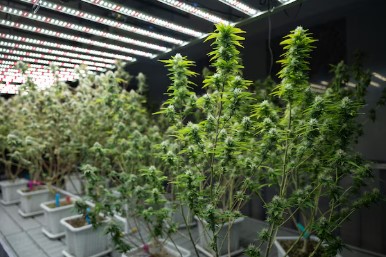
Super Bud thrives in a controlled environment where light, temperature, humidity, and air circulation are optimized.
Light Cycles & Intensity
- Vegetative Stage: Light for 18–24 hours a day.
- Flowering Stage: Twelve hours of darkness and twelve hours of brightness.
- PPFD (Photosynthetic Photon Flux Density): 600-1000 µmol/m²/s in flowering.
- Light Spectrum:
- Blue light (400-500nm) for vegetative growth.
- Red light (600-700nm) for enhanced flowering.
Temperature & Humidity
- Vegetative Stage: 22-28°C (RH: 50-70%).
- Flowering Stage: 18-26°C (RH: 40-50%).
- Late Flowering (Ripening): 18-22°C (RH: 30-40%) to prevent mold.
Air Circulation & CO₂ Enrichment
- Optimal CO₂ Levels: 1200-1500 ppm during light cycles.
- Oscillating fans to prevent stagnant air & mold growth.
- HEPA filters to minimize pathogens.
Soil & Hydroponic Systems
Super Bud can be cultivated in organic soil, hydroponics, or aeroponics, with each method having unique advantages.
Soil-Based Cultivation
- pH Range: 6.0-6.5.
- Best Soil Type: Loamy soil with excellent drainage.
- Nutrient Management:
- Nitrogen (N): High during vegetative growth.
- Phosphorus (P): Increased during flowering.
- Potassium (K): Crucial for bud development.
Hydroponic Cultivation
- pH Range: 5.5-6.2.
- EC (Electrical Conductivity): 1.2-2.0 mS/cm.
- Best Systems: Deep Water Culture (DWC) & Drip Irrigation.
- Advantages:
- Faster nutrient uptake.
- Higher yield due to direct nutrient availability.
Aeroponics
- Roots suspended in air, sprayed with nutrient mist.
- Oxygen-rich root zone enhances terpene profile.
- Drawback: High-tech & expensive.
Nutrient Science & Fertilization
Super Bud has specific nutrient demands during different growth phases.
Macronutrients
- Nitrogen (N): Promotes leafy growth.
- Phosphorus (P): Essential for root & bud development.
- Potassium (K): Aids water retention & flower quality.
Micronutrients
- Calcium (Ca): Prevents bud rot.
- Magnesium (Mg): Critical for chlorophyll synthesis.
- Sulfur (S): Enhances resin production.
Organic vs. Synthetic Nutrients
- Organic (Compost, Bat Guano, Worm Castings): Enhances terpene production.
- Synthetic (Hydroponic Nutrients, NPK Boosters): Faster absorption & predictable results.
Advanced Growth Techniques
To maximize Super Bud’s yield, growers use scientific techniques such as:
High-Stress Training (HST)
- Topping & FIMing: Increases lateral growth.
- Super Cropping: Bending branches to improve light exposure.
Low-Stress Training (LST)
- Bending branches without breaking them to encourage uniform canopy.
Screen of Green (ScrOG)
- Uses a mesh net to evenly spread branches.
- Increases light penetration and bud sites.
Sea of Green (SOG)
- Compact plants with multiple colas.
- Shorter vegetative phase, allowing faster harvest cycles.
Pest & Disease Management
Super Bud is resistant to pests and mold, but scientific pest management ensures healthy growth.
Common Pests
- Spider Mites: Controlled with neem oil & predatory insects.
- Aphids: Use ladybugs or insecticidal soap.
- Thrips: Prevented by high humidity control.
Common Diseases
- Powdery Mildew: Prevented by proper airflow & lower humidity.
- Bud Rot (Botrytis): Avoid overwatering & maintain RH below 50%.
6. Harvest & Curing Science
Proper harvesting and curing improve potency, aroma, and smoothness.
Trichome Maturity
- Cloudy Trichomes: Peak THC content (harvest window).
- Amber Trichomes: More sedative, couch-lock effects.
Drying Process
- Optimal Drying Conditions: 60-70°F, 50-60% RH for 7-14 days.
- Slow drying preserves terpenes and prevents chlorophyll degradation.
Curing Process
- Store buds in glass jars at 62% RH for 2-8 weeks.
- Burp jars daily for the first 2 weeks to release moisture.
Cannabinoid and Terpene Profile
Cannabinoid Composition:
- THC: 18-22% (potent, but not overwhelming)
- CBD: ~1% (mild therapeutic potential)
- CBG: 0.5-1.2% (anti-inflammatory benefits)
Terpene Profile:
- Myrcene – Sedative, muscle relaxant, enhances THC’s effects
- Caryophyllene – Anti-inflammatory, pain relief, may help with stress
- Limonene – Mood-enhancer, anti-anxiety, citrus aroma
- Pinene – Promotes alertness, helps counteract sedation
Medical Applications
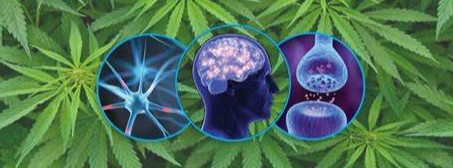
Super Bud is highly regarded in the medical cannabis community for its therapeutic potential. Due to its indica-heavy genetics, it is best suited for treating conditions that require deep relaxation, pain relief, and sleep induction.
Medical Benefits:
Pain Management:
- Effective for chronic pain conditions like arthritis, migraines, and fibromyalgia
- Helps with muscle spasms and cramps
Insomnia & Sleep Disorders:
- High myrcene content promotes deep sleep
- Reduces nighttime restlessness and improves sleep quality
Stress and Anxiety Relief:
- Calms the mind, reducing overthinking and racing thoughts
- Effective for Generalized Anxiety Disorder (GAD) and PTSD
Appetite Stimulation:
- Helps individuals experiencing loss of appetite due to medical conditions or treatments (e.g., chemotherapy, HIV/AIDS)
Anti-Inflammatory Effects:
- Reduces swelling and joint pain, making it useful for conditions like arthritis
- Beneficial for inflammatory bowel diseases (IBD), Crohn’s disease, and ulcerative colitis
Recreational Uses
Super Bud’s balanced THC levels and relaxing effects make it a popular choice among recreational cannabis users looking for a powerful, full-body high.
Effects:
Onset and Duration:
- Onset: 10-15 minutes
- Peak: 45-60 minutes
- Duration: 3-5 hours
Sensory and Psychological Effects:
- Euphoria and relaxation – Creates a blissful and stress-free mindset
- Body high and couch-lock – Strong physical sedation, making it ideal for unwinding
- Enhanced sensory perception – Music and movies become more immersive
- Sleepiness – High doses induce deep sleep
Methods of Ingestion
Super Bud can be consumed in multiple ways, each influencing how quickly the effects set in and how long they last.
Smoking (Combustion)
(Joints, Pipes, Bongs, Blunts)
- Bioavailability: ~30 percent of THC absorbed
- Onset: 1-5 minutes
- Peak Effects: 30-45 minutes
- Duration: 2-4 hours
- Metabolism: Direct lung absorption, rapid onset via bloodstream, liver metabolization into 11-hydroxy-THC
Pros: Quick onset, easy dose control
Cons: Irritation to lungs, potential combustion toxins
Vaping (Inhalation)
(Dry Herb Vaporizers, Concentrate Pens)
- Bioavailability: 40-50 percent (higher than smoking)
- Onset: 1-3 minutes
- Peak Effects: 20-40 minutes
- Duration: 2-4 hours
- Metabolism: Similar to smoking, but with less lung irritation
Pros: Higher THC absorption, reduced toxins compared to smoking
Cons: Requires a vaporizer device
Edibles (Oral Ingestion)
(Gummies, Baked Goods, Capsules, Beverages)
- Bioavailability: 10-20 percent (lower than inhalation due to first-pass metabolism)
- Onset: 30-120 minutes (delayed due to digestion)
- Peak Effects: 2-4 hours
- Duration: 6-12 hours (much longer than smoking or vaping)
- Metabolism: THC is converted into 11-hydroxy-THC in the liver, which is stronger and lasts longer
Pros: Long-lasting effects, good for medical use
Cons: Delayed onset, harder to dose correctly

Sublingual (Tinctures, Sprays, Lozenges)
- Bioavailability: 20-35 percent
- Onset: 15-30 minutes
- Peak Effects: 1-2 hours
- Duration: 4-6 hours
- Metabolism: Absorbed directly into the bloodstream under the tongue, bypassing the digestive system
Pros: Faster than edibles, easier to dose
Cons: Taste may be unpleasant, effects vary
Topical Application
(Creams, Lotions, Patches)
- Bioavailability: Variable (depends on fat solubility and skin permeability)
- Onset: 30-60 minutes
- Peak Effects: 2-3 hours
- Duration: 4-12 hours
- Metabolism: Minimal psychoactive effects, as THC does not reach the bloodstream
Pros: Great for localized pain relief
Cons: No psychoactive effects unless using transdermal patches, which do enter the bloodstream
Pharmacokinetics: Absorption, Onset, and Duration
The absorption rate and bioavailability of Super Bud depend on the ingestion method, influencing onset and duration.
| Method | Onset | Peak Effects | Duration | Bioavailability |
|---|---|---|---|---|
| Smoking | 1-5 min | 30-45 min | 2-4 hrs | ~30% |
| Vaping | 1-3 min | 20-40 min | 2-4 hrs | 40-50% |
| Edibles | 30-120 min | 2-4 hrs | 6-12 hrs | 10-20% |
| Sublingual | 15-30 min | 1-2 hrs | 4-6 hrs | 20-35% |
| Topical | 30-60 min | 2-3 hrs | 4-12 hrs | Variable |
Metabolism and Elimination of THC
First-Pass Metabolism (Oral Ingestion)
- When edibles or capsules are consumed, THC passes through the digestive system.
- The liver converts THC into 11-hydroxy-THC, which is five times more psychoactive than standard THC.
- This is why edibles last longer and feel stronger than smoking or vaping.
Pulmonary Absorption (Inhalation)
- Smoking or vaping allows THC to enter the bloodstream directly from the lungs.
- Effects are faster but shorter compared to oral ingestion.
- No conversion into 11-hydroxy-THC, making it less intense but quicker in onset.
Elimination Half-Life
- Acute Use: THC half-life is one to two days
- Chronic Use: THC metabolites can be detectable for up to 30 days in fat cells
Scientific Comparison of Effects by Ingestion Method
The method of ingestion influences both the intensity and the duration of the effects.
| Effect | Smoking/Vaping | Edibles | Sublingual | Topicals |
|---|---|---|---|---|
| Euphoria | Fast and Intense | Slower, Stronger | Medium Onset | No Effect |
| Body High | Moderate | Very Strong | Moderate | Localized |
| Couch-lock | Possible | High Chance | Moderate | None |
| Pain Relief | Fast Relief | Long-lasting | Moderate | Localized |
| Sleep Aid | Moderate | Very Effective | Effective | None |
Best Ingestion Method for Different Uses
| Condition | Best Method |
|---|---|
| Fast Pain Relief | Smoking or Vaping |
| Long-lasting Relief | Edibles |
| Sleep Aid | Edibles or Sublingual |
| Anxiety Relief | Vaping or Sublingual |
| Local Pain (No High) | Topical Creams |
Scientific Research and Pharmacology
THC and CBD Interaction:
Super Bud’s THC:CBD ratio (around 20:1) makes it primarily psychoactive while still retaining minor therapeutic CBD benefits.
Pharmacokinetics:
- Absorption: Rapid onset when inhaled, slower with edibles
- Metabolism: Metabolized in the liver (CYP450 enzymes) into 11-hydroxy-THC, a more potent form
- Excretion: Mostly excreted through feces (65%) and urine (20%)
Scientific Studies:
- Chronic pain relief – Studies show THC-dominant strains help reduce pain levels in neuropathic pain patients
- Anxiolytic effects – Myrcene and limonene contribute to anti-anxiety effects
- Sleep improvement – Indica strains with high myrcene and THC levels promote longer and deeper sleep
Potential Side Effects and Precautions
Common Side Effects:
- Dry mouth and dry eyes – Can be managed with hydration
- Dizziness and lightheadedness – Common in beginners or high doses
- Paranoia or anxiety – Possible in THC-sensitive users
Precautions:
- Not suitable for daytime use due to sedative effects
- A low dose is best for beginners to prevent overpowering effects.
- Individuals with a history of anxiety or paranoia should exercise caution
Conclusion
Super Bud is a potent indica-dominant strain that offers a powerful body high, deep relaxation, and significant medical benefits. Its balanced cannabinoid and terpene profile makes it a go-to strain for pain relief, stress management, and sleep disorders. However, its sedative properties limit its use to nighttime and non-active situations.
For both medical patients and recreational users, Super Bud remains a reliable choice for relaxation and therapeutic relief.
For a complete directory of cultivars, visit our Cannabis Strain Reviews.
