Table of Contents
Super Blue Dream is a popular hybrid cannabis strain, celebrated for its well-balanced effects and versatile utility in both medical and recreational contexts. A cross between the legendary Blue Dream and Super Silver Haze, Super Blue Dream inherits the best qualities of its parent strains, offering a potent, uplifting high combined with a pleasant flavor profile and therapeutic potential.
Genetic Profile
- Parent Strains:
- Blue Dream (Blueberry x Haze): Known for its sweet berry aroma and balanced effects, Blue Dream is a favorite among beginners and seasoned users.
- Super Silver Haze: A sativa-dominant strain famous for its invigorating effects, citrusy flavor, and high THC levels.
- Classification:
- Type: About 70% sativa and 30% indica make up this sativa-dominant mix.
- THC Content: 18-24%, with some phenotypes reaching up to 26%
- CBD Content: Less than 1%, making it primarily psychoactive
- Terpenes:
- Myrcene: Promotes relaxation and contributes to the strain’s sweet aroma.
- Pinene: Enhances focus and provides earthy undertones.
- Caryophyllene: Offers anti-inflammatory benefits with a peppery kick.
- Appearance:
- Bud Structure: Dense, medium-sized buds with a conical shape.
- Coloration: Bright green with blue and purple hues, inherited from Blue Dream. Orange pistils and a frosty layer of trichomes add visual appeal.
- Aroma and Flavor:
- Aroma: Sweet, berry-forward fragrance with hints of citrus and earthiness.
- Flavor: A smooth blend of blueberries, citrus, and subtle spice, leaving a creamy aftertaste.
Recreational Uses
Super Blue Dream is highly sought after for its euphoric and energizing effects, making it a go-to choice for daytime use and social settings.
Effects
- Onset:
- The high kicks in rapidly, beginning with a cerebral rush that uplifts mood and sharpens focus.
- Users report heightened creativity and an increased sense of purpose.
- Duration:
- Effects last between 2-4 hours, with a gradual comedown that avoids sedation.
- Psychoactive Experience:
- Euphoria: A significant mood boost, making it excellent for alleviating stress and enhancing social interactions.
- Energy Boost: Its sativa-dominant nature provides a clear-headed, energetic high.
- Creativity and Focus: Artists, writers, and musicians often favor Super Blue Dream for its ability to inspire and sustain concentration.
Use Cases
- Social Settings: Ideal for parties, gatherings, or casual hangouts due to its uplifting effects.
- Outdoor Activities: Perfect for hiking, gardening, or a day at the beach.
- Productivity: Can aid in task completion, especially for creative or brainstorming sessions.
Medical Uses
Super Blue Dream offers numerous therapeutic benefits, thanks to its balanced cannabinoid profile and synergistic terpene effects.
Conditions Treated
- Mental Health:
- Depression and Anxiety: The strain’s uplifting effects help combat negative thoughts and promote emotional balance. Its high pinene content can counteract the anxious effects associated with THC.
- Stress: The calming properties of myrcene and limonene reduce stress without causing sedation.
- Neurological Disorders:
- ADHD: The focus-enhancing properties are particularly beneficial for individuals with attention deficits.
- Migraines: Caryophyllene’s anti-inflammatory properties combined with the analgesic effects of THC can help alleviate headaches.
- Chronic Pain:
- Effective against mild to moderate pain due to the entourage effect of THC and caryophyllene.
- Suitable for conditions such as arthritis, fibromyalgia, and muscle spasms.
- Fatigue:
- Its energizing nature makes it an excellent remedy for lethargy or chronic fatigue syndrome.
- Appetite Stimulation:
- Super Blue Dream can help improve appetite, making it useful for patients undergoing chemotherapy or those with eating disorders.
Side Effects
- Dry Mouth and Eyes: Common but manageable with hydration.
- Paranoia: Rare but possible in individuals sensitive to high THC strains.
- Dizziness: Can occur in novice users or those with low tolerance.
Scientific Insights and Mechanisms of Action
Cannabinoid Interaction
- THC (Tetrahydrocannabinol):
- Primary psychoactive compound responsible for euphoria and mood elevation.
- Activates CB1 receptors in the brain, modulating neurotransmitter release to create feelings of pleasure and reduced stress.
- CBD (Cannabidiol):
- Though present in low quantities, CBD contributes to the strain’s overall therapeutic profile by reducing THC-induced side effects.
- Entourage Effect:
- The interaction between THC, CBD, and terpenes amplifies the strain’s therapeutic potential, making it more effective than isolated cannabinoids.
Terpene Contributions

- Myrcene:
- Sedative and muscle-relaxing properties.
- Enhances THC absorption, intensifying its effects.
- Pinene:
- Improves airflow in the lungs and aids memory retention.
- Counteracts THC-induced short-term memory loss.
- Caryophyllene:
- Binds directly to CB2 receptors, providing anti-inflammatory and analgesic benefits.
- Limonene:
- Mood-enhancing and stress-relieving properties.
- Enhances the flavor profile with a zesty citrus taste.
Neurological Effects
- Super Blue Dream’s sativa-dominant properties stimulate dopamine release, enhancing mood and focus.
- Its hybrid nature ensures a balance between stimulation and relaxation, preventing overstimulation of the central nervous system.
Pharmacokinetics
- Absorption:
- THC is rapidly absorbed through inhalation, with effects noticeable within minutes.
- Edible consumption leads to slower onset (30-90 minutes) but prolonged effects.
- Metabolism:
- The liver converts THC into the strong psychotropic metabolite 11-hydroxy-THC.
- Excretion:
- Eliminated through urine and feces, with a half-life of approximately 24-36 hours.
Super Blue Dream Cultivation
Cultivating Super Blue Dream requires a balance of environmental control, nutrient management, and plant training techniques. This sativa-dominant hybrid inherits growth traits from its parent strains, Blue Dream and Super Silver Haze, making it a moderately challenging strain to grow. Below is a detailed scientific overview of its cultivation.
Growth Characteristics
- Plant Morphology:
- Height: Medium to tall, with potential to reach up to 6-8 feet in optimal outdoor conditions.
- Structure: Bushy growth with dense foliage; requires regular pruning to improve light penetration and airflow.
- Bud Development: Dense, resinous buds with high trichome coverage. The buds often display a mix of green, blue, and purple hues.
- Life Cycle:
- Seed to Harvest (Indoor): 9-11 weeks flowering time.
- Outdoor Harvest: Late October (Northern Hemisphere) or late April (Southern Hemisphere).
Environmental Requirements
- Temperature:
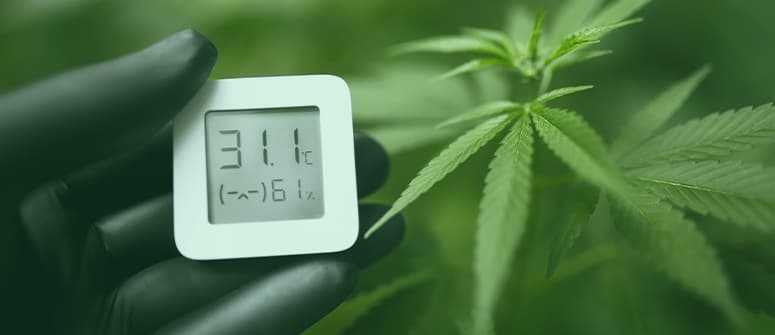
- Optimal range: 70-85°F (21-29°C).
- Can tolerate minor fluctuations but is sensitive to extremes.
- Below 65°F (18°C): Growth slows, and stress can occur.
- Above 85°F (29°C): Risk of heat stress, reduced yields, and terpene degradation.
- Humidity:
- Vegetative Stage: 50-70% relative humidity (RH) to promote vigorous growth.
- 40–50% RH during the flowering stage to avoid mold and mildew.
- Late Flowering: 30-40% RH for maximum resin production.
- Light:
- Photoperiod Requirement:
- Vegetative: 18-24 hours of light.
- Flowering: Twelve hours of darkness and twelve hours of brightness.
- High light intensity is critical during the flowering stage to promote trichome and terpene production.
- Photoperiod Requirement:
- Airflow and Ventilation:
- Requires consistent airflow to prevent mold, particularly in the dense buds.
- Use oscillating fans for air circulation and carbon filters for odor management in indoor setups.
Mediums and Growing Techniques
- Soil:
- Best suited for organic cultivation to enhance terpene profiles.
- pH range: 6.0-6.8.
- Amend with compost, worm castings, and perlite for aeration and nutrient availability.
- Hydroponics:
- Ideal for faster growth and larger yields.
- pH range: 5.5-6.5.
- Nutrient levels must be carefully monitored to avoid overfeeding.
- Coco Coir:
- Combines the advantages of hydroponics and soil.
- pH range: 5.8-6.2.
- Requires frequent watering due to high drainage capacity.
- Aquaponics:
- Sustainable option where fish waste provides nutrients.
- Requires balancing pH (6.8-7.0) and oxygen levels for both plants and fish.
Nutrient Requirements
- Macronutrients:
- Nitrogen (N):
- High levels required during the vegetative stage for leaf and stem growth.
- Reduce in the flowering stage to prevent excessive foliage development.
- Phosphorus (P):
- Critical during flowering for bud formation.
- Apply phosphorus-rich fertilizers after the vegetative phase.
- Potassium (K):
- Supports overall plant health, disease resistance, and flowering.
- Nitrogen (N):
- Micronutrients:
- Calcium (Ca): Essential for cell wall strength and root development.
- Magnesium (Mg): Vital for photosynthesis as it forms the core of chlorophyll molecules.
- Sulfur (S): Enhances terpene production and aroma.
- Feeding Schedule:
- Use a balanced NPK ratio (e.g., 4-2-3) during vegetative growth.
- Transition to a bloom formula (e.g., 1-4-5) in the flowering stage.
- Organic Nutrients:
- Compost tea or fish emulsion for natural nitrogen.
- For phosphorus, use bat guano or bone meal.
- Kelp extract or wood ash for potassium.
Cultivation Techniques
- Pruning and Defoliation:
- Regularly remove yellowing or excess leaves to prevent shading and improve air circulation.
- Focus on lollipop pruning to direct energy to the main colas.
- Training Techniques:
- Low-Stress Training (LST):
- Bend and secure branches to encourage horizontal growth and even light distribution.
- Screen of Green (ScrOG):
- Utilize a screen to create a uniform canopy, maximizing light efficiency and yield.
- Topping/FIMing:
- Cut the main stem to encourage the growth of multiple colas.
- Low-Stress Training (LST):
- Support Structures:
- Use stakes, trellises, or cages to support heavy buds and prevent breakage.
- Flushing:
- Flush the medium with pH-balanced water 1-2 weeks before harvest to remove excess nutrients and improve flavor.
Pest and Disease Management
- Common Pests:
- Spider Mites: Thrive in warm, dry environments. Use neem oil or predatory mites for control.
- Aphids: Sap-sucking insects; combat with insecticidal soap or ladybugs.
- Fungus Gnats: Larvae damage roots; use sticky traps and maintain dry topsoil.
- Diseases:
- Powdery Mildew: Prevent with proper ventilation and humidity control.
- Bud Rot (Botrytis): Common in dense buds; keep humidity low and inspect regularly.
- Root Rot: Make sure drainage is adequate and refrain from overwatering.
- Integrated Pest Management (IPM):
- Regular inspections and preventive measures (e.g., introducing beneficial insects).
- Use organic treatments like neem oil, diatomaceous earth, or sulfur-based fungicides.
Harvesting and Post-Harvest Techniques
- Harvest Timing:
- Harvest when trichomes are milky-white with some amber tips for a balanced effect.
- Monitor pistils; harvest when 70-90% have turned orange or brown.
- Drying:
- Hang trimmed branches in a dark, well-ventilated room at 60-70°F (15-21°C) with 50-60% RH.
- Drying time: 7-14 days.
- Curing:
- Place dried buds in airtight jars, opening daily to release moisture (burping) during the first week.
- Store in a cool, dark place for 2-6 weeks to enhance potency, flavor, and aroma.
Yield Potential
- Indoor Cultivation:
- Yield: 14-18 ounces per square meter.
- Controlled environment allows for optimal growth.
- Outdoor Cultivation:
- Yield: 16-20 ounces per plant.
- Requires suitable climate and careful pest management.
Scientific Considerations
- Genetic Stability:
- Phenotypic variation is possible; selecting stable seeds or clones ensures consistent traits.
- Terpene Preservation:
- Maintain cooler temperatures during the flowering stage to preserve volatile terpenes.
- Harvest during the early morning (outdoor) to minimize terpene loss.
- Stress Management:
- Avoid overwatering, nutrient imbalances, and excessive pruning, which can induce hermaphroditism (development of male flowers on female plants).
By adhering to these scientifically informed cultivation practices, growers can maximize Super Blue Dream’s yield, potency, and flavor profile, ensuring a high-quality product for both recreational and medical use.
Super Blue Dream (SBD) cannabis strain exhibits unique pharmacokinetics and pharmacodynamics depending on the method of ingestion. Below is an in-depth exploration of its effects, onset, duration, and mechanisms across various consumption methods.
Methods of Ingestion
- Smoking or Vaping (Inhalation)
- How It Works:
- Smoking Super Blue Dream involves combustion, while vaping heats the flower or concentrate to a temperature that releases terpenes and cannabinoids without burning the substance.
- Onset:
- Effects of Super Blue Dream typically manifest within 1-5 minutes.
- Rapid absorption of THC into the circulation occurs through the lungs.
- Duration:
- Effects last for 1.5 to 3 hours, with a peak around 30-60 minutes after ingestion.
- Advantages:
- Immediate relief, making it ideal for acute pain, anxiety, or mood enhancement.
- High bioavailability (~25-35%).
- Disadvantages:
- Irritation of the respiratory system due to combustion by-products.
- Effects:
- Quick cerebral stimulation, euphoria, and a burst of creativity.
- Smooth comedown with minimal sedative effects.
- How It Works:
- Edibles (Oral Ingestion)
- How It Works:
- THC is metabolized in the liver into 11-hydroxy-THC, a more potent and long-lasting psychoactive compound.
- Onset:
- Effects are delayed, taking 30-90 minutes to appear.
- Duration:
- Effects persist for 4-8 hours, with some residual effects lasting up to 12 hours.
- Advantages:
- Long-lasting effects, suitable for chronic conditions such as pain or insomnia.
- No respiratory irritation.
- Disadvantages:
- Difficult to titrate dosage due to delayed onset.
- Risk of overconsumption.
- Effects:
- Deeper physical relaxation and a more pronounced body high.
- Gradual and sustained cerebral stimulation.
- How It Works:
- Sublingual (Tinctures)
- How It Works:
- Cannabinoids are absorbed through the mucous membranes under the tongue, bypassing the digestive system.
- Onset:
- Effects begin within 15-30 minutes.
- Duration:
- Lasts 3-6 hours.
- Advantages:
- Faster onset than edibles.
- Easy to control dosage.
- Disadvantages:
- Slightly less potent than edibles.
- Effects:
- Balanced onset of both cerebral and physical effects, leaning toward mood elevation and mild relaxation.
- How It Works:
- Topicals
- How It Works:
- Cannabinoids interact with CB2 receptors in the skin without entering the bloodstream.
- Onset:
- Effects appear within 10-20 minutes.
- Duration:
- Lasts 2-4 hours.
- Advantages:
- No psychoactive effects.
- Targeted alleviation of skin disorders, irritation, or localized pain.
- Disadvantages:
- Ineffective for systemic issues.
- Effects:
- Anti-inflammatory and analgesic effects localized to the application site.
- How It Works:
- Dabbing (Concentrates)
- How It Works:
- Super Blue Dream extracts (e.g., shatter, wax, or oil) are vaporized and inhaled.
- Onset:
- Effects are felt within seconds to 2 minutes.
- Duration:
- Lasts 1-3 hours.
- Advantages:
- Highly potent, delivering an intense and immediate high.
- Disadvantages:
- Risk of overconsumption due to high THC content.
- Effects:
- Intense cerebral rush, heightened sensory perception, and rapid mood elevation.
- How It Works:
Pharmacokinetics and Duration
- Absorption:
- Inhalation: Cannabinoids reach peak plasma levels within minutes due to direct absorption through alveoli in the lungs.
- Oral Ingestion: Absorption occurs in the gastrointestinal tract, leading to delayed onset and conversion to 11-hydroxy-THC.
- Distribution:
- Lipophilic nature of THC and other cannabinoids causes accumulation in fatty tissues, from which they are slowly released into the bloodstream.
- Metabolism:
- Inhaled THC: Metabolized into 11-nor-9-carboxy-THC (THC-COOH), a non-psychoactive metabolite.
- Oral THC: Converted into 11-hydroxy-THC, increasing potency and prolonging effects.
- Elimination:
- THC metabolites are excreted via urine and feces.
- Half-life varies from 1.6 to 59 hours, depending on frequency of use.
Onset, Peak, and Duration Across Methods
| Method | Onset | Peak Effects | Total Duration |
|---|---|---|---|
| Smoking/Vaping | 1-5 minutes | 30-60 minutes | 1.5-3 hours |
| Edibles | 30-90 minutes | 2-4 hours | 4-8 hours |
| Sublingual Tinctures | 15-30 minutes | 1-2 hours | 3-6 hours |
| Topicals | 10-20 minutes | N/A | 2-4 hours |
| Dabbing | Seconds-2 minutes | 15-30 minutes | 1-3 hours |
Effects and Mechanisms
Immediate Effects
- Cerebral Stimulation:
- Super Blue Dream’s high THC content activates CB1 receptors in the brain, leading to:
- Increased dopamine release.
- Enhanced mood and creativity.
- Heightened sensory perception.
- Super Blue Dream’s high THC content activates CB1 receptors in the brain, leading to:
- Relaxation and Physical Ease:
- Though sativa-dominant, the myrcene content tempers the strain’s energy with a mild sense of relaxation.
Short-Term Cognitive Effects
- Euphoria: Driven by dopamine release.
- Focus: Pinene helps sustain mental clarity, especially beneficial for ADHD patients.
- Sociability: The uplifting high promotes engaging conversations and a positive outlook.
Prolonged Effects
- Analgesia: THC interacts with CB1 and CB2 receptors to reduce the perception of pain.
- Stress Relief: Caryophyllene’s anti-inflammatory effects contribute to a calming experience.
- Appetite Stimulation: THC induces ghrelin secretion, increasing hunger.
Mechanistic Pathways
- CB1 Receptor Activation:
- Location: Central nervous system.
- Effect: THC binds to CB1 receptors, inhibiting the release of inhibitory neurotransmitters (e.g., GABA), resulting in dopaminergic neurons’ heightened activity.
- CB2 Receptor Interaction:
- Location: Peripheral tissues and immune cells.
- Effect: Caryophyllene acts as an agonist, reducing inflammation and pain signals.
- Terpene Modulation:
- Myrcene enhances the permeability of the blood-brain barrier, increasing the efficacy of cannabinoids.
- Pinene and limonene modulate the psychoactive effects, reducing anxiety and promoting focus.
- Neurotransmitter Release:
- THC increases serotonin and dopamine levels, alleviating depressive symptoms and promoting a sense of well-being.
Optimal Use and Recommendations
- For Daytime Use: Smoking, vaping, or sublingual tinctures for quick, uplifting effects.
- For Chronic Conditions: Edibles or capsules for prolonged relief.
- For Beginners: Start with low doses, especially with edibles, to avoid overwhelming effects.
- For Pain Management: Combine topicals with another ingestion method for systemic and localized relief.
Super Blue Dream’s versatility and balanced effects make it a top choice for both recreational enthusiasts and medical users. With proper understanding of its pharmacokinetics and diverse consumption methods, this strain can be tailored to meet a wide range of needs effectively.
Consumer Insights
- Target Audience:
- Recreational users seeking a daytime strain with uplifting effects.
- Medical patients needing a versatile option for mood and pain management.
- Availability:
- Found in dispensaries across states and countries with legalized cannabis.
- Available in a number of forms, such as edibles, extracts, pre-rolls, and flowers.
- Pricing:
- Moderately priced, reflecting its premium quality and demand.
Comparative Analysis
Super Blue Dream vs. Blue Dream:
- Super Blue Dream offers a more cerebral and energizing high compared to Blue Dream’s balanced, mellow effects.
- Super Blue Dream inherits the bold flavors of Super Silver Haze, giving it a zestier profile.
Super Blue Dream vs. Super Silver Haze:
- Super Blue Dream provides a gentler high with a touch of relaxation, whereas Super Silver Haze is more invigorating and intense.
Conclusion
Super Blue Dream is a versatile strain that strikes a perfect balance between recreational enjoyment and medical efficacy. Its uplifting effects, combined with a rich terpene profile, make it a favorite for those seeking clarity, creativity, and therapeutic relief. Whether you are battling stress, chronic pain, or simply looking to enhance your day, Super Blue Dream offers a premium cannabis experience tailored to diverse needs.
For a complete directory of cultivars, visit our Cannabis Strain Reviews.
